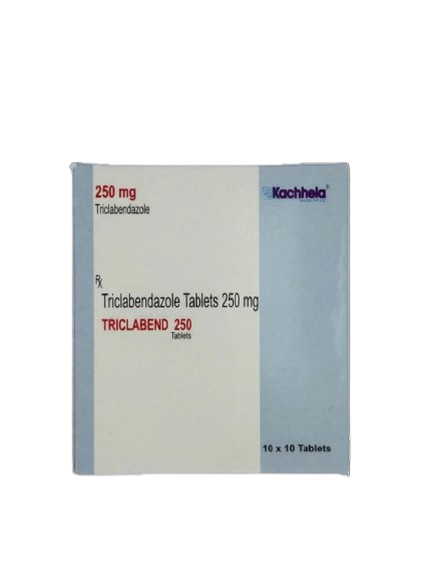
What is Triclabendazole 250mg (Triclabend) Tablet?
Triclabendazole 250mg (Triclabend) Tablet is an antiparasitic medicine commonly prescribed for the treatment of liver fluke infections caused by parasites such as Fasciola hepatica and Fasciola gigantica. It helps eliminate the parasites and supports recovery from fascioliasis.
Triclabend Tablet should be taken exactly as prescribed by a healthcare professional. The dosage may vary depending on the severity of the infection, body weight, and individual treatment requirements.
For best results, complete the full course of treatment as advised by your doctor, even if symptoms improve earlier.
Triclabendazole 250mg (Triclabend) Tablet Description
Triclabend 250mg Tablet contains Triclabendazole, an antiparasitic medication primarily used for the treatment of human fascioliasis (liver fluke infection). It is effective against both immature and adult stages of liver flukes, making it one of the preferred treatment options for fasciola infections.
This medicine works by disrupting essential functions within the parasite, leading to paralysis and death of the flukes. It helps reduce parasite burden and supports the body’s recovery process.
Triclabendazole tablets for liver fluke infection are usually taken with food to improve absorption. Follow your healthcare provider’s instructions carefully regarding dosage and duration.
Early treatment of fascioliasis may help reduce symptoms such as abdominal pain, fever, fatigue, digestive discomfort, and liver inflammation associated with liver fluke infections.
Common side effects may include headache, abdominal pain, nausea, dizziness, sweating, and mild gastrointestinal discomfort. Most side effects are temporary and resolve on their own.
Inform your healthcare provider about any liver disease, pregnancy, breastfeeding status, or other medical conditions before starting treatment.
Benefits of Triclabendazole 250mg (Triclabend) Tablet
- Helps treat liver fluke infection (fascioliasis)
- Effective against immature and adult liver flukes
- Supports parasite elimination from the body
- May reduce liver inflammation caused by parasitic infection
- Helps relieve symptoms associated with fasciola infections
- Widely used antiparasitic medicine for liver fluke treatment
In Liver Fluke Infection (Fascioliasis)
Triclabendazole for fascioliasis treatment works by targeting the parasites responsible for liver fluke infections. It may help improve symptoms such as abdominal discomfort, fever, digestive issues, and fatigue associated with the infection.
Symptoms of Liver Fluke Infection (Fascioliasis)
The symptoms of liver fluke infection (fascioliasis) can vary depending on the stage of infection and the number of parasites present in the body. Some people may have mild or no symptoms at first, while others develop more noticeable digestive and liver-related problems.
Common symptoms include:
- Abdominal pain, especially in the upper right side
- Fever and chills
- Nausea or vomiting
- Loss of appetite
- Fatigue and weakness
- Enlarged liver
- Digestive discomfort
- Weight loss
- Skin rash or itching in some cases
- Elevated eosinophil levels in blood tests
If left untreated, fascioliasis may lead to inflammation of the liver and bile ducts. Early diagnosis and appropriate medical treatment can help reduce the risk of complications.
How Do People Get Liver Fluke Infection?
Liver fluke infection is caused by parasitic flatworms, mainly Fasciola hepatica and Fasciola gigantica. People usually become infected after eating raw or undercooked aquatic plants, such as watercress, contaminated with parasite larvae. Drinking contaminated water in endemic areas may also increase the risk of infection. Liver fluke infection (fascioliasis) is recognized as a neglected tropical disease in many parts of the world. For more information about the disease, symptoms, and prevention, visit the World Health Organization (WHO) guide on foodborne trematode infections.
After entering the body, the parasites travel through the intestinal wall to the liver, where they mature and live in the bile ducts.
Who Is at Higher Risk?
The following people may have a higher risk of developing fascioliasis:
- Individuals living in areas where liver fluke infections are common
- People who consume raw aquatic vegetables
- Farmers and livestock workers
- Travelers visiting endemic regions
- Individuals exposed to untreated water sources
Taking proper food safety precautions and drinking clean water can help reduce the risk of infection.
Diagnosis of Fascioliasis
A healthcare provider may recommend one or more tests to diagnose liver fluke infection, including:
- Medical history and physical examination
- Stool examination to detect parasite eggs
- Blood tests
- Ultrasound or CT scan of the liver
- Serological (antibody) testing
The type of test recommended depends on the stage of infection and your symptoms. Patients and healthcare professionals can also refer to the CDC Fasciola (Fascioliasis) resource for additional information about diagnosis, transmission, and prevention.
Recovery and Follow-Up Care
Recovery from fascioliasis varies from person to person. Your healthcare provider may recommend follow-up appointments or laboratory tests to confirm that the infection has been successfully treated.
For the best outcome:
- Take the medicine exactly as prescribed.
- Complete the full treatment course.
- Attend all follow-up appointments.
- Inform your healthcare provider if symptoms persist or worsen.
Tips to Help Prevent Liver Fluke Infection
Although treatment is available, prevention remains the best approach. You can help reduce your risk by:
- Washing vegetables thoroughly before eating.
- Avoiding raw aquatic plants in high-risk regions.
- Drinking safe, clean water.
- Practicing good hand hygiene.
- Following food safety recommendations while traveling.
- Seeking medical advice if symptoms develop after visiting an endemic area.
In Parasitic Liver Disease
By eliminating liver flukes, Triclabend Tablet may help support liver health and reduce complications related to parasitic infestation when used under medical supervision.
Following the prescribed treatment plan can help maximize the effectiveness of the medicine.
How Triclabend Tablet Works
Triclabendazole belongs to a class of medicines known as antiparasitic agents. It works by interfering with the parasite’s cellular structure and energy production, causing paralysis and death of the liver flukes.
Uses of Triclabendazole 250mg (Triclabend) Tablet
- Treatment of fascioliasis (liver fluke infection)
- Management of infections caused by Fasciola hepatica
- Management of infections caused by Fasciola gigantica
- Antiparasitic treatment for liver fluke infestation
- Supportive treatment for parasite-related liver disease
- Human fascioliasis treatment under medical supervision
Possible Side Effects
Some individuals may experience side effects such as:
- Headache
- Nausea
- Abdominal pain
- Dizziness
- Fatigue
- Sweating
- Loss of appetite
- Mild digestive discomfort
Side effects vary among individuals. Consult your healthcare provider if any side effect becomes severe or persistent.
Precautions
- Use only under medical supervision.
- Complete the prescribed treatment course.
- Take with food if advised by your healthcare provider.
- Inform your doctor about any liver-related disorders.
- Tell your healthcare provider about all medicines and supplements you use.
- Follow the recommended dosage carefully.
Storage Information
Store Triclabend Tablet in a cool, dry place away from direct sunlight, moisture, and heat. Keep out of reach of children and pets.
When Should You Contact a Doctor?
Seek medical attention promptly if you experience:
- Severe or persistent abdominal pain
- High fever
- Yellowing of the skin or eyes (jaundice)
- Persistent vomiting
- Difficulty eating or drinking
- Symptoms that continue or worsen despite treatment
Early medical evaluation can help prevent complications.
Medical Disclaimer
The information provided on this page is intended for educational and informational purposes only. It is not a substitute for professional medical advice, diagnosis, or treatment. Always consult a qualified healthcare provider before starting, stopping, or changing any medication. Never ignore professional medical advice or delay seeking treatment because of information you have read on this website. The effectiveness, dosage, safety, and suitability of Triclabendazole may vary depending on your individual medical condition, age, existing health problems, and other medications you may be taking. In case of severe side effects, allergic reactions, or symptoms that worsen, seek immediate medical attention. PillsVital does not provide medical diagnosis or prescribe medications. Always use medicines responsibly and only under the guidance of a licensed healthcare professional.
Frequently Asked Questions
What is Triclabendazole 250mg used for?
Triclabendazole 250mg is an antiparasitic medicine primarily used to treat fascioliasis, a liver fluke infection caused by Fasciola hepatica or Fasciola gigantica. It should only be used under the guidance of a qualified healthcare professional.
How does Triclabendazole work?
Triclabendazole interferes with essential processes inside the liver fluke parasite, causing damage that leads to its death. It is active against both immature and adult stages of the parasite.
How should Triclabendazole tablets be taken?
Take Triclabendazole exactly as prescribed by your healthcare provider. It is commonly taken with food to improve absorption. Do not change the dose or stop treatment without medical advice.
What are the common side effects of Triclabendazole?
Some people may experience mild side effects such as:
Headache
Nausea
Abdominal pain
Dizziness
Fatigue
Loss of appetite
Sweating
Mild digestive discomfort
If side effects become severe or persistent, seek medical advice.
Who should not take Triclabendazole?
People with a known allergy to Triclabendazole or any of its ingredients should avoid using it. Inform your healthcare provider about any liver disease, pregnancy, breastfeeding, or other medical conditions before starting treatment.