🚚 Worldwide Shipping | πŸ”’ Secure Checkout | πŸ’¬ 24/7 Support

Welcome to PillsVital β€” Essential Care, Trusted Globally

Contact Us

+1 (354) 200-7417

Email Support

pillsvital8@gmail.com

Our Location

United States

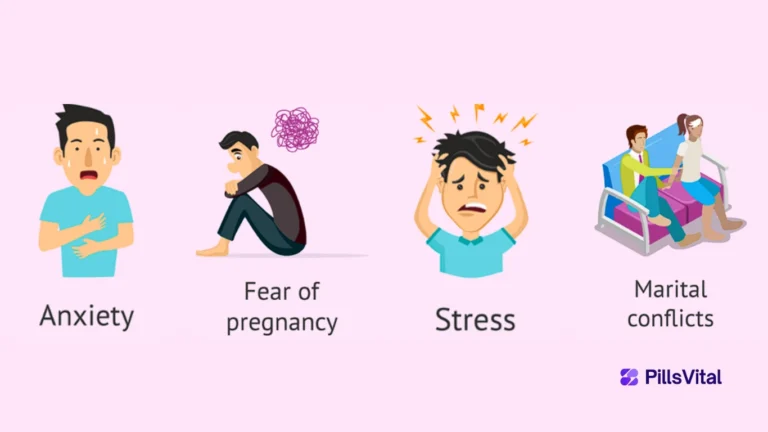
Psychological causes of erectile dysfunction including anxiety, stress, fear of pregnancy, and relationship conflicts affecting male sexual performance.

Introduction

When most people think about erectile dysfunction (ED), they imagine blocked arteries, low testosterone, aging, or poor physical health. While these factors can certainly contribute to ED, the brain often plays an equally important role.

Sexual arousal begins long before any physical changes occur. Thoughts, emotions, confidence, stress levels, and relationship dynamics all influence the signals that travel from the brain to the body. When those signals are disrupted, erectile dysfunction can occur even in otherwise healthy men.

In fact, many of the mental causes of erectile dysfunction are often overlooked because symptoms may appear physical despite having a psychological origin.

Many of the mental causes of erectile dysfunction are overlooked because emotional stress can create physical symptoms that closely resemble medical ED.

How the Brain Controls Erections

An erection is not simply a physical response. It is a coordinated process involving:

  • the brain
  • nerves
  • hormones
  • blood vessels
  • emotions

When a man feels relaxed and sexually stimulated, the brain releases signals that encourage blood vessels to expand and increase blood flow.

However, when stress, fear, anxiety, or emotional distress are present, the brain may trigger the body’s stress response instead.

The body cannot fully prioritize sexual arousal while simultaneously preparing for perceived threats.

This is why emotional stress can directly interfere with erectile function.

According to the National Institute of Diabetes and Digestive and Kidney Diseases, emotional and psychological factors may contribute to erectile dysfunction alongside physical health conditions.

Performance Anxiety: The Most Common Psychological Trigger

One of the most frequent psychological causes of ED is performance anxiety.

This often begins after a single disappointing sexual experience.

A man may start asking himself:

  • What if it happens again?
  • What if my partner notices?
  • What if something is wrong with me?

These thoughts increase anxiety during future encounters.

The increased anxiety then interferes with arousal.

As a result, erections become more difficult, reinforcing the fear.

This cycle can continue indefinitely if left unaddressed.

The connection between performance anxiety and ED often creates a self-perpetuating cycle in which fear of failure becomes the reason erections become difficult.

Stress Doesn't Just Affect Your Mind

Many people think stress is purely emotional.

In reality, chronic stress produces physical changes throughout the body.

When stress hormones remain elevated, the body may experience:

  • increased cortisol levels
  • higher blood pressure
  • poor sleep quality
  • reduced sexual desire
  • decreased concentration

Over time, these changes can make achieving or maintaining an erection more difficult.

Men dealing with work pressure, financial stress, family responsibilities, or major life changes often notice fluctuations in sexual performance even when no physical illness is present.

Depression and Erectile Dysfunction

Depression affects much more than mood.

It may influence:

  • sexual desire
  • motivation
  • confidence
  • energy levels
  • relationship satisfaction

A man experiencing depression may lose interest in sexual activity altogether or struggle to become mentally engaged during intimacy.

In some cases, medications used to treat depression may also affect sexual function.

The Mayo Clinic erectile dysfunction resource notes that anxiety, depression, stress, and relationship difficulties can all contribute to erectile dysfunction.

Relationship Problems Can Affect Sexual Performance

Erections are not controlled solely by physical attraction.

Relationship quality often plays a significant role.

Common issues include:

  • unresolved arguments
  • communication problems
  • emotional distance
  • trust concerns
  • feelings of resentment

Even when physical health is excellent, ongoing relationship tension can affect arousal and sexual confidence.

Many couples mistakenly focus only on medication when emotional factors may require equal attention.

The Impact of Negative Self-Image

Confidence strongly influences sexual performance.

Men who constantly worry about:

  • body image
  • weight gain
  • appearance
  • aging
  • sexual ability

may experience greater anxiety during intimate situations.

This self-monitoring can distract the brain from sexual stimulation and increase performance pressure.

The result is often inconsistent erectile function despite normal physical health.

Why Younger Men Are Experiencing More Psychological ED

Historically, erectile dysfunction was associated with older age.

Today, younger men are increasingly reporting ED symptoms.

Several factors may contribute:

  • chronic stress
  • social media pressure
  • unrealistic expectations
  • relationship anxiety
  • poor sleep habits
  • excessive work demands

Research suggests that psychological factors play a particularly important role in ED among younger adults.

Psychological stress, unrealistic expectations, and lifestyle pressures are among the leading contributors to ED in Young Men today.

Why Sildenafil May Not Work for Psychological ED

Many men assume ED medication automatically fixes every erection problem.

However, medications such as sildenafil primarily improve blood flow.

If anxiety remains extremely high, medication effectiveness may be reduced because mental barriers continue interfering with sexual arousal.

Understanding why sildenafil may not work is important because psychological barriers can continue affecting sexual performance even when blood flow improves.

Choosing the Right Treatment Approach

Psychological ED does not mean symptoms are “imaginary.”

The symptoms are real.

The difference is that emotional and mental factors are influencing the physical response.

Treatment may include:

  • stress reduction
  • lifestyle improvements
  • relationship counseling
  • cognitive behavioral therapy
  • improved sleep habits
  • medication when appropriate

Many men benefit from combining emotional support with medical treatment.

For men considering treatment, comparing the best ED medication options may help identify a solution that fits individual needs and lifestyle preferences.

Comprehensive Erectile Dysfunction Treatment

Psychological factors rarely exist in isolation.

Stress may affect sleep.

Poor sleep may affect hormones.

Hormonal changes may influence confidence and sexual performance.

This is why a complete approach often provides the best results.

For a complete overview of medications, causes, diagnosis, and lifestyle solutions, explore our comprehensive erectile dysfunction treatment guide.

Conclusion

Psychological causes of erectile dysfunction are more common than many men realize. Anxiety, stress, depression, relationship difficulties, and low self-confidence can all interfere with the brain signals required for healthy erections.

Understanding the emotional side of erectile dysfunction is often the first step toward improvement. When both physical and psychological factors are addressed together, men are more likely to achieve lasting results and improved sexual confidence.

Related Health Resources

❓ FAQs

Can psychological factors really cause erectile dysfunction?

Yes. Stress, anxiety, depression, relationship problems, and low self-confidence can interfere with the brain signals needed for sexual arousal and erections.

Performance anxiety occurs when fear of sexual failure creates stress during intimate situations. This anxiety can make it difficult to achieve or maintain an erection even when physical health is normal.

Sildenafil may improve blood flow, but it may not fully address erectile dysfunction caused primarily by anxiety, stress, or other psychological factors. Addressing the underlying emotional cause is often important.

Yes. Younger men are more likely to experience erectile dysfunction related to stress, anxiety, relationship concerns, and performance pressure rather than age-related physical conditions.

Many men benefit from stress management, regular exercise, better sleep, counseling, mindfulness techniques, and improved communication with their partner.

Dr Emily Carter PharmD
Written By
Dr. Emily Carter, PharmD
Medical Content Reviewer & Health Research Writer

Dr. Emily Carter specializes in evidence-based health education and wellness content. She focuses on simplifying complex medical topics related to cancer awareness, nutrition, preventive healthcare, skincare, and lifestyle wellness for readers worldwide.

🩺
Medically Reviewed
Reviewed for Accuracy & Readability
Educational & Informational Health Content

This content is reviewed for medical accuracy, clarity, and alignment with current public health research. The article is intended for educational and informational purposes only and should not replace professional medical advice, diagnosis, or treatment.

One Response

Leave a Reply

Your email address will not be published. Required fields are marked *