
Why Acne Keeps Coming Back After Treatment (And How to Stop It)
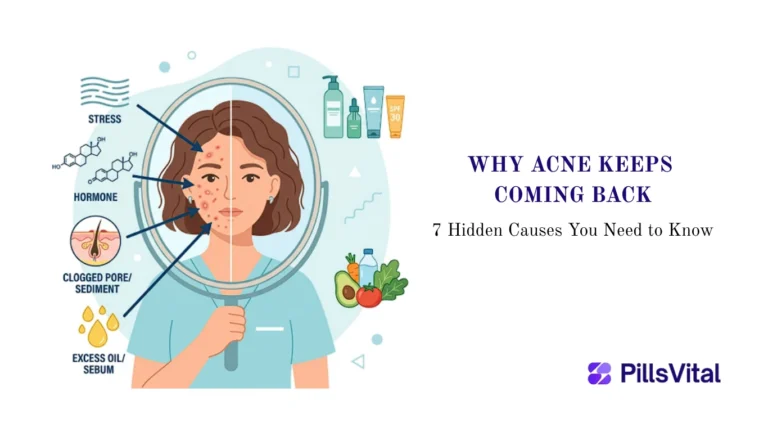
Many people successfully clear their acne with medications, skincare products, or professional treatments—only to watch breakouts return weeks or months later. This can be frustrating and discouraging, especially after investing time, money, and effort into achieving clear skin.
The truth is that acne often returns because the underlying causes were never fully addressed. While treatments can reduce symptoms, they may not eliminate the factors that trigger acne in the first place.
In this guide, we’ll explore the most common reasons acne comes back after treatment and what you can do to achieve longer-lasting results.
Why Does Acne Come Back After It Clears?
Acne is a chronic inflammatory skin condition. Similar to conditions like asthma or eczema, it can go through periods of improvement and flare-ups.
Even after successful treatment, the factors that contribute to acne may still be present, including:
- Excess oil production
- Hormonal fluctuations
- Clogged pores
- Skin inflammation
- Acne-causing bacteria
- Genetics
- Lifestyle triggers
When treatment stops without addressing these root causes, acne often returns.
The 7 Main Root Causes of Recurring Acne
1. Hormonal Imbalances
Hormones are one of the biggest reasons acne returns.
Increased androgen hormones stimulate the sebaceous glands, causing excess oil production that can clog pores and trigger breakouts.
Hormonal acne commonly affects:
- Adult women
- Teenagers during puberty
- Women with PCOS
- Women during pregnancy
- Individuals experiencing high stress
Signs of hormonal acne include:
- Breakouts along the jawline
- Chin acne
- Deep, painful cysts
- Monthly flare-ups
If hormonal imbalance is the root cause, topical treatments alone may provide only temporary relief.
Learn how to identify the difference in our guide on Acne vs Hormonal Acne.
2. Stopping Treatment Too Soon
One of the most common mistakes is discontinuing treatment immediately after the skin clears.
Acne medications often suppress acne rather than permanently cure it.
For example:
- Retinoids help prevent clogged pores.
- Benzoyl peroxide reduces bacteria.
- Salicylic acid exfoliates dead skin cells.
When these treatments are stopped abruptly, acne can gradually return.
Dermatologists often recommend maintenance therapy even after acne improves.
3. Excess Oil Production
Some people naturally produce more sebum than others.
Excess oil:
- Traps dead skin cells
- Clogs pores
- Creates an environment where acne-causing bacteria thrive
Genetics play a significant role in oil production, which is why acne can recur even after successful treatment.
4. Tretinoin Purging Confusion
Many patients stop using tretinoin during the initial purging phase because they believe their acne is worsening.
However, tretinoin accelerates skin turnover, bringing existing blockages to the surface.
This temporary flare-up is often mistaken for treatment failure.
Read our complete guide on Tretinoin Purging: What to Expect and How Long It Lasts.
5. Poor Skincare Habits
Even effective treatments can fail if daily skincare habits are working against them.
Common mistakes include:
Overwashing
Washing more than twice daily can irritate the skin and increase oil production.
Skipping Moisturizer
Dehydrated skin may compensate by producing more oil.
Using Comedogenic Products
Heavy creams, oils, and makeup products can clog pores.
Picking at Pimples
This increases inflammation and may lead to scarring.
6. Chronic Stress
Stress doesn’t directly cause acne, but it can worsen existing breakouts.
When stress levels rise:
- Cortisol increases
- Inflammation increases
- Oil production rises
- Healing slows down
Many people notice flare-ups during:
- Exams
- Work deadlines
- Major life changes
- Poor sleep periods
Managing stress can be an important part of long-term acne control.
7. Diet and Lifestyle Triggers
Research suggests certain dietary factors may contribute to acne in susceptible individuals.
Potential triggers include:
- High-glycemic foods
- Sugary beverages
- Excess dairy consumption
- Processed foods
Other lifestyle factors include:
- Poor sleep
- Smoking
- Lack of exercise
- Frequent face touching
While diet alone doesn’t cause acne, it can influence acne severity.
The American Academy of Dermatology provides evidence-based information about acne triggers and treatment options.
Why Acne Returns After Antibiotics
Oral antibiotics can reduce acne-causing bacteria and inflammation.
However, antibiotics don’t address:
- Hormonal causes
- Oil production
- Pore clogging
Once antibiotics are discontinued, acne may gradually return if maintenance treatment isn’t used.
This is why dermatologists often combine antibiotics with:
- Retinoids
- Benzoyl peroxide
- Hormonal therapies
Why Acne Returns After Isotretinoin (Accutane)
Although isotretinoin is one of the most effective acne treatments available, relapse can still occur.
Risk factors for recurrence include:
- Younger age at treatment
- Severe hormonal acne
- Incomplete treatment course
- Strong genetic predisposition
Many patients experience long-term improvement, but some may require additional treatment later.
How to Prevent Acne From Coming Back
Clearing acne is only the first step. The real challenge is preventing future breakouts and maintaining healthy skin over the long term. Because acne is often influenced by hormones, genetics, oil production, and lifestyle factors, a consistent prevention strategy is essential. Here are some of the most effective ways to keep acne from returning.
Follow a Maintenance Routine
Many people stop all acne treatments once their skin clears. Unfortunately, this is one of the main reasons acne returns. Even when blemishes are gone, pores can still become clogged and inflammation can develop beneath the skin’s surface.
A maintenance routine helps keep acne under control and prevents new breakouts from forming.
Common maintenance products include:
- Retinoids (such as tretinoin or adapalene): Help prevent clogged pores by increasing skin cell turnover.
- Salicylic Acid: Exfoliates inside the pores and removes excess oil and dead skin cells.
- Benzoyl Peroxide: Helps reduce acne-causing bacteria and minimizes inflammation.
You don’t necessarily need to use the strongest treatments every day. Many dermatologists recommend a simplified maintenance routine that balances acne prevention with skin barrier protection. The key is consistency rather than aggressive treatment.
Identify Hormonal Triggers
Hormones play a major role in acne development, especially in teenagers and adult women. If your acne tends to return at specific times, hormonal fluctuations may be contributing to your breakouts.
Pay attention to patterns such as:
- Acne flares before or during your menstrual cycle
- Increased breakouts during periods of high stress
- Acne that appears mainly on the jawline, chin, or lower face
- Sudden adult-onset acne
Keeping a skin journal can help identify recurring triggers. If hormonal acne is suspected, a healthcare professional may recommend further evaluation or treatment options that target the hormonal cause rather than just the symptoms.
Use Non-Comedogenic Products
Not all skincare and cosmetic products are acne-friendly. Some ingredients can block pores and contribute to new breakouts, even if your acne is otherwise well controlled.
When choosing skincare products, look for labels such as:
- Oil-free
- Non-comedogenic
- Won’t clog pores
- Acne-safe
Products that commonly cause issues include:
- Heavy facial oils
- Thick moisturizers designed for very dry skin
- Greasy sunscreens
- Certain makeup foundations
Switching to non-comedogenic products can significantly reduce the likelihood of pore blockage and acne recurrence.
Protect Your Skin Barrier
Many people focus so much on fighting acne that they unintentionally damage their skin barrier. A weakened skin barrier can lead to irritation, redness, dryness, and even more breakouts.
To maintain a healthy skin barrier:
Use a Gentle Cleanser
Harsh cleansers can strip the skin of natural oils and cause irritation. Choose a mild cleanser that removes dirt and excess oil without leaving the skin feeling tight or dry.
Moisturize Daily
Even oily and acne-prone skin needs hydration. A lightweight, non-comedogenic moisturizer helps maintain moisture balance and reduces irritation from acne treatments.
Wear Sunscreen Every Day
Sun exposure can worsen post-acne marks, increase skin inflammation, and weaken the skin’s natural defenses. Use a broad-spectrum SPF 30 or higher sunscreen that is suitable for acne-prone skin.
When the skin barrier remains healthy, the skin is better able to heal and tolerate acne treatments.
Avoid Overwashing and Over-Exfoliating
It may seem logical to scrub away acne, but excessive cleansing often does more harm than good.
Common mistakes include:
- Washing the face more than twice daily
- Using harsh scrubs
- Combining multiple exfoliating products
- Frequently changing skincare routines
These habits can irritate the skin and trigger increased oil production, making acne worse instead of better.
A simple and consistent routine is often more effective than an aggressive one.
Manage Stress Levels
Stress can contribute to acne flare-ups by increasing cortisol levels, which may stimulate oil production and inflammation.
Healthy stress-management habits include:
- Regular physical activity
- Adequate sleep
- Meditation or mindfulness practices
- Deep breathing exercises
- Spending time outdoors
While stress reduction alone may not eliminate acne, it can help reduce the frequency and severity of breakouts.
Prioritize Quality Sleep
Sleep is essential for skin repair and hormonal balance. Poor sleep can increase inflammation and disrupt hormones that influence oil production.
For healthier skin:
- Aim for 7–9 hours of sleep each night
- Maintain a consistent sleep schedule
- Limit screen exposure before bedtime
- Create a relaxing nighttime routine
Good sleep habits support both overall health and clearer skin.
Avoid Picking or Popping Pimples
Picking at acne lesions can:
- Increase inflammation
- Spread bacteria
- Delay healing
- Cause permanent acne scars
- Lead to post-inflammatory hyperpigmentation
Instead of squeezing pimples, use recommended acne treatments and allow blemishes to heal naturally.
Be Consistent With Treatment
Perhaps the most important factor in preventing acne recurrence is consistency. Acne treatments typically require several weeks or even months before significant improvements are visible.
Many people make the mistake of:
- Stopping treatment too early
- Switching products frequently
- Expecting immediate results
Long-term success comes from sticking with a well-designed routine and giving treatments enough time to work.
Know When to Seek Professional Help
If acne continues to return despite following a good skincare routine, it may be time to consult a dermatologist. Persistent or recurring acne often requires a personalized treatment plan that addresses the underlying cause.
Professional treatment can help prevent long-term complications such as:
- Acne scarring
- Skin discoloration
- Chronic inflammation
- Reduced self-confidence
When to See a Dermatologist
Consider professional evaluation if:
- Acne keeps returning despite treatment
- You develop painful cysts
- Acne leaves scars
- Over-the-counter products aren’t helping
- Hormonal symptoms are present
A dermatologist can identify underlying causes and create a customized treatment plan.
Best Treatments for Long-Term Acne Control
Treatment depends on the root cause and severity of acne.
Options may include:
- Topical retinoids
- Benzoyl peroxide
- Salicylic acid
- Hormonal therapy
- Oral medications
- Professional procedures
Explore our complete guide on Best Treatment for Acne That Actually Works to find evidence-based solutions for persistent breakouts.
Final Thoughts
Acne often returns after treatment because the underlying causes remain active. Hormonal fluctuations, excess oil production, genetics, stress, and inconsistent skincare can all contribute to recurring breakouts.
Rather than focusing only on treating visible pimples, long-term success comes from identifying and managing the root causes of acne. With the right maintenance routine and targeted treatment strategy, it is possible to keep acne under control and reduce future flare-ups.
For additional evidence-based information about acne research and future treatment developments, visit the National Institutes of Health Acne Research Resources.
❓ FAQs
Why does acne come back after treatment?
Acne can return after treatment if the underlying causes, such as hormonal imbalances, excess oil production, genetics, stress, or clogged pores, are still present. Many treatments control acne symptoms but do not permanently eliminate the factors that trigger breakouts.
Is it normal for acne to return after stopping treatment?
Yes. Many acne medications help keep pores clear and reduce inflammation while they are being used. When treatment is stopped, acne may gradually return, especially if maintenance skincare is not continued.
How can I prevent acne from coming back?
You can reduce the risk of recurring acne by following a consistent skincare routine, using non-comedogenic products, managing stress, protecting your skin barrier, and continuing maintenance treatments recommended by your dermatologist.
Can hormonal acne come back even after successful treatment?
Yes. Hormonal acne often recurs because hormone fluctuations continue throughout life. Menstrual cycles, stress, pregnancy, menopause, and conditions like PCOS can trigger new breakouts even after previous acne has cleared.
Why does acne return after antibiotics?
Antibiotics help reduce acne-causing bacteria and inflammation, but they do not address root causes such as hormones or excess oil production. Without maintenance treatment, acne may return after antibiotics are discontinued.
Can acne come back after isotretinoin (Accutane)?
Yes. Although isotretinoin is highly effective, some people experience acne recurrence months or years after treatment. The risk is higher in individuals with severe acne, hormonal acne, or a strong genetic predisposition.
Related Products
-
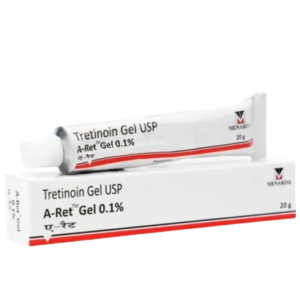
A Ret 0.01% (Tretinoin) Gel
$60.00 – $176.00Price range: $60.00 through $176.00 Select options This product has multiple variants. The options may be chosen on the product page -
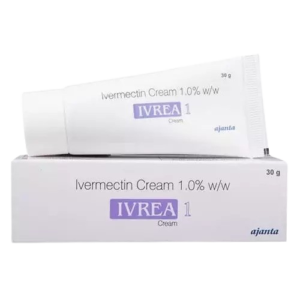
Ivermectin Cream 1.0% w/w
$78.00 – $154.00Price range: $78.00 through $154.00 Select options This product has multiple variants. The options may be chosen on the product page -
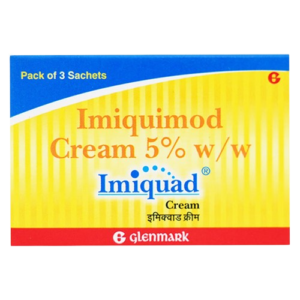
Imiquimod 5% (Imiquad) Cream
$45.00 – $128.00Price range: $45.00 through $128.00 Select options This product has multiple variants. The options may be chosen on the product page -
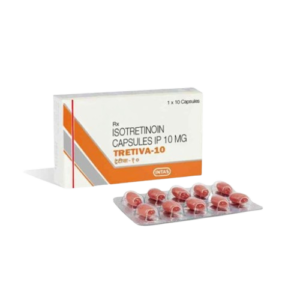
Isotretinoin 10mg (Tretiva) Capsules
$43.00 – $123.00Price range: $43.00 through $123.00 Select options This product has multiple variants. The options may be chosen on the product page

Dr. Emily Carter specializes in evidence-based health education and wellness content. She focuses on simplifying complex medical topics related to cancer awareness, nutrition, preventive healthcare, skincare, and lifestyle wellness for readers worldwide.
This content is reviewed for medical accuracy, clarity, and alignment with current public health research. The article is intended for educational and informational purposes only and should not replace professional medical advice, diagnosis, or treatment.