
How Long Does Acne Take to Heal? Complete Recovery Timeline
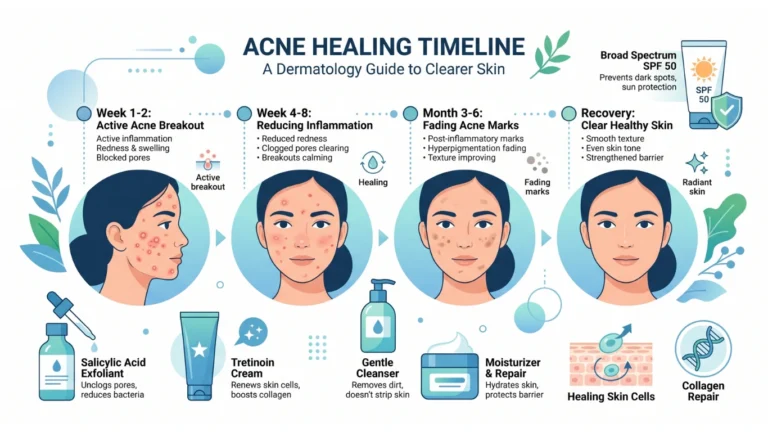
If you’re struggling with breakouts, you’ve probably wondered: how long does acne take to heal? Unfortunately, there isn’t a one-size-fits-all answer. Acne healing depends on the type of acne, its severity, your skin type, and the treatment you’re using.
Some pimples disappear within a few days, while deeper forms of acne such as cystic acne can take weeks or even months to heal completely. Understanding the acne healing timeline can help you set realistic expectations and stay consistent with treatment.
In this guide, we’ll explain the acne recovery stages, how long different types of acne take to heal, what slows recovery, and how to speed up acne healing safely.
According to the American Academy of Dermatology (AAD), most acne treatments require consistent use for several weeks before noticeable improvement occurs, making patience an important part of the healing process.
Understanding the Acne Healing Process
Before discussing timelines, it’s important to understand how acne develops.
The typical acne healing process involves several stages:
- A pore becomes clogged with oil and dead skin cells.
- Bacteria multiply inside the pore.
- Inflammation develops.
- A visible pimple forms.
- The body gradually repairs the skin.
Because acne forms beneath the skin before becoming visible, healing takes time even with effective treatment.
Acne Healing Timeline by Acne Type
How Long Do Whiteheads and Blackheads Take to Heal?
Whiteheads and blackheads are considered non-inflammatory acne lesions.
Average healing time: 1–4 weeks
These types of blemishes often respond well to:
- Salicylic acid
- Retinoids
- Gentle exfoliation
- Consistent skincare
Following a proper treatment routine can significantly improve the pimple healing timeline for these mild forms of acne.
How Long Do Papules Take to Heal?
Papules are small red bumps caused by inflammation.
Average healing time: 7–14 days
Factors affecting recovery include:
- Skin sensitivity
- Treatment consistency
- Inflammation severity
Most papules heal without leaving scars if they are not picked or squeezed.
How Long Do Pustules Take to Heal?
Pustules are inflamed pimples containing pus.
Average healing time: 5–14 days
During the acne recovery stages, pustules usually:
- Decrease in redness
- Lose swelling
- Dry out gradually
Avoid popping them, as this can significantly delay the acne healing process.
How Long Do Pustules Take to Heal?
One of the most searched questions online is: how long does cystic acne take to go away?
Cystic acne develops deep beneath the skin and causes significant inflammation.
Average healing time: 6–12 weeks or longer
Cystic acne often requires:
- Prescription medications
- Hormonal treatments
- Dermatologist supervision
Without proper treatment, healing can take several months and may lead to permanent scarring.
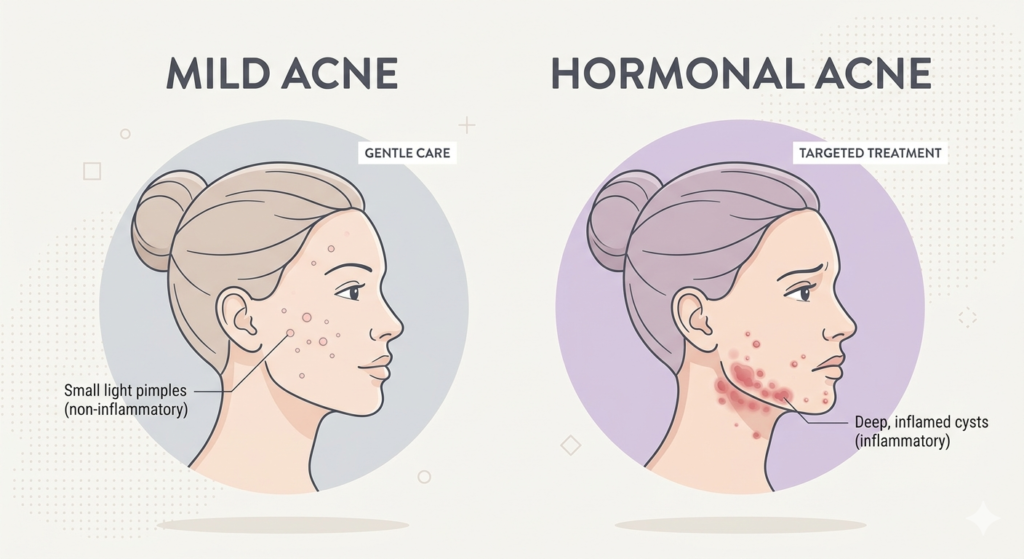
How Long Does Hormonal Acne Last?
Many adults wonder how long does hormonal acne take to heal.
Hormonal acne is often linked to:
- Menstrual cycles
- PCOS
- Pregnancy
- Menopause
- Stress-related hormone fluctuations
Average healing time: Several weeks to months
Because hormones continue to fluctuate, hormonal acne may recur even after successful treatment.
Acne Treatment Timeline: When Will You See Results?
One of the biggest frustrations people experience during acne treatment is not seeing immediate results. Whether you’re using over-the-counter products or prescription medications, it’s important to understand that acne treatments require time to work. Acne develops gradually beneath the skin, and healing also happens gradually.
Many people stop treatment too early because they assume it isn’t working. In reality, most acne medications need several weeks of consistent use before noticeable improvements appear. Understanding the typical acne treatment timeline can help you stay patient and committed to your skincare routine.
Salicylic Acid: Results Usually Appear Within 2–8 Weeks
Salicylic acid is one of the most commonly used ingredients for treating mild acne, blackheads, and whiteheads. As a beta-hydroxy acid (BHA), it penetrates deep into pores and helps dissolve excess oil, dead skin cells, and debris that contribute to clogged pores.
What Happens During Treatment?
Weeks 1–2
- Skin may feel smoother.
- Oiliness may begin to decrease.
- Existing blemishes are still visible.
- New breakouts can continue to appear.
Weeks 2–4
- Blackheads and whiteheads may become less noticeable.
- Pores may appear cleaner.
- Fewer new clogged pores begin forming.
Weeks 6–8
- Significant improvement is often visible.
- Breakouts become less frequent.
- Skin texture appears more even.
- Ongoing prevention of future acne occurs.
Salicylic acid works best when used consistently and combined with a gentle skincare routine.
Benzoyl Peroxide: Noticeable Improvements in 2–12 Weeks
Benzoyl peroxide is widely recommended because it directly targets acne-causing bacteria while also reducing inflammation. It is particularly effective for inflammatory acne, including papules and pustules.
What Happens During Treatment?
Weeks 1–2
- Mild dryness, peeling, or irritation may occur.
- Existing pimples may remain unchanged.
- Skin adjusts to the medication.
Weeks 2–4
- Redness and swelling may begin to decrease.
- Active pimples start healing faster.
- Fewer inflamed breakouts may appear.
Weeks 6–8
- Significant reduction in inflammatory acne.
- Existing blemishes heal more quickly.
- New pimples become less frequent.
Weeks 8–12
- Maximum results are often achieved.
- Skin appears clearer and less inflamed.
- Long-term maintenance becomes easier.
Because benzoyl peroxide can be drying, using a non-comedogenic moisturizer is important during treatment.
Tretinoin: A Long-Term Investment for Clearer Skin
Many people search online for how long does tretinoin take to clear acne, and the answer varies depending on acne severity, skin type, and individual response to treatment.
Tretinoin is a prescription retinoid that increases skin cell turnover, prevents clogged pores, reduces acne formation, and improves overall skin texture. It is widely considered one of the most effective long-term treatments for both acne and post-acne marks.
Weeks 1–4: The Adjustment Phase
During the first few weeks of treatment, many users experience temporary side effects as their skin adapts to tretinoin.
Common symptoms include:
Dryness
Peeling
Redness
Skin sensitivity
Mild irritation
Some people become discouraged during this stage because their skin may initially appear worse before improvements begin. This adjustment period is normal and usually temporary.
Weeks 2–8: The Purging Phase
Many users experience what’s known as tretinoin purging.
Purging occurs because tretinoin accelerates the skin’s natural renewal process. Existing clogged pores that were already forming beneath the skin are pushed to the surface more quickly, leading to temporary breakouts.
Common signs of purging include:
Increased pimples
Whiteheads appearing rapidly
Temporary worsening of acne
Breakouts in areas where acne normally occurs
Although frustrating, purging is often a sign that tretinoin is actively working to clear underlying congestion.
Read our complete guide on Tretinoin Before and After to see realistic treatment timelines and expected results.
Weeks 6–12: Visible Improvement Begins
After the initial adjustment and purging phases, many users begin noticing significant improvements in their skin.
Common benefits include:
Fewer active breakouts
Reduced oil production
Smoother skin texture
Faster healing of pimples
Less clogged pores
This is the stage when patience starts paying off and consistent use becomes increasingly rewarding.
Months 3–6: Maximum Benefits
Most people achieve their best results after several months of continuous use.
Long-term benefits may include:
Dramatically reduced acne
Improved skin tone
Fewer clogged pores
Reduced appearance of post-acne marks
Smoother overall complexion
Better prevention of future breakouts
For beginners, proper application techniques can help minimize irritation and improve treatment success.
New to tretinoin? Read our detailed Tretinoin Guide for Beginners: Uses, Benefits & Side Effects
Tretinoin requires patience and consistency, but its long-term results often make it one of the most effective acne treatments available. Many dermatologists consider it a cornerstone therapy for achieving and maintaining clearer, healthier skin. The U.S. National Library of Medicine (MedlinePlus) notes that tretinoin may take several weeks before acne improves and that temporary irritation is common during the early stages of treatment.
Oral Antibiotics: Improvement Usually Takes 6–12 Weeks
Dermatologists often prescribe oral antibiotics for moderate to severe inflammatory acne. These medications work by reducing acne-causing bacteria and decreasing inflammation within the skin.
Commonly prescribed antibiotics include:
- Doxycycline
- Minocycline
- Sarecycline
Weeks 1–4
During the first month:
- Inflammation may begin decreasing.
- Painful lesions may become less severe.
- Active acne remains visible.
Weeks 6–8
Noticeable improvements often occur:
- Fewer inflamed pimples
- Reduced redness
- Faster healing of breakouts
Weeks 8–12
Many patients experience significant improvement:
- Reduced acne severity
- Fewer cysts and nodules
- Less inflammation overall
Because antibiotics do not address underlying causes such as hormones or excess oil production, they are usually combined with topical treatments like retinoids or benzoyl peroxide.
Isotretinoin (Accutane): The Most Powerful Long-Term Acne Treatment
For severe, persistent, or cystic acne, isotretinoin is often considered the gold standard treatment.
This medication works by:
- Dramatically reducing oil production
- Preventing clogged pores
- Decreasing inflammation
- Reducing acne-causing bacteria
First Month
Many patients experience:
- Dry skin
- Dry lips
- Temporary acne flare-ups
An initial worsening phase is common and usually temporary.
Months 2–3
Early improvements often become noticeable:
- Fewer new breakouts
- Reduced oiliness
- Smaller inflammatory lesions
Months 4–6
Significant skin clearing typically occurs.
Patients often notice:
- Dramatic reduction in active acne
- Improved skin texture
- Less inflammation
Full Treatment Course: 4–8 Months
Most isotretinoin courses last between four and eight months depending on:
- Acne severity
- Dosage
- Individual response
Many patients achieve long-term remission after completing treatment, although some may require additional therapy later in life.
Why Results Vary From Person to Person
No two individuals have identical acne healing timelines. Several factors influence how quickly treatment works, including:
- Acne severity
- Hormonal influences
- Genetics
- Treatment consistency
- Skin type
- Diet and lifestyle habits
- Stress levels
Someone with mild blackheads may see improvement within a few weeks, while someone with severe cystic acne may require several months before substantial changes become visible.
Week-by-Week Acne Healing Timeline
Week 1–2
Many people experience:
- Dryness
- Irritation
- Mild purging
- Increased breakouts
This phase is often temporary.
Week 3–4
The skin may begin showing:
- Reduced inflammation
- Less redness
- Fewer new blemishes
The acne treatment results timeline is still in its early stages.
Week 6–8
At this point, many users notice:
- Faster healing
- Smaller breakouts
- Improved skin texture
Week 8–12
Significant improvements often become visible.
Many people experience:
- Fewer active lesions
- Reduced oil production
- Healthier-looking skin
Month 3–6
Most prescription treatments achieve their maximum effectiveness during this period.
Why Is My Acne Taking So Long to Heal?
Many readers ask: why is my acne taking so long to heal?
Several factors can slow recovery.
Picking and Squeezing Pimples
This can:
- Increase inflammation
- Spread bacteria
- Cause scars
- Extend healing time
Inconsistent Treatment
Switching products frequently prevents the skin from adapting and responding effectively.
Damaged Skin Barrier
Over-exfoliation and harsh products can delay skin healing after acne.
Signs include:
- Burning
- Redness
- Dryness
- Increased sensitivity
Chronic Stress
Stress increases cortisol levels, which may worsen inflammation and delay healing.
Poor Sleep
Lack of sleep affects:
- Skin repair
- Hormonal balance
- Inflammation control
How to Speed Up Acne Healing
Many people search for how to speed up acne healing. The American Academy of Dermatology recommends avoiding picking or squeezing pimples, as doing so can increase inflammation and raise the risk of permanent scarring.
While there is no overnight cure, these strategies can help.
Follow Your Treatment Consistently
The most effective acne treatments require patience and regular use.
Skipping treatments can prolong the acne recovery timeline.
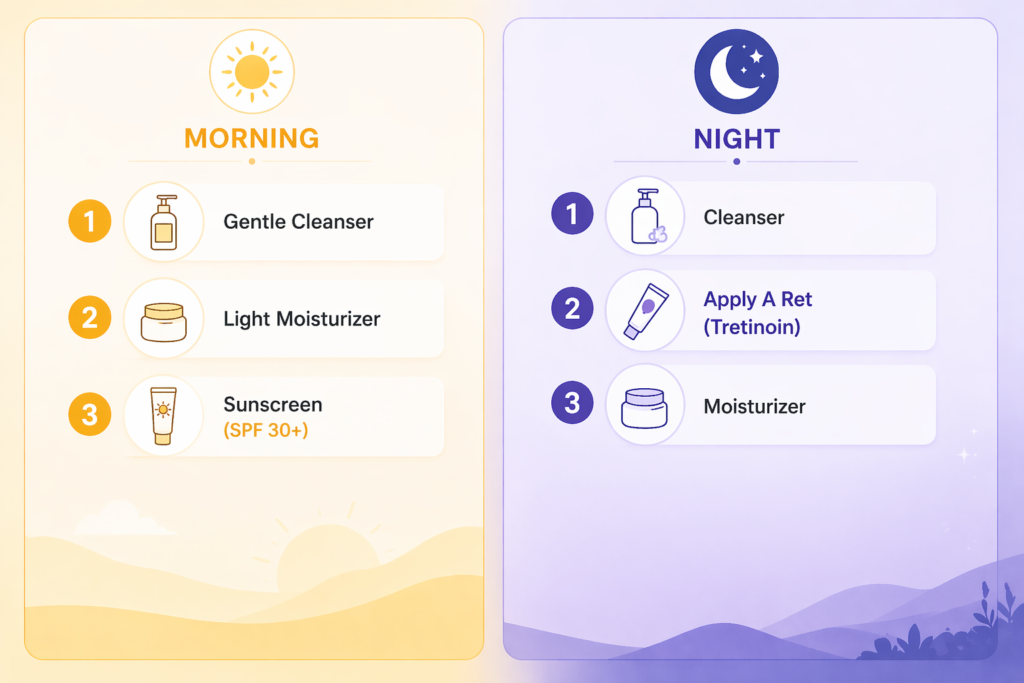
Protect Your Skin Barrier
Focus on:
- Gentle cleansing
- Daily moisturizing
- Sunscreen use
Healthy skin heals more efficiently.
Avoid Picking Pimples
This is one of the easiest ways to reduce healing time and prevent scars.
Eat a Nutrient-Rich Diet
A balanced diet supports overall skin health.
Focus on:
- Fruits
- Vegetables
- Lean proteins
- Healthy fats
Manage Stress Levels
Helpful activities include:
- Exercise
- Meditation
- Walking
- Deep breathing
How Long Do Acne Marks Take to Fade?
Many people assume their skin will immediately return to normal once acne clears. Unfortunately, that’s not always the case. Even after pimples heal, they can leave behind discoloration that lasts for weeks, months, or even longer.
These lingering marks are often mistaken for scars, but in many cases they are actually temporary changes in skin pigmentation or blood vessels. Understanding the difference can help you set realistic expectations and choose the right treatments. Research supported by the National Institutes of Health (NIH) has shown that post-inflammatory hyperpigmentation can persist for months after acne resolves, particularly in individuals with darker skin tones.
Post-Inflammatory Hyperpigmentation (PIH)
One of the most common questions people ask is: How long do acne dark spots take to fade?
Post-Inflammatory Hyperpigmentation (PIH) refers to the brown, black, or dark-colored spots that remain after an acne lesion heals. These marks develop when inflammation triggers excess melanin production in the skin.
PIH is more common in people with:
- Medium to dark skin tones
- Severe inflammatory acne
- Frequent picking or squeezing of pimples
- Delayed acne treatment
Typical PIH Timeline
The fading process depends on the depth of pigmentation and individual skin characteristics.
- Mild PIH: 3–6 months
- Moderate PIH: 6–12 months
- Severe PIH: 12 months or longer
Without treatment, some dark spots may persist for years before fully fading.
What Helps PIH Fade Faster?
Several skincare ingredients can help accelerate pigment reduction:
- Retinoids (Tretinoin, Adapalene)
- Vitamin C
- Azelaic Acid
- Niacinamide
- Chemical exfoliants such as glycolic acid
Perhaps most importantly, daily sunscreen use is essential.
Why Sunscreen Matters
UV exposure can darken existing acne marks and slow the healing process. Even brief sun exposure can make hyperpigmentation more noticeable.
Using a broad-spectrum SPF 30 or higher every day helps:
- Prevent dark spots from worsening
- Support faster fading
- Protect new skin cells during healing
For many people, sunscreen is the single most important step in treating post-acne pigmentation.
Post-Inflammatory Erythema (PIE)
Post-Inflammatory Erythema, or PIE, appears as red, pink, or purple marks left behind after inflamed acne heals.
Unlike PIH, PIE is not caused by excess pigment. Instead, it results from damage and dilation of tiny blood vessels near the skin’s surface during the inflammatory process.
PIE is more common in individuals with lighter skin tones but can affect anyone.
How Long Do Red Acne Marks Last?
Typical timeline: 3–18 months
Some mild red marks fade within a few months, while more severe inflammation can leave redness that persists for over a year.
Recovery depends on:
- Severity of inflammation
- Skin sensitivity
- Sun exposure
- Overall skin healing capacity
Because blood vessel healing is a gradual process, PIE often takes longer to resolve than people expect.
What Helps PIE Fade Faster?
Daily Sun Protection
Ultraviolet exposure can prolong redness and delay recovery.
Gentle Skincare
Harsh scrubs and aggressive treatments can worsen inflammation and extend healing time.
Retinoids
Retinoids may improve overall skin renewal and help reduce lingering redness over time.
Moisturizers
A healthy skin barrier supports faster recovery and reduces irritation.
Professional Treatments
For persistent PIE, dermatologists may recommend:
- Pulsed dye laser (PDL)
- Intense Pulsed Light (IPL)
- Vascular laser treatments
These treatments specifically target damaged blood vessels and can significantly reduce redness.
Are Acne Marks the Same as Acne Scars?
No. Many people confuse acne marks with acne scars.
Acne Marks (PIH and PIE)
- Usually flat
- Temporary
- Fade gradually over time
- Often improve with skincare
Acne Scars
- Indented or raised
- Permanent without treatment
- Caused by collagen damage during healing
- Often require professional procedures
Understanding the difference is important because acne marks usually improve naturally, whereas true scars typically require targeted treatment.
How Long Do Acne Scars Take to Heal?
A common question is: do acne scars heal on their own?
True acne scars rarely disappear completely without treatment.
Professional options include:
- Microneedling
- Laser therapy
- Chemical peels
- Subcision
When Should You See a Dermatologist?
Consider professional care if:
- Acne persists beyond 8–12 weeks
- Cystic acne develops
- Scarring occurs
- Over-the-counter products fail
- Acne causes emotional distress
Early treatment can prevent long-term complications.
Best Treatments for Faster Acne Recovery
Depending on severity, treatment options may include:
- Retinoids
- Benzoyl peroxide
- Salicylic acid
- Hormonal therapies
- Oral antibiotics
- Isotretinoin
Final Thoughts
So, how long does acne take to heal? Mild acne may improve within a few weeks, while severe cystic acne can take several months to resolve. Most treatments require at least 6–12 weeks before significant results appear.
Understanding the acne healing timeline, following a consistent skincare routine, and avoiding common mistakes can dramatically improve recovery. Whether you’re dealing with occasional pimples or persistent hormonal acne, patience and consistency remain the keys to long-term success.
By focusing on the right treatment plan and supporting your skin’s natural healing process, you can achieve clearer, healthier skin over time. For additional evidence-based information on acne causes, treatment options, and skin healing, readers can explore educational resources from the National Institute of Arthritis and Musculoskeletal and Skin Diseases (NIAMS).
❓ FAQs
How long does acne take to heal?
Mild acne such as whiteheads and small pimples may heal within 1–2 weeks, while moderate acne can take several weeks. Severe cystic acne may require several months of treatment before significant improvement occurs.
How long does cystic acne take to heal?
Cystic acne typically takes 6–12 weeks or longer to heal because it develops deep beneath the skin. Severe cases often require prescription treatments from a dermatologist.
How long does tretinoin take to clear acne?
Most people begin noticing improvement from tretinoin after 6–12 weeks of consistent use. Maximum results are usually achieved after 3–6 months.
Why is my acne taking so long to heal?
Acne may heal slowly due to hormonal imbalances, severe inflammation, inconsistent treatment, stress, poor sleep, skin picking, or an impaired skin barrier.
How can I make acne heal faster?
You can support faster healing by following a consistent skincare routine, avoiding picking pimples, using dermatologist-recommended treatments, wearing sunscreen daily, and maintaining healthy lifestyle habits.
How long do acne dark spots take to fade?
Post-inflammatory hyperpigmentation (PIH) usually fades within 3–12 months, although deeper pigmentation may take longer depending on skin type and sun exposure.
Related Products
-
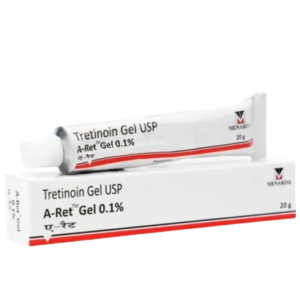
A Ret 0.01% (Tretinoin) Gel
$60.00 – $176.00Price range: $60.00 through $176.00 Select options This product has multiple variants. The options may be chosen on the product page -
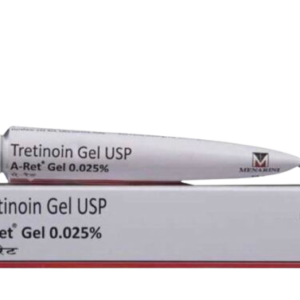
A Ret 0.025% (Tretinoin) Gel
$43.00 – $125.00Price range: $43.00 through $125.00 Select options This product has multiple variants. The options may be chosen on the product page -
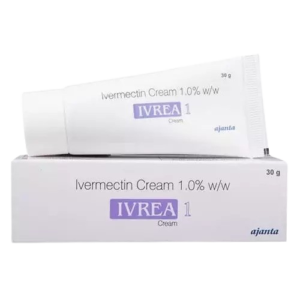
Ivermectin Cream 1.0% w/w
$78.00 – $154.00Price range: $78.00 through $154.00 Select options This product has multiple variants. The options may be chosen on the product page -
Isotretinoin 10mg (Tretiva) Capsules
$43.00 – $123.00Price range: $43.00 through $123.00 Select options This product has multiple variants. The options may be chosen on the product page

Dr. Emily Carter specializes in evidence-based health education and wellness content. She focuses on simplifying complex medical topics related to cancer awareness, nutrition, preventive healthcare, skincare, and lifestyle wellness for readers worldwide.
This content is reviewed for medical accuracy, clarity, and alignment with current public health research. The article is intended for educational and informational purposes only and should not replace professional medical advice, diagnosis, or treatment.