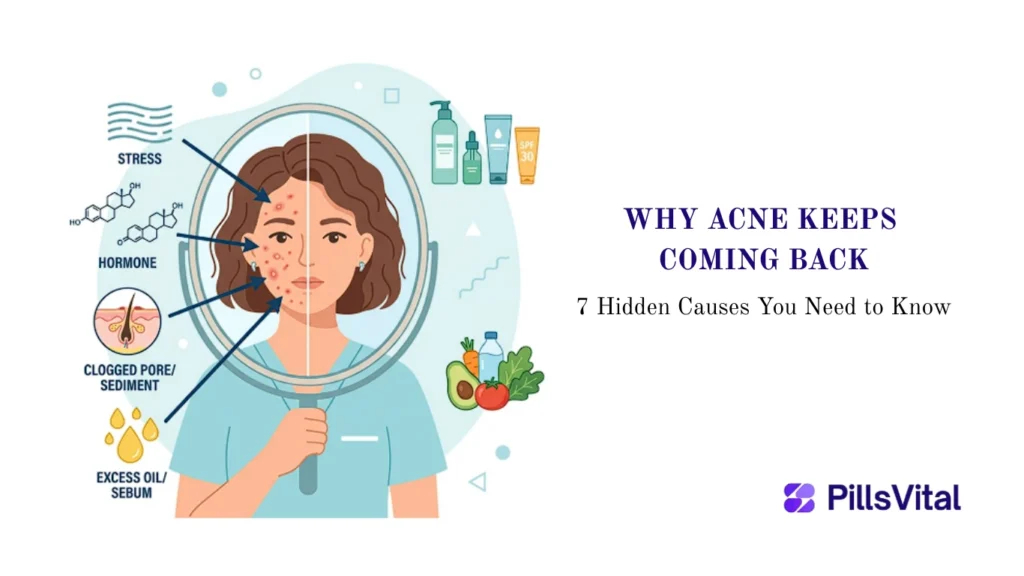
Acne can be frustrating, especially when you’re doing everything you can to achieve clearer skin. Many people invest in cleansers, serums, spot treatments, and prescription medications, yet continue experiencing breakouts.
In many cases, the problem isn’t a lack of skincareβit’s the presence of habits that unintentionally make acne worse.
Certain skincare mistakes can damage the skin barrier, increase inflammation, clog pores, and delay healing. Understanding these common errors can help you build a routine that supports healthier skin instead of working against it.
According to the American Academy of Dermatology (AAD), consistent, gentle skincare is often more effective than aggressive treatments that irritate the skin.
Why Skincare Habits Matter for Acne
Acne develops when pores become clogged with oil, dead skin cells, and bacteria. While genetics and hormones play major roles, daily skincare choices can influence how severe breakouts become.
Using inappropriate products or following harsh routines may:
- Increase inflammation
- Trigger excess oil production
- Damage the skin barrier
- Cause irritation
- Slow healing
The good news is that many acne-aggravating habits can be corrected quickly.
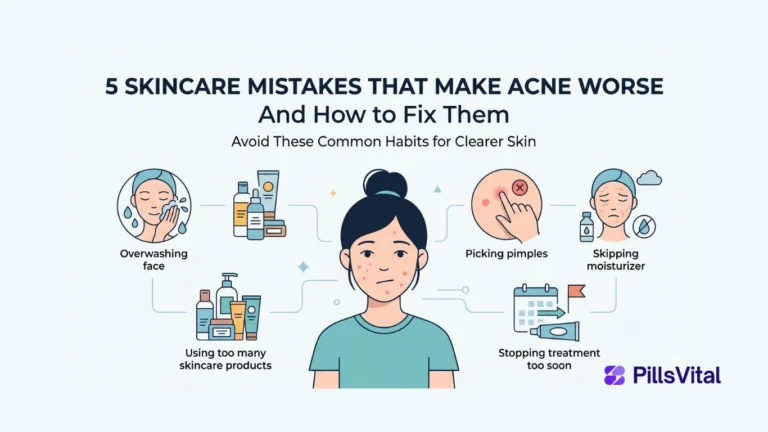
Mistake #1: Overwashing Your Face
One of the most common misconceptions about acne is that breakouts occur because the skin is dirty. As a result, many people wash their faces multiple times throughout the day, believing that removing oil more frequently will prevent pimples.
Unfortunately, acne is not caused by poor hygiene. Acne develops when excess oil, dead skin cells, bacteria, and inflammation combine to clog pores. While cleansing is important, excessive washing can actually worsen many of the factors that contribute to acne.
Why Overwashing Makes Acne Worse
The skin has a natural protective barrier that helps retain moisture and defend against environmental irritants. When you wash your face too often or use harsh cleansers, this barrier can become damaged.
Overwashing may:
- Strip away natural oils that protect the skin
- Disrupt the skin’s moisture balance
- Increase dryness and tightness
- Trigger irritation and redness
- Cause the skin to produce more oil as compensation
This phenomenon, often called rebound oil production, can create an environment where clogged pores and new breakouts become more likely.
Many people mistakenly interpret increased oiliness as a sign that they need to cleanse even more frequently, creating a cycle that can be difficult to break.
What to Do Instead
Dermatologists generally recommend a gentle cleansing routine that removes excess oil and impurities without damaging the skin barrier.
Best practices include:
- Washing your face twice daily
- Cleansing after excessive sweating
- Using a gentle, non-comedogenic cleanser
- Avoiding harsh scrubs and cleansing brushes
- Patting the skin dry instead of rubbing
A simple and consistent cleansing routine is usually far more effective than aggressive washing when it comes to managing acne.
Mistake #2: Using Too Many Acne Products at Once
When acne does not improve quickly, many people assume they need stronger treatments or more products. It is common to see individuals layering multiple active ingredients together in hopes of accelerating results.
Examples include:
- Salicylic acid cleansers
- Benzoyl peroxide spot treatments
- Tretinoin creams
- Glycolic acid exfoliants
- Acne patches
- Multiple serums
While each of these products may be beneficial individually, using too many powerful ingredients simultaneously can overwhelm the skin.
Why Using Too Many Products Makes Acne Worse
Every active ingredient has the potential to cause irritation, especially when combined with other acne treatments.
Overloading the skin can lead to:
- Excessive redness
- Peeling and flaking
- Burning sensations
- Increased sensitivity
- Skin barrier damage
- Greater inflammation
When the skin barrier becomes compromised, acne treatments may become more difficult to tolerate. Inflammation increases, healing slows down, and breakouts may appear worse despite ongoing treatment.
Many people mistakenly believe their acne is worsening naturally when, in reality, their skin is reacting to excessive irritation.
What to Do Instead
A successful acne routine does not need to be complicated.
Instead of introducing several products at once:
- Add new treatments gradually
- Introduce one active ingredient at a time
- Allow 4β6 weeks before evaluating results
- Monitor how your skin responds
- Prioritize skin barrier health
Patience is essential because most acne treatments require consistent use before visible improvements appear.
New to retinoids? Read our complete guide on Tretinoin Guide for Beginners to learn how to introduce tretinoin safely into your skincare routine.
Mistake #3: Picking and Popping Pimples
Few skincare habits are as temptingβor as harmfulβas picking at pimples.
When a blemish appears, many people feel compelled to squeeze it immediately in hopes of making it disappear faster. Unfortunately, this habit often creates additional skin damage and prolongs recovery.
Why Picking Pimples Makes Acne Worse
When you squeeze or pick at a pimple, you apply pressure that can force bacteria, oil, and inflammatory material deeper into the skin.
This can result in:
- Increased inflammation
- Delayed healing
- Greater redness and swelling
- Skin infections
- Post-inflammatory hyperpigmentation
- Permanent acne scars
Even if a pimple appears to improve temporarily after being squeezed, the surrounding tissue often experiences additional trauma that extends the healing process.
According to the American Academy of Dermatology (AAD), popping pimples can increase the likelihood of permanent scarring and skin discoloration.
What to Do Instead
Allow blemishes to heal naturally whenever possible.
Helpful alternatives include:
- Benzoyl peroxide spot treatments
- Hydrocolloid acne patches
- Ice for temporary inflammation reduction
- Dermatologist-approved topical medications
While waiting for a pimple to heal can be frustrating, patience often results in better cosmetic outcomes and fewer long-term skin concerns.
Mistake #4: Skipping Moisturizer Because Your Skin Is Oily
Many people with acne assume that moisturizer will make their skin oilier and trigger additional breakouts.
As a result, they avoid moisturizing altogether.
In reality, oily skin still requires hydration to function properly.
Why Skipping Moisturizer Makes Acne Worse
Choose moisturizers specifically designed for acne-prone skin.
Look for products labeled:
- Oil-free
- Non-comedogenic
- Lightweight
- Fragrance-free
- Acne-safe
Modern moisturizers are formulated to provide hydration without blocking pores or worsening breakouts.
Maintaining proper hydration can actually improve the effectiveness and tolerability of acne treatments such as benzoyl peroxide and tretinoin.
What to Do Instead
Dermatologists generally recommend a gentle cleansing routine that removes excess oil and impurities without damaging the skin barrier.
Best practices include:
- Washing your face twice daily
- Cleansing after excessive sweating
- Using a gentle, non-comedogenic cleanser
- Avoiding harsh scrubs and cleansing brushes
- Patting the skin dry instead of rubbing
A simple and consistent cleansing routine is usually far more effective than aggressive washing when it comes to managing acne.
Mistake #5: Quitting Treatment Too Soon
One of the biggest reasons acne treatments fail is not because the products are ineffective, but because they are discontinued before they have enough time to work.
Many people expect visible improvement within days or weeks. When results do not appear immediately, they switch products or stop treatment altogether.
Why Quitting Early Makes Acne Worse
Acne treatments work gradually by targeting underlying processes such as:
- Excess oil production
- Inflammation
- Bacterial growth
- Clogged pores
These changes take time.
Stopping treatment prematurely often means:
- Existing breakouts continue
- New pimples continue forming
- Inflammation remains active
- Progress is lost
- The acne cycle restarts
This can create a frustrating pattern where individuals repeatedly switch products without giving any treatment enough time to demonstrate its effectiveness.
What to Do Instead
Consistency is one of the most important factors in successful acne management.
Most treatments require:
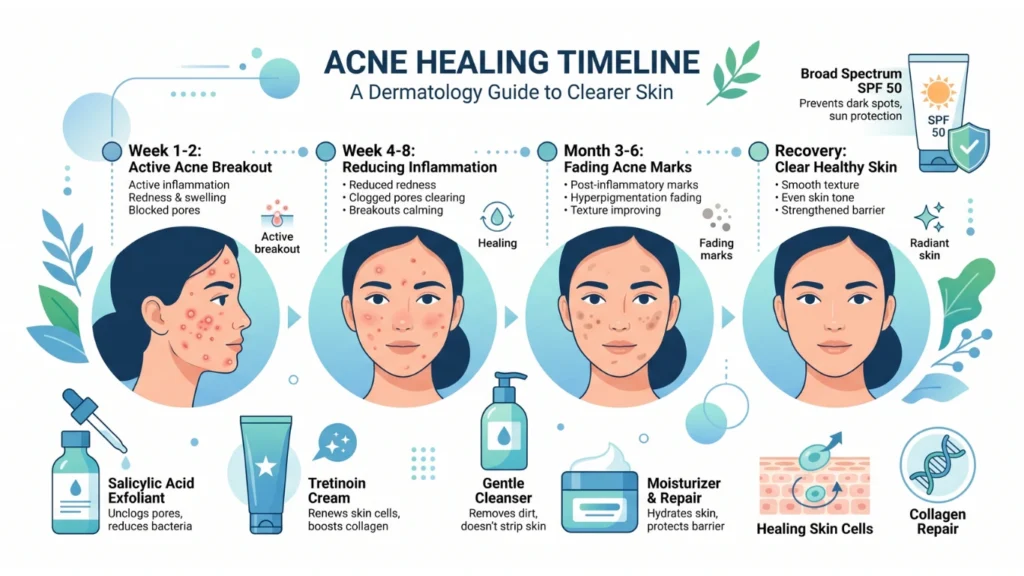
- 6β12 weeks before visible improvement
- Several months for optimal results
- Ongoing maintenance to prevent recurrence
The U.S. National Library of Medicine (MedlinePlus) notes that tretinoin and other retinoid treatments often require weeks or months before maximum benefits become apparent.
MedlinePlus explains that tretinoin may take several weeks before acne begins improving and longer before full results are achieved: Sticking with your treatment plan and maintaining realistic expectations can significantly improve your chances of achieving clearer, healthier skin over the long term.
Signs Your Skincare Routine May Be Causing Acne Problems
Your routine may need adjustment if you experience:
- Persistent redness
- Burning sensations
- Excessive peeling
- Tightness after cleansing
- Frequent irritation
- Worsening breakouts after introducing multiple products
Listening to your skin is just as important as following trends.
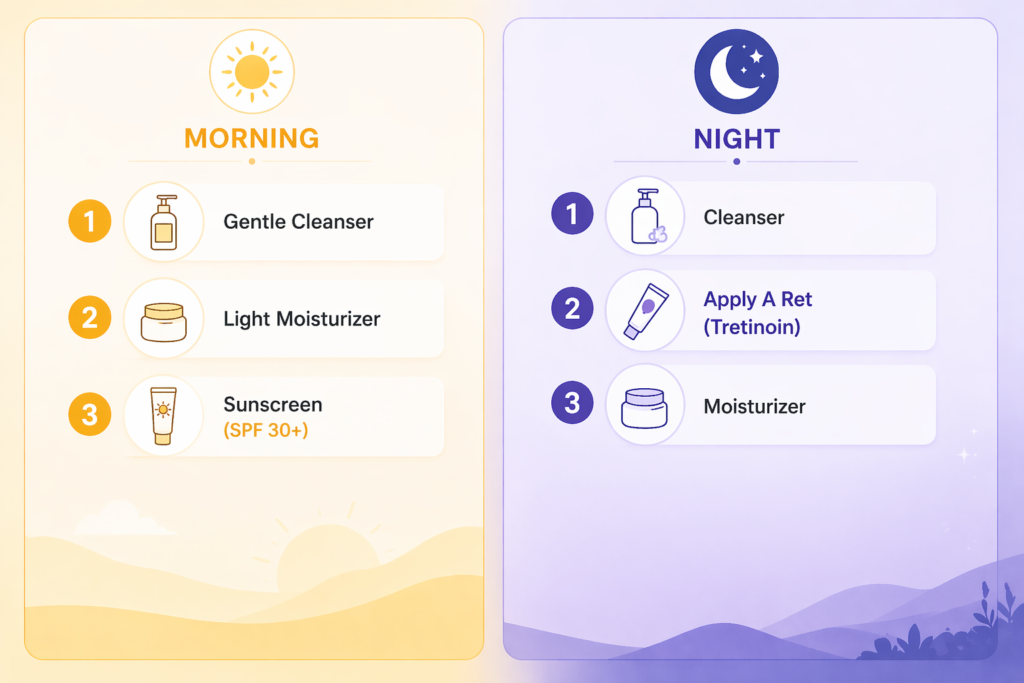
How to Build an Acne-Friendly Skincare Routine
A simple routine is often the most effective.
Morning
- Gentle cleanser
- Lightweight moisturizer
- Broad-spectrum sunscreen
Evening
- Gentle cleanser
- Acne treatment
- Moisturizer
Consistency matters more than complexity.
When Should You See a Dermatologist?
Consider professional help if:
- Acne remains persistent
- Breakouts are painful or cystic
- Scarring develops
- Over-the-counter products fail
Early treatment can reduce the risk of long-term skin damage.
Final Thoughts
Many acne sufferers unknowingly make skincare mistakes that keep breakouts active and delay healing. Overwashing, using too many products, picking pimples, skipping moisturizer, and quitting treatment too early are among the most common errors.
By simplifying your routine, protecting your skin barrier, and remaining consistent with treatment, you can give your skin the best opportunity to heal and stay clear.
Remember that successful acne treatment is usually a marathonβnot a sprint.
β FAQs
What skincare mistakes make acne worse?
Common skincare mistakes that can worsen acne include overwashing the face, using too many acne products at once, picking pimples, skipping moisturizer, and stopping treatment too early.
Can washing your face too much cause acne?
Yes. Overwashing can damage the skin barrier, cause irritation, and trigger increased oil production, which may contribute to more breakouts.
Why does picking pimples make acne worse?
Picking or popping pimples can push bacteria deeper into the skin, increase inflammation, delay healing, and raise the risk of acne scars and dark spots.
Should people with oily skin use moisturizer?
Yes. Oily skin still needs hydration. Using a lightweight, non-comedogenic moisturizer can help maintain a healthy skin barrier without clogging pores.
How long should I wait before deciding if an acne treatment works?
Most acne treatments require at least 6 to 12 weeks of consistent use before noticeable improvement occurs. Some treatments may take several months to achieve maximum results.
Can using too many acne products damage my skin?
Yes. Combining multiple active ingredients can cause redness, peeling, irritation, and skin barrier damage, which may make acne appear worse.
Related Products
-

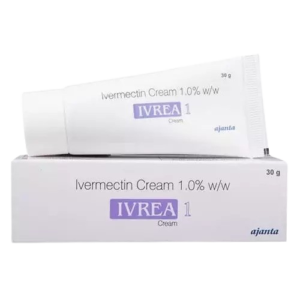
Ivermectin Cream 1.0% w/w
$78.00 – $154.00Price range: $78.00 through $154.00 Select options This product has multiple variants. The options may be chosen on the product page -
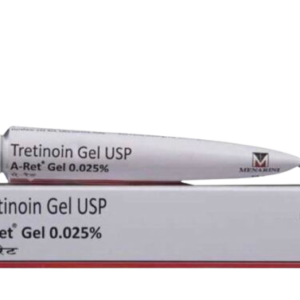
A Ret 0.01% (Tretinoin) Gel
$60.00 – $176.00Price range: $60.00 through $176.00 Select options This product has multiple variants. The options may be chosen on the product page -
A Ret 0.025% (Tretinoin) Gel
$43.00 – $125.00Price range: $43.00 through $125.00 Select options This product has multiple variants. The options may be chosen on the product page -
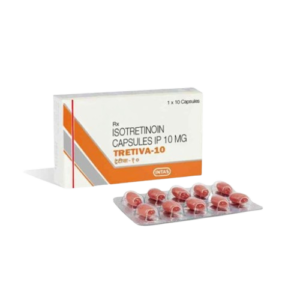
Isotretinoin 10mg (Tretiva) Capsules
$43.00 – $123.00Price range: $43.00 through $123.00 Select options This product has multiple variants. The options may be chosen on the product page
π©Ί Related Acne Guides

Dr. Emily Carter specializes in evidence-based health education and wellness content. She focuses on simplifying complex medical topics related to cancer awareness, nutrition, preventive healthcare, skincare, and lifestyle wellness for readers worldwide.
This content is reviewed for medical accuracy, clarity, and alignment with current public health research. The article is intended for educational and informational purposes only and should not replace professional medical advice, diagnosis, or treatment.