
Why Poor Sleep Makes You Gain Weight: The Hidden Role of Leptin & Ghrelin Hormones
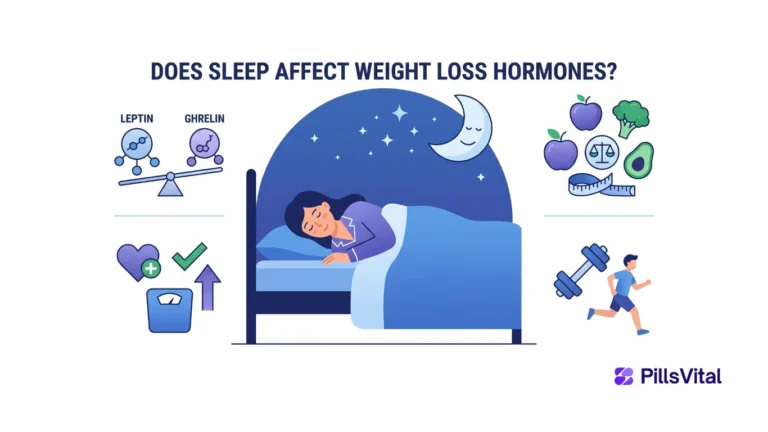
Sleep doesn’t just refresh your mind—it directly controls your weight loss hormones, especially leptin and ghrelin. If you are trying to lose fat but struggling with constant hunger, cravings, or slow progress, poor sleep may be a hidden reason.
This is especially important for people searching for “why I feel hungry even after eating”, “hormonal weight gain at night”, or “how sleep affects belly fat loss naturally.” According to the Harvard Health sleep and weight loss guide, inadequate sleep can disrupt hunger-regulating hormones and increase appetite, leading to weight gain over time.
What Happens to Your Body When You Sleep?
Sleep is a hormonal reset period. During deep sleep, your body:
- Balances hunger hormones
- Repairs metabolism
- Regulates insulin sensitivity
- Controls appetite signals in the brain
When sleep is cut short or poor in quality, this entire system gets disturbed.
Understanding Leptin and Ghrelin (Simple Breakdown)
Leptin – The “Fat Control & Fullness Hormone”
Leptin is released from fat cells and tells your brain:
“You have enough energy stored. Stop eating.”
Healthy leptin levels mean:
- You feel full after meals
- You don’t snack unnecessarily
- Your body uses stored fat efficiently
Low leptin symptoms:
- Constant hunger
- Overeating even after meals
- Difficulty losing weight
Ghrelin – The “Late Night Hunger Hormone”
Ghrelin is produced in your stomach and signals: “Eat now. You need energy.”
High ghrelin causes:
- Sudden hunger spikes
- Night-time snacking cravings
- Strong desire for sugary or fried foods
How Poor Sleep Disrupts Weight Loss Hormones
When you don’t get 7–9 hours of quality sleep, your hormonal balance shifts in the wrong direction.
Hormonal changes after poor sleep:
- Leptin ↓ (you feel less full)
- Ghrelin ↑ (you feel hungrier)
- Cortisol ↑ (stress hormone increases fat storage)
This creates a perfect condition for uncontrolled eating and belly fat gain.
Hidden Effects of Sleep Deprivation on Weight Loss
Most people think hunger is controlled only by diet—but sleep affects multiple fat-loss systems at once, not just appetite. When sleep is poor, your brain, hormones, and metabolism all shift into a “survival mode,” which increases fat storage and cravings. According to the CDC sleep and health guide, insufficient sleep can negatively impact metabolism, hormone regulation, and appetite control, all of which are directly linked to weight gain.
1. “Fake Hunger” Problem (Hormonal Hunger Confusion)
When you don’t sleep enough, your body misreads hunger signals.
What actually happens:
- Ghrelin increases → sends strong “eat now” signals
- Leptin decreases → reduces fullness feeling
- Brain’s appetite control center becomes less accurate
Result:
You feel hungry even when your stomach has enough energy stored.
Real-life example:
- You just ate dinner
- After 1–2 hours, you still feel hungry
- You reach for snacks even though you don’t need food
Why it feels “real”:
This is not emotional hunger—it is hormonal miscommunication caused by sleep loss.
2. Late-Night Cravings Cycle (Reward Brain Activation)
Poor sleep doesn’t just increase hunger—it changes what you crave.
Brain changes during sleep deprivation:
- Increased activity in the reward system (dopamine pathway)
- Reduced self-control in the prefrontal cortex
- Higher sensitivity to high-calorie food images and smells
Resulting cravings:
- Chocolates 🍫
- Chips 🍟
- Fast food 🍔
- Sugary drinks 🥤
Why this happens:
Your brain tries to quickly restore energy by pushing you toward fast-digesting, high-calorie foods.
The cycle:
- Poor sleep
- Strong cravings
- Junk food intake
- Blood sugar spikes
- Energy crash → more cravings
This becomes a repeating loop called the sleep-craving cycle.
3. Slower Fat Burning (Metabolic Downshift)
Sleep is when your body repairs metabolism and burns fat efficiently.
When sleep is insufficient:
- Fat oxidation decreases
- Metabolic rate slows down
- Muscle recovery is reduced
- Insulin sensitivity becomes weaker
What “fat oxidation” means:
It is your body’s ability to burn stored fat for energy.
With poor sleep:
- Body prefers carbohydrates instead of fat for energy
- Fat burning becomes less efficient even at rest
Result:
Even if calorie intake stays the same:
- Fat loss slows down
- Weight loss plateaus occur
4. Belly Fat Storage Pattern (Stress + Cortisol Effect)
Poor sleep increases a stress hormone called cortisol.
What cortisol does:
- Increases fat storage around the abdomen
- Raises blood sugar levels
- Encourages energy storage instead of burning
Why belly fat is affected most:
Abdominal fat cells are more sensitive to cortisol compared to other areas.
Combined effect:
- High cortisol
- Low leptin (less fullness)
- High ghrelin (more hunger)
👉 This combination leads to persistent belly fat even when eating controlled calories.
Research Insight (Simple Version)
Studies show that people sleeping less than 6 hours:
- Eat 300–500 extra calories daily
- Have higher ghrelin levels (up to +15–20%)
- Experience reduced leptin signaling
- Gain weight even without changing diet
This is why many people search: “why am I gaining weight even though I don’t eat much”
Why Sleep Matters More Than Diet Sometimes
Even if you follow:
- Clean eating
- Gym workouts
- Calorie deficit
Poor sleep can override your efforts by:
- Increasing hunger signals
- Reducing self-control
- Triggering emotional eating
So fat loss becomes harder even with discipline. According to the NIH sleep deprivation research, lack of sleep can impair decision-making, increase appetite hormones, and reduce metabolic efficiency, making fat loss significantly harder even when diet and exercise are consistent.
Signs Your Hormones Are Disrupted by Poor Sleep
You may notice:
- Constant hunger after meals
- Night cravings (especially sugar)
- Morning fatigue + food cravings
- Weight loss plateau despite diet
- Irritability and mood swings
- Belly fat not reducing
These are classic signs of sleep-related hormonal imbalance weight gain.
How to Fix Leptin & Ghrelin Naturally (Sleep-Based Strategy)
Improving sleep quality is one of the most effective ways to restore balance between leptin and ghrelin hormones. When your sleep cycle is stable, your body naturally regulates hunger, cravings, and fat storage without extreme dieting.
Below is a detailed explanation of each habit and how it directly supports hormone balance and weight loss.
1. Maintain Fixed Sleep Timing (Stabilize Your Hormonal Clock)
Your body runs on a circadian rhythm, which is like an internal 24-hour clock controlling hormones, metabolism, and digestion.
When your sleep timing changes daily:
- Leptin levels become unstable (reduced fullness signals)
- Ghrelin spikes at random times (false hunger)
- Cortisol remains elevated (stress and fat storage)
What happens when you fix sleep timing:
- Your brain learns a predictable sleep pattern
- Hunger hormones release at correct times
- Night cravings gradually reduce
- Metabolism becomes more efficient
Practical rule:
Try to sleep and wake up within the same 1-hour window every day, even on weekends.
2. Reduce Blue Light Exposure Before Bed (Improve Melatonin Production)
Blue light from phones, laptops, and TVs delays the release of melatonin, the hormone responsible for sleep initiation.
When melatonin is suppressed:
- You stay alert longer than needed
- Sleep quality becomes shallow
- Hormonal recovery is incomplete
Impact on leptin and ghrelin:
Poor melatonin indirectly disrupts:
- Leptin recovery (you feel less satisfied the next day)
- Ghrelin control (increased hunger signals)
Better approach:
- Avoid screens at least 45–60 minutes before sleep
- Dim room lighting in the evening
- Replace scrolling with calming activities like reading or stretching
3. Avoid Late-Night Eating (Prevent Ghrelin Confusion)
Eating late at night confuses your body’s natural hunger rhythm.
At night, your metabolism naturally slows down because the body is preparing for rest.
When you eat late:
- Ghrelin signaling becomes irregular
- Insulin sensitivity drops
- Excess energy is more likely stored as fat
- Digestion interferes with deep sleep cycles
Long-term effect:
Your body starts associating night time with eating, increasing cravings even when you are not hungry.
Best practice:
- Finish dinner at least 2–3 hours before bedtime
- If hungry late night, it is often hormonal, not actual energy need
4. Calm Your Nervous System Before Sleep (Reduce Cortisol and Stress Load)
Stress is one of the biggest disruptors of sleep hormones. When your nervous system is overactive, your body stays in “alert mode,” preventing proper recovery.
High stress leads to:
- Increased cortisol (fat storage hormone)
- Reduced leptin effectiveness (weak fullness signals)
- Increased ghrelin sensitivity (strong hunger signals)
Why calming the nervous system matters:
It signals your body that it is safe to rest, allowing hormone balance to reset properly.
Effective calming methods:
- Deep breathing exercises (slow and controlled breathing patterns)
- Light stretching to release muscle tension
- Herbal teas without caffeine to support relaxation
- Quiet, low-stimulation environment before bed
Over time, these habits train your body to enter sleep faster and stay in deeper sleep cycles.
5. Get Morning Sunlight (Reset Circadian Rhythm and Hunger Hormones)
Morning sunlight is one of the most powerful natural regulators of your body clock.
When your eyes are exposed to natural light in the morning:
- Your circadian rhythm resets correctly
- Melatonin production is timed properly for night
- Cortisol levels become balanced throughout the day
Effect on weight loss hormones:
- Leptin signaling becomes more stable
- Ghrelin spikes reduce during the day
- Appetite becomes more predictable and controlled
Additional benefit:
Morning sunlight also improves energy levels, reducing the need for sugary snacks or caffeine dependency.
Simple guideline:
Spend 10–20 minutes in natural sunlight within the first hour of waking up.
Can Supplements Help Sleep & Weight Loss Hormones?
In some cases, yes—especially when sleep quality is poor.
People often search:
- “best supplements for sleep and weight loss hormones”
- “natural ways to control nighttime hunger cravings”
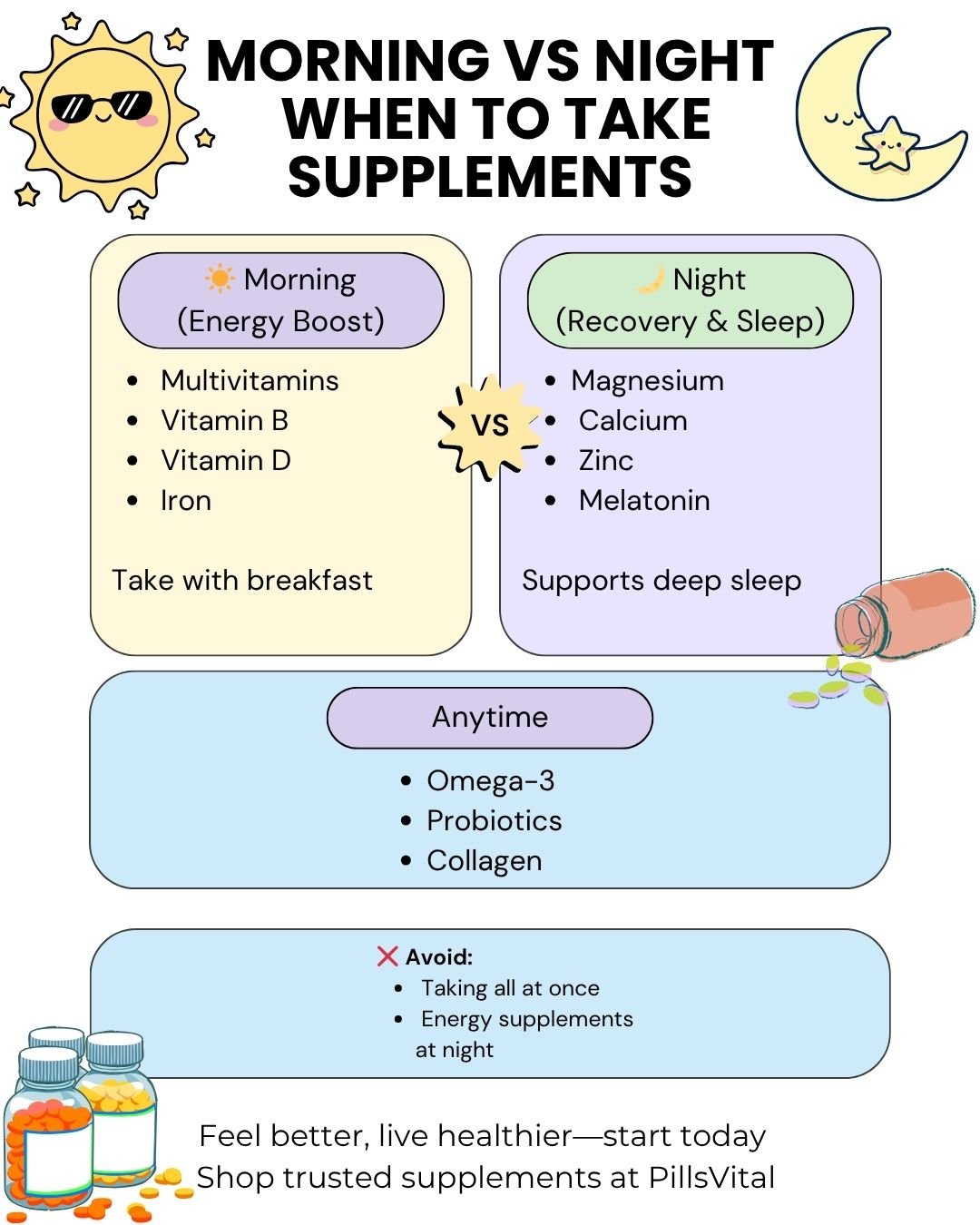
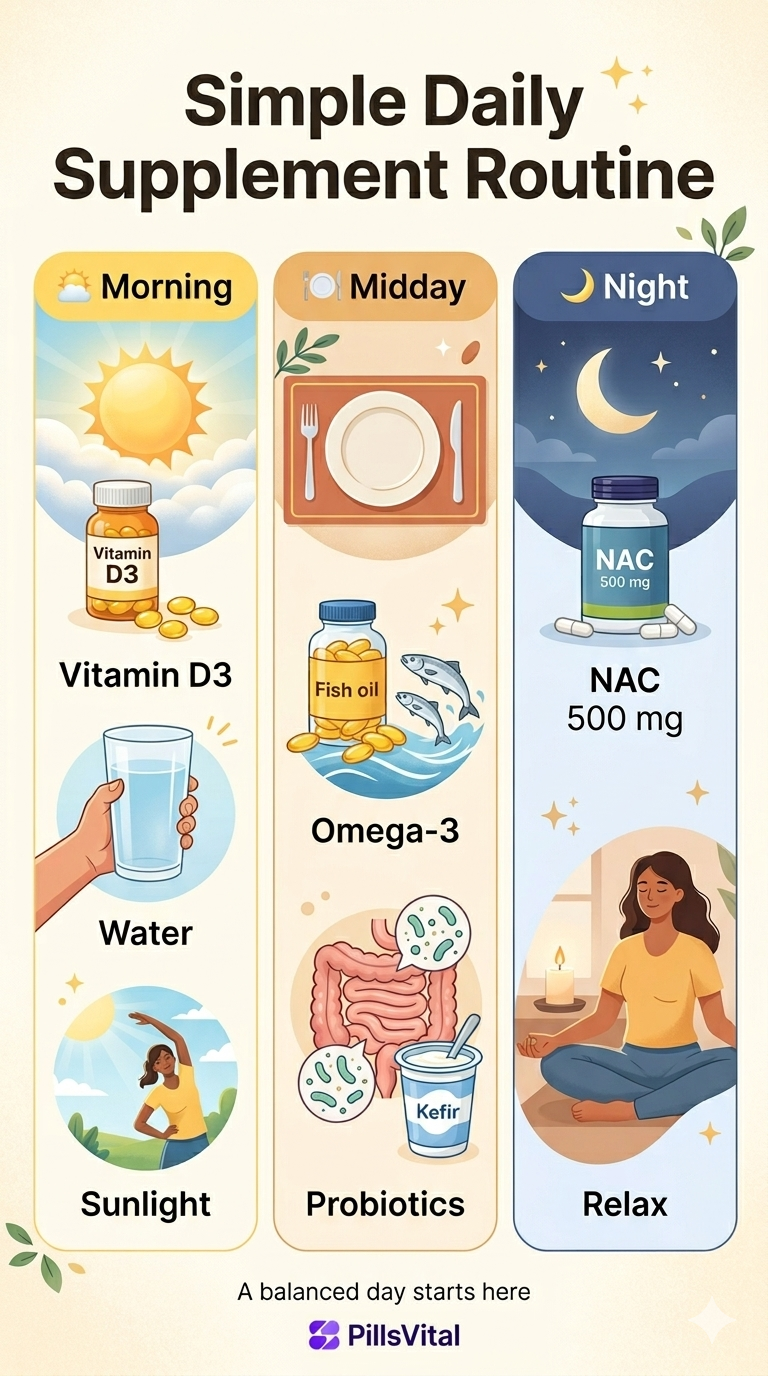
Helpful nutrients may include:
- Magnesium (relaxation & sleep quality)
- Vitamin D3 (hormonal balance support)
- Melatonin (sleep cycle regulation, short-term use only)
👉 Related reading: Best Sleep & Recovery Supplements
Key Takeaway
Sleep is not just rest—it is a hormonal control system for fat loss.
When sleep is poor:
- Leptin decreases → you feel less full
- Ghrelin increases → you feel more hungry
- Cortisol rises → fat storage increases
When sleep improves:
- Hunger reduces naturally
- Cravings decrease
- Fat loss becomes easier without extra effort
❓ FAQs
How does sleep affect leptin and ghrelin hormones?
Poor sleep reduces leptin (fullness hormone) and increases ghrelin (hunger hormone), leading to increased appetite, cravings, and weight gain.
Can lack of sleep cause weight gain even if I eat healthy?
Yes. Even with a healthy diet, poor sleep can increase hunger hormones and stress hormones, causing overeating and slower fat metabolism.
How many hours of sleep are needed for weight loss?
Most adults need 7–9 hours of quality sleep to maintain balanced leptin and ghrelin levels and support healthy fat loss.
Why do I feel more hungry at night when I don’t sleep well?
Sleep deprivation increases ghrelin and reduces leptin, making your brain signal hunger even when your body does not need food.
Can improving sleep help reduce belly fat?
Yes. Better sleep reduces cortisol and balances hunger hormones, which can help reduce fat storage, especially around the abdomen.
What are the best habits to balance sleep hormones naturally?
Fixed sleep timing, reducing blue light before bed, avoiding late-night eating, calming the nervous system, and getting morning sunlight help regulate sleep hormones.

Dr. Emily Carter specializes in evidence-based health education and wellness content. She focuses on simplifying complex medical topics related to cancer awareness, nutrition, preventive healthcare, skincare, and lifestyle wellness for readers worldwide.
This content is reviewed for medical accuracy, clarity, and alignment with current public health research. The article is intended for educational and informational purposes only and should not replace professional medical advice, diagnosis, or treatment.