What Are Statins? Uses, Benefits, Side Effects & Safety
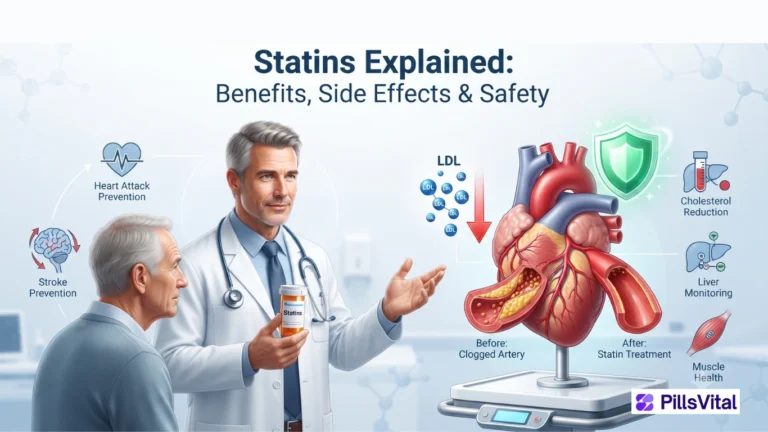
Statins are prescription medicines used to lower LDL cholesterol and reduce the risk of heart attack and stroke in people who may benefit from cholesterol-lowering treatment. They work mainly by reducing cholesterol production in the liver and increasing the liver’s ability to remove LDL cholesterol from the blood.
Doctors may prescribe statins for people with high LDL cholesterol, established cardiovascular disease, diabetes, familial hypercholesterolemia, or an elevated risk of heart attack and stroke. Whether statin therapy is appropriate depends on a person’s overall cardiovascular risk, medical history, cholesterol levels, and other factors.
If you are wondering what statins do, what statins are used for, whether statins are safe, or what side effects they can cause, this guide explains the benefits, risks, common types, how they work, and important safety considerations.
Important: Statins are prescription medicines. Do not start, stop, or change a statin dose without discussing it with a qualified healthcare professional.
What Do Statins Do?
Statins lower LDL (“bad”) cholesterol by reducing cholesterol production in the liver and helping the liver remove more LDL cholesterol from the bloodstream. Lowering LDL can slow the buildup of cholesterol-containing plaque in arteries and reduce the risk of cardiovascular events in people who are at increased risk.
What Do Statins Do to Your Body?
The main effect of statins is to reduce LDL cholesterol in the blood. Lower LDL can reduce the amount of cholesterol available to contribute to plaque formation in arteries.
Statin therapy can therefore help reduce the risk of heart attack and ischemic stroke in people who are at increased cardiovascular risk. Statins are generally well tolerated, although side effects can occur.
The decision to use a statin should be based on an individual’s cardiovascular risk and discussed with a healthcare professional.
What Do Statins Do to Cholesterol?
Statins lower LDL (“bad”) cholesterol by reducing the amount of cholesterol produced by the liver and helping the liver remove more LDL cholesterol from the bloodstream. They can also lower triglyceride levels and may slightly increase HDL (“good”) cholesterol in some people. By lowering LDL cholesterol, statin therapy can help reduce the risk of heart attack and stroke in people who are at increased cardiovascular risk.
What Are Statins?
Statins are a class of prescription cholesterol medicines called HMG-CoA reductase inhibitors. They are commonly used to lower LDL cholesterol and reduce cardiovascular risk.
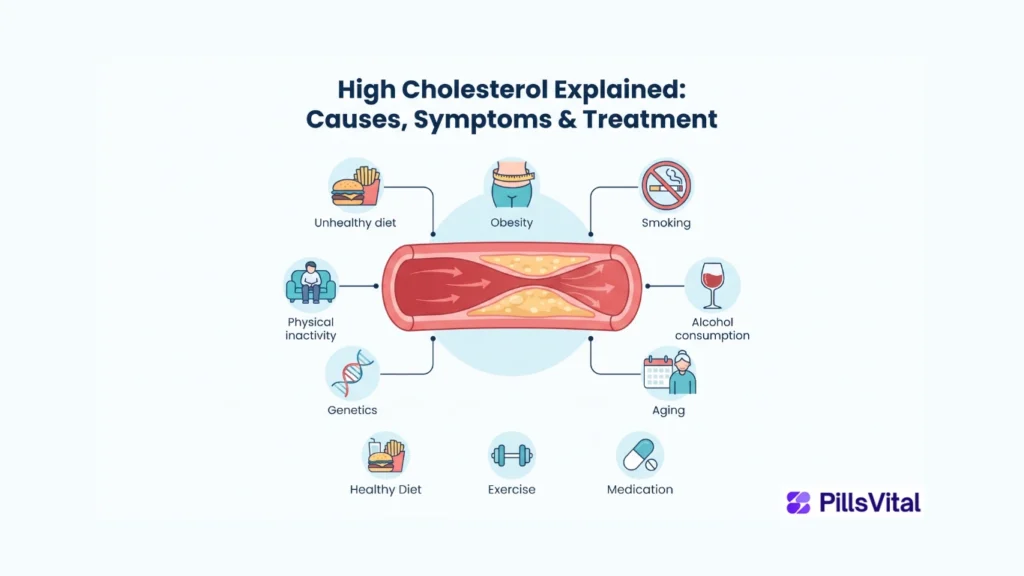
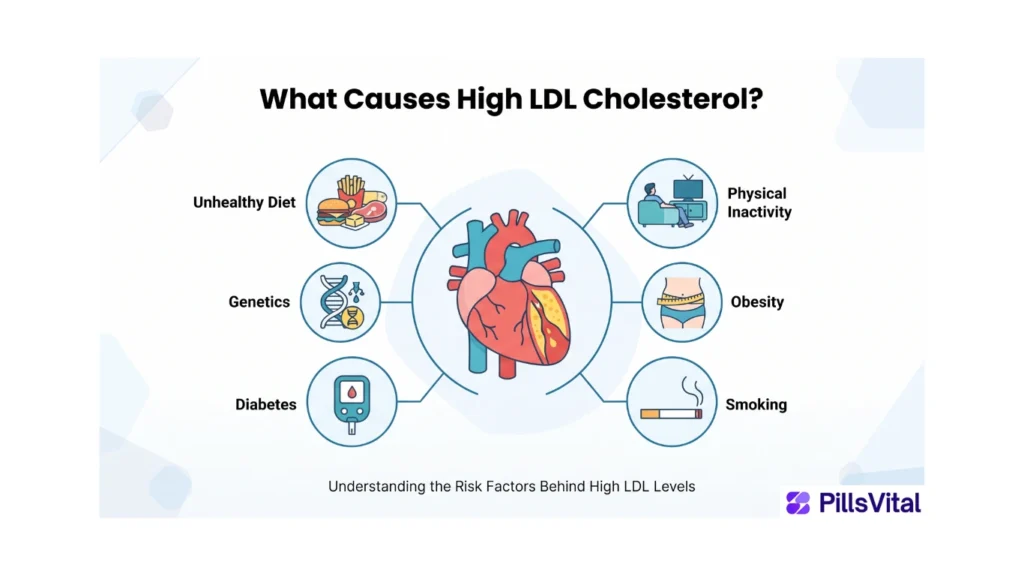
The liver naturally produces cholesterol, which the body needs for important functions such as making hormones, vitamin D, and cell membranes. However, excess LDL cholesterol can contribute to the buildup of plaque inside arteries.
Statins block an enzyme called HMG-CoA reductase, which reduces cholesterol production in the liver. The liver also becomes better able to remove LDL cholesterol from the bloodstream.
Common statins include:
- Atorvastatin
- Rosuvastatin
- Simvastatin
- Pravastatin
- Lovastatin
- Fluvastatin
- Pitavastatin
Statins differ in their potency, dose, interactions, and suitability for individual patients. The appropriate statin and dose depend on the person’s cardiovascular risk and medical circumstances.
What Are Statins Used For?
Statins are primarily used to:
- Lower high LDL cholesterol
- Reduce the risk of heart attack
- Reduce the risk of ischemic stroke
- Reduce cardiovascular risk in people with established heart disease
- Help manage cardiovascular risk in some people with diabetes
- Treat certain inherited cholesterol disorders, including familial hypercholesterolemia
Not everyone with high cholesterol automatically needs a statin. The decision to use statin therapy depends on overall cardiovascular risk, medical history, cholesterol levels, and other individual factors.
How Do Statins Work to Lower Cholesterol?
Statins work mainly by blocking HMG-CoA reductase, an enzyme involved in cholesterol production in the liver. This reduces the amount of cholesterol produced by the liver and increases the liver’s ability to remove LDL cholesterol from the bloodstream.
As LDL cholesterol levels decrease, the amount of cholesterol available to contribute to plaque buildup in arteries may also decrease. This is one reason statin therapy can help lower cardiovascular risk in appropriate patients.
What Are the Benefits of Statins?
Statins can provide important cardiovascular benefits for people who are appropriate candidates for treatment. The main benefits are related to lowering LDL cholesterol and reducing cardiovascular risk.
Lower LDL Cholesterol
Statins can substantially reduce LDL cholesterol, depending on the specific statin, dose, and individual response.
Reduce the Risk of Heart Attack
For people at increased cardiovascular risk, statin therapy can reduce the risk of heart attack and other cardiovascular events.
Reduce the Risk of Ischemic Stroke
Statins can reduce the risk of ischemic stroke in appropriate patients, particularly those with established cardiovascular disease or elevated cardiovascular risk.
Reduce Cardiovascular Risk
The overall goal of statin therapy is not simply to lower a cholesterol number. It is to reduce the person’s risk of cardiovascular events over time.
The amount of benefit varies between individuals. A healthcare professional can assess cardiovascular risk and determine whether statin therapy is appropriate.
Common Types of Statins
The most commonly prescribed statins include:
| Medication | Brand Example | LDL Reduction |
|---|---|---|
| Atorvastatin | Lipitor | High |
| Rosuvastatin | Crestor | Very High |
| Simvastatin | Zocor | Moderate |
| Pravastatin | Pravachol | Moderate |
| Lovastatin | Mevacor | Moderate |
| Fluvastatin | Lescol | Mild |
| Pitavastatin | Livalo | Moderate |
Statins: Pros and Cons
Statins can provide significant cardiovascular benefits, but they can also cause side effects and may interact with other medicines.
| Potential benefits | Potential drawbacks |
|---|---|
| Lower LDL cholesterol | Muscle symptoms can occur |
| Reduce cardiovascular risk | Drug interactions are possible |
| Reduce the risk of heart attack in appropriate patients | Small increase in blood glucose may occur |
| Reduce the risk of ischemic stroke in appropriate patients | Rare serious adverse effects |
| Widely studied and commonly used | Some people may need long-term treatment |
The balance between benefits and risks is different for each person. A healthcare professional can help determine whether the expected cardiovascular benefit of statin therapy outweighs potential risks in an individual case.
What Are the Side Effects of Statins?
Most people tolerate statins well, and many people take them for years without experiencing significant side effects. However, like all prescription medicines, statins can cause adverse effects in some people.
The likelihood and severity of side effects can depend on the specific statin, dose, other medicines, and individual health factors.
Common Side Effects of Statins
Possible side effects include:
- Muscle aches or muscle pain
- Headache
- Nausea
- Digestive discomfort
- Fatigue or weakness
- Constipation in some people
Many people experience no noticeable side effects. If symptoms are persistent or interfere with daily activities, speak with your healthcare provider rather than stopping the medicine yourself.
Do Statins Cause Muscle Pain?
Muscle pain, tenderness, or weakness can occur in some people taking statins. Most muscle-related symptoms are not serious, but persistent, severe, or unexplained muscle symptoms should be evaluated by a healthcare professional.
Your provider may review your medicines and other possible causes of muscle symptoms and may consider adjusting the statin dose or changing treatment if appropriate.
Rare but Serious Side Effects of Statins
Serious side effects from statins are uncommon. One rare but potentially serious complication is rhabdomyolysis, a severe form of muscle injury that can cause muscle breakdown and potentially damage the kidneys.
The risk may be increased by factors such as certain drug interactions, higher statin doses, older age, kidney problems, or untreated hypothyroidism.
Seek prompt medical attention if you develop:
- Severe or unexplained muscle pain
- Significant muscle weakness
- Dark or cola-colored urine
- Severe tiredness or feeling unusually unwell
Can Statins Affect the Liver?
Statins can cause changes in liver enzymes in some people. Serious liver injury associated with statin treatment is rare.
Contact your healthcare provider if you develop symptoms such as:
- Yellowing of the skin or eyes
- Dark urine
- Unusual or severe fatigue
- Loss of appetite
- Persistent nausea or vomiting
- Pain in the upper right side of the abdomen
Your healthcare provider may recommend liver testing when clinically appropriate.
Can Statins Increase Blood Sugar?
Statins can cause a small increase in blood glucose and may slightly increase the risk of developing type 2 diabetes, particularly in people who already have risk factors for diabetes.
For people who have an appropriate indication for statin therapy, the cardiovascular benefits generally outweigh this small risk. Your healthcare provider may monitor blood glucose or HbA1c when appropriate based on your individual risk factors.
When Should You Contact a Doctor About Statin Side Effects?
Contact a healthcare professional if you develop persistent or troublesome symptoms after starting a statin. Seek urgent medical attention for severe muscle pain or weakness, dark-colored urine, yellowing of the skin or eyes, or other serious symptoms.
Do not stop taking a prescribed statin or change your dose without discussing it with your healthcare provider.
Contact a healthcare professional if you develop persistent or troublesome symptoms after starting a statin. Seek urgent medical attention for severe muscle pain or weakness, dark-colored urine, yellowing of the skin or eyes, or other serious symptoms.
Do not stop taking a prescribed statin or change your dose without discussing it with your healthcare provider.
Are Statins Bad for You?
Statins are not generally considered “bad” for you. They are widely used cholesterol-lowering medicines that can significantly reduce the risk of heart attack and stroke in people who are at increased cardiovascular risk. Like any medicine, statins can cause side effects, including muscle symptoms, digestive problems, and a small increase in blood sugar in some people. Serious side effects are uncommon. Whether a statin is appropriate depends on your cholesterol levels, cardiovascular risk, medical history, other medicines, and individual health factors. If you experience troublesome or persistent symptoms, speak with a healthcare professional rather than stopping the medicine on your own.
How Long Do Statins Take to Work?
Most people notice cholesterol improvements within:
- 2 weeks – medication begins working
- 4–6 weeks – significant LDL reduction
- 8 weeks – maximum effect for many patients
Doctors usually repeat cholesterol blood tests after several weeks.
What Happens When You Take Statins?
When you take a statin, the medicine works mainly in your liver to reduce cholesterol production and increase the removal of LDL (“bad”) cholesterol from your bloodstream. Over time, LDL levels decrease, which can help lower the risk of heart attack and ischemic stroke in people who benefit from statin therapy. Some people may experience side effects such as muscle aches, headache, nausea, or digestive discomfort, while serious side effects are uncommon. Your response to treatment may be checked with cholesterol testing and other follow-up when appropriate.
Can Lifestyle Replace Statins?
Sometimes.
Lifestyle changes may be enough if cholesterol is only mildly elevated.
Recommended lifestyle habits include:
- Mediterranean diet
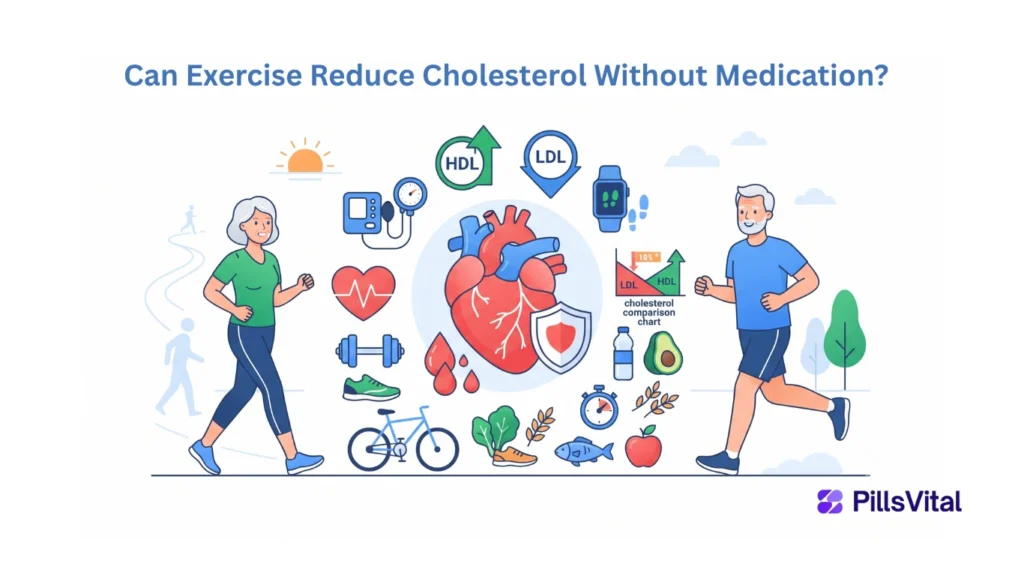
- Regular exercise
- Weight loss
- Avoid smoking
- Reduce sugar intake
- Increase soluble fiber
- Limit saturated fat
However, people with very high cardiovascular risk often require both medication and healthy lifestyle habits. A healthy lifestyle helps lower cholesterol and reduces the risk of many chronic illnesses. Discover the Best Foods to Prevent Chronic Diseases Naturally to support long-term heart and overall health.
Are Statins Safe for Long-Term Use?
Yes.
Extensive research involving millions of patients shows statins are generally safe when taken as prescribed.
Many people remain on statins for decades with regular monitoring.
Who Should Discuss Statin Use With a Doctor?
Statin treatment is not appropriate for everyone, so the decision should be based on your overall cardiovascular risk and medical history. You should discuss statin therapy with a healthcare professional if you have high LDL cholesterol, heart or blood vessel disease, diabetes, a strong family history of cardiovascular disease, or other factors that may increase your risk of heart attack or stroke. You should also seek medical advice before taking a statin if you are pregnant or breastfeeding, have liver or kidney problems, have experienced unexplained muscle pain or weakness, have thyroid problems, or take medicines that may interact with statins. A healthcare professional can determine whether a statin is appropriate and which treatment may be safest for you.
Foods and Medicines That May Interact with Statins
Certain substances can affect statin levels.
Examples include:
- Grapefruit
- Some antibiotics
- Certain antifungal medications
- HIV medications
- Cyclosporine
- Some heart rhythm medicines
Always tell your doctor about all prescription drugs, supplements, and herbal products you use.
Tips for Taking Statins Safely
- Take medication exactly as prescribed.
- Do not stop treatment without medical advice.
- Attend regular cholesterol checks.
- Report unusual muscle pain promptly.
- Follow a heart-healthy diet.
- Exercise regularly.
- Avoid smoking.
- Limit alcohol if advised.
Can You Stop Taking Statins?
Many people ask this after their cholesterol improves.
The answer depends on why the statin was prescribed.
If cholesterol improves because of the medication, stopping it may allow LDL cholesterol to rise again.
Never discontinue statins without discussing it with your healthcare provider.
Who Should Avoid Statins?
Statins may not be appropriate for:
- Pregnancy
- Active liver disease
- Severe allergic reactions to statins
- Certain medication interactions
Always consult your healthcare provider before starting or stopping statins.
❓ FAQs
Who should take statins?
Statins may be recommended for people with high LDL cholesterol, established cardiovascular disease, diabetes, or an increased risk of heart attack or stroke. The decision depends on your individual cardiovascular risk and medical history.
Are statins safe for everyone?
Statins are generally well tolerated, but they are not suitable for everyone. People who are pregnant or breastfeeding, have certain liver or kidney problems, or take medicines that may interact with statins should discuss treatment with a healthcare professional.
Should people with diabetes take statins?
Some people with diabetes may benefit from statin therapy because diabetes can increase cardiovascular risk. Your healthcare professional can determine whether treatment is appropriate based on your individual risk factors.
Can you take statins if you have liver problems?
Some people with stable liver conditions may still be able to use statins, but liver health should be discussed with a healthcare professional before starting treatment. Serious liver injury from statins is uncommon.
What if statins cause muscle pain?
Tell your healthcare professional if you develop persistent, unexplained, or troublesome muscle pain, tenderness, or weakness while taking a statin. They can assess the symptoms and determine whether the statin, dose, or another factor may be responsible.
Can you stop taking statins if you feel better?
Do not stop a prescribed statin without discussing it with your healthcare professional. Cholesterol levels can rise again after stopping treatment, and the medicine may have been prescribed to reduce your long-term cardiovascular risk.
Who should not take statins?
Certain people may need to avoid or modify statin treatment, including some pregnant or breastfeeding people and people taking medicines that can cause serious interactions. A healthcare professional should assess your individual situation before treatment.
Conclusion
For evidence-based recommendations on cholesterol management and statin therapy, refer to the American College of Cardiology (ACC) and the American Heart Association (AHA) Cholesterol Guidelines.
Statins remain one of the most effective and well-studied medications for lowering LDL cholesterol and reducing the risk of heart attack and stroke. While concerns about side effects are common, most people tolerate these medicines well, and the benefits often outweigh the risks for those with elevated cardiovascular risk. Taking statins as prescribed, maintaining healthy lifestyle habits, and attending regular follow-up appointments can help you achieve the best long-term heart health outcomes.
Managing cholesterol is an important step toward preventing serious long-term health conditions. For a broader understanding of disease prevention, explore our complete Chronic Disease Prevention Guide and learn how healthy habits can protect your heart and overall well-being.
Medical Souces And References
The information in this article is based on established medical and public-health resources covering cholesterol management, statin therapy, cardiovascular risk, and statin safety. Because recommendations can vary depending on your age, health history, cholesterol levels, cardiovascular risk, and other medicines, this information should not replace advice from a qualified healthcare professional.
U.S. Food and Drug Administration (FDA) : The FDA provides information about cholesterol medicines, including statins, their uses, possible side effects, important precautions, and potential medicine interactions.
National Heart, Lung, and Blood Institute (NHLBI): NHLBI provides information about high blood cholesterol, cholesterol treatment, statins, and how lowering cholesterol can help reduce the risk of cardiovascular disease.
MedlinePlus: MedlinePlus, a service of the U.S. National Library of Medicine, provides patient-focused information about statins, including how they work, common side effects, precautions, and reasons they may be prescribed.
American College of Cardiology / American Heart Association: ACC and AHA clinical guidelines provide evidence-based recommendations for cholesterol management and the use of statin therapy according to an individual’s cardiovascular risk and clinical circumstances.
Important Medical Disclaimer
This article is intended for general educational purposes only. It does not provide a diagnosis or personalized medical advice. Statin treatment should be based on an individual assessment by a qualified healthcare professional. Do not start, stop, or change the dose of a prescribed statin without discussing it with your healthcare professional.
Related Health Resources
-
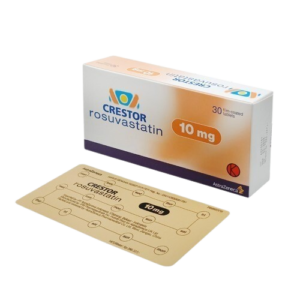
Rosuvastatin 10mg (Crestor) Tablets
$398.00 – $788.00Price range: $398.00 through $788.00 This product has multiple variants. The options may be chosen on the product page -
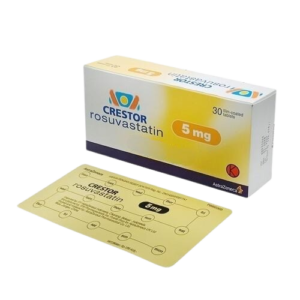
Rosuvastatin 5mg (Crestor) Tablets
$78.00 – $150.00Price range: $78.00 through $150.00 This product has multiple variants. The options may be chosen on the product page
❤️ Related Guides