
Seasonal Allergies Symptoms and Relief: Why They Happen & What Helps
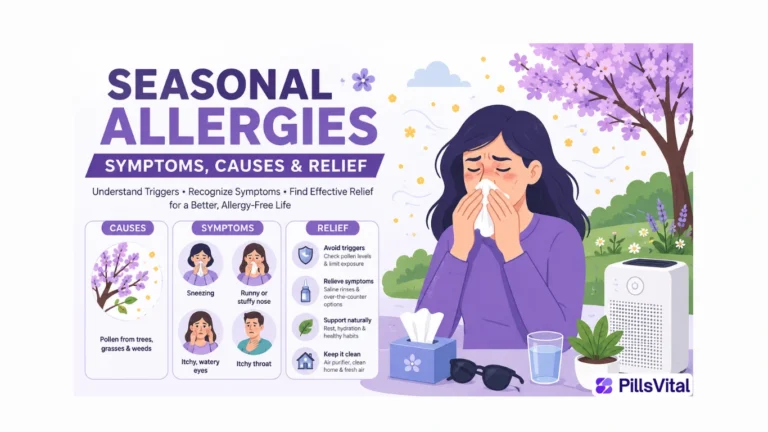
Sneezing, a constantly runny or blocked nose, itchy eyes, and an irritating tickle in the throat can become frustrating when they appear around the same time every year.
For many people, these symptoms are linked to seasonal allergies.
Seasonal allergies occur when the immune system reacts to substances that are normally harmless, most commonly pollen released by trees, grasses, and weeds. The resulting inflammation can affect the nose, eyes, throat, and sinuses.
Unlike an infectious cold, seasonal allergies aren’t caused by a virus. They are an immune response that can repeatedly appear when a particular allergen is present in the environment.
Understanding what triggers seasonal allergies, how to recognize the symptoms, and how to reduce exposure can make allergy seasons much easier to manage.
What Are Seasonal Allergies?
Seasonal allergies are allergic reactions that occur during particular times of the year when certain environmental allergens become more prevalent.
They are commonly associated with pollen from trees, grasses, and weeds.
When someone with an allergy encounters a trigger, their immune system mistakenly identifies the substance as harmful. This activates an inflammatory response and can lead to symptoms such as:
- Sneezing
- Runny nose
- Stuffy nose
- Nasal itching
- Itchy or watery eyes
- Postnasal drip
- Scratchy throat
- Coughing
- Sinus pressure
- Fatigue caused by poor sleep or persistent symptoms
Seasonal allergic rhinitis is sometimes called hay fever, although hay itself isn’t necessarily responsible for the reaction.
What Causes Seasonal Allergies?
The main cause is an overactive immune response to airborne allergens.
Pollen is one of the most common triggers.
Different plants release pollen during different periods, which is why allergy symptoms can appear during particular seasons.
Common seasonal allergy triggers include:
Tree pollen
Trees can release pollen during the earlier part of the year. Depending on the region, common allergenic trees include oak, birch, cedar, maple, and others.
Grass pollen
Grass pollen is another major trigger and can cause symptoms during warmer months.
Weed pollen
Certain weeds release significant amounts of pollen later in the growing season. Ragweed is a particularly important trigger in many parts of North America.
Outdoor mold spores
Mold can also contribute to allergy symptoms, particularly when outdoor conditions are warm and damp.
Why Do Some People Develop Seasonal Allergies?
Not everyone reacts to pollen.
Allergies develop through a combination of genetic and environmental factors.
Your risk may be higher if allergies run in your family. Environmental exposure and other factors can also influence whether someone becomes sensitive to particular allergens.
Importantly, developing allergies isn’t simply a matter of having a “weak immune system.” It involves the immune system incorrectly treating a normally harmless substance as a threat.
Seasonal Allergy Symptoms in Adults
Seasonal allergies can affect different parts of the body.
Nose
Common nasal symptoms include:
- Frequent sneezing
- Clear, watery nasal discharge
- Nasal congestion
- Itchy nose
- Postnasal drainage
Eyes
Eye symptoms can include:
- Itching
- Redness
- Watery eyes
- Puffiness
- Burning or irritation
Throat
Postnasal drainage can cause:
- Throat irritation
- Scratchiness
- Frequent throat clearing
- Coughing
General symptoms
Some people experience tiredness, particularly when persistent congestion and nighttime symptoms interfere with sleep.
Are Seasonal Allergies Worse at Certain Times of the Year?
Yes.
The timing depends heavily on where you live and which plants grow in your region.
A simplified pattern is:
| Period | Common Allergy Triggers |
|---|---|
| Early spring | Tree pollen |
| Late spring/summer | Grass pollen |
| Late summer/fall | Weed pollen |
| Warm, damp periods | Mold spores |
However, pollen seasons don’t follow exactly the same calendar everywhere.
Climate, local vegetation, temperature, rainfall, and changing weather patterns can influence when pollen appears and how much is present.
This is why someone living in one country—or even one region—may experience allergy symptoms at a different time than someone elsewhere.
How to Tell If You Have Seasonal Allergies
A useful clue is when and how your symptoms occur.
You may be more likely to have seasonal allergies if:
- Symptoms repeatedly occur during a particular season.
- You experience frequent sneezing.
- Your nose or eyes feel itchy.
- Nasal discharge is usually clear and watery.
- Symptoms worsen after spending time outdoors.
- Symptoms improve when pollen exposure decreases.
- You don’t have the fever or body aches commonly associated with some respiratory infections.
However, symptoms can overlap with colds, respiratory infections, irritant exposure, and other conditions.
If symptoms are persistent, severe, unusual, or difficult to control, a healthcare professional can help determine the likely cause.
Seasonal Allergies vs a Cold: What's the Difference?
This is one of the most useful distinctions for people searching for allergy information.
| Feature | Seasonal Allergies | Common Cold |
|---|---|---|
| Cause | Allergic immune response | Viral infection |
| Sneezing | Common | Common |
| Itchy eyes | Common | Less typical |
| Itchy nose | Common | Less typical |
| Runny nose | Common | Common |
| Fever | Not typical | Can occur |
| Body aches | Not typical | Can occur |
| Pattern | Often seasonal or exposure-related | Usually temporary |
| Contagious | No | Yes |
These differences aren’t absolute, so symptoms alone cannot always identify the cause.
How to Manage Seasonal Allergies
Managing seasonal allergies generally involves two main strategies:
1. Reduce exposure to triggers
2. Control symptoms when they occur
A practical approach can include the following.
1. Monitor Local Pollen Levels
If pollen is one of your triggers, checking a local pollen forecast can help you decide when outdoor exposure may be more likely to cause symptoms.
On high-pollen days, you may want to reduce prolonged outdoor exposure when practical.
2. Keep Windows Closed During High-Pollen Periods
Opening windows can allow outdoor pollen to enter your home.
Using appropriate indoor ventilation and air filtration can help reduce exposure, particularly during periods when pollen levels are high.
3. Shower After Spending Time Outdoors
Pollen can collect on:
- Hair
- Skin
- Clothing
Changing clothes and showering after significant outdoor exposure can help reduce the amount of pollen carried into your sleeping area.
4. Keep Your Bedroom as Allergy-Friendly as Possible
Because you spend many hours sleeping, reducing allergen exposure in the bedroom may be particularly useful.
Regular cleaning, washing bedding, and controlling indoor allergens can help create a more comfortable sleeping environment.
5. Wear Sunglasses Outdoors
Sunglasses can provide a simple physical barrier that may reduce direct exposure of the eyes to airborne particles.
This can be particularly helpful for people whose main symptoms include itchy, watery, or irritated eyes.
Can Seasonal Allergies Be Managed With Medication?
Yes. Depending on the symptoms and the individual’s circumstances, healthcare professionals may recommend different types of allergy treatment.
Common categories include:
Antihistamines
Antihistamines reduce the effects of histamine, a chemical involved in allergic reactions.
They are commonly used for symptoms such as:
- Sneezing
- Itching
- Runny nose
- Watery eyes
Some antihistamines can cause drowsiness, while others are less sedating.
Corticosteroid Nasal Sprays
Nasal corticosteroids can reduce inflammation inside the nose and are commonly used for allergic rhinitis.
They may help with symptoms such as:
- Nasal congestion
- Sneezing
- Runny nose
- Nasal itching
They generally work best when used correctly and consistently according to product directions or medical advice.
Other Allergy Treatments
Depending on symptoms, healthcare professionals may consider additional treatments, including certain eye drops, nasal treatments, or other medications.
The appropriate choice depends on factors such as age, symptoms, other medications, existing conditions, and how severe or persistent the allergies are.
Don’t combine allergy medicines or increase doses simply because symptoms are severe. Check the product directions or speak with a healthcare professional first.
Can You Manage Seasonal Allergies Naturally?
Some non-drug strategies can help reduce exposure and make symptoms easier to manage.
These include:
- Limiting outdoor exposure during high-pollen periods
- Showering after outdoor activities
- Washing clothes after prolonged outdoor exposure
- Keeping windows closed when pollen counts are high
- Cleaning indoor surfaces regularly
- Using appropriate air filtration
- Wearing sunglasses outdoors
- Avoiding known personal triggers
These strategies don’t eliminate allergies, but they can reduce the amount of allergen exposure.
Be cautious with internet-promoted “natural cures” that claim to permanently eliminate allergies. Evidence for many such remedies is limited.
Why Are Seasonal Allergies Sometimes Worse at Night?
Nighttime symptoms can be particularly frustrating.
Several factors may contribute, including:
- Pollen or allergens carried into the bedroom
- Nasal congestion becoming more noticeable when lying down
- Postnasal drainage
- Indoor allergens
- Poor bedroom ventilation or environmental conditions
Keeping bedding clean, showering before bed after outdoor exposure, and minimizing allergen accumulation in the bedroom may help.
If nighttime congestion consistently disrupts sleep, discuss it with a healthcare professional.
How Long Do Seasonal Allergies Last?
There isn’t one fixed duration.
Symptoms can continue as long as you remain exposed to the relevant allergen.
For some people, symptoms may occur for several weeks during a particular pollen season. Others may experience symptoms for longer depending on their triggers and geographic environment.
This is different from many common viral infections, which generally follow a shorter course.
When Should You See a Doctor About Seasonal Allergies?
Consider speaking with a healthcare professional if:
- Symptoms are persistent or significantly affecting daily life.
- Allergy symptoms interfere with sleep.
- Over-the-counter treatments aren’t providing adequate relief.
- You aren’t sure whether your symptoms are caused by allergies.
- Symptoms are unusually severe.
- You experience breathing difficulties or wheezing.
- You have recurrent sinus problems.
Seek urgent medical attention for severe difficulty breathing, swelling of the lips/tongue/throat, fainting, or other signs of a serious allergic reaction.
Can Seasonal Allergies Be Prevented?
You can’t always prevent the underlying allergy, but you can often reduce exposure to the substances that trigger your symptoms.
The most effective prevention strategy is usually personalized.
For example, someone allergic primarily to tree pollen may benefit from different avoidance strategies than someone whose symptoms are triggered mainly by grass or weeds.
Keeping a simple symptom diary can sometimes help identify patterns.
Record:
- Date
- Weather conditions
- Outdoor exposure
- Symptoms
- Possible triggers
- Treatments used
- Response to treatment
Over time, this can help identify recurring patterns.
Frequently Asked Questions
What is the main cause of seasonal allergies?
The main cause is an immune reaction to airborne allergens, particularly pollen from trees, grasses, and weeds.
What are the first signs of seasonal allergies?
Common early symptoms include sneezing, an itchy nose, runny nose, nasal congestion, and itchy or watery eyes.
How can I tell if my symptoms are allergies or a cold?
Itchy eyes and nose, repeated seasonal patterns, and clear nasal discharge tend to be more characteristic of allergies, while fever, body aches, and a short-lived illness are more suggestive of an infection.
Can seasonal allergies cause fatigue?
Yes. Persistent symptoms can interfere with sleep and contribute to tiredness during the day.
Why are my seasonal allergies worse outdoors?
Outdoor environments can expose you to higher concentrations of pollen and other airborne allergens.
Can seasonal allergies cause a stuffy nose?
Yes. Nasal inflammation caused by an allergic response can produce significant congestion.
Can seasonal allergies cause itchy eyes?
Yes. Itchy, watery, red, or irritated eyes are common symptoms of allergic reactions.
What is the best way to reduce pollen exposure?
Monitoring pollen levels, limiting exposure during high-pollen periods, changing clothes after outdoor activities, showering, and keeping indoor spaces clean can help reduce exposure.
Do seasonal allergies go away permanently?
Some people experience changes in their allergy symptoms over time, but there is no guarantee that seasonal allergies will permanently disappear.
When should seasonal allergy symptoms be medically evaluated?
Seek professional advice when symptoms are persistent, severe, affecting sleep or daily activities, difficult to control, or when you’re uncertain whether allergies are actually causing them.
The Bottom Line
Seasonal allergies are an immune response to environmental allergens such as tree, grass, and weed pollen.
The symptoms can be frustrating, but understanding your triggers can make them easier to manage.
The most useful approach is usually a combination of reducing allergen exposure, recognizing symptoms early, and choosing appropriate treatment when necessary.
If your symptoms are persistent or interfering with your everyday life, don’t simply assume that you have seasonal allergies. A healthcare professional can help identify the cause and recommend an appropriate treatment strategy.
Medical Resources for Seasonal Allergies.
- CDC – Pollen and Your Health Useful for pollen exposure, seasonal allergy symptoms, prevention, and ways to reduce exposure.
- AAAAI – Hay Fever / Allergic Rhinitis Covers allergic rhinitis causes, symptoms, diagnosis, medications, pollen exposure, and immunotherapy.
- ACAAI – Seasonal Allergies Helpful resource covering seasonal allergy triggers, pollen seasons, symptoms, and management.
- AAAAI – Outdoor Allergens Provides information about pollen, mold spores, seasonal allergic rhinitis, exposure reduction, and treatment.
- ACAAI – Pollen Allergies Covers tree, grass, and weed pollen, symptoms, pollen exposure, and treatment approaches.
Related Health Resources
-
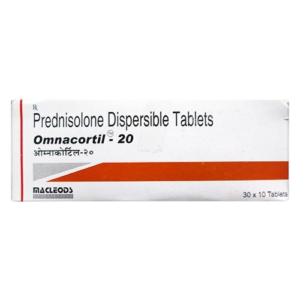
Prednisolone 20mg (Omnacortil) Tablets
$38.00 – $110.00Price range: $38.00 through $110.00 This product has multiple variants. The options may be chosen on the product page -
Prednisolone 40mg (Omnacortil) Tablets
$41.00 – $118.00Price range: $41.00 through $118.00 This product has multiple variants. The options may be chosen on the product page -
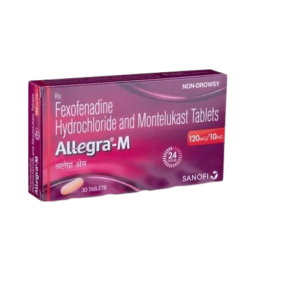
Allegra M (Fexofenadine) Tablets
$55.00 – $160.00Price range: $55.00 through $160.00 This product has multiple variants. The options may be chosen on the product page -
Montelukast 10mg (Montair) Tablet
$52.00 – $140.00Price range: $52.00 through $140.00 This product has multiple variants. The options may be chosen on the product page
🩺 Related Allergy Guides

Dr. Emily Carter specializes in evidence-based health education and wellness content. She focuses on simplifying complex medical topics related to cancer awareness, nutrition, preventive healthcare, skincare, and lifestyle wellness for readers worldwide.
This content is reviewed for medical accuracy, clarity, and alignment with current public health research. The article is intended for educational and informational purposes only and should not replace professional medical advice, diagnosis, or treatment.