🚚 Worldwide Shipping | 🔒 Secure Checkout | 💬 24/7 Support

Welcome to PillsVital — Essential Care, Trusted Globally

Weight loss medications have become increasingly popular in recent years, especially in the United States where obesity rates continue to rise. Treatments like Semaglutide and Liraglutide are widely discussed because they may help some people manage appetite, blood sugar, and body weight more effectively.

However, many people start weight loss medications without fully understanding:

  • How these drugs work
  • Who should use them
  • Possible risks and side effects
  • Safety precautions
  • Differences between medication types

Choosing the right medication safely is important because every person’s body, medical history, and weight loss goals are different.

This guide explains the major types of medical weight loss treatments, who they may be suitable for, and what safety factors should always be considered before starting.

Why Medical Weight Loss Treatments Are Growing

Obesity is linked to several long-term health conditions, including:

  • Type 2 diabetes
  • High blood pressure
  • Heart disease
  • Sleep apnea
  • Joint pain
  • Fatty liver disease

For some individuals, lifestyle changes alone may not provide enough weight loss results. Because of this, doctors sometimes recommend prescription medications as part of a broader treatment plan that includes:

  • Nutrition improvements
  • Physical activity
  • Behavioral changes
  • Long-term monitoring

Medical weight loss treatments are generally designed to support appetite control, improve metabolism, or reduce calorie absorption.

Main Types of Weight Loss Medications

1. GLP-1 Medications

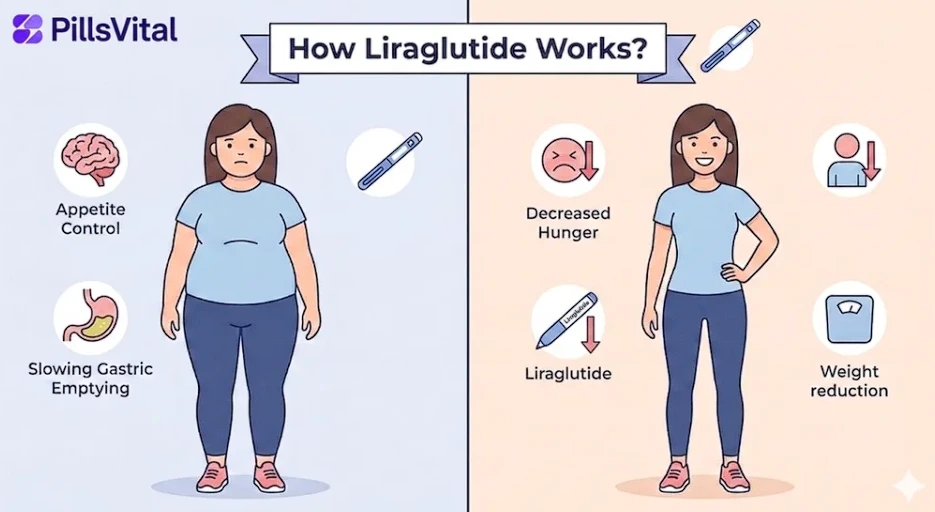
GLP-1 receptor agonists are among the most discussed modern weight loss medications.

They work by mimicking a natural hormone involved in:

  • Appetite regulation
  • Blood sugar control
  • Digestion
  • Feelings of fullness

Common examples include:

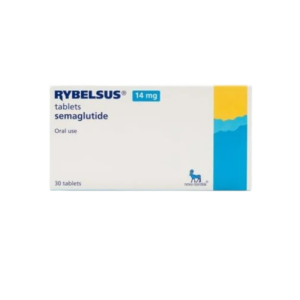
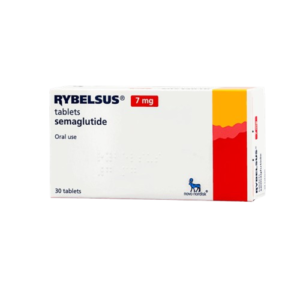
  • Semaglutide
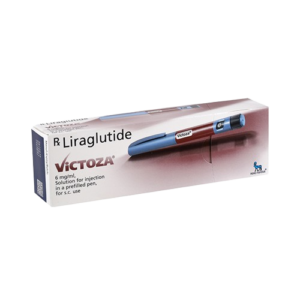
  • Liraglutide

These medications are commonly prescribed for:

  • Obesity
  • Weight-related medical conditions
  • Type 2 diabetes with excess weight

How They May Help

Some people experience:

  • Reduced hunger cravings
  • Smaller portion sizes
  • Slower digestion
  • Gradual weight loss over time

👉 Related Guide: Learn how GLP-1 medications reduce appetite and support weight management in our detailed guide on Semaglutide Works for Weight Loss (Rybelsus Guide)

2. Fat Blockers

Fat blockers work differently from GLP-1 medications.

Instead of affecting appetite hormones, they reduce the amount of dietary fat absorbed by the body.

Possible Effects

  • Reduced calorie absorption
  • Digestive changes
  • Loose stools
  • Bloating
  • Difficulty absorbing fat-soluble vitamins

These medications are sometimes used for people looking for non-hormonal weight loss support.

3. Appetite Suppressants

Some older weight loss medications focus mainly on reducing appetite through stimulant-like effects on the brain.

These may temporarily increase:

  • Energy levels
  • Alertness
  • Metabolism

However, stimulant-based medications may not be suitable for everyone, especially individuals with:

  • High blood pressure
  • Anxiety disorders
  • Heart conditions

Semaglutide vs Liraglutide: Key Differences

Although both medications belong to the GLP-1 category, there are important differences.

FeatureSemaglutideLiraglutide
FrequencyWeeklyDaily
FormInjection or oralInjection
Appetite ControlStronger for many usersModerate
Weight Loss SpeedOften fasterUsually gradual
ConvenienceHigherLower

Some individuals may respond better to one medication than another depending on:

  • Lifestyle
  • Side effect tolerance
  • Medical history
  • Doctor recommendations

👉 Detailed Comparison: Semaglutide vs Liraglutide: Which is Better for Weight Loss?

Who May Benefit From Weight Loss Medications?

Doctors may consider medical weight loss treatments for individuals who:

  • Have obesity
  • Have BMI above recommended levels
  • Struggle with constant hunger
  • Experience weight-related health problems
  • Have difficulty losing weight through diet alone

These medications are generally intended to support long-term lifestyle improvements rather than replace healthy habits.

Who Should Be Careful or Avoid These Medications?

Not every weight loss treatment is suitable for every person.

Extra medical supervision may be necessary for people with:

  • Digestive disorders
  • Kidney disease
  • Thyroid problems
  • History of pancreatitis
  • Eating disorders

Pregnant or breastfeeding individuals are generally advised to avoid many prescription weight loss medications unless specifically approved by a healthcare professional.

Common Side Effects of GLP-1 Medications

Like most medications, GLP-1 treatments may cause side effects.

Commonly reported effects include:

  • Nausea
  • Constipation
  • Diarrhea
  • Stomach discomfort
  • Bloating
  • Fatigue

In many cases, mild side effects improve gradually as the body adjusts.

Factors That May Increase Side Effects

  • Starting with high doses
  • Eating large heavy meals
  • Poor hydration
  • Increasing dosage too quickly

👉 Safety Resource: Side Effects of GLP-1 Weight Loss Drugs (What You Must Know)

Importance of Medical Supervision

Weight loss medications can affect:

  • Hormones
  • Digestion
  • Blood sugar levels
  • Appetite signals

Because of this, medical supervision is important for:

  • Monitoring progress
  • Adjusting dosage
  • Managing side effects
  • Checking medication interactions

Self-medicating without proper guidance may increase health risks.

Understanding Realistic Expectations

Weight loss medications are not instant solutions.

Results vary depending on:

  • Diet quality
  • Activity level
  • Sleep habits
  • Stress
  • Dosage consistency
  • Individual metabolism

Some people may notice appetite changes within weeks, while significant body weight changes often take several months.

Healthy and sustainable weight loss is usually gradual.

👉 Read More: How Fast Do You Lose Weight with Semaglutide or Liraglutide?

Risks of Fake or Unsafe Weight Loss Products

The popularity of weight loss medications has also increased the number of counterfeit products sold online.

Unsafe products may:

  • Contain incorrect ingredients
  • Use improper dosages
  • Be stored improperly
  • Cause unexpected side effects

Warning signs may include:

  • Unrealistic promises
  • Extremely cheap pricing
  • No manufacturer information
  • Unverified online sellers

Learning how to identify legitimate medical products is an important part of medication safety.

Healthy Habits Still Matter

Even with medical treatment, long-term weight management still depends heavily on daily habits.

Important lifestyle factors include:

  • Balanced nutrition
  • Protein intake
  • Regular movement
  • Hydration
  • Sleep quality
  • Stress management

Medications may support weight loss, but sustainable results usually require long-term behavioral changes.

Final Thoughts

Medical weight loss treatments like Semaglutide and Liraglutide have changed how obesity and appetite management are approached in modern healthcare.

However, choosing the right medication safely requires understanding:

  • How different treatments work
  • Possible side effects
  • Medical risks
  • Realistic expectations
  • The importance of professional guidance

Weight loss medications are tools that may help some individuals, but they are most effective when combined with informed decisions and healthy lifestyle habits.

Related Products

❓ FAQs

Are GLP-1 medications only for diabetes?

No. Some GLP-1 medications are also prescribed specifically for weight management.

Research suggests Semaglutide may produce greater average weight loss for many users, though results vary individually.

Lifestyle habits still play an important role in long-term success.

Many common side effects improve over time, especially with gradual dosage adjustments.

No. Certain medical conditions may increase risks, so professional medical advice is important before starting treatment.

Leave a Reply

Your email address will not be published. Required fields are marked *