🚚 Worldwide Shipping | 🔒 Secure Checkout | 💬 24/7 Support

Welcome to PillsVital — Essential Care, Trusted Globally

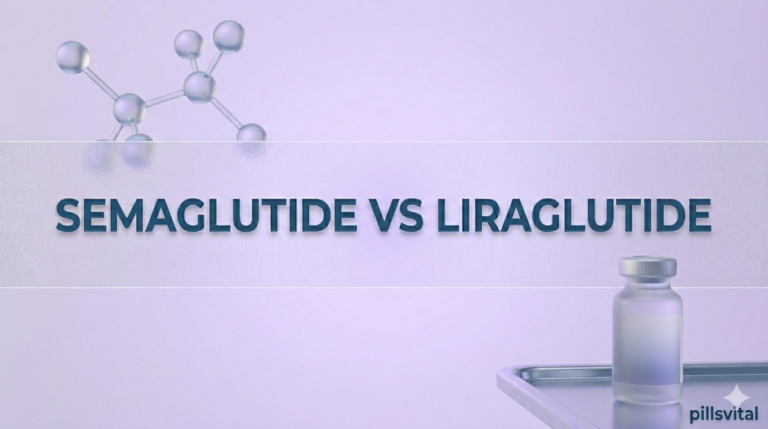
semaglutide vs liraglutide minimal blog featured image banner

Why This Comparison Is Often Misunderstood

Most comparisons between weight loss medications reduce everything to one question: which one helps you lose more weight?

That sounds useful, but it misses something important.

People don’t struggle with weight because they lack information—they struggle because hunger, habits, and consistency don’t align. So the real difference between these medications isn’t just numbers on a scale.

It’s how they change your daily experience with food.

👉 New to medical weight loss? Start with the complete guide: Medical Weight Loss Explained: The Truth About Semaglutide & Liraglutide

Understand the Basics: Weight Loss Medication Guides

Semaglutide Guide:
Semaglutide is a GLP-1 receptor agonist that helps with weight loss by reducing appetite and improving feelings of fullness. It works by mimicking a natural hormone that signals the brain to eat less, making calorie control easier without constant hunger struggles. It is typically taken once weekly, which makes it more convenient compared to daily treatments. Over time, it supports steady and clinically significant weight loss when combined with healthy eating habits and lifestyle changes. Many users notice reduced cravings, smaller portion sizes, and improved control over emotional eating within the first few weeks.

Liraglutide Guide
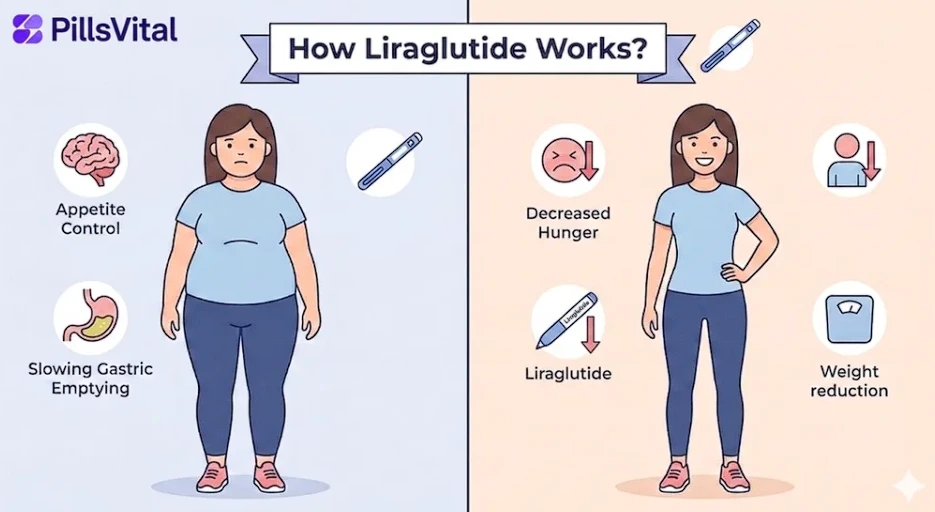
Liraglutide is another GLP-1-based treatment that supports weight loss by slowing digestion and increasing satiety after meals. Unlike semaglutide, it is taken as a daily injection, which requires more consistent routine management. It is often introduced as a starting option for patients beginning medical weight loss therapy. Liraglutide helps reduce overall calorie intake by making users feel full sooner and for longer periods. With regular use and proper lifestyle adjustments, it can lead to steady and sustainable weight reduction over time.

The Real Problem: Hunger vs Discipline

Before comparing anything, it helps to understand why traditional dieting fails.

Most diets depend on:

  • Willpower
  • Calorie tracking
  • Strict routines

But hunger is not just a habit—it’s a biological signal. When that signal is strong, consistency becomes difficult.

This is where GLP-1 medications come in. They don’t “burn fat” directly. Instead, they change how often and how strongly you feel the need to eat.

What Actually Changes When You Start These Medications

Instead of thinking “this drug causes weight loss,” it’s more accurate to think in phases.

Phase 1: Appetite Shift
  • Meals feel more filling
  • Snacking reduces naturally
  • Cravings become less frequent

This stage is not about rapid weight loss—it’s about changing eating behavior naturally.

Phase 2: Consistency Becomes Easier
  • You eat less without forcing it
  • Overeating becomes less frequent
  • Calorie control feels more natural

This is where real progress begins—consistency becomes easier to maintain.

Phase 3: Visible Weight Loss
  • Body weight starts dropping
  • Fat loss becomes noticeable
  • Energy levels improve

Results become visible once consistency is established.

👉 See the full week-by-week timeline: How Fast Do You Lose Weight with Semaglutide or Liraglutide?

Where Semaglutide and Liraglutide Start to Differ

At a high level, both medications do the same job—but they do it at different speeds and intensity levels.

Semaglutide: Stronger Signal, Less Frequent Effort

  • Stays longer in the body
  • Appetite suppression feels stronger
  • Requires less frequent dosing

What this means in real life:

  • You think about food less often
  • Cravings reduce more noticeably
  • Easier to maintain a deficit

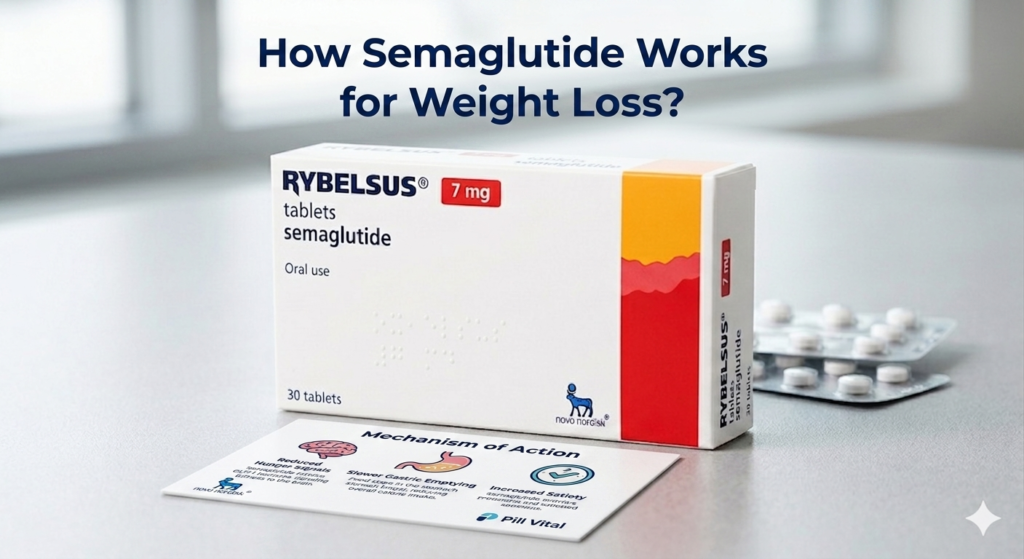
👉 Learn mechanism in detail: How Semaglutide Works for Weight Loss

Liraglutide: Shorter Acting, More Controlled

  • Works for a shorter duration
  • Taken daily
  • Effects feel more gradual

Real-world experience:

  • Appetite reduces, but not as aggressively
  • Requires daily consistency
  • Feels more “controlled” than dramatic

👉 Full guide: Liraglutide for Weight Loss 

A Practical Way to Think About the Difference

Instead of asking “which is better,” think of it like this:

  • One changes your eating behavior quickly and strongly
  • The other changes it gradually and steadily

Comparison Table

AspectSemaglutideLiraglutide
Appetite ChangeStrongModerate
Eating Behavior ShiftFasterGradual
DosingWeekly / OralDaily
User ExperienceLess food focusMore routine-based
Weight Loss TrendFaster startSteady progress

What People Often Get Wrong

❌ Expecting Fast Results in Week 1

What people expect:
Immediate weight loss within the first few days.

What actually happens:
In the early phase, changes are mostly internal, not visible.

  • Hunger starts decreasing
  • You feel full with smaller portions
  • Snacking reduces without effort

But the scale may not move much yet. This is because your body is adjusting to new eating patterns, not burning large amounts of fat immediately.

👉 Key point:
Weight loss is a delayed effect. Appetite control comes first—fat loss follows.

❌ Thinking Medication Replaces Habits

What people expect:
“I can take this and eat anything—I’ll still lose weight.”

What actually happens:
The medication doesn’t replace habits—it makes better habits easier to follow.

  • You still need balanced meals
  • You still benefit from movement (walking, light exercise)
  • You still need consistency

What changes is:

  • You don’t feel constant hunger
  • You don’t struggle as much with cravings
  • You don’t rely only on willpower

👉 Key point:
It’s not a shortcut—it’s a support system for consistency.

❌ Comparing Numbers Only

What people expect:
“This drug gives 15% weight loss, that one gives 10%—so the first is better.”

What actually matters:
Numbers don’t show the daily experience.

Ask instead:

  • Do you think about food less often?
  • Is it easier to stop eating when full?
  • Are cravings manageable?
  • Can you stay consistent long-term?

Because:

  • A slightly lower % weight loss with better consistency
    👉 often leads to better long-term results

👉 Key point:
Sustainable progress depends more on how the process feels daily than just final numbers.

Simple Takeaway

  • First comes appetite control
  • Then comes consistency
  • Then comes visible weight loss

Understanding this order helps avoid frustration and unrealistic expectations.

Who Might Prefer Each Option

Semaglutide may suit you if:

  • You struggle with strong cravings
  • You want fewer interruptions in routine
  • You prefer less frequent dosing

Liraglutide may suit you if:

  • You prefer gradual change
  • You are comfortable with daily structure
  • You want a slower adjustment period

The Overlooked Factor: Lifestyle Still Matters

Even with medication, results vary based on:

  • Eating patterns
  • Activity level
  • Sleep and stress

People who combine:

  • Simple portion control
  • Light daily activity

tend to see better and more stable outcomes.

Side Effects: What to Expect Realistically

Both medications may cause:

  • Mild nausea (early stage)
  • Digestive changes
  • Reduced appetite

Both medications may cause mild nausea during the early stage of treatment, along with temporary digestive changes such as bloating, constipation, or diarrhea. A noticeable reduced appetite is also common, as these medications work by regulating hunger signals in the body.

For a more detailed breakdown of GLP-1-related side effects and how they work, you can read the full guide on GLP-1 side effects guide.

In most cases, these effects are temporary and gradually improve as your body adapts to the treatment. Starting with a lower dose and following medical guidance can further help reduce discomfort and improve tolerance over time.

👉 Learn how to choose weight loss medication safely: Safe Usage & Buying Guide

Final Thought: It’s Not About “Best,” It’s About Fit

There isn’t a single “best” option.

There’s only:

  • What fits your routine
  • What helps you stay consistent
  • What feels sustainable long term

Both medications work—but they work best when they align with your daily life, not just your goal.

If you want to understand different approaches and choose what suits you better, you can explore this detailed guide on weight loss methods guide.

Continue Reading the Full GLP-1 Series:
– Medical Weight Loss Explained
– How Semaglutide Works
– Liraglutide Beginner Guide
– GLP-1 Side Effects Guide
– Weight Loss Timeline Guide
– Safe Usage & Buying Guide

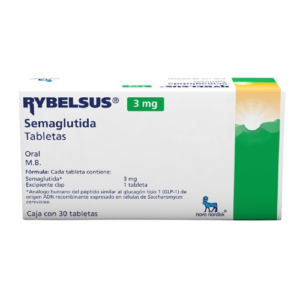
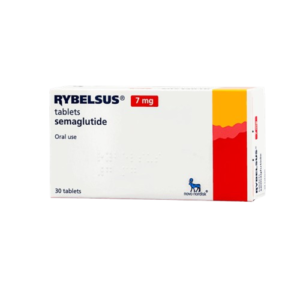
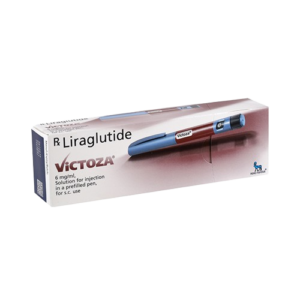
Related Products

❓ FAQs

What is the main difference between semaglutide and liraglutide?

Both are GLP-1 receptor agonists, but semaglutide stays active longer in the body and is usually taken once weekly, while liraglutide requires daily use. This makes semaglutide more convenient for most users.

Clinical studies show that semaglutide generally leads to greater weight loss compared to liraglutide. Some trials report double or even higher weight reduction with semaglutide.

👉 Understand the mechanism: How Semaglutide Works for Weight Loss

On average, semaglutide users may lose around 10–15% or more of body weight, while liraglutide typically results in 5–8% weight loss when combined with lifestyle changes.

Semaglutide usually shows faster and stronger appetite reduction, which can lead to earlier visible results compared to liraglutide. However, individual response may vary.

Semaglutide is typically taken once weekly (or in oral form in some cases), while liraglutide requires a daily injection.

Dr Emily Carter PharmD
Written By
Dr. Emily Carter, PharmD
Medical Content Reviewer & Health Research Writer

Dr. Emily Carter specializes in evidence-based health education and wellness content. She focuses on simplifying complex medical topics related to cancer awareness, nutrition, preventive healthcare, skincare, and lifestyle wellness for readers worldwide.

🩺
Medically Reviewed
Reviewed for Accuracy & Readability
Educational & Informational Health Content

This content is reviewed for medical accuracy, clarity, and alignment with current public health research. The article is intended for educational and informational purposes only and should not replace professional medical advice, diagnosis, or treatment.

6 Responses

Leave a Reply

Your email address will not be published. Required fields are marked *