Introduction
Ivermectin is a medication commonly used in medical and veterinary settings for certain parasitic infections. Like many medicines, it may cause side effects in some individuals. While many reactions are mild and temporary, others may require medical attention depending on the person’s health condition, dosage, and underlying medical history.
Understanding ivermectin side effects can help people recognize normal reactions, identify warning signs, and use medications more responsibly under professional guidance.
For a broader overview of medication safety, read our related guide: Ivermectin Safety Guide: Real vs Fake Guide
What Is Ivermectin?
Ivermectin is an antiparasitic medication used in certain approved medical treatments. It works by affecting the nervous system of specific parasites, helping the body eliminate them.
To understand how the medicine functions inside the body, read: How Ivermectin Works: Mechanism, Uses & Dosage Guide
For additional medical details, readers can review the official ivermectin information provided by the official ivermectin information
Common Ivermectin Side Effects
Many reported side effects are mild and may improve over time depending on the individual situation.
1. Nausea or Upset Stomach
Some individuals may experience mild digestive-related side effects after taking ivermectin, including nausea, stomach discomfort, bloating, or temporary irritation in the digestive system. These symptoms are generally mild and may improve as the body adjusts to the medication. In some cases, taking the medication exactly as directed by a healthcare professional, staying hydrated, and avoiding incorrect dosage use may help reduce stomach-related discomfort. If symptoms become severe or continue for an extended period, medical evaluation may be important.
2. Dizziness
Some individuals may experience dizziness, lightheadedness, or a feeling of imbalance after taking ivermectin. These symptoms can vary from mild to more noticeable depending on factors such as dosage, overall health condition, hydration levels, and sensitivity to medications. Because dizziness may temporarily affect concentration or coordination, some people choose to avoid driving, operating machinery, or performing activities that require full alertness until they understand how the medication affects their body. If dizziness becomes severe, persistent, or is accompanied by symptoms such as fainting, confusion, or difficulty breathing, professional medical attention may be necessary.
3. Fatigue or Sleepiness
Some individuals may experience temporary tiredness, weakness, fatigue, or lower energy levels after taking ivermectin. These symptoms are often mild and may occur as the body responds to the medication or underlying condition being treated. In many cases, the tiredness improves gradually with rest and hydration. However, persistent fatigue, increasing weakness, or unusual exhaustion that interferes with normal daily activities should be monitored carefully. If these symptoms continue for an extended period or become more severe, seeking medical guidance may be important to rule out other underlying concerns or medication-related complications.
4. Headache
Headaches are among the more commonly reported side effects associated with many medications, including ivermectin. Some individuals may experience mild pressure, discomfort around the forehead, or temporary headache symptoms after taking the medication. Factors such as dehydration, sensitivity to medications, stress, or the body’s response to treatment may contribute to these symptoms in certain cases. Drinking enough water, getting proper rest, and avoiding excessive physical strain may help reduce mild headaches for some individuals. However, headaches that become severe, persistent, worsening, or occur alongside symptoms such as blurred vision, confusion, dizziness, or nausea should be medically evaluated to ensure proper safety and care.

5. Skin Reactions
Some individuals may notice mild skin-related reactions after using ivermectin, including itching, redness, mild rash, dryness, or temporary skin irritation. These reactions can vary depending on a person’s skin sensitivity, overall health condition, dosage, and the specific formulation being used, such as oral tablets, creams, or lotions. In topical applications, temporary irritation or redness may sometimes occur during the early stages of use as the skin adjusts to the product. In many cases, mild skin symptoms improve gradually over time. However, severe irritation, painful rashes, swelling, blistering, or worsening skin reactions should not be ignored and may require professional medical evaluation.
General medication side effect guidance and safety information are also available from medication side effect guidance
Serious Ivermectin Side Effects
Although uncommon, some reactions may require immediate medical attention.
1. Severe Allergic Reactions
Seek emergency medical help if symptoms include:
- swelling of the face or throat
- breathing difficulty
- severe rash
- chest tightness
2. Neurological Symptoms
Rare reports may include:
- confusion
- seizures
- balance problems
- extreme drowsiness
These symptoms should never be ignored.
3. Vision Changes
Blurred vision or unusual eye-related symptoms may occasionally occur in some individuals after taking ivermectin. These symptoms can include temporary blurry eyesight, difficulty focusing, eye discomfort, sensitivity to light, redness, or changes in visual clarity. Although such reactions are considered uncommon, they should be taken seriously because vision-related symptoms may indicate that the body is reacting differently to the medication or dosage. Any sudden vision changes, worsening eye symptoms, or problems accompanied by dizziness, confusion, or severe headache should be medically assessed promptly to ensure proper evaluation and safety.
4. Severe Skin Reactions
If skin irritation becomes intense, painful, or spreads rapidly, professional evaluation is important.
People experiencing severe or unusual symptoms should follow drug safety recommendations and seek professional medical evaluation when necessary, according to drug safety recommendations at mayoclinic
Factors That May Increase Side Effect Risk
Several factors can influence how a person’s body reacts to medications, including age, overall health condition, existing medical issues, body weight, hydration levels, and the use of other medicines at the same time. One important factor is dosage. Using incorrect, excessive, or unapproved amounts of ivermectin may increase the risk of side effects and potential complications. Higher dosages can place additional stress on the body and may increase the chances of symptoms such as dizziness, nausea, confusion, fatigue, or neurological reactions. This is why medications should always be used exactly as directed by a qualified healthcare professional, rather than adjusting the dosage without proper medical guidance.
Existing Medical Conditions
People with:
- liver conditions
- neurological disorders
- weakened immune systems
may require additional medical supervision.
Drug Interactions
Some medications may interact with ivermectin and affect how the body processes it.
This is why healthcare guidance is important before combining treatments.
When Should You Seek Medical Attention?
Medical help may be necessary if symptoms become severe, persistent, or unusual.
Warning signs may include:
- breathing problems
- severe dizziness
- fainting
- seizures
- swelling
- confusion
- worsening rash
Safety Tips Before Using Medications
Follow Professional Guidance
Medications should always be used under proper professional guidance to help reduce unnecessary health risks and improve overall safety. Self-adjusting the dosage, taking medication more frequently than recommended, or using unverified treatment instructions from online sources may increase the risk of unwanted side effects or complications. Every individual’s medical condition, body response, age, and medication history can be different, which is why healthcare professionals evaluate the appropriate dosage and usage instructions carefully. If symptoms do not improve or unusual reactions occur, seeking medical advice is generally safer than making independent dosage changes without professional supervision.
Avoid Unverified Sources
Counterfeit, expired, or improperly stored medications may increase potential health risks because the product quality, ingredient strength, and safety standards may not be reliable. Exposure to excessive heat, moisture, sunlight, or poor storage conditions can sometimes affect medication stability and effectiveness. In addition, fake or unverified products obtained from unreliable sources may contain incorrect ingredients, contaminated substances, or inaccurate dosages, which could increase the risk of unexpected side effects or reduced treatment effectiveness. This is why purchasing medications from trusted and properly regulated sources is important for overall safety and quality assurance.
Monitor Symptoms Carefully
Keeping track of symptoms after starting any medication may help identify unusual reactions or side effects at an early stage. Some individuals choose to monitor changes such as dizziness, nausea, skin irritation, fatigue, headaches, or other unexpected symptoms during the first few days of use. Paying attention to when symptoms begin, how long they last, and whether they become more severe can provide useful information for healthcare professionals if medical advice becomes necessary. Early monitoring may also help distinguish between mild temporary reactions and symptoms that could require professional evaluation or treatment adjustments.
Common Myths About Side Effects
Many online discussions contain misleading information regarding medications and safety.
For example:
- some people assume all side effects are dangerous
- others believe side effects never happen at all
Understanding medically reviewed information is important.
Related reading: Ivermectin Truth vs Myths
For broader trusted health information and global health resources, readers may also explore guidance published by the : world health organization
Conclusion
Understanding ivermectin side effects is important for making informed health decisions. While many side effects may be mild and temporary, some reactions can become serious and require immediate medical care.
Reliable medical guidance, proper medication use, and awareness of warning signs all play important roles in medication safety.
Related Products
-

Ivermectin 12mg Tablet (Iverjohn 12)
$78.00 – $190.00Price range: $78.00 through $190.00 This product has multiple variants. The options may be chosen on the product page -

Ivermectin 12mg (Ivanorm) Tablet
$78.00 – $250.00Price range: $78.00 through $250.00 This product has multiple variants. The options may be chosen on the product page -

Ivermectin Cream 1.0% w/w
$78.00 – $154.00Price range: $78.00 through $154.00 This product has multiple variants. The options may be chosen on the product page -

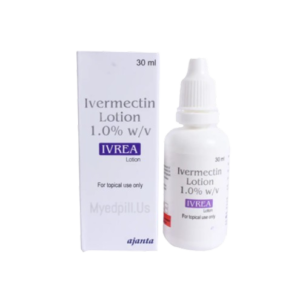
Ivermectin Lotion (Ivrea) 1.0% w/w
$23.00 – $66.00Price range: $23.00 through $66.00 This product has multiple variants. The options may be chosen on the product page
❓ FAQs
What are the most common ivermectin side effects?
Commonly discussed side effects may include nausea, dizziness, headache, fatigue, and mild skin irritation.
Can ivermectin cause serious reactions?
Although uncommon, serious reactions such as allergic symptoms, neurological issues, or breathing difficulties may require urgent medical care.
Should I stop medication if I experience side effects?
Medication decisions should always be discussed with a qualified healthcare professional.
Can fake medications increase side effect risks?
Yes, counterfeit or improperly stored medications may increase safety concerns and should be avoided.
💊 Related Ivermectin Guides
One Response