🚚 Worldwide Shipping | πŸ”’ Secure Checkout | πŸ’¬ 24/7 Support

Welcome to PillsVital β€” Essential Care, Trusted Globally

Contact Us

+1 (354) 200-7417

Email Support

pillsvital8@gmail.com

Our Location

United States

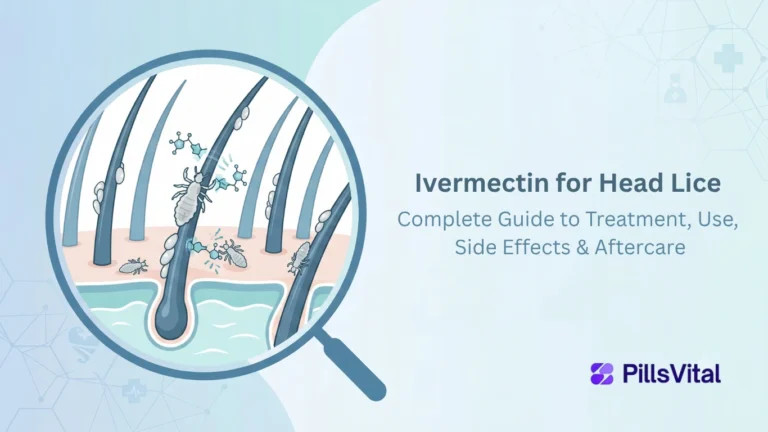
Head lice are one of the most common scalp infestations worldwide. They are not dangerous, but they can cause intense itching, discomfort, and stress. One of the treatment options used in resistant or stubborn cases is ivermectin, available in both topical and oral forms.

This guide explains everything in detail: what lice are, how ivermectin works, how to use it safely, possible side effects, and what to do after treatment.

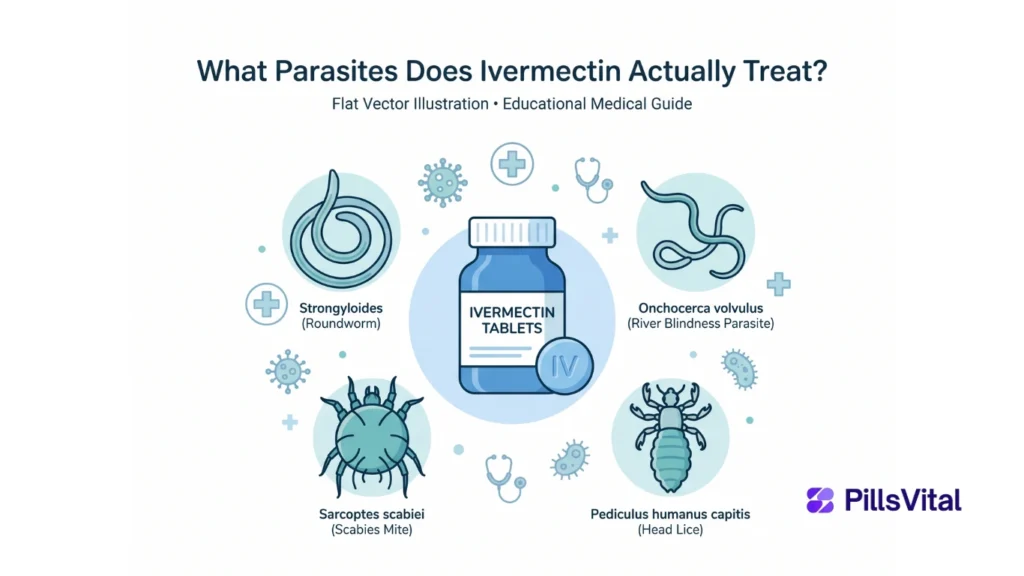
Head lice are also covered in related parasitic conditions like scabies and other infestations. Read more about ivermectin treatment uses in different infections in our guide on πŸ‘‰ What Parasites Does Ivermectin Treat?

What Are Head Lice?

Head lice are tiny parasitic insects (2–3 mm) that live on the human scalp and survive by feeding on small amounts of blood. They cannot live on animals or for long outside the human head, which makes direct human contact essential for their spread.

They stay close to the scalp and attach firmly to hair shafts using claw-like legs. Female lice lay eggs called nits, which are oval, white or yellowish, and stick tightly to hair near the scalp. These eggs hatch in about 7–10 days, continuing the infestation cycle if not removed.

Head lice spread mainly through head-to-head contact, especially among children in schools or crowded settings. Less commonly, they spread through sharing combs, hats, or pillows. Importantly, head lice cannot fly or jumpβ€”they only crawl from one hair strand to another.

According to the CDC, head lice are common in school-aged children and spread mainly through direct contact.

How Head Lice Spread

Head lice spread easily in crowded places like schools and households due to close contact.

They mainly spread through direct head-to-head contact, where lice crawl from one person’s hair to another during play or daily interaction. They can also spread by sharing personal items such as combs, brushes, scarves, hats, or pillows, which may carry live lice or eggs. Less commonly, they spread through infected bedding or clothing if used soon after an infested person.

Since head lice cannot fly or jump, they only spread by crawling through close contact or shared items.

Symptoms of Head Lice

Most common signs:

  • Persistent itching on scalp (especially behind ears and neck)
  • Feeling of crawling or movement in hair
  • Visible lice or eggs (nits)
  • Irritation or small red bumps on scalp
  • Difficulty sleeping due to itching

What is Ivermectin?

Ivermectin is an anti-parasitic medication used to kill a wide range of parasites, including head lice.

It works by targeting the nervous system of parasites, causing paralysis and death.

Available forms:

  • Topical lotion or cream (applied to scalp)
  • Oral tablets (taken by mouth in specific cases)

Common ivermectin products used include:

  • Ivermectin Lotion (Ivrea 1% w/w)
  • Ivermectin Cream 1% w/w
  • Ivermectin 12mg (Impect 12)
  • Ivermectin 6mg (Impect 6)
  • Ivermectin 3mg (Iverheal 3)
  • Ivermectin 6mg (Iverjohn 6)

How Ivermectin Works Against Lice

1. Binding to nerve and muscle cells

Ivermectin attaches to specific channels in the nerve and muscle cells of lice called glutamate-gated chloride channels.
These channels control how signals move in the parasite’s body. When ivermectin binds to them, it disrupts normal nerve function.

2. Causing paralysis

Because the nerve signals are disrupted, lice lose control over their muscles.

  • They become weak and unable to move
  • Eventually, they become completely paralyzed
  • This prevents them from feeding or attaching properly to hair

3. Stopping feeding and reproduction

Once paralyzed, lice:

  • Cannot bite the scalp to feed on blood
  • Stop laying eggs (nits)
  • Their life cycle is interrupted
    This helps prevent further spread of infestation.

4. Leading to death of lice

After paralysis and inability to feed, lice die naturally within a short time.
This makes ivermectin an effective treatment for reducing active lice on the scalp.

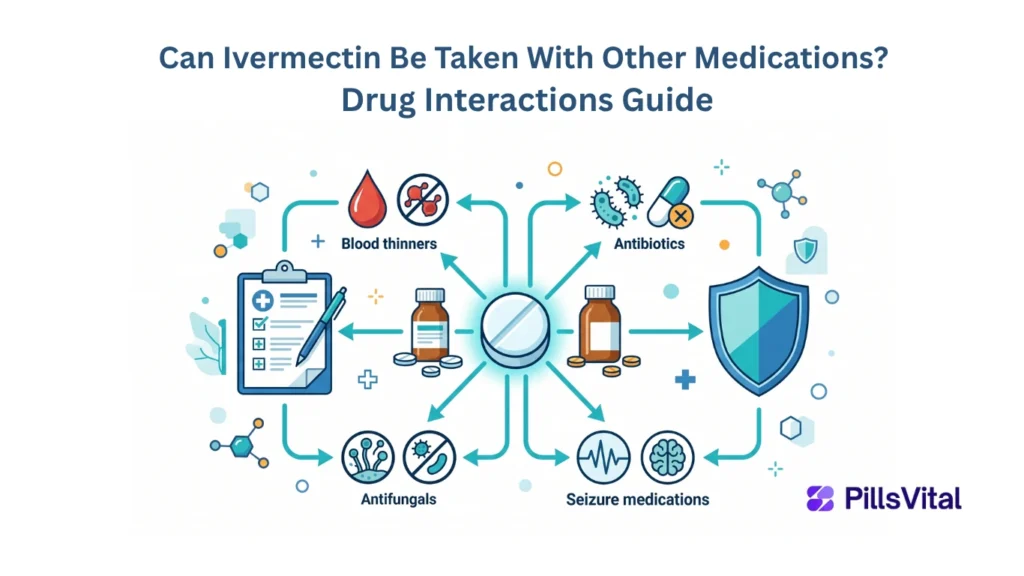
For more detailed understanding of drug action and interactions, see our full guide onπŸ‘‰ Ivermectin Drug Interactions Guide

When is Ivermectin Used for Head Lice?

Doctors usually prescribe ivermectin when:

  • Over-the-counter lice treatments fail
  • Repeated infestations occur
  • Severe scalp infestation is present
  • Lice are resistant to common treatments like permethrin
  • Fast treatment is required in difficult cases

How to Use Ivermectin for Head Lice

1. Topical Ivermectin (Lotion/Cream)

Example: Ivermectin Lotion (Ivrea 1% w/w)

Step-by-step usage:

  • Apply on dry scalp and hair
  • Spread evenly from roots to tips
  • Leave for 10 minutes
  • Rinse thoroughly with water
  • Avoid shampoo immediately after treatment unless advised

Important tips:

  • Do not apply on broken or irritated skin
  • Avoid contact with eyes and mouth
  • Use exactly as directed

2. Oral Ivermectin Tablets

Example: Ivermectin 12mg (Impect 12)

How it is used:

  • Taken orally with water
  • Dose depends on body weight and severity
  • Usually prescribed as a single dose and repeated after 7–10 days if required

Important:

  • Only use under medical supervision
  • Not suitable for self-medication
  • Not first-line treatment for mild lice cases

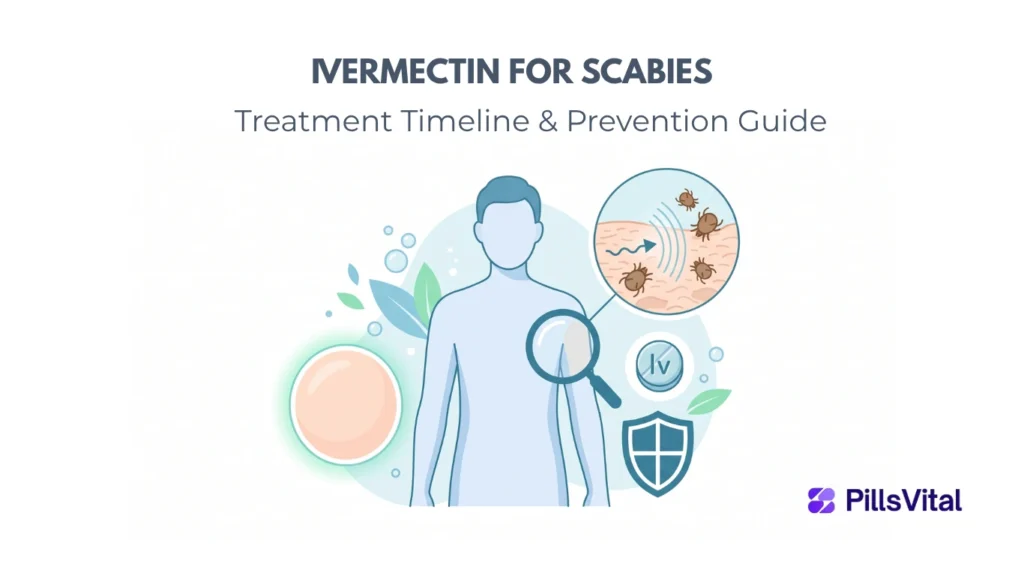
Oral ivermectin is also commonly used in other parasitic conditions like scabies. Learn more in πŸ‘‰ Ivermectin for Scabies Treatment Timeline & Prevention

Effectiveness / Success Rate

Ivermectin is considered highly effective, especially topical form.

Results observed:

  • Many cases improve after one application
  • Effective against both live lice and some immature forms
  • Oral ivermectin helps in resistant infestations
  • Best results when combined with combing and hygiene measures

Studies published by the NIH show ivermectin is effective in resistant lice cases when standard treatments fail.

What to Do After Taking Ivermectin

Treatment for head lice does not end after taking medication. Proper aftercare is essential to completely remove remaining lice and eggs (nits) and prevent reinfestation. Even a few surviving eggs can restart the infestation cycle within days.

1. Hair Care After Treatment

After using lice treatment (like ivermectin or other anti-lice products), scalp care becomes the most important step.

Use a fine-tooth lice comb daily (7–10 days)

  • Use a metal fine-tooth lice comb for best results
  • Comb wet or slightly damp hair for easier removal
  • Divide hair into small sections and comb slowly from root to tip
  • Focus on areas behind ears and neck (most common hiding spots)

πŸ‘‰ This step helps remove:

  • Dead lice
  • Remaining live lice
  • Nits (eggs attached to hair shafts)

Manually remove lice and nits

  • After combing, check hair strand by strand
  • Use fingers or tweezers if needed to remove stubborn nits
  • Nits are usually white or yellowish and stick tightly to hair

Regular scalp checks

  • Check scalp every 1–2 days for at least 2 weeks
  • Look for:
    • New eggs near scalp
    • Small moving lice
    • Persistent itching
  • Early detection prevents full reinfestation

2. Home Hygiene After Treatment

Lice can survive briefly on personal items, so cleaning the environment is very important.

Wash bedding and clothes properly

  • Wash pillow covers, bedsheets, towels, and clothes in hot water (at least 50–60Β°C)
  • Use detergent for thorough cleaning
  • Dry under strong sunlight or high heat drying cycle

πŸ‘‰ Heat kills lice and eggs effectively.

Clean combs and hair accessories

  • Soak combs, brushes, and hair accessories in hot water for 10–15 minutes
  • Alternatively, wash with hot soapy water
  • Dry completely before reuse

Vacuum and clean surroundings

  • Vacuum sofas, carpets, and car seats if possible
  • Focus on areas where head contact happens frequently
  • Dispose of vacuum bag or clean container after use

3. Family & Contact Precautions

Head lice spread easily in close-contact environments, so prevention must include everyone around the infected person.

Check all household members

  • Examine scalp of all family members
  • Even if symptoms are absent, mild infestations may still exist
  • Early detection prevents repeated spread within family

Treat infected contacts together

  • If multiple members are infected, treat them at the same time
  • This prevents β€œping-pong reinfestation” (passing lice back and forth)

Avoid sharing personal items

  • Do not share:
    • Combs and brushes
    • Pillows and bedding
    • Caps, scarves, or helmets
  • Teach children about personal hygiene rules

Key Reminder

Even after successful medication use, lice can return if:

  • Eggs are left behind
  • Environment is not cleaned
  • Close contacts are not checked

πŸ‘‰ That’s why combining treatment + hygiene + family care is the most effective strategy for complete lice removal.

Side Effects of Ivermectin

Common side effects:

  • Mild headache
  • Dizziness
  • Nausea
  • Stomach discomfort
  • Temporary skin irritation (topical use)

Less common but important:

  • Rash or allergic reaction
  • Swelling of face or limbs
  • Severe dizziness
  • Eye irritation (if lotion contacts eyes)

Warning:

Seek medical help if severe allergic reactions occur.

WHO notes ivermectin is generally well tolerated when used correctly under medical supervision.

Safety Precautions

  • Do not self-medicate oral ivermectin
  • Follow exact dosage instructions
  • Avoid use in infants without medical advice
  • Pregnant or breastfeeding women should consult a doctor
  • Do not combine with unnecessary anti-parasitic drugs

Alternatives to Ivermectin for Head Lice

If ivermectin is not suitable or available, other treatments include:

  • Permethrin-based lotions/shampoos (first-line treatment)
  • Malathion lotion
  • Dimethicone-based treatments (non-toxic physical action)
  • Wet combing method (manual removal of lice and eggs)
  • Herbal or essential oil-based treatments (mild cases only)

Prevention Tips

  • Avoid head-to-head contact in schools or crowded places
  • Do not share combs, pillows, or caps
  • Regularly check children’s hair
  • Maintain clean bedding and clothing
  • Treat infestations early to prevent spread

Key Takeaway

Head lice are common but easily treatable. Ivermectin is a highly effective option, especially in resistant cases, with both topical and oral forms available. However, correct usage, hygiene practices, and follow-up care are essential for complete elimination and prevention of recurrence.

❓ FAQs

1. What is ivermectin used for in head lice?

Ivermectin is used to kill head lice by paralyzing and destroying their nervous system, stopping their ability to feed and reproduce.

Yes, ivermectin is highly effective, especially in cases where standard lice treatments fail or lice are resistant to other medications.

Ivermectin starts working quickly, and most lice die within a short time after application or oral intake, depending on the form used.

  • Topical ivermectin is applied directly to the scalp to kill lice on contact.
  • Oral ivermectin works through the bloodstream and is used for severe or resistant infestations.

In some cases, a second dose or repeat application may be needed after 7–10 days to kill newly hatched lice, as eggs may survive initial treatment.

Dr Emily Carter PharmD
Written By
Dr. Emily Carter, PharmD
Medical Content Reviewer & Health Research Writer

Dr. Emily Carter specializes in evidence-based health education and wellness content. She focuses on simplifying complex medical topics related to cancer awareness, nutrition, preventive healthcare, skincare, and lifestyle wellness for readers worldwide.

🩺
Medically Reviewed
Reviewed for Accuracy & Readability
Educational & Informational Health Content

This content is reviewed for medical accuracy, clarity, and alignment with current public health research. The article is intended for educational and informational purposes only and should not replace professional medical advice, diagnosis, or treatment.

Leave a Reply

Your email address will not be published. Required fields are marked *