
What Parasites Does Ivermectin Treat? Complete Guide
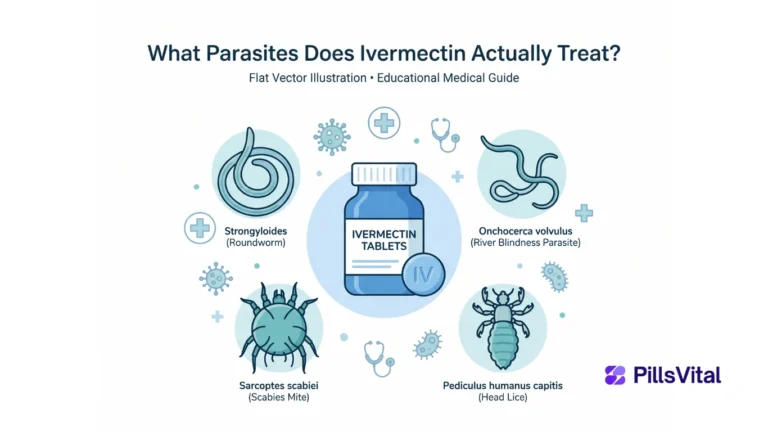
Ivermectin is one of the most widely used antiparasitic medications in the world. Since its introduction, it has helped millions of people combat parasitic infections that can affect the skin, intestines, eyes, and other parts of the body. However, many people mistakenly believe that ivermectin can treat every type of parasite. In reality, ivermectin is highly effective against specific parasites but not all of them.
If you’re wondering what parasites does ivermectin treat, this guide explains the conditions it is commonly prescribed for, how it works, and which infections require alternative treatments.
Before using ivermectin, learn about its proper dosage in our guide: ivermectin-dosage-guide
For a complete understanding of how this medication works in the body, you can also read our guide on How Does Ivermectin Work?
Strongyloidiasis
One of the most important medical uses of ivermectin is the treatment of strongyloidiasis, an intestinal infection caused by the roundworm Strongyloides stercoralis.
This parasite is commonly found in tropical and subtropical regions where sanitation conditions may be poor. Infection occurs when microscopic larvae present in contaminated soil penetrate the skin, often through bare feet. Once inside the body, the larvae travel through the bloodstream and lungs before reaching the intestines, where they mature into adult worms.
Many people with strongyloidiasis experience symptoms such as abdominal pain, diarrhea, nausea, bloating, weight loss, or skin rashes. In some cases, especially in individuals with weakened immune systems, the infection can become severe and spread throughout the body.
Ivermectin is considered the first-line treatment for strongyloidiasis because it effectively kills the parasite and helps clear the infection. Timely treatment is important because chronic infections can persist for years if left untreated..
Onchocerciasis (River Blindness)
Ivermectin is also widely used to treat onchocerciasis, commonly known as river blindness. This disease is caused by the parasitic worm Onchocerca volvulus and is transmitted through the bites of infected blackflies.
River blindness primarily affects communities in parts of Africa and some regions of Latin America. The infection can cause severe itching, skin changes, painful nodules under the skin, and progressive eye damage that may eventually lead to blindness.
What makes ivermectin particularly valuable is its ability to kill the immature larvae known as microfilariae. These larvae are responsible for most of the symptoms associated with the disease. Although ivermectin does not directly kill adult worms, repeated treatment significantly reduces parasite levels and helps prevent long-term complications.
Large-scale public health programs supported by organizations such as the World Health Organization (WHO) have used ivermectin successfully to reduce the burden of river blindness in affected regions.
WHO Neglected Tropical Diseases information can provide additional details about onchocerciasis and global control efforts.
Scabies
Scabies is another condition commonly treated with ivermectin. Unlike worm infections, scabies is caused by a microscopic mite called Sarcoptes scabiei.
The mites burrow beneath the skin, where they lay eggs and trigger an allergic reaction. This often results in intense itching, especially at night, along with a rash and small red bumps on the skin.
Scabies spreads through prolonged skin-to-skin contact and can easily pass among family members, nursing home residents, and people living in crowded environments.
While topical medications are often the first treatment choice, oral ivermectin is frequently prescribed for:
- Severe scabies infestations
- Crusted scabies
- Large outbreaks in institutions
- Cases that do not respond to topical treatment
- Individuals who cannot use topical medications
By eliminating the mites, ivermectin helps relieve symptoms and prevent further transmission.
Read our complete guide to Ivermectin Side Effects before starting treatment.
Head Lice
Ivermectin may also be used to treat head lice infestations, particularly when traditional lice treatments have failed.
Head lice are tiny insects that live on the scalp and feed on human blood. They spread primarily through direct head-to-head contact and are especially common among school-aged children.
Symptoms of head lice include persistent itching, scalp irritation, and visible lice or eggs (nits) attached to hair strands.
In cases where lice have developed resistance to standard over-the-counter products, healthcare providers may recommend ivermectin. The medication can be administered as an oral tablet or topical lotion depending on the specific treatment plan.
Ivermectin works by paralyzing and killing the lice, helping to eliminate the infestation and reduce the risk of recurrence.
Other Parasites That May Be Treated With Ivermectin
In some situations, healthcare providers may prescribe ivermectin for additional parasitic infections, including:
- Certain forms of lymphatic filariasis
- Cutaneous larva migrans
- Some mite-related skin infestations
- Selected tropical parasitic diseases
The use of ivermectin for these conditions depends on local treatment guidelines and individual patient circumstances.
What Parasites Does Ivermectin NOT Treat?
One of the biggest misconceptions about ivermectin is that it works against every type of parasite. While ivermectin is highly effective for specific parasitic infections such as strongyloidiasis, onchocerciasis, scabies, and head lice, it is not a universal antiparasitic medication. Different parasites have unique biological structures and life cycles, which means certain infections require entirely different treatments. Taking ivermectin for a condition it does not treat can delay proper diagnosis and lead to worsening symptoms. Understanding ivermectin’s limitations is just as important as understanding its approved uses.
Tapeworm Infections
Tapeworm infections are caused by flatworms that live in the digestive tract and absorb nutrients from the host. Common species include beef tapeworm (Taenia saginata), pork tapeworm (Taenia solium), and fish tapeworm (Diphyllobothrium latum).
People can become infected by consuming undercooked or contaminated meat and fish. While some individuals experience no symptoms, others may develop:
- Abdominal discomfort
- Nausea
- Weight loss
- Diarrhea
- Nutritional deficiencies
- Visible tapeworm segments in stool
Ivermectin is generally not effective against tapeworms because its mechanism of action targets parasites differently than medications designed to kill cestodes (tapeworms). Instead, healthcare providers commonly prescribe drugs such as praziquantel or albendazole, which are specifically effective against these infections.
For a detailed comparison between antiparasitic medications, see our guide on Ivermectin vs Albendazole.
Giardia (Giardiasis)
Giardiasis is caused by the microscopic protozoan parasite Giardia lamblia. It is one of the most common causes of waterborne gastrointestinal illness worldwide and is often contracted through contaminated drinking water, recreational water sources, or contaminated food.
Symptoms may include:
- Persistent diarrhea
- Abdominal cramping
- Excessive gas
- Bloating
- Nausea
- Fatigue
- Weight loss
Unlike worms and mites that ivermectin effectively targets, Giardia is a protozoan organism with a different biological structure. Because of this, ivermectin does not reliably eliminate Giardia infections.
Treatment typically involves medications such as:
- Metronidazole
- Tinidazole
- Nitazoxanide
Prompt treatment is important because untreated giardiasis can lead to chronic digestive issues and nutrient malabsorption.
Amoebiasis
Amoebiasis is an intestinal infection caused by the protozoan parasite Entamoeba histolytica. The infection is usually acquired through contaminated food or water and is more common in areas with poor sanitation.
Many infections are mild, but some individuals may experience:
- Abdominal pain
- Severe diarrhea
- Bloody stools
- Fever
- Weight loss
In severe cases, the parasite can spread beyond the intestines and cause liver abscesses or other complications.
Ivermectin is not routinely used to treat amoebiasis because it does not effectively target Entamoeba histolytica. Treatment generally requires medications specifically designed to eliminate protozoan parasites, such as:
- Metronidazole
- Tinidazole
- Paromomycin
Proper diagnosis is essential because symptoms can resemble those of many other digestive disorders.
Cryptosporidiosis
Cryptosporidiosis is caused by the microscopic parasite Cryptosporidium. The infection spreads through contaminated water, food, or contact with infected individuals and animals.
Common symptoms include:
- Watery diarrhea
- Stomach cramps
- Nausea
- Vomiting
- Dehydration
- Fever
Most healthy individuals recover within a few weeks, but the infection can be severe in people with weakened immune systems.
Ivermectin has not demonstrated consistent effectiveness against Cryptosporidium. Instead, treatment focuses on:
- Maintaining hydration
- Managing symptoms
- Using medications such as nitazoxanide when appropriate
Because cryptosporidiosis can spread easily through contaminated water, preventive hygiene measures are particularly important.
Malaria
Many people assume that ivermectin can treat malaria because malaria is caused by parasites. However, malaria parasites are fundamentally different from the worms and mites that ivermectin is designed to target.
Malaria is caused by Plasmodium parasites, which are transmitted through the bite of infected mosquitoes. Symptoms may include:
- High fever
- Chills
- Sweating
- Headache
- Muscle aches
- Fatigue
- Nausea
Without prompt treatment, malaria can become life-threatening and lead to complications affecting the brain, kidneys, lungs, and other organs.
Although researchers have studied ivermectin for its potential effects on mosquitoes that spread malaria, it is not considered a standard treatment for malaria infection itself. Confirmed malaria cases require specialized antimalarial medications such as:
- Artemisinin-based combination therapies (ACTs)
- Chloroquine (where effective)
- Atovaquone-proguanil
- Quinine-based treatments
Individuals with suspected malaria should seek immediate medical evaluation rather than self-treating with ivermectin.
Viral Infections
Ivermectin is an antiparasitic medication—not an antiviral drug. Viruses reproduce differently from parasites, which means medications effective against parasites generally do not work against viral infections.
Ivermectin is not approved as a routine treatment for viral illnesses such as:
- Influenza (flu)
- Common cold
- Respiratory syncytial virus (RSV)
- Viral gastroenteritis
Treatment for viral infections usually focuses on symptom management, rest, hydration, and antiviral medications when indicated.
Patients should always follow current medical guidelines and healthcare provider recommendations when seeking treatment for viral illnesses.
Bacterial Infections
Bacterial infections are caused by bacteria rather than parasites, making them fundamentally different diseases that require different treatments.
Ivermectin does not treat bacterial infections such as:
- Strep throat
- Bacterial pneumonia
- Urinary tract infections (UTIs)
- Tuberculosis
- Cellulitis
These conditions often require antibiotics selected according to the specific bacteria involved and the severity of the infection.
Using ivermectin instead of appropriate antibiotics may allow bacterial infections to worsen and potentially cause serious complications.
Fungal Infections
Fungal infections are caused by organisms such as yeasts and molds. Since ivermectin has no antifungal activity, it is not effective against fungal diseases.
Examples include:
- Ringworm
- Athlete’s foot
- Jock itch
- Nail fungus
- Oral thrush
- Vaginal yeast infections
These conditions are usually treated with antifungal medications such as:
- Clotrimazole
- Fluconazole
- Terbinafine
- Ketoconazole
Accurate diagnosis helps ensure the correct treatment is prescribed.
Why Using the Right Medication Matters
Not all infections respond to the same medication. While ivermectin remains an important treatment for several parasitic diseases, using it for conditions it does not treat may delay appropriate care and increase the risk of complications. Many infections can produce similar symptoms, making professional diagnosis essential.
If you are unsure whether ivermectin is appropriate for your condition, consult a qualified healthcare provider and review our Ivermectin Drug Interactions Guide and Ivermectin Safety Guide before starting treatment. Choosing the right medication based on an accurate diagnosis is the safest and most effective approach to managing any infection.
Why Proper Diagnosis Is Important
Many parasitic infections share symptoms with other health conditions. Diarrhea, skin rashes, fatigue, itching, and abdominal pain can result from a wide range of illnesses. Taking ivermectin without a proper diagnosis may delay appropriate treatment and potentially worsen the underlying condition.
Healthcare providers may use stool tests, blood tests, skin examinations, and other diagnostic tools to determine whether ivermectin is the right treatment for a specific infection.
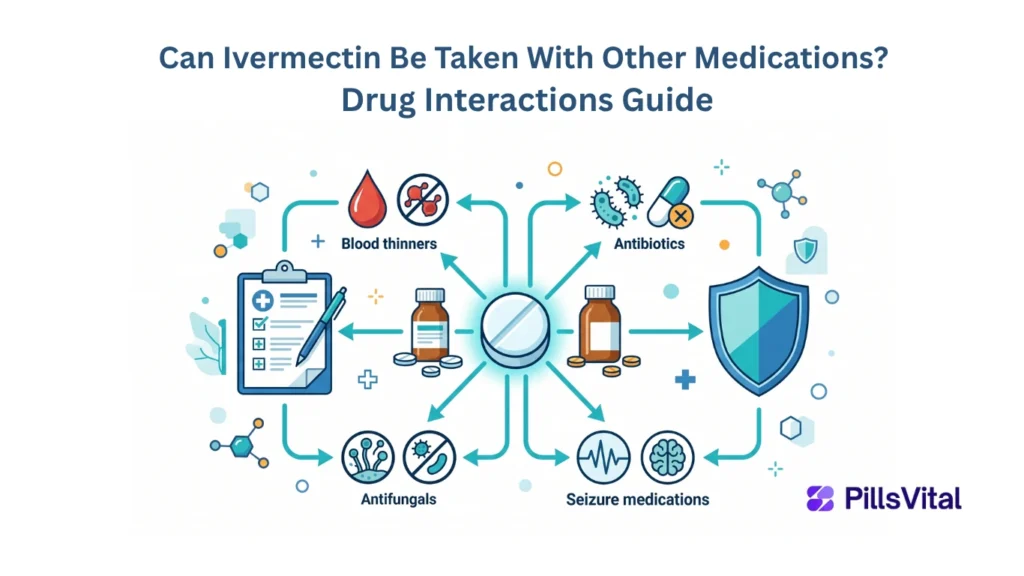
Additionally, before starting treatment, it is important to review potential medication interactions. Our Ivermectin Drug Interactions Guide explains which medications may affect ivermectin’s safety and effectiveness.
Final Thoughts
If you’re asking what parasites does ivermectin treat, the medication is most commonly used for strongyloidiasis, onchocerciasis (river blindness), scabies, and certain cases of head lice. It may also be prescribed for some other parasitic infections under medical supervision. However, ivermectin does not treat every parasite and is generally not effective against protozoan infections such as Giardia, amoebiasis, or cryptosporidiosis, nor is it used as a primary treatment for malaria or tapeworm infections.
For the safest and most effective results, ivermectin should always be used according to a healthcare provider’s recommendations and only after an accurate diagnosis has been made.
Related Health Resources
-
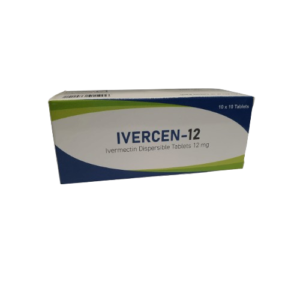
Ivermectin 12mg Tablets (Ivercen 12)
$78.00 – $190.00Price range: $78.00 through $190.00 This product has multiple variants. The options may be chosen on the product page -
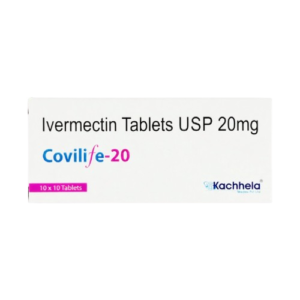
Ivermectin 20mg (Covilife 20mg) Tablets
$132.00 – $275.00Price range: $132.00 through $275.00 This product has multiple variants. The options may be chosen on the product page -
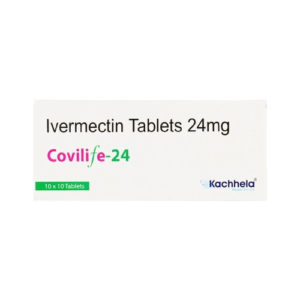
Ivermectin 24mg (Covilife 24mg) Tablets
$132.00 – $380.00Price range: $132.00 through $380.00 This product has multiple variants. The options may be chosen on the product page -
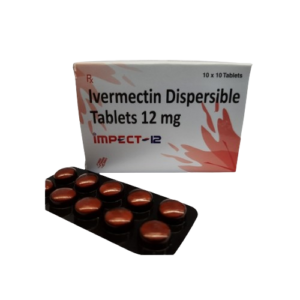
Ivermectin 12mg Tablets (Impect 12)
$78.00 – $185.00Price range: $78.00 through $185.00 This product has multiple variants. The options may be chosen on the product page
❓ FAQs
What parasites does ivermectin treat in humans?
Ivermectin is commonly used to treat several parasitic infections, including strongyloidiasis, onchocerciasis (river blindness), scabies, and certain cases of head lice. It may also be prescribed for some other parasitic conditions depending on medical guidelines and a healthcare provider’s recommendation.
Is ivermectin effective against all intestinal worms?
No. While ivermectin is highly effective against specific parasites such as Strongyloides stercoralis, it does not treat all intestinal worm infections. Some parasites may require alternative medications such as albendazole, mebendazole, or praziquantel.
Can ivermectin treat scabies?
Yes. Ivermectin is often prescribed for severe scabies, crusted scabies, outbreaks in care facilities, or cases that do not respond to topical treatments. It works by killing the mites responsible for the infestation.
Does ivermectin kill head lice?
Yes. Ivermectin can help eliminate head lice, particularly when traditional lice treatments have failed or resistance has developed. It may be used as an oral medication or a topical treatment depending on the situation.
Can ivermectin treat tapeworm infections?
No. Ivermectin is generally not considered the preferred treatment for tapeworm infections. Medications such as praziquantel or albendazole are commonly used to treat beef, pork, and fish tapeworm infections.
Does ivermectin work against Giardia or amoebiasis?
No. Giardia and amoebiasis are protozoan infections that require different medications. Ivermectin is not considered effective against these parasites and is not routinely prescribed for their treatment.
💊 Related Ivermectin & Medication Safety Guides

Dr. Emily Carter specializes in evidence-based health education and wellness content. She focuses on simplifying complex medical topics related to cancer awareness, nutrition, preventive healthcare, skincare, and lifestyle wellness for readers worldwide.
This content is reviewed for medical accuracy, clarity, and alignment with current public health research. The article is intended for educational and informational purposes only and should not replace professional medical advice, diagnosis, or treatment.