
Ivermectin for Children: Safety, Age Guidelines, Dosage, and What Parents Must Know
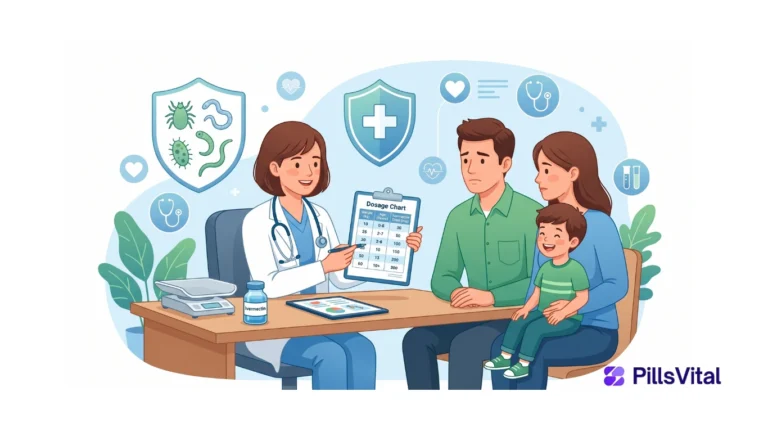
Parents naturally want safe and effective treatments when their child develops a parasitic infection. One medication that may be prescribed in specific situations is ivermectin. However, because children process medications differently than adults, understanding the benefits, risks, and proper use of ivermectin is essential.
This guide explains everything parents should know about ivermectin for children, including age considerations, weight-based dosing principles, safety concerns, potential side effects, and when to seek medical advice.
What Is Ivermectin?
Ivermectin is a prescription antiparasitic medication used to treat several parasitic infections in humans. It works by interfering with the nervous system of parasites, helping eliminate them from the body.
Doctors may prescribe ivermectin for conditions such as:
- Scabies
- Strongyloidiasis
- Certain intestinal worm infections
- Some parasitic skin conditions
- Head lice in specific circumstances
While ivermectin has been used worldwide for decades, it should only be used under the supervision of a qualified healthcare provider, especially in children.
Want to learn more about how this medication works? Read our complete guide on The Truth About Ivermectin : How It’s Actually Work
According to the World Health Organization (WHO), ivermectin has been used globally for the treatment and control of several parasitic diseases and remains an important medication in public health programs.
Is Ivermectin Safe for Children?
The safety of ivermectin depends on several factors, including the child’s age, body weight, overall health, and the condition being treated.
Medical professionals generally consider ivermectin safe when prescribed appropriately and taken according to instructions. However, children require extra caution because their bodies may respond differently to medications than adults.
For this reason, ivermectin should never be given to a child without medical guidance.
Age Considerations for Ivermectin Use in Children
One of the most important factors in determining whether ivermectin is appropriate for a child is body weight.
Traditionally, ivermectin has been used in children who weigh at least 15 kilograms (approximately 33 pounds). This recommendation is based on available safety data and clinical experience.
The U.S. Food and Drug Administration (FDA) provides prescribing information and safety recommendations regarding ivermectin use, including important precautions and dosing considerations.
Why Age and Weight Matter
Children have developing organs and metabolic systems that affect how medications are absorbed, distributed, and eliminated from the body.
Factors that influence medication safety include:
- Liver function
- Kidney function
- Body composition
- Immune system development
- Ability to metabolize medications
Because of these factors, healthcare providers carefully evaluate each child’s situation before prescribing ivermectin.
Parents should also understand possible medication interactions. Learn more in our article on Medicines That May Interact With Ivermectin.
Weight-Based Dosing Principles
Unlike some medications that are prescribed based primarily on age, ivermectin dosing is usually calculated according to body weight.
Healthcare providers determine the appropriate dose by considering:
- Child’s weight
- Type of infection
- Severity of infection
- Medical history
- Other medications being taken
This individualized approach helps maximize effectiveness while minimizing the risk of side effects.
Why Accurate Dosing Matters
Giving too little ivermectin may fail to eliminate the infection completely.
Giving too much may increase the likelihood of adverse effects and toxicity.
For this reason:
- Never estimate a dose
- Never split tablets without professional guidance
- Never use veterinary ivermectin products
- Always follow the exact instructions provided by a healthcare professional
Conditions for Which Children May Receive Ivermectin
Ivermectin is not prescribed for every childhood illness. It is primarily used to treat specific parasitic infections when a healthcare provider determines that the benefits outweigh the potential risks. The exact treatment plan depends on the type of infection, the child’s age and weight, and their overall health.
Below are some of the most common situations in which ivermectin may be considered for children.
Scabies
Scabies is a highly contagious skin condition caused by tiny microscopic mites known as Sarcoptes scabiei. These mites burrow into the upper layer of the skin, where they lay eggs and trigger an allergic reaction that leads to intense itching and irritation.
Common Symptoms of Scabies in Children
Children with scabies may experience:
- Severe itching, especially at night
- Small red bumps or rash
- Thin, wavy lines on the skin called burrows
- Skin irritation between the fingers and toes
- Rash around the wrists, elbows, waist, and armpits
- Difficulty sleeping due to persistent itching
Because scabies spreads easily through close physical contact, it often affects multiple members of the same household.
When Ivermectin May Be Prescribed for Scabies
Topical treatments such as medicated creams are usually the first-line treatment. However, healthcare providers may recommend oral ivermectin in certain situations, including:
Widespread Scabies Infection
When scabies affects large areas of the body, applying topical medications thoroughly can become difficult. Oral ivermectin may provide a more convenient treatment option in these cases.
Failure of Topical Treatments
Some children continue to experience symptoms even after using prescription creams correctly. Healthcare providers may consider ivermectin if topical therapies have not successfully eliminated the infestation.
Multiple Family Members Are Infected
When several people in a household have scabies simultaneously, oral treatment may help simplify management and reduce the risk of reinfestation.
Crusted Scabies
Crusted scabies is a severe form of infestation involving thousands or even millions of mites. It is more common in individuals with weakened immune systems and typically requires aggressive treatment, often including ivermectin alongside topical therapies.
What Parents Should Know
Even after successful treatment, itching may continue for several weeks because the body is still reacting to dead mites and their debris. This does not necessarily mean treatment has failed.
Parents should also:
- Wash bedding, towels, and clothing in hot water
- Vacuum furniture and carpets
- Treat close contacts if advised by a healthcare provider
- Follow all treatment instructions carefully
Strongyloidiasis
Strongyloidiasis is a parasitic infection caused by the worm Strongyloides stercoralis. The parasite enters the body through contact with contaminated soil and can establish a long-term infection if left untreated.
Although more common in tropical and subtropical regions, strongyloidiasis can occur anywhere.
Symptoms of Strongyloidiasis in Children
Many infected children have no symptoms initially. When symptoms occur, they may include:
- Abdominal pain
- Diarrhea
- Nausea
- Loss of appetite
- Unexplained weight loss
- Skin rashes
- Persistent cough in some cases
Why Treatment Is Important
One unique characteristic of Strongyloides is its ability to remain in the body for years through a process known as autoinfection. This means the parasite can repeatedly reinfect the same person without additional exposure.
If left untreated, strongyloidiasis may lead to:
- Chronic digestive problems
- Nutritional deficiencies
- Severe infection in immunocompromised individuals
- Life-threatening complications in rare cases
Role of Ivermectin
Ivermectin is widely regarded as one of the most effective treatments for strongyloidiasis. It works by paralyzing and killing the parasites, allowing the body to eliminate them naturally.
Healthcare providers determine the appropriate treatment schedule based on:
- The child’s weight
- Severity of infection
- Laboratory test results
- Overall health status
Follow-up testing may sometimes be recommended to confirm that the infection has been completely cleared.
Head Lice
Head lice are tiny insects that live on the scalp and feed on small amounts of blood. They are especially common among school-aged children and spread primarily through direct head-to-head contact.
Although head lice are annoying and highly contagious, they do not spread serious diseases.
Common Signs of Head Lice
Parents may notice:
- Persistent scalp itching
- Tickling sensation in the hair
- Visible lice crawling on the scalp
- Small white eggs (nits) attached to hair shafts
- Irritated skin from scratching
Standard Treatment Options
Most cases of head lice are successfully treated using:
- Over-the-counter lice shampoos
- Prescription topical medications
- Fine-tooth nit combs
- Household cleaning measures
When Ivermectin May Be Considered
Oral ivermectin is generally not the first treatment choice for head lice. However, healthcare providers may consider it when:
- Standard treatments have repeatedly failed
- Lice have become resistant to topical medications
- The infestation is particularly severe
- Compliance with topical treatment is difficult
Importance of Proper Diagnosis
Many children are treated for head lice unnecessarily because dandruff, hair products, and other scalp conditions can resemble lice eggs. A healthcare professional can confirm the diagnosis and determine whether treatment is needed.
Common Side Effects of Ivermectin in Children
Most children tolerate ivermectin well when taken as prescribed.
Some common side effects may include:
- Nausea
- Vomiting
- Diarrhea
- Dizziness
- Fatigue
- Mild headache
- Temporary skin irritation
These effects are usually mild and often resolve without additional treatment.
Additional medication safety information and adverse effect details can be reviewed through the MedlinePlus Drug Information Database.
Serious Side Effects Parents Should Watch For
Although uncommon, serious reactions can occur.
Seek medical attention immediately if your child experiences:
- Severe dizziness
- Difficulty breathing
- Facial swelling
- Severe rash
- Loss of coordination
- Confusion
- Extreme drowsiness
- Seizures
Prompt medical evaluation is important whenever serious symptoms develop.
Drug Interactions and Safety Considerations
Certain medications may affect how ivermectin works or increase the risk of side effects.
Examples include:
- Blood thinners
- Certain anti-seizure medications
- Immunosuppressants
- Some cholesterol medications
- Certain HIV medications
Parents should always provide a complete medication list before treatment begins.
Important Safety Tips for Parents
When a healthcare provider prescribes ivermectin for your child, following the treatment plan carefully is essential for both safety and effectiveness. Even when symptoms begin to improve quickly, proper medication use helps ensure the infection is fully treated while reducing the risk of complications or side effects.
Here are some important safety guidelines every parent should follow.
Follow Prescribed Instructions Exactly
Always give ivermectin exactly as directed by your child’s healthcare provider.
The dosage is carefully calculated based on factors such as:
- Body weight
- Age
- Type of infection
- Medical history
- Other medications being taken
Changing the dosage on your own can increase the risk of treatment failure or adverse effects.
Avoid Common Mistakes Such As:
- Giving an extra dose because symptoms seem severe
- Skipping doses when symptoms improve
- Splitting tablets differently than instructed
- Using someone else’s prescription
- Following dosage advice found online instead of professional medical guidance
If you are unsure how to administer the medication, consult your pharmacist or healthcare provider before giving the dose.
Complete the Recommended Treatment Plan
Many parents assume treatment can stop once symptoms improve. However, symptom relief does not always mean the infection has been completely eliminated.
For example:
- Scabies itching may continue for several weeks even after successful treatment.
- Certain parasitic infections may require repeat doses.
- Some infections need follow-up monitoring to ensure complete clearance.
Stopping treatment too early may:
- Allow parasites to survive
- Increase the chance of reinfection
- Delay recovery
- Require additional treatment later
Always follow the treatment schedule exactly as prescribed, even if your child appears fully recovered.
Why Completing Treatment Matters
A complete treatment plan helps:
- Eliminate remaining parasites
- Reduce recurrence risk
- Improve treatment success rates
- Prevent ongoing transmission to family members when applicable
Monitor for Side Effects
Although ivermectin is generally well tolerated when used appropriately, parents should monitor their child closely after treatment begins.
Most side effects are mild and temporary, but it is important to recognize potential warning signs.
Common Side Effects
Some children may experience:
- Mild nausea
- Stomach discomfort
- Diarrhea
- Headache
- Dizziness
- Fatigue
- Temporary skin irritation
These symptoms often resolve on their own and may not require medical intervention.
Signs That Require Medical Attention
Contact a healthcare provider if your child develops:
- Severe dizziness
- Difficulty walking
- Persistent vomiting
- Significant rash
- Facial swelling
- Difficulty breathing
- Extreme drowsiness
- Confusion or unusual behavior
Prompt medical evaluation can help determine whether symptoms are related to the medication or another underlying issue.
Keep a Symptom Journal
Parents may find it helpful to note:
- When the medication was taken
- Any side effects observed
- Changes in symptoms
- Questions for future appointments
This information can help healthcare providers assess treatment progress.
Follow Prescribed Instructions Exactly
Proper storage helps maintain medication effectiveness and prevents accidental ingestion.
Recommended Storage Practices
Keep ivermectin:
- Out of reach and sight of children
- In its original packaging
- At room temperature unless otherwise directed
- Away from direct sunlight
- Away from excessive heat
- Away from moisture and humidity
Avoid storing medication in:
- Bathrooms
- Kitchen cabinets near stoves
- Vehicles
- Areas with large temperature fluctuations
Improper storage may reduce the medication’s effectiveness.
Protect Against Accidental Ingestion
Young children may mistake medication for candy or food.
To reduce risk:
- Use child-resistant containers
- Store medication in locked cabinets when possible
- Never leave tablets unattended on counters or tables
- Replace caps securely after each use
If accidental ingestion occurs, seek immediate medical advice.
Never Share Medication
One of the most important medication safety rules is never sharing prescriptions between children.
Even if another child appears to have similar symptoms, the treatment may not be appropriate.
Why Sharing Medication Is Dangerous
Each prescription is based on:
- The child’s body weight
- Medical condition
- Age
- Treatment goals
- Potential medication interactions
Using another person’s medication can result in:
- Incorrect dosing
- Delayed diagnosis
- Increased side effects
- Treatment failure
- Serious health risks
A medication that is safe for one child may not be safe for another.
Seek Professional Evaluation Instead
If another family member develops similar symptoms, schedule an evaluation with a healthcare professional rather than using leftover medication.
Proper diagnosis ensures that the right treatment is chosen for the specific condition.
Keep Healthcare Providers Informed
Before starting ivermectin, inform your healthcare provider about:
- Other prescription medications
- Over-the-counter products
- Vitamins and supplements
- Allergies
- Existing medical conditions
- Previous reactions to medications
Providing complete information helps reduce the risk of drug interactions and improves treatment safety.
Key Takeaway for Parents
Ivermectin can be an effective treatment for certain parasitic infections in children when used correctly. Parents play an important role in ensuring treatment success by following dosage instructions carefully, completing the full treatment plan, monitoring for side effects, storing the medication safely, and never sharing prescriptions with others.
Taking these precautions helps maximize the benefits of treatment while protecting your child’s health and safety.
When Should Parents Contact a Doctor?
Contact your child’s healthcare provider if:
- Symptoms do not improve
- Symptoms worsen
- New symptoms develop
- Side effects become severe
- You accidentally miss or repeat a dose
Prompt communication can help ensure safe and effective treatment.
Parents seeking further information about parasitic infections in children can review educational resources from the Centers for Disease Control and Prevention (CDC).
Conclusion
Ivermectin can be an effective treatment for specific parasitic infections in children when prescribed and monitored by a healthcare professional. Proper dosing, attention to safety guidelines, and awareness of potential side effects are critical for successful treatment.
Parents should never self-prescribe ivermectin or rely on online dosage recommendations. Always consult a qualified healthcare provider to determine whether ivermectin is appropriate for your child and to ensure it is used safely and effectively.
❓ FAQs
Can children take ivermectin?
Yes, ivermectin may be prescribed for certain parasitic infections in children when deemed appropriate by a healthcare professional.
Is ivermectin approved for all children?
No. Treatment decisions depend on factors such as weight, age, medical history, and the specific condition being treated.
Can I give my child veterinary ivermectin?
No. Veterinary formulations are not intended for human use and may contain concentrations that can be dangerous.
What should I do if my child misses a dose?
Contact your healthcare provider or pharmacist for guidance regarding the missed dose.
Related Health Resources
-
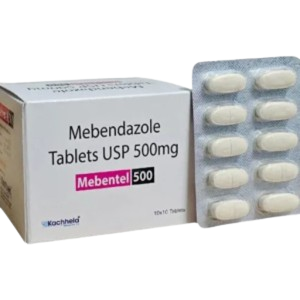
Mebendazole 500mg (Mebentel) tablets
$92.00 – $342.00Price range: $92.00 through $342.00 This product has multiple variants. The options may be chosen on the product page -
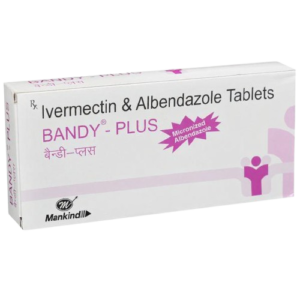
Ivermectin & Albendazole (Bandy-Plus Chewable) Tablets
$40.00 – $112.00Price range: $40.00 through $112.00 This product has multiple variants. The options may be chosen on the product page -
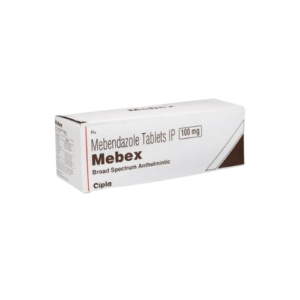
Mebendazole 100mg (Mebex) tablets
$42.00 – $115.00Price range: $42.00 through $115.00 This product has multiple variants. The options may be chosen on the product page -
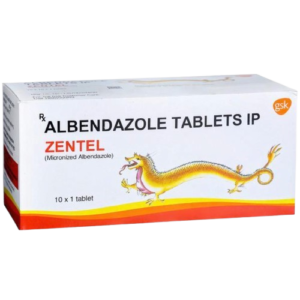
Albendazole 400mg (Zentel) Tablets
$92.00 – $182.00Price range: $92.00 through $182.00 This product has multiple variants. The options may be chosen on the product page
💊 Related Ivermectin Guides

Dr. Emily Carter specializes in evidence-based health education and wellness content. She focuses on simplifying complex medical topics related to cancer awareness, nutrition, preventive healthcare, skincare, and lifestyle wellness for readers worldwide.
This content is reviewed for medical accuracy, clarity, and alignment with current public health research. The article is intended for educational and informational purposes only and should not replace professional medical advice, diagnosis, or treatment.