
How Long Does Ivermectin Stay in Your System? Complete Guide to Half-Life, Metabolism, and Elimination
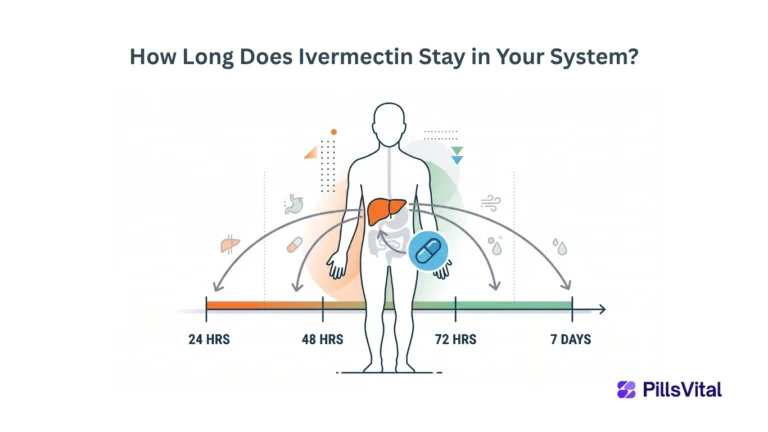
Many patients prescribed ivermectin ask an important question: How long does ivermectin stay in your system?
Whether you are taking ivermectin for a parasitic infection, scabies treatment, or another medically approved use, understanding how the drug is processed by the body can help you use it safely and know what to expect after treatment.
The answer is not always straightforward. While the average half-life of ivermectin is approximately 18 hours, several factors influence how quickly the medication leaves the body. Age, liver function, body weight, metabolism, dosage, and interactions with other medications can all affect clearance time.
In this detailed guide, you’ll learn:
- How ivermectin is absorbed
- What its half-life means
- How long it remains active
- How the liver eliminates it
- Why side effects may persist
- Factors that influence drug clearance
- Common myths about ivermectin elimination
Ivermectin’s half-life is approximately 18 hours, but the time it takes for the body to eliminate most of the medication can vary. Factors such as dose, liver function, age, other medicines, and individual metabolism can affect clearance.
| Question | Short answer |
|---|---|
| Ivermectin half-life | About 18 hours |
| 50% remaining | About 18 hours |
| 25% remaining | About 36 hours |
| 12.5% remaining | About 54 hours |
| Most drug eliminated | Several days |
| Does elimination vary? | Yes |
What Does "Stay in Your System" Mean?
When people ask “How long does ivermectin stay in your system?”, they are often referring to different aspects of how the medication behaves in the body. Understanding these differences can help prevent confusion when discussing treatment effectiveness, side effects, or drug elimination.
Although these concepts are related, they do not always follow the same timeline.
1. Drug Detectability: How Long Can Ivermectin Be Detected?
Drug detectability refers to how long traces of ivermectin or its metabolites can be found in the body after taking a dose.
Even after the medication stops actively treating an infection, small amounts may still be detectable in blood, tissues, or biological samples for several days. This does not necessarily mean the drug is still producing therapeutic effects.
For example, a patient may no longer experience any active benefit from ivermectin, but laboratory testing could still identify small residual amounts of the medication.
Factors affecting detectability include:
- Dosage taken
- Individual metabolism
- Liver function
- Body fat percentage
- Age
- Overall health
In most healthy adults, detectable traces gradually decline over several days after treatment.
2. Therapeutic Activity: How Long Does Ivermectin Continue Working?
Therapeutic activity refers to the period during which ivermectin is actively producing its intended medical effect.
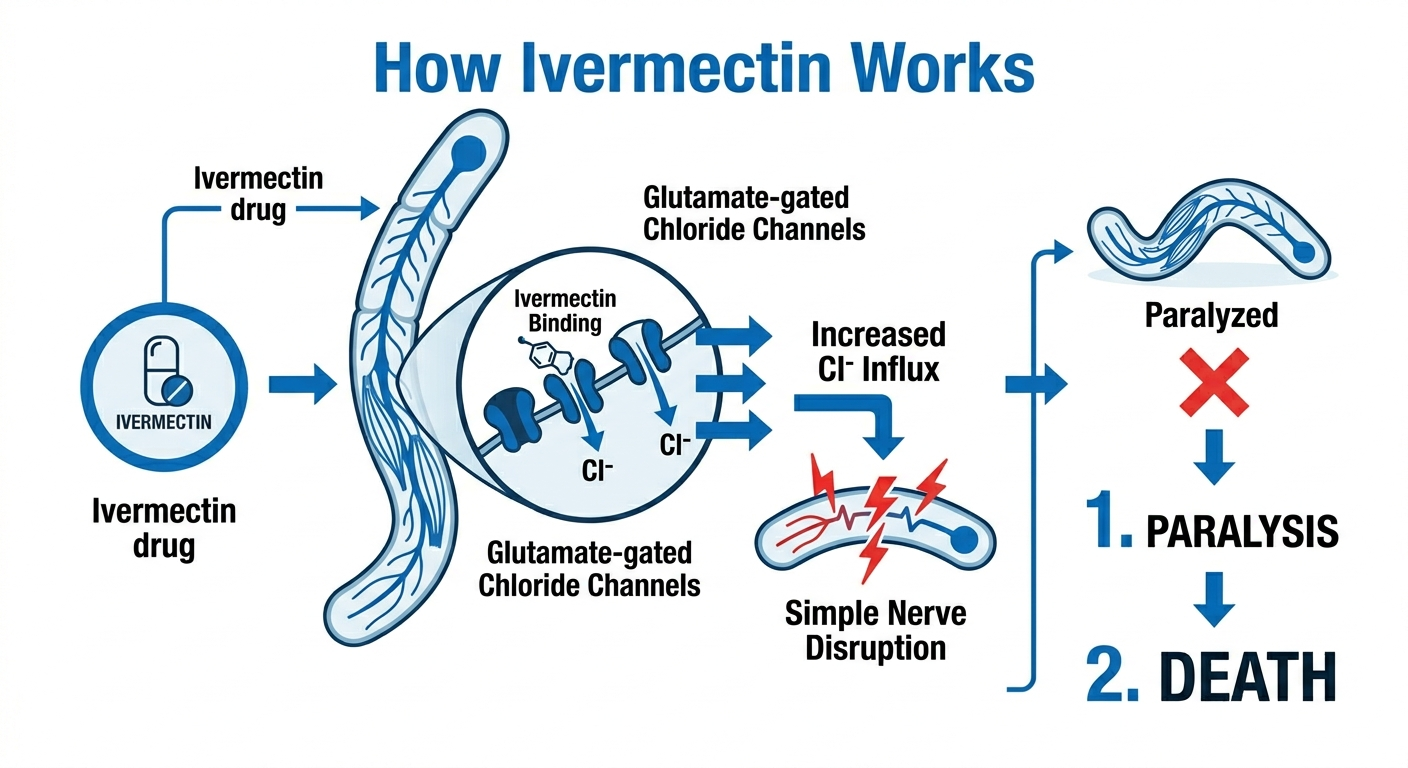
Many people assume that a drug works only while it remains in the bloodstream, but this is not always true. Ivermectin may continue influencing parasites even as blood levels begin to decrease.
For example, after ivermectin binds to parasite nerve and muscle cells, the treatment process continues even as the body starts eliminating the medication.
The duration of therapeutic activity depends on:
- Type of infection being treated
- Severity of infection
- Parasite life cycle
- Individual response to treatment
- Prescribed dosage
This is why some patients continue to improve for several days after taking a single dose.
3. Side Effects: How Long Can Symptoms Last?
Another common source of confusion involves side effects.
Some patients experience symptoms such as:
- Headache
- Dizziness
- Fatigue
- Nausea
- Mild stomach discomfort
These symptoms may persist even after ivermectin levels have significantly decreased.
There are several reasons for this:
The Body Is Still Recovering
The body may need time to return to normal after processing the medication.
Immune System Response
As parasites die, the immune system may react to parasite proteins and debris. This response can temporarily produce symptoms that resemble medication side effects.
Individual Sensitivity
Some individuals are more sensitive to medications and may notice lingering effects even when only tiny amounts remain in the body.
In most cases, mild side effects improve gradually without intervention.
4. Complete Elimination: When Is Ivermectin Fully Out of the Body?
Complete elimination refers to the point at which nearly all of the medication has been removed from the body.
This process takes much longer than many people realize.
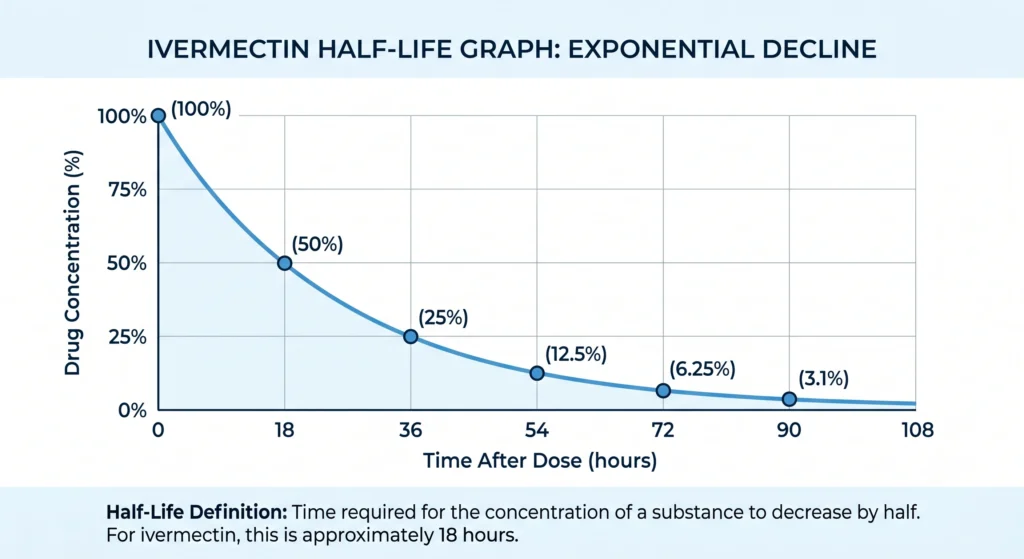
A drug is generally considered effectively eliminated after approximately five half-lives.
For ivermectin, which has an average half-life of around 18 hours, this means:
| Time After Dose | Approximate Drug Remaining |
|---|---|
| 18 Hours | 50% |
| 36 Hours | 25% |
| 54 Hours | 12.5% |
| 72 Hours | 6.25% |
| 90 Hours | 3.1% |
After about 4–7 days, most ivermectin has been eliminated from the body.
However, trace amounts or inactive metabolites may remain slightly longer, especially in individuals with slower metabolism or impaired liver function.
Why These Timelines Are Different
A common misconception is that therapeutic activity, side effects, detectability, and elimination all end at the same time.
In reality:
- A medication may stop working before it is completely eliminated.
- Side effects may continue after drug levels decline.
- Traces may remain detectable after therapeutic effects have ended.
- Complete elimination may take several days longer than symptom improvement.
Think of it like turning off a heater in a room. The heater stops running immediately, but the room may remain warm for some time afterward. Similarly, ivermectin’s effects, side effects, and detectability can continue on different timelines even as the body gradually clears the medication.
Quick Summary
| Concept | What It Means |
|---|---|
| Drug Detectability | How long traces can be found in the body |
| Therapeutic Activity | How long the medication continues working |
| Side Effects | How long symptoms may persist |
| Complete Elimination | How long before nearly all drug is removed |
Understanding these distinctions can help patients better interpret their recovery process and avoid mistakenly assuming that any lingering symptom means ivermectin is still actively present in the body.
Ivermectin Half-Life: How Long Does It Take to Leave the Body?
One of the most important concepts for understanding how long ivermectin stays in your system is its half-life.
In pharmacology, a drug’s half-life is the amount of time required for the concentration of that medication in the body to decrease by 50%.
This does not mean that half of the drug leaves the body all at once. Instead, the medication is gradually broken down and eliminated over time through natural metabolic processes.
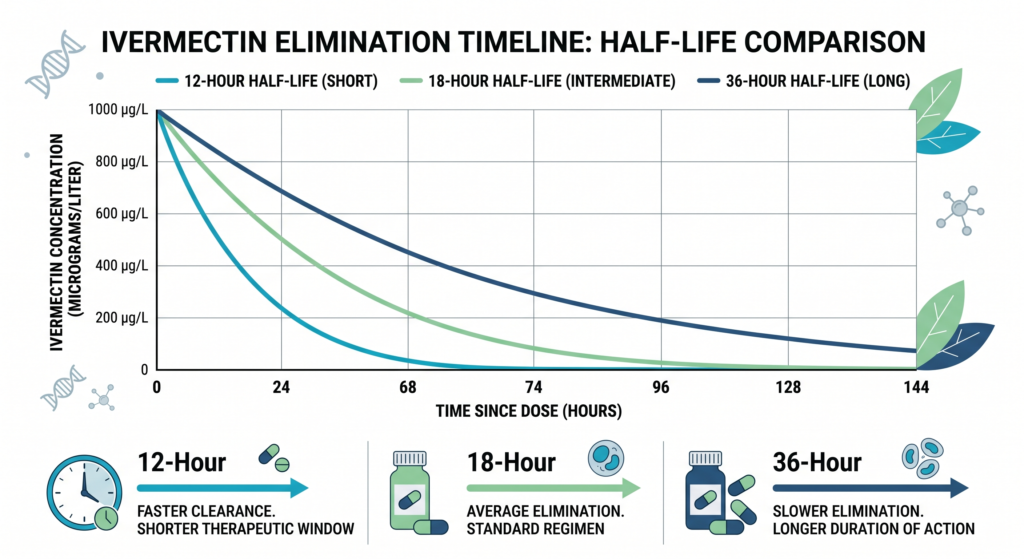
For ivermectin, the average half-life reported in clinical studies is approximately 18 hours, although it may range between 12 and 36 hours depending on the individual.
Ivermectin Half-Life Formula
The decline of ivermectin concentration can be represented mathematically:
C(t) = C₀(1/2)^t/t₁/₂
Where:
- C(t) = Drug concentration at time t
- C₀ = Initial drug concentration
- t = Time elapsed
- t₁/₂ = Drug half-life
This equation shows that ivermectin decreases exponentially rather than disappearing all at once.
A Simple Example of How Half-Life Works
Imagine you take a dose of ivermectin and the drug concentration in your body starts at 100%.
If your half-life is approximately 18 hours:
| Time After Dose | Drug Remaining |
|---|---|
| 0 Hours | 100% |
| 18 Hours | 50% |
| 36 Hours | 25% |
| 54 Hours | 12.5% |
| 72 Hours | 6.25% |
| 90 Hours | 3.1% |
| 108 Hours | 1.5% |
Notice that the amount never instantly reaches zero. Instead, it continues decreasing until only tiny traces remain.
This is why most medications are considered effectively eliminated after approximately five half-lives.
How Your Body Processes Ivermectin
To understand how long ivermectin stays in your system, it helps to know what happens to the medication after you swallow a tablet. Ivermectin does not simply enter the bloodstream and disappear. Instead, it goes through a complex journey involving absorption, distribution, metabolism, and excretion—a process known as pharmacokinetics.
Each stage affects how quickly the drug works and how long it remains in the body.
for detailed drug information about ivermectin see FDA Drug Information
Step 1: Absorption
The first stage begins immediately after swallowing an ivermectin tablet.
Once the tablet reaches the stomach and small intestine, it dissolves and releases the active medication. Ivermectin is then absorbed through the walls of the gastrointestinal tract and enters the bloodstream.
What Happens During Absorption?
- The tablet breaks down in the digestive system.
- Ivermectin passes through the intestinal lining.
- The drug enters the bloodstream.
- Blood circulation carries the medication throughout the body.
Unlike intravenous medications that enter directly into the bloodstream, oral ivermectin must first pass through the digestive system before it can begin working.
How Long Does Absorption Take?
In most healthy adults:
- Absorption begins within the first few hours.
- Peak blood concentrations usually occur approximately 4–5 hours after taking a dose.
- Some individuals may absorb the medication faster or slower depending on their digestive health.
Factors That Affect Absorption
Several factors can influence how much ivermectin enters the bloodstream:
Food Intake
Studies suggest that taking ivermectin with a high-fat meal can increase absorption because ivermectin is fat-soluble.
Digestive Health
Conditions affecting the stomach or intestines may influence absorption rates.
Age
Digestive efficiency can change with age, affecting how medications are absorbed.
Individual Differences
Genetics and overall health can also affect absorption efficiency.
Why Absorption Matters
The amount of ivermectin absorbed directly affects:
- Treatment effectiveness
- Blood concentration levels
- Duration of action
- Potential side effects
The better the drug is absorbed, the more medication becomes available to exert its therapeutic effect.
Step 2: Distribution – How Ivermectin Travels Through the Body
After entering the bloodstream, ivermectin begins the second phase known as distribution.
Distribution refers to how the medication moves from the blood into tissues and organs throughout the body.
What Happens During Distribution?
Once absorbed:
- Blood transports ivermectin throughout the body.
- The drug reaches target tissues.
- It interacts with parasites or organisms being treated.
- Some of the medication temporarily enters body tissues.
Think of the bloodstream as a transportation network delivering ivermectin to different parts of the body.
Why Ivermectin Is Different
One unique characteristic of ivermectin is that it is lipophilic, meaning it is highly attracted to fat.
Because of this property:
- Ivermectin dissolves easily in fatty tissues.
- Small amounts may temporarily accumulate in body fat.
- The drug can remain stored in tissues longer than water-soluble medications.
This is one reason ivermectin may remain detectable for several days after administration.
Protein Binding
Another important factor is that ivermectin strongly binds to blood proteins.
In many individuals:
- More than 90% of ivermectin is bound to plasma proteins.
- Only a small portion circulates freely.
- Bound drug acts as a temporary reservoir.
This protein binding helps extend the medication’s presence in the body.
Why Distribution Matters
Distribution influences:
- How quickly ivermectin reaches parasites
- How long it remains active
- Overall elimination time
- Duration of detectable drug levels
Step 3: Liver Metabolism – How the Body Breaks Down Ivermectin
After distribution, ivermectin enters the metabolism phase.
The liver is the primary organ responsible for processing and breaking down ivermectin.
For Liver Health Information NIH Liver Health
Why the Liver Is Important
The liver acts as the body’s chemical processing center.
Its job is to:
- Break down medications
- Convert drugs into metabolites
- Prepare substances for elimination
Without liver metabolism, medications would remain in the body much longer.
What Happens During Metabolism?
As blood passes through the liver:
- Ivermectin enters liver cells.
- Specialized enzymes begin modifying the drug.
- The medication is converted into several metabolites.
- These metabolites become easier for the body to eliminate.
Key Liver Enzymes
The liver uses enzyme systems belonging to the cytochrome P450 family, particularly:
- CYP3A4 enzymes
These enzymes help break ivermectin into compounds that can later be removed from the body.
Factors That Affect Metabolism
Liver Disease
Conditions such as:
- Cirrhosis
- Hepatitis
- Fatty liver disease
may slow ivermectin metabolism.
Age
Older adults often experience reduced liver enzyme activity.
Drug Interactions
Some medications can affect liver enzymes, altering how quickly ivermectin is processed.
Genetics
Natural genetic variations may influence enzyme efficiency.
Why Metabolism Matters
Metabolism determines:
- Drug half-life
- Duration of action
- Clearance speed
- Risk of accumulation
Individuals with slower metabolism may experience longer elimination times.
Step 4: Excretion – How Ivermectin Leaves the Body
The final stage is excretion.
Excretion refers to the process of removing ivermectin and its metabolites from the body.
Major Route: Stool
Most ivermectin leaves the body through the digestive tract.
After liver metabolism:
- Metabolites are secreted into bile.
- Bile enters the intestines.
- The drug is eventually eliminated in stool.
Research shows that the vast majority of ivermectin is excreted through feces.
Secondary Route: Bile
Bile is a digestive fluid produced by the liver.
It serves two important purposes:
- Helps digest fats
- Carries drug metabolites into the intestines
This bile pathway is a major reason why ivermectin elimination depends heavily on liver function.
Minor Route: Urine
Only a small percentage of ivermectin is eliminated through urine.
Compared with many other medications:
- Kidney excretion plays a relatively minor role.
- Most drug removal occurs through the liver and intestines.
How Long Does Excretion Take?
Although blood levels begin declining shortly after peak concentration:
- Significant elimination occurs over several days.
- Most ivermectin is removed within approximately 4–7 days.
- Trace amounts may persist slightly longer in some individuals.
The Complete Journey of Ivermectin
The entire process can be summarized as follows:
Hour 0
Tablet swallowed.
Hours 1–5
Drug absorption occurs.
Hours 4–5
Peak blood concentration reached.
Hours 5–72
Distribution and metabolism continue.
Days 3–7
Most of the medication is eliminated.
Beyond Day 7
Only trace amounts may remain in some individuals.
Why Understanding These Steps Matters
Knowing how ivermectin is absorbed, distributed, metabolized, and excreted helps explain why the medication does not disappear immediately after a dose.
Even after symptoms improve:
- Small amounts may remain in tissues.
- Metabolism continues in the liver.
- Elimination continues through bile and stool.
- Blood levels gradually decline according to the drug’s half-life.
This explains why ivermectin can remain detectable for several days while its therapeutic effects, side effects, and elimination all follow slightly different timelines.
Why Does Ivermectin Half-Life Vary Between People?
Not everyone processes medications at the same rate.
Several factors can influence ivermectin’s half-life.
1. Liver Function
The liver is the primary organ responsible for metabolizing ivermectin.
People with reduced liver function may eliminate the drug more slowly.
Examples include:
- Chronic liver disease
- Cirrhosis
- Hepatitis
- Fatty liver disease
A slower metabolism can increase the half-life and prolong drug exposure.
2. Age
Older adults often experience slower drug metabolism due to age-related changes.
These changes may include:
- Reduced liver blood flow
- Reduced enzyme activity
- Slower overall metabolism
As a result, ivermectin may remain in the body longer compared to younger healthy adults.
3. Body Composition
Ivermectin is lipophilic (fat-soluble).
Individuals with higher body fat percentages may store small amounts of the drug in fatty tissues, which can slightly affect elimination timing.
4. Drug Interactions
Certain medications can influence liver enzymes responsible for metabolizing ivermectin.
Examples include:
- Some antifungal medications
- Certain antibiotics
- HIV medications
- Anti-seizure drugs
These interactions may either increase or decrease ivermectin clearance rates.
5. Overall Health Status
Underlying health conditions may alter drug metabolism.
Factors include:
- Kidney function
- Nutritional status
- Chronic illness
- Genetic differences in metabolism
Why Half-Life Does Not Equal Treatment Duration
A common misunderstanding is that a drug only works while it is present at high levels in the bloodstream.
This is not always true.
Even as ivermectin levels begin to decrease:
- The medication may have already affected parasites.
- The body’s immune system continues clearing damaged parasites.
- Clinical improvement may continue for days after dosing.
This means the drug’s therapeutic effects can outlast its peak blood concentration.
What Happens After Five Half-Lives?
Healthcare professionals often use the “five half-life rule.”
For ivermectin:
| Half-Life Cycle | Drug Remaining |
|---|---|
| 1 Half-Life | 50% |
| 2 Half-Lives | 25% |
| 3 Half-Lives | 12.5% |
| 4 Half-Lives | 6.25% |
| 5 Half-Lives | 3.1% |
After five half-lives, approximately 97% of the medication has been eliminated.
For a typical ivermectin half-life of 18 hours:
18 × 5 = 90 hours
This equals approximately 4 days.
However, because some individuals have longer half-lives (up to 36 hours), complete elimination may take up to 7 days or longer.
Related Health Resources
-
Fenbendazole 500mg (Wormentel) Tablets
$78.00 – $304.00Price range: $78.00 through $304.00 This product has multiple variants. The options may be chosen on the product page -
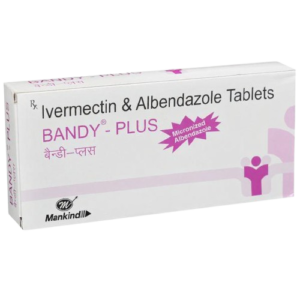
Ivermectin & Albendazole (Bandy-Plus Chewable) Tablets
$40.00 – $112.00Price range: $40.00 through $112.00 This product has multiple variants. The options may be chosen on the product page -
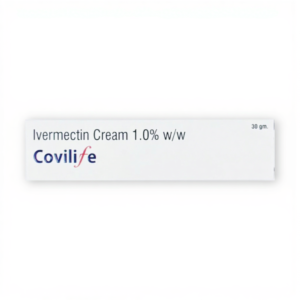
Ivermectin 1.0% w/w (Covilife) Cream
$78.00 – $230.00Price range: $78.00 through $230.00 This product has multiple variants. The options may be chosen on the product page -
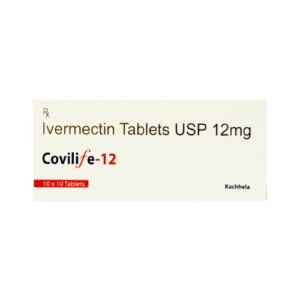
Ivermectin 12mg (Covilife) Tablet
$78.00 – $250.00Price range: $78.00 through $250.00 This product has multiple variants. The options may be chosen on the product page
❓ FAQs
How long does ivermectin stay in your system after one dose?
Most ivermectin is eliminated within 5–7 days, although trace amounts may remain slightly longer.
What is the half-life of ivermectin?
Ivermectin has an ivermectin half life of about 18 hours, meaning that after roughly 18 hours, the amount of ivermectin in the blood has fallen by about half.
Because medicines are eliminated gradually rather than all at once, the half life of ivermectin does not mean the drug is completely gone after 18 hours. As a general rule, several half-lives are needed for most of a drug to be eliminated. For ivermectin, this can mean it remains in the body for several days, although the amount becomes progressively smaller.
The elimination can vary based on factors such as liver function, age, dose, formulation, and other medicines being taken.
Can liver disease affect ivermectin elimination?
Yes. Reduced liver function may slow metabolism and clearance.
Does ivermectin stay longer in older adults?
In some cases, age-related changes can slow elimination.
Can side effects continue after ivermectin leaves the body?
Mild symptoms may temporarily persist even after blood levels decline.
💊 Related Ivermectin & Medication Safety Guides

Dr. Emily Carter specializes in evidence-based health education and wellness content. She focuses on simplifying complex medical topics related to cancer awareness, nutrition, preventive healthcare, skincare, and lifestyle wellness for readers worldwide.
This content is reviewed for medical accuracy, clarity, and alignment with current public health research. The article is intended for educational and informational purposes only and should not replace professional medical advice, diagnosis, or treatment.