
How to Prevent Chronic Diseases Naturally: Science-Backed Guide
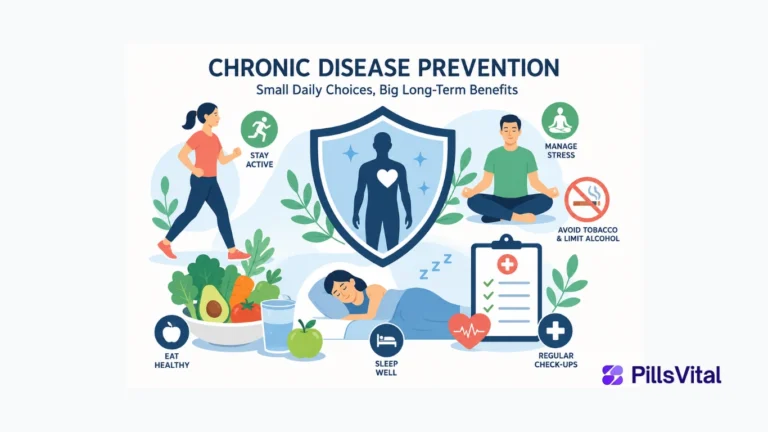
Chronic diseases don’t happen overnight—they develop slowly due to long-term imbalances in inflammation, metabolism, sleep, and hormones. Understanding chronic disease prevention helps reduce the risk of conditions like diabetes, cancer, and heart disease.
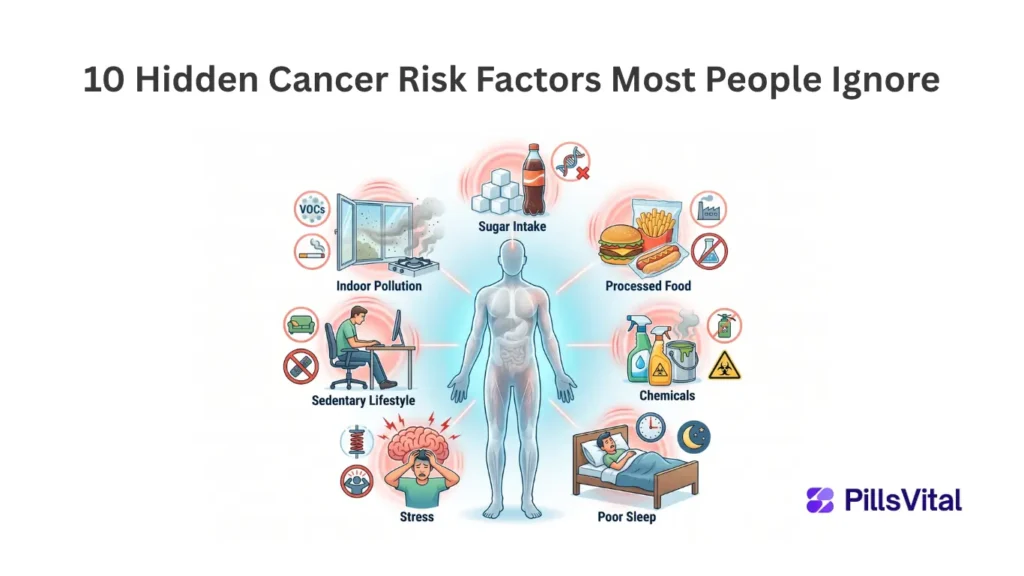
Understanding chronic disease prevention becomes even more important when you learn how to reduce cancer risk naturally.
1. What Chronic Disease Prevention Really Means
Chronic disease prevention means stopping long-term diseases before they begin by controlling the biological processes that cause gradual damage over time.
Instead of waiting for diseases like diabetes, heart disease, or cancer to appear, prevention focuses on keeping the body in a stable internal state where cells function normally.
At the core, prevention is about:
- Keeping blood sugar stable so cells don’t get “damaged” by spikes
- Reducing chronic inflammation that silently harms tissues
- Supporting organ function (liver, heart, brain, pancreas)
- Maintaining hormonal balance so metabolism stays predictable
Think of it like maintaining a machine: if all systems run smoothly, breakdowns become less likely.
2. Inflammation: The Root of Chronic Disease
Inflammation is the body’s defense system—but when it stays active for too long, it becomes harmful.
In chronic disease prevention, the goal is to reduce low-grade chronic inflammation, which is silent and ongoing.
It is triggered by:
- Ultra-processed food
- Excess sugar intake
- Poor sleep cycles
- Chronic psychological stress
- Lack of physical activity
Over time, this inflammation damages blood vessels, weakens insulin response, and accelerates cell aging.
This is why inflammation is linked to multiple conditions:
- Diabetes (insulin resistance increases)
- Heart disease (artery damage)
- Cancer risk (DNA repair disruption)
Controlling inflammation is one of the most important foundations of prevention.
Chronic inflammation plays a major role in many diseases. Learn more about cancer prevention strategies to understand how reducing inflammation may lower long-term risk.
3. Metabolism and Disease Risk
Metabolism is the system that converts food into energy. When it is stable, the body efficiently manages weight, energy, and blood sugar.
In poor metabolic health:
- Blood sugar rises too often
- Insulin stops working effectively (insulin resistance)
- Fat storage increases, especially around organs
- Energy levels fluctuate dramatically
This metabolic dysfunction increases risk for:
- Type 2 diabetes
- Fatty liver disease
- Cardiovascular disease
In some cases, supervised medical support like Weight loss medication may help restore metabolic balance when lifestyle changes alone are not enough.
Metabolic stability is one of the strongest predictors of long-term health.
Some people may benefit from weight loss medications and guides when lifestyle changes alone are not enough and treatment is recommended by a healthcare provider.
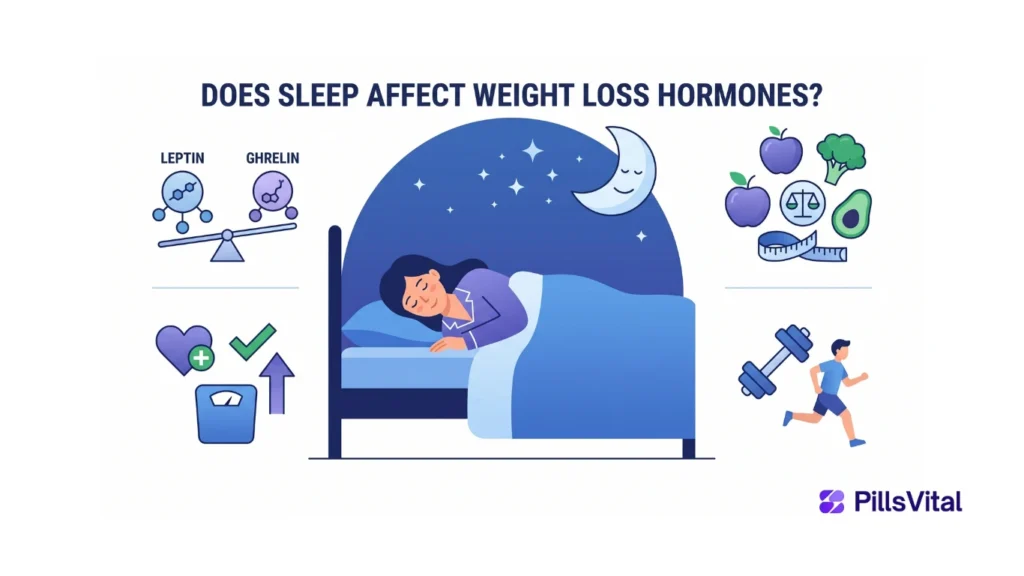
4. Sleep and Cellular Repair
Sleep is the body’s repair phase. During deep sleep, the body performs essential maintenance work that cannot happen while awake.
Good sleep supports:
- Hormone regulation (especially insulin and cortisol)
- Brain detoxification through glymphatic system activity
- Immune system strengthening
- Tissue and cell repair
When sleep is poor or irregular:
- Cortisol levels remain elevated
- Blood sugar becomes unstable
- Inflammation increases
- Fatigue and cravings increase
Even small chronic sleep disruptions can significantly increase disease risk over time.
For effective chronic disease prevention, sleep is not optional—it is biological maintenance. improve sleep quality, sleep and overall health, better sleep for wellness, sleep health guide, build a healthier sleep routine.
5. Hormonal Balance and Long-Term Health
Hormones act as chemical messengers controlling almost every system in the body.
Key hormones involved in disease prevention:
- Insulin → controls blood sugar and fat storage
- Cortisol → manages stress response
- Thyroid hormones → regulate metabolism
- Sex hormones (estrogen/testosterone) → influence energy, fat distribution, and recovery
When these hormones are imbalanced:
- Weight gain becomes easier
- Energy becomes unstable
- Mood and sleep get disrupted
- Metabolic diseases become more likely
Hormonal imbalance often develops slowly, making it a hidden but powerful driver of chronic disease. men’s sexual health guide, causes of erectile dysfunction, ED treatment options, improving sexual health, understanding erectile dysfunction.
6. Why Most People Fail at Prevention
Even when people understand health basics, chronic disease prevention often fails due to incomplete approaches.
Common mistakes:
- Focusing only on diet but ignoring sleep
- Exercising but remaining highly stressed
- Using supplements but ignoring lifestyle patterns
- Waiting for symptoms before acting
The key issue is that chronic disease is multi-systemic—it involves metabolism, inflammation, hormones, and behavior together.
If even one system remains imbalanced, disease risk still increases.
True prevention requires consistency across all systems, not perfection in one area. vitamin and supplement guide, choosing the right supplements, healthy supplement plan, supplement routine for adults, evidence-based supplements
7. Science-Backed Prevention Strategy
A strong prevention strategy works across four pillars:
1. Nutrition
- Emphasize whole foods (vegetables, protein, healthy fats)
- Reduce ultra-processed foods and sugar
- Maintain fiber intake for gut health
2. Physical Activity
- Daily walking improves insulin sensitivity
- Strength training preserves muscle and metabolism
- Movement reduces inflammation markers
3. Sleep Optimization
- Fixed sleep and wake times
- 7–9 hours of quality sleep
- Reduced nighttime screen exposure
4. Stress Management + Medical Care
- Stress reduction lowers cortisol
- Regular health screenings detect early risk
- Physician-guided treatments when necessary
Together, these form the foundation of effective chronic disease prevention.
8. Trusted Health Sources and Why They Matter
Scientific guidelines for chronic disease prevention are supported by global health institutions:
- World Health Organization
Confirms that most chronic diseases are preventable through lifestyle changes like diet, exercise, and reduced risk behaviors. - Centers for Disease Control and Prevention
Identifies major risk factors such as inactivity, obesity, and smoking as leading preventable causes of chronic illness. - National Institutes of Health
Highlights how inflammation, metabolic dysfunction, and hormonal imbalance contribute to long-term disease development.
These organizations reinforce that prevention is primarily behavioral and biological—not purely genetic.
Key Takeaway
Chronic disease prevention is not a single action—it is a system:
When inflammation is low, metabolism is stable, sleep is consistent, and hormones are balanced, the body naturally resists disease progression.
Prevention is essentially long-term biological maintenance.
❓ FAQs
1. What is chronic disease prevention?
Chronic disease prevention involves reducing the risk of long-term health conditions such as heart disease, type 2 diabetes, certain cancers, and obesity through healthy lifestyle choices, regular medical checkups, preventive screenings, and risk factor management.
2. What are the most common causes of chronic diseases?
Common causes include poor nutrition, physical inactivity, smoking, excessive alcohol consumption, chronic stress, inadequate sleep, obesity, high blood pressure, high cholesterol, and uncontrolled blood sugar. Genetics can also play a role, but lifestyle factors significantly influence overall risk.
3. Can lifestyle changes really prevent chronic diseases?
Yes. Research shows that maintaining a healthy diet, exercising regularly, getting enough sleep, managing stress, avoiding tobacco, and attending regular health screenings can significantly reduce the risk of developing many chronic diseases.
4. Why is sleep important for chronic disease prevention?
Sleep allows the body to repair tissues, regulate hormones, strengthen the immune system, and maintain healthy metabolism. Poor sleep is associated with a higher risk of obesity, diabetes, heart disease, and other chronic conditions.
5. Does maintaining a healthy weight reduce disease risk?
Yes. Maintaining a healthy weight can lower the risk of type 2 diabetes, cardiovascular disease, certain cancers, high blood pressure, and joint problems. Healthy weight management is an important part of chronic disease prevention.
6. How often should I have preventive health screenings?
The frequency depends on your age, family history, lifestyle, and overall health. Most adults should have regular blood pressure, cholesterol, blood sugar, and cancer screenings as recommended by their healthcare provider.
7. Can chronic diseases be completely prevented?
Not all chronic diseases can be completely prevented because genetics and aging also contribute to disease risk. However, healthy lifestyle habits and preventive medical care can greatly reduce the likelihood of developing many chronic conditions.
8. What are the first steps to improve long-term health?
Start by eating a balanced diet, staying physically active, getting 7–9 hours of quality sleep, managing stress, avoiding tobacco, limiting alcohol, maintaining a healthy weight, and scheduling regular medical checkups.
🩺 Related Guides

Dr. Emily Carter specializes in evidence-based health education and wellness content. She focuses on simplifying complex medical topics related to cancer awareness, nutrition, preventive healthcare, skincare, and lifestyle wellness for readers worldwide.
This content is reviewed for medical accuracy, clarity, and alignment with current public health research. The article is intended for educational and informational purposes only and should not replace professional medical advice, diagnosis, or treatment.