
Why Early Cancer Detection Saves Lives (Simple Guide)

Cancer remains one of the leading health concerns worldwide, but one medical fact continues to stand out in 2026: early detection saves lives.
When cancer is discovered in its early stages, treatment is often more effective, less aggressive, and associated with significantly higher survival rates. Unfortunately, many people delay testing because symptoms may seem minor at first.
Understanding how early detection works can help individuals take action sooner and potentially improve long-term outcomes.
What Does Early Cancer Detection Mean?
Early cancer detection means finding cancer at its earliest stage before it spreads to nearby tissues, lymph nodes, or distant organs. Detecting cancer early often gives doctors more treatment options and improves the chances of successful recovery.
In many cases, early-stage cancer develops silently with very mild symptoms. That is why regular health checkups, cancer screening tests, and paying attention to unusual body changes are extremely important.
Doctors generally classify cancer into different stages based on tumor size and how far it has spread inside the body.
Stage 0–1 Cancer (Localized Cancer)
Stage 0 and Stage 1 cancers are considered early-stage cancers.
At this stage:
- The tumor is usually small
- Cancer cells remain localized
- The disease has not spread far from its original location
- Treatment success rates are often much higher
Many early-stage cancers can sometimes be treated with:
- Surgery
- Radiation therapy
- Targeted therapy
- Limited chemotherapy
People diagnosed during Stage 1 often experience better survival rates and fewer treatment complications compared to advanced cancer stages.
Stage 2–3 Cancer (Regional Spread)
Stage 2 and Stage 3 cancers are more advanced than early-stage cancer.
At this stage:
- The tumor may be larger
- Cancer may spread to nearby tissues
- Lymph nodes can become involved
- Treatment usually becomes more aggressive
Doctors may recommend combinations of:
- Chemotherapy
- Radiation therapy
- Surgery
- Immunotherapy
Even though treatment can still be effective, recovery may become more difficult once cancer spreads beyond its original location.
Stage 4 Cancer (Metastatic Cancer)
Stage 4 cancer is also called metastatic cancer.
This means cancer has spread to distant organs such as:
- Liver
- Lungs
- Bones
- Brain
Stage 4 cancer treatment often focuses on:
- Slowing cancer growth
- Improving quality of life
- Managing symptoms
- Extending survival time
Modern therapies in 2026, including targeted therapy and immunotherapy, continue improving outcomes for some advanced cancers.
Why Diagnosing Cancer Early Matters
The earlier cancer is diagnosed, the better the chances of:
- Successful treatment
- Longer survival
- Lower treatment costs
- Reduced side effects
- Better quality of life
Early detection may also help patients avoid aggressive late-stage treatments and lengthy recovery periods.
People should never ignore warning signs such as:
- Unexplained weight loss
- Persistent fatigue
- Long-lasting cough
- Unusual bleeding
- Lumps or swelling
- Changes in bowel habits
Routine cancer screening tests and regular medical checkups may help identify cancer before symptoms become severe.
You can also read: Stage 1 vs Stage 4 Cancer: Survival Differences Explained
Why Early Detection Is So Important
1. Higher Survival Rates
Many cancers have much better survival outcomes when identified early.
Examples include:
- Breast cancer
- Colon cancer
- Cervical cancer
- Skin cancer
- Prostate cancer
According to the American Cancer Society, localized cancers often have significantly higher 5-year survival rates compared to advanced cancers.
According to the American Cancer Society, early cancer detection through regular screening and awareness of symptoms can significantly improve treatment success and survival outcomes.
3. Better Quality of Life
People diagnosed early often experience:
- Reduced pain
- Faster recovery
- Better emotional health
- Improved daily functioning
Healthy lifestyle habits may also support recovery and overall wellness.
Read next: Top 5 Lifestyle Habits That May Slow Cancer Growth
Common Early Warning Signs of Cancer
Many early symptoms are subtle and easy to ignore.
Possible warning signs include:
- Unexplained weight loss
- Persistent fatigue
- Long-lasting cough
- Changes in bowel habits
- Unusual bleeding
- Lumps or swelling
- Difficulty swallowing
- Skin changes
- Persistent pain
Not every symptom means cancer, but persistent changes should always be evaluated by a healthcare professional.
Related Guide: Top 10 Early Symptoms of Cancer You Should Never Ignore
Common Cancer Screening Tests in 2026
Modern healthcare now uses several screening methods to detect cancer earlier.
Mammograms
Mammograms are specialized low-dose X-ray imaging tests used to help detect breast cancer before noticeable symptoms appear. These screening tests can identify tiny abnormalities in breast tissue, including small tumors or calcium deposits that may not yet be felt during a physical examination.
Early breast cancer detection through regular mammograms may improve treatment success rates and increase the chances of long-term survival. In many cases, breast cancer found during routine screening is diagnosed at an earlier and more treatable stage.
Mammograms are especially important for:
- Women over the age of 40
- Individuals with a family history of breast cancer
- People with inherited genetic mutations such as BRCA1 or BRCA2
- Women with dense breast tissue
- Individuals with previous abnormal breast screenings
Doctors may recommend annual or biennial breast cancer screening depending on age, medical history, and personal risk factors.
Some common benefits of regular mammogram screening include:
- Detecting breast cancer before symptoms develop
- Identifying tumors at an early stage
- Improving early breast cancer survival rates
- Reducing the need for aggressive treatments
- Monitoring changes in breast tissue over time
Possible warning signs of breast cancer that should never be ignored include:
- A lump in the breast or underarm
- Changes in breast size or shape
- Nipple discharge
- Skin dimpling
- Persistent breast pain
- Redness or swelling
Even without symptoms, routine mammograms remain one of the most effective tools for early breast cancer screening in women at average or high risk.
Colonoscopy
A colonoscopy is one of the most effective screening tests used to help detect colon cancer and precancerous growths before they become dangerous. During the procedure, doctors use a flexible camera called a colonoscope to examine the inside of the colon and rectum for abnormal tissue changes.
One major advantage of colonoscopy screening is that doctors can often identify and remove abnormal polyps during the same procedure. Polyps are small growths inside the colon that may eventually develop into colorectal cancer if left untreated.
Early removal of precancerous polyps may significantly reduce the risk of developing colon cancer in the future.
Colonoscopy screening is especially important for:
- Adults over age 45
- Individuals with family history of colon cancer
- People with inflammatory bowel disease
- Individuals with long-term digestive symptoms
- People with higher colorectal cancer risk factors
Some possible warning signs of colon cancer include:
- Blood in stool
- Persistent abdominal pain
- Changes in bowel habits
- Unexplained weight loss
- Ongoing constipation or diarrhea
- Fatigue or weakness
Doctors may recommend routine colon cancer screening even if symptoms are not present because colorectal cancer can develop silently for years.
Benefits of early colon cancer screening may include:
- Detecting colorectal cancer early
- Preventing cancer through polyp removal
- Improving colon cancer survival rates
- Reducing advanced cancer complications
- Supporting better long-term digestive health
In many cases, colon cancer detected early through routine colonoscopy screening is easier to treat successfully.
Pap Smear & HPV Testing
Pap smear tests and HPV testing are important screening methods used to help detect cervical cancer early before serious symptoms develop. These tests can identify abnormal cervical cells and high-risk human papillomavirus (HPV) infections that may eventually lead to cervical cancer if left untreated.
A Pap smear works by collecting small samples of cells from the cervix to check for abnormal changes. HPV testing helps identify high-risk strains of the human papillomavirus that are strongly linked to cervical cancer development.
Regular cervical cancer screening has significantly reduced cervical cancer deaths worldwide by helping doctors detect precancerous changes early and begin treatment before cancer spreads.
Cervical cancer screening is especially important for:
- Women between ages 21 and 65
- Individuals with HPV infection history
- Women with weakened immune systems
- People with multiple sexual partners
- Individuals who have not received the HPV vaccine
Possible warning signs of cervical cancer may include:
- Unusual vaginal bleeding
- Pelvic pain
- Pain during intercourse
- Unusual vaginal discharge
- Bleeding after menopause
Many early cervical cancer cases may not cause noticeable symptoms, which is why routine Pap smear testing and HPV screening remain extremely important.
Benefits of regular cervical cancer screening may include:
- Detecting cervical cancer early
- Identifying precancerous cell changes
- Preventing cancer progression
- Improving cervical cancer survival rates
- Supporting better reproductive health
Doctors may recommend Pap smear screening every few years depending on age, medical history, and previous test results.
The HPV vaccine may also help reduce the risk of cervical cancer by protecting against several high-risk HPV strains.
PSA Blood Test
The PSA blood test is a common screening method used to help evaluate possible prostate cancer risk in men. PSA stands for prostate-specific antigen, a protein produced by the prostate gland that can be measured through a simple blood test.
Higher-than-normal PSA levels may sometimes indicate prostate cancer, although elevated PSA can also occur due to non-cancerous conditions such as prostate enlargement, inflammation, or infection.
Because PSA results alone cannot confirm cancer, doctors often combine PSA testing with additional evaluations such as:
- Digital rectal examination (DRE)
- MRI imaging scans
- Ultrasound testing
- Prostate biopsy
- Follow-up blood testing
Early prostate cancer screening may help detect abnormalities before symptoms become severe or cancer spreads to other parts of the body.
PSA testing is especially important for:
- Men over age 50
- Individuals with family history of prostate cancer
- African American men with higher risk factors
- Men experiencing urinary symptoms
- Individuals with previous abnormal PSA results
Possible warning signs of prostate cancer may include:
- Frequent urination
- Difficulty starting urination
- Weak urine flow
- Blood in urine
- Pelvic discomfort
- Pain during urination
However, many early-stage prostate cancer cases may not cause noticeable symptoms, making regular screening important for higher-risk individuals.
Benefits of PSA blood testing may include:
- Detecting prostate cancer early
- Monitoring changes in prostate health
- Improving treatment options
- Supporting earlier medical intervention
- Increasing prostate cancer survival rates
Doctors usually recommend discussing the benefits and limitations of PSA screening based on personal age, medical history, and overall cancer risk factors.
Low-Dose CT Scan
A low-dose CT (LDCT) scan is a specialized imaging test recommended for some long-term smokers and high-risk individuals to help screen for lung cancer before serious symptoms develop. This scan uses low amounts of radiation to create detailed images of the lungs and may help doctors identify small tumors at an earlier and more treatable stage.
Lung cancer often develops silently, and many people may not notice symptoms until the disease becomes advanced. Early lung cancer screening with low-dose CT scans may improve survival rates by detecting abnormalities before cancer spreads to other organs.
Doctors commonly recommend low-dose CT lung cancer screening for:
- Long-term smokers
- Former smokers
- Adults aged 50 to 80 with smoking history
- Individuals with high lung cancer risk factors
- People exposed to secondhand smoke or harmful chemicals
Possible early warning signs of lung cancer may include:
- Persistent cough
- Chest pain
- Shortness of breath
- Coughing up blood
- Unexplained weight loss
- Hoarseness
- Ongoing fatigue
However, many early-stage lung cancer cases may not cause noticeable symptoms, which is why screening is especially important for high-risk individuals.
Benefits of low-dose CT lung screening may include:
- Detecting lung cancer early
- Finding smaller tumors before spread
- Improving treatment success rates
- Supporting earlier medical intervention
- Increasing long-term survival chances
Smoking remains one of the leading preventable causes of cancer worldwide and is strongly linked to:
- Lung cancer
- Throat cancer
- Mouth cancer
- Bladder cancer
- Pancreatic cancer
Quitting smoking at any age may help reduce future cancer risk and improve overall health outcomes.
Related Reading: Complete Guide to Cancer Prevention, Symptoms & Modern Treatments in the United States (2026)
Advanced Blood Tests & Liquid Biopsy
New blood-based technologies in 2026 are helping researchers and doctors identify cancer-related biomarkers earlier than many traditional diagnostic methods. These advanced tests, often called liquid biopsies, analyze blood samples for abnormal DNA fragments, proteins, tumor markers, or circulating cancer cells that may indicate the presence of cancer inside the body.
Unlike traditional biopsies that require tissue removal through surgery or needles, liquid biopsy testing is minimally invasive and usually performed through a simple blood draw.
Researchers continue studying how these modern cancer detection methods may help improve early diagnosis for several cancer types, including:
- Lung cancer
- Breast cancer
- Colon cancer
- Prostate cancer
- Ovarian cancer
Some advanced blood tests may help detect:
- Tumor DNA mutations
- Circulating tumor cells (CTCs)
- Cancer-related proteins
- Genetic abnormalities
- Early molecular changes linked to cancer growth
These technologies are becoming increasingly important in personalized cancer care because they may help doctors:
- Detect cancer earlier
- Monitor treatment response
- Track cancer recurrence
- Identify genetic mutations
- Support targeted therapy decisions
Although liquid biopsy technology continues improving rapidly, experts emphasize that these tests are not complete replacements for standard cancer screening methods such as mammograms, colonoscopy, Pap smears, or imaging scans.
Doctors often combine blood-based cancer testing with:
- Imaging studies
- Physical examinations
- Tissue biopsies
- Traditional cancer screening tests
to improve diagnostic accuracy.
Some possible advantages of advanced cancer blood tests include:
- Less invasive testing
- Faster sample collection
- Earlier biomarker detection
- Easier treatment monitoring
- Potential support for precision medicine
However, false positives and false negatives may still occur, meaning additional medical evaluation is often necessary.
As research continues, scientists hope these early cancer detection blood tests may improve survival rates and help identify cancer before noticeable symptoms develop.
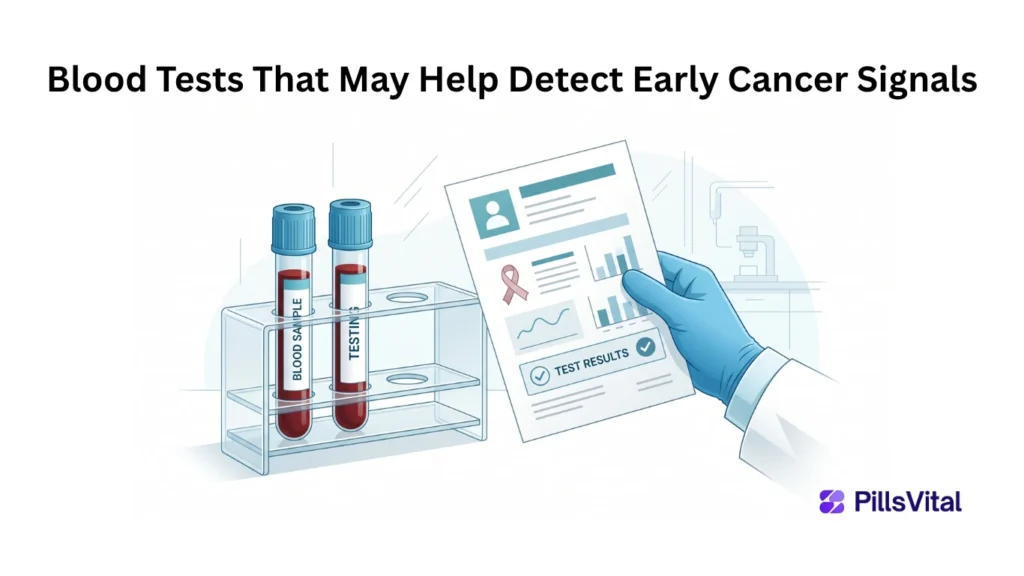
Read More: Blood Tests That May Help Detect Early Cancer Signals
Who Should Get Screened?
Cancer screening recommendations depend on factors such as:
- Age
- Family history
- Smoking history
- Genetics
- Lifestyle habits
- Existing health conditions
People with higher risk factors may require earlier or more frequent screening.
The CDC recommends regular cancer screening based on age, personal risk factors, and family history to help detect cancer earlier and improve treatment outcomes.
Lifestyle Habits That May Support Cancer Prevention
Although no method guarantees prevention, healthy habits may help lower risk.
Avoid Smoking
Smoking is one of the leading preventable causes of cancer worldwide. Tobacco smoke contains harmful chemicals that may damage DNA, weaken the immune system, and increase abnormal cell growth inside the body over time.
Long-term smoking is strongly linked to several cancers, including:
- Lung cancer
- Mouth cancer
- Throat cancer
- Bladder cancer
Lung Cancer
Smoking is the biggest risk factor for lung cancer. Harmful chemicals in cigarette smoke can damage lung tissue and increase the risk of tumor development.
Common warning signs may include:
- Persistent cough
- Chest pain
- Shortness of breath
- Coughing up blood
Mouth and Throat Cancer
Smoking may also damage tissues in the mouth and throat, increasing the chances of abnormal cell changes.
Possible symptoms include:
- Mouth sores that do not heal
- Persistent sore throat
- Difficulty swallowing
- Hoarseness
Bladder Cancer
Many harmful chemicals from cigarette smoke enter the bloodstream and are filtered into the urine, where they may damage the bladder lining over time.
Possible symptoms may include:
- Blood in urine
- Frequent urination
- Pain during urination
Why Quitting Smoking Matters
Quitting smoking remains one of the most important health decisions for reducing long-term cancer risk. The body begins repairing itself after smoking stops, and overall health may gradually improve over time.
Benefits of quitting smoking may include:
- Lower cancer risk
- Better lung health
- Improved immune function
- Better heart health
- Improved quality of life
Even long-term smokers may still benefit significantly from quitting.
Eat a Nutrient-Rich Diet
A healthy diet rich in nutrient-dense foods may help support overall health, immune function, and long-term wellness. While no single food can completely prevent cancer, research suggests that balanced eating habits may help reduce inflammation, support healthy cells, and lower certain cancer risk factors.
A cancer-supportive diet often includes:
- Vegetables
- Fruits
- Whole grains
- Fiber-rich foods
- Healthy fats
Vegetables and Fruits
Vegetables and fruits contain important vitamins, minerals, antioxidants, and plant compounds that may help protect cells from damage caused by oxidative stress.
Colorful foods such as:
- Berries
- Leafy greens
- Broccoli
- Tomatoes
- Carrots
are commonly included in healthy cancer-prevention diets.
Whole Grains and Fiber
Whole grains and fiber-rich foods may support digestive health and help maintain a healthy weight, which is important because obesity is linked to several cancers.
Good sources include:
- Oats
- Brown rice
- Quinoa
- Whole wheat foods
- Beans and legumes
Healthy Fats
Healthy fats from foods such as:
- Nuts
- Seeds
- Olive oil
- Avocados
- Fatty fish
may help support heart health and reduce inflammation inside the body.
Why Diet Matters for Long-Term Health
Healthy eating habits may help:
- Support immune function
- Maintain healthy body weight
- Reduce chronic inflammation
- Improve energy levels
- Support overall wellness
Limiting processed foods, sugary drinks, excessive alcohol, and heavily processed meats may also help reduce certain health risks.
Related Article: Best Anti-Cancer Foods Backed by Scientific Research (2026)
Stay Physically Active
Regular physical activity may play an important role in supporting overall health and reducing certain cancer risk factors. Exercise helps the body function more efficiently and may improve both physical and mental well-being over time.
Health experts often recommend staying physically active as part of a healthy lifestyle because regular movement may help:
- Support immune health
- Maintain healthy body weight
- Reduce inflammation
- Improve energy levels
Support Immune Health
Exercise may help strengthen immune system function by improving blood circulation and supporting the body’s natural defense mechanisms. A healthier immune system may help the body respond more effectively to illness and abnormal cell changes.
Maintain Healthy Weight
Maintaining a healthy weight is important because obesity has been linked to several cancers, including breast cancer, colon cancer, and pancreatic cancer.
Regular exercise may help manage body weight by:
- Burning calories
- Improving metabolism
- Supporting muscle health
- Reducing excess body fat
Reduce Inflammation
Chronic inflammation may contribute to long-term health problems and increase disease risk over time. Physical activity may help lower inflammation levels and support better overall body function.
Improve Energy Levels
Exercise may also help improve:
- Daily energy
- Sleep quality
- Mood
- Stress management
- Physical strength
Even simple activities such as walking, stretching, cycling, or yoga may provide health benefits when performed consistently.
Easy Ways to Stay Active
Some beginner-friendly physical activities include:
- Walking
- Swimming
- Yoga
- Light strength training
- Cycling
- Home workouts
Experts often recommend at least 150 minutes of moderate physical activity per week for overall health support.
Prioritize Sleep & Stress Management
Poor sleep and chronic stress may negatively affect overall wellness and can impact both physical and mental health over time. While stress alone does not directly cause cancer, long-term unhealthy lifestyle patterns linked to stress may influence immune function, sleep quality, inflammation, and daily health habits.
Chronic stress and lack of sleep may contribute to:
- Fatigue and low energy
- Weakened immune function
- Increased inflammation
- Poor eating habits
- Reduced physical activity
- Mental health challenges
Sleep is important because the body uses this time to repair tissues, regulate hormones, and support immune system function. Adults are generally encouraged to aim for 7–8 hours of quality sleep each night.
Healthy stress management habits may include:
- Regular exercise
- Meditation or deep breathing
- Limiting screen time before bed
- Maintaining a consistent sleep schedule
- Spending time outdoors
- Talking with supportive friends or professionals
Improving sleep quality and managing stress may help support better long-term wellness and overall quality of life.
Read next: Can Stress Cause Cancer? What Science Actually Says
Why Many People Delay Cancer Screening
Many individuals postpone testing because of:
- Fear of diagnosis
- Lack of symptoms
- Busy schedules
- Anxiety about medical procedures
- Financial concerns
However, delaying evaluation may allow cancer to progress silently over time.
Even routine annual checkups can help identify abnormalities earlier.
Advances in Early Detection Technology in 2026
Medical technology continues advancing rapidly.
New innovations include:
- AI-assisted imaging analysis
- Multi-cancer blood tests
- Genetic risk profiling
- Personalized screening plans
- Advanced molecular diagnostics
Researchers hope these technologies will continue improving cancer survival rates in the future.
External Source:
https://www.cancer.gov/about-cancer/screening/research
Final Thoughts
Early cancer detection can dramatically improve survival rates, treatment success, and quality of life.
Ignoring symptoms or delaying screening may allow cancer to progress unnoticed. Staying informed, maintaining healthy habits, and seeking medical advice when symptoms appear can make a major difference.
Related Health Resources
-
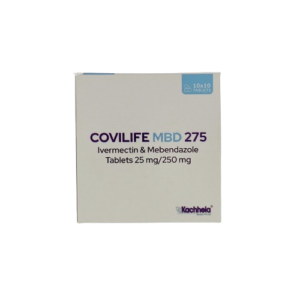
Covilife MBD 275 (Ivermectin 25mg + Mebendazole 250mg) Tablets
$92.00 – $260.00Price range: $92.00 through $260.00 This product has multiple variants. The options may be chosen on the product page -
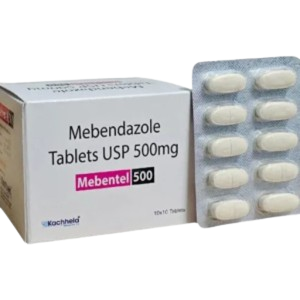
Mebendazole 500mg (Mebentel) tablets
$92.00 – $342.00Price range: $92.00 through $342.00 This product has multiple variants. The options may be chosen on the product page -
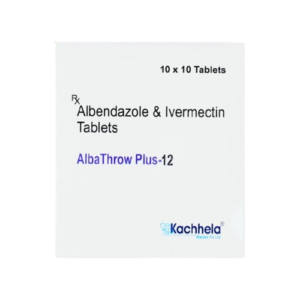
Albendazole & Ivermectin (AlbaThrow Plus-12) Tablet
$130.00 – $355.00Price range: $130.00 through $355.00 This product has multiple variants. The options may be chosen on the product page -

Fenbendazole 1000mg (Wormentel) Tablet
$92.00 – $260.00Price range: $92.00 through $260.00 This product has multiple variants. The options may be chosen on the product page
❓ FAQs
Can cancer be cured if detected early?
Many early-stage cancers have significantly better treatment outcomes, especially before spreading to distant organs.
Are blood tests enough to diagnose cancer?
Blood tests may identify abnormalities, but doctors often require imaging, biopsies, or additional testing for diagnosis.
What age should cancer screening begin?
Screening recommendations vary depending on the type of cancer and individual risk factors.
Does having symptoms always mean cancer?
No. Many symptoms associated with cancer may also occur in non-cancerous conditions.
Which cancers are easier to detect early?
Breast, cervical, skin, colon, and prostate cancers are often more treatable when discovered early.
📚 Related Cancer Guides



Dr. Emily Carter specializes in evidence-based health education and wellness content. She focuses on simplifying complex medical topics related to cancer awareness, nutrition, preventive healthcare, skincare, and lifestyle wellness for readers worldwide.
This content is reviewed for medical accuracy, clarity, and alignment with current public health research. The article is intended for educational and informational purposes only and should not replace professional medical advice, diagnosis, or treatment.