
Mirabegron 50mg (Mirago): A Complete Guide to Better Bladder Control

Introduction
Living with overactive bladder (OAB) can affect nearly every aspect of daily life. Frequent trips to the bathroom, sudden urges to urinate, accidental urine leakage, and waking several times during the night can interfere with work, travel, social activities, and sleep. While lifestyle changes and bladder training help many people, some require prescription medication to control symptoms more effectively.
One commonly prescribed treatment is Mirabegron 50mg (Mirago). Unlike older bladder medications that often cause dry mouth and constipation, Mirabegron works differently by relaxing the bladder muscle, allowing it to store more urine before you feel the urge to empty it.
Whether you’ve recently been prescribed Mirabegron or are researching treatment options, understanding how the medication works, its benefits, possible side effects, and proper use can help you make informed decisions with your healthcare provider.
In this comprehensive guide, you’ll learn:
- What Mirabegron 50mg is
- How it works
- Medical conditions it treats
- Benefits of treatment
- Who may benefit most
- Important safety information
- Answers to frequently asked questions
What Is Mirabegron 50mg (Mirago)?
Mirabegron is a prescription medication primarily used to treat overactive bladder (OAB) in adults. The active ingredient, Mirabegron, belongs to a class of medicines known as beta-3 adrenergic receptor agonists. Mirabegron is approved for the treatment of overactive bladder in adults.
Unlike older bladder medications called antimuscarinics, Mirabegron targets beta-3 receptors in the bladder wall. This helps relax the bladder muscle during the storage phase of urination, increasing bladder capacity and reducing sudden urges to urinate.
Mirago is one of the branded formulations of Mirabegron available in several countries. It is commonly prescribed for adults who experience:
- Frequent urination
- Sudden urgency to urinate
- Urge urinary incontinence
- Nighttime urination caused by overactive bladder
Many healthcare providers consider Mirabegron an effective option for people who cannot tolerate the side effects of older bladder medications, especially persistent dry mouth or constipation.
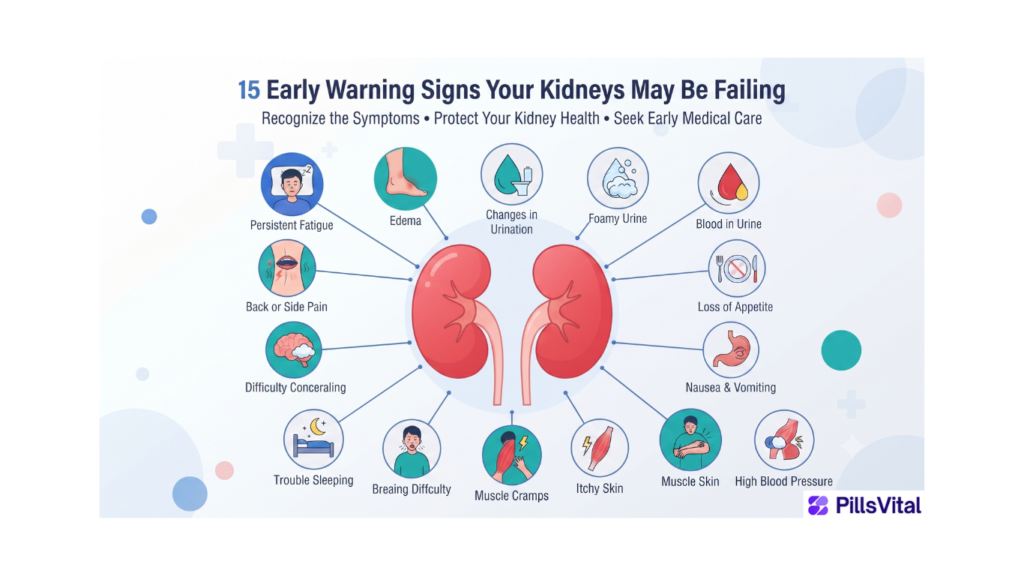
Frequent urination and urinary urgency are common symptoms of overactive bladder, but they may also occur because of other urinary tract or kidney conditions. If these symptoms are new or worsening, read our guide on Early Warning Signs Your Kidneys May Be Failing to understand when medical evaluation is needed.
Quick Facts About Mirabegron
| Feature | Details |
|---|---|
| Generic Name | Mirabegron |
| Brand Example | Mirago |
| Drug Class | Beta-3 Adrenergic Agonist |
| Prescription Required | Yes |
| Available Strengths | 25 mg, 50 mg |
| Common Use | Overactive Bladder (OAB) |
| Administration | Oral Tablet |
| Typical Frequency | Once Daily |
What Is Mirabegron Used For?
Mirabegron is approved for treating symptoms associated with overactive bladder (OAB), a condition in which the bladder contracts involuntarily even when it is not full.
These unwanted contractions can create a sudden urge to urinate and make it difficult to delay bathroom visits.
Mirabegron helps manage several common symptoms.
1. Frequent Urination
People with OAB may urinate eight or more times during the day.
Mirabegron helps reduce unnecessary bladder contractions, allowing the bladder to hold urine longer and decreasing the number of bathroom visits.
2. Urgency
Urinary urgency is the sudden, difficult-to-control need to urinate.
Many people describe the sensation as occurring with little warning, making it challenging to reach a restroom in time.
Mirabegron helps lower the frequency and intensity of these urgency episodes.
3. Urge Urinary Incontinence
Some individuals leak urine before reaching the bathroom due to a sudden urge to urinate.
This condition, known as urge urinary incontinence, can affect confidence and daily activities.
Mirabegron helps reduce leakage episodes by improving bladder storage.
4. Nocturia
Many people with overactive bladder wake multiple times during the night to urinate.
Reducing nighttime bathroom visits may improve sleep quality and overall quality of life.
5. Overactive Bladder in Older Adults
Overactive bladder becomes more common with age, although it is not a normal part of aging.
Mirabegron may be an appropriate treatment option for older adults after a healthcare provider evaluates their overall health and medications.
Conditions Mirabegron Does NOT Treat
Mirabegron is not intended for every urinary condition.
It does not treat:
- Urinary tract infections (UTIs)
- Kidney infections
- Kidney stones
- Bladder cancer
- Enlarged prostate (unless prescribed alongside other treatments)
- Stress urinary incontinence
If urinary symptoms are caused by another medical condition, appropriate diagnosis and treatment are essential.
How Does Mirabegron Work?
The bladder is a muscular organ that stores urine until it is convenient to empty it.
In people with overactive bladder, the bladder muscle contracts too early or too often, even when only partially full. These involuntary contractions trigger the urgent need to urinate.
Mirabegron works by stimulating beta-3 adrenergic receptors, which are found in the bladder muscle.
Activation of these receptors causes the bladder muscle to relax during the storage phase.
As a result:
- The bladder can hold more urine.
- Sudden bladder contractions become less frequent.
- Urgency episodes decrease.
- Bathroom visits become less frequent.
- Urinary leakage may improve.
Unlike antimuscarinic medications, Mirabegron does not significantly block acetylcholine receptors. Because of this different mechanism, it is generally associated with a lower risk of side effects such as dry mouth and constipation.
Simplified Explanation
Think of your bladder as a balloon.
With overactive bladder, the balloon signals that it’s “full” long before it actually is.
Mirabegron helps the balloon relax so it can comfortably hold more urine before sending that signal to the brain.
Benefits of Mirabegron 50mg
When taken as prescribed, Mirabegron may provide meaningful improvements in bladder control and quality of life. Individual results vary, and it may take several weeks to notice the full effect.
1. Fewer Bathroom Visits
Many people experience a reduction in daytime urinary frequency, making daily activities more convenient.
2. Reduced Urinary Urgency
Mirabegron helps decrease sudden urges to urinate, allowing more time to reach a restroom.
3. Less Urine Leakage
People with urge urinary incontinence may notice fewer leakage episodes, improving confidence and reducing the need for absorbent products.
4. Better Sleep
Reducing nighttime urination (nocturia) can lead to fewer sleep interruptions and improved daytime energy.
5. Improved Quality of Life
Managing OAB symptoms may make it easier to:
- Travel comfortably
- Participate in social events
- Exercise with confidence
- Attend work or school without frequent interruptions
6. Once-Daily Convenience
Mirabegron is typically taken once a day, making it easy to include in a daily routine.
7. Lower Risk of Certain Side Effects
Compared with some older bladder medications, Mirabegron may cause:
- Less dry mouth
- Less constipation
- Better long-term treatment adherence
However, it may increase blood pressure in some people, so regular monitoring is recommended.
Clinical Effectiveness
Clinical studies have shown that Mirabegron can reduce the number of daily urgency episodes, urinary frequency, and urge incontinence episodes while improving bladder capacity in many adults with overactive bladder. Responses vary between individuals, and your healthcare provider will monitor whether the medication is providing sufficient benefit.
Recommended Dosage of Mirabegron 50mg
The appropriate dosage of Mirabegron (Mirago) depends on factors such as your age, kidney function, liver function, other medications, and the severity of your symptoms. Always follow your healthcare provider’s instructions and never change your dose without medical advice.
For most adults with overactive bladder, Mirabegron is taken once daily.
Standard Adult Dosage
| Patient | Recommended Dose |
|---|---|
| Adults | 25 mg once daily (may increase to 50 mg based on response) |
| Maintenance Dose | 50 mg once daily |
| Older Adults | Usually the same dose, if appropriate |
| Children | Only under specialist supervision for approved indications |
Many healthcare providers begin treatment with 25 mg once daily and increase the dose to 50 mg after several weeks if additional symptom control is needed and the medication is well tolerated.
Dosage Adjustments
Your doctor may recommend a lower dose if you have:
- Moderate kidney impairment
- Severe kidney disease
- Moderate liver impairment
- Certain medication interactions
Never adjust the dose on your own.
How Long Does Mirabegron Take to Work?
Mirabegron does not provide immediate relief.
Most people notice gradual improvement over time.
Typical timeline:
| Time | What to Expect |
|---|---|
| First few days | Little or no noticeable improvement |
| 2–4 weeks | Symptoms may begin improving |
| 4–8 weeks | Many people experience the full benefit |
Continue taking the medication even if you do not notice immediate results unless your healthcare provider advises otherwise.
How to Take Mirabegron Tablets
Using Mirabegron correctly helps maximize its effectiveness.
Take Once Daily
Take your tablet at approximately the same time every day to maintain consistent levels of the medication in your body.
Swallow the Tablet Whole
Do not:
- Crush
- Break
- Split
- Chew
The tablet is designed to release the medicine properly when swallowed whole.
With or Without Food
Mirabegron may be taken:
- Before meals
- After meals
- With food
- On an empty stomach
Choose a routine that helps you remember your daily dose.
Stay Hydrated
Drink adequate fluids unless your healthcare provider recommends fluid restriction due to another medical condition.
Continue Treatment
Even if symptoms improve, continue taking Mirabegron unless your healthcare provider instructs you to stop.
Stopping treatment suddenly may allow symptoms to return.
What If You Miss a Dose?
If you forget a dose:
- Take it as soon as you remember on the same day.
- If it is almost time for your next scheduled dose, skip the missed dose.
- Resume your normal dosing schedule.
Do NOT:
- Take two tablets together.
- Take extra medicine to make up for a missed dose.
What Happens If You Take Too Much?
Taking more than the prescribed amount may increase the risk of side effects.
Possible symptoms include:
- Rapid heartbeat
- Increased blood pressure
- Palpitations
- Headache
- Dizziness
If you suspect an overdose, contact your local poison center or seek emergency medical care immediately.
Possible Side Effects of Mirabegron 50mg
Like all medications, Mirabegron can cause side effects. Many people tolerate it well, and not everyone experiences adverse effects.
Most side effects are mild and improve as your body adjusts to the medication.
Common Side Effects
These are among the more frequently reported side effects:
- Increased blood pressure
- Headache
- Common cold–like symptoms
- Nasal congestion
- Urinary tract infection
- Constipation
- Diarrhea
- Dry mouth (generally less common than with some older bladder medicines)
- Dizziness
- Back pain
Most are mild and temporary.
Consult your healthcare provider if any side effect persists or becomes bothersome.
Less Common Side Effects
Some people may experience:
- Joint pain
- Muscle pain
- Nausea
- Fatigue
- Difficulty emptying the bladder
- Increased heart rate
Although less common, these effects should still be discussed with your healthcare provider if they occur.
Serious Side Effects
Serious reactions are uncommon but require prompt medical attention.
Seek immediate medical care if you experience:
Severe Allergic Reaction
Symptoms may include:
- Swelling of the face
- Swollen lips
- Tongue swelling
- Difficulty breathing
- Severe rash
Stop taking the medication and seek emergency medical care.
Urinary Retention
Some people may be unable to empty their bladder completely.
Symptoms include:
- Difficulty urinating
- Weak urine stream
- Painful bladder fullness
- Lower abdominal discomfort
This is more likely in people with bladder outlet obstruction or those taking certain medications.
Significant Increase in Blood Pressure
Mirabegron may raise blood pressure in some individuals.
Contact your healthcare provider if you experience:
- Severe headache
- Blurred vision
- Chest discomfort
- Nosebleeds
- Persistent dizziness
Regular blood pressure monitoring is recommended, especially if you have hypertension.
Fast or Irregular Heartbeat
Although uncommon, some people may notice:
- Palpitations
- Racing heartbeat
- Irregular heartbeat
Report these symptoms promptly.
Who Should Not Take Mirabegron?
Mirabegron may not be suitable for everyone.
Tell your healthcare provider if you have any of the following conditions.
Uncontrolled High Blood Pressure
Mirabegron can increase blood pressure.
People with severe uncontrolled hypertension generally should not use this medication unless specifically advised by a healthcare professional.
Allergy to Mirabegron
Do not take Mirabegron if you have previously experienced an allergic reaction to:
- Mirabegron
- Any inactive ingredient in the tablet
Severe Kidney Disease
Reduced kidney function may affect how your body handles the medication.
Your healthcare provider may recommend:
- A lower dose
- Additional monitoring
- An alternative treatment, depending on the severity of kidney impairment
Severe Liver Disease
Liver impairment can change how medications are processed.
Dose adjustments or avoidance may be necessary in some cases.
Precautions Before Taking Mirabegron
Inform your healthcare provider if you have:
- High blood pressure
- Heart disease
- Kidney disease
- Liver disease
- Glaucoma
- Difficulty urinating
- Enlarged prostate
- History of urinary retention
Sharing your full medical history helps determine whether Mirabegron is appropriate for you.
Drug Interactions
Mirabegron can interact with certain prescription medicines, over-the-counter products, and supplements.
Common examples include:
Heart Medications
Some medications used to manage heart rhythm or blood pressure may require monitoring when taken with Mirabegron.
Digoxin
Mirabegron can increase blood levels of digoxin.
Your healthcare provider may adjust the dose or monitor digoxin levels.
Metoprolol
Mirabegron may increase exposure to metoprolol.
Monitoring may be recommended.
Desipramine
Mirabegron may increase blood concentrations of desipramine, potentially increasing the risk of side effects.
Other Overactive Bladder Medicines
Using Mirabegron with antimuscarinic bladder medications may increase the risk of urinary retention in some individuals.
Herbal Supplements
Always tell your healthcare provider about any:
- Herbal products
- Vitamins
- Dietary supplements
- Non-prescription medications
Some products may affect treatment or increase the risk of side effects.
Pregnancy and Breastfeeding
Information about Mirabegron use during pregnancy and breastfeeding is limited.
Pregnancy
If you are pregnant, planning to become pregnant, or think you may be pregnant:
- Discuss the potential benefits and risks with your healthcare provider before taking Mirabegron.
- Do not start or stop the medication without medical advice.
Breastfeeding
It is not fully understood whether Mirabegron passes into human breast milk.
Your healthcare provider will help determine whether treatment is appropriate while breastfeeding.
Mirabegron and Kidney Disease
Kidneys help remove Mirabegron from the body.
If kidney function is reduced:
- The medication may remain in the body longer.
- Dose adjustments may be necessary.
- More frequent monitoring may be recommended.
Never assume Mirabegron is unsafe if you have kidney disease—but never take it without guidance if you have impaired kidney function.
Mirabegron and Liver Disease
The liver also plays a role in processing Mirabegron.
People with moderate or severe liver impairment may need:
- Lower doses
- Additional monitoring
- Alternative treatment options in some cases
Always inform your healthcare provider about any history of liver disease before starting Mirabegron.
Lifestyle Tips to Help Manage Overactive Bladder
Medication alone may not completely control overactive bladder (OAB) symptoms. Combining Mirabegron 50mg with healthy lifestyle habits can help improve bladder control and reduce urinary urgency. Lifestyle changes are often recommended alongside medication to improve bladder control.
1. Practice Bladder Training
Bladder training helps increase the time between bathroom visits.
Try to:
- Delay urination by a few minutes when you feel the urge.
- Gradually increase the interval between trips to the bathroom.
- Follow a regular bathroom schedule instead of going “just in case.”
With consistency, many people notice improvements over several weeks.
2. Perform Pelvic Floor (Kegel) Exercises
Strengthening the pelvic floor muscles can improve bladder control.
Benefits include:
- Reduced urine leakage
- Better bladder support
- Improved muscle strength
- Increased confidence during daily activities
If you’re unsure how to perform Kegel exercises correctly, ask your healthcare provider or a pelvic floor therapist for guidance.
3. Limit Bladder Irritants
Certain foods and drinks can worsen bladder symptoms.
Consider reducing:
- Coffee
- Tea
- Energy drinks
- Alcohol
- Carbonated beverages
- Spicy foods
- Citrus fruits
- Artificial sweeteners
Keeping a food and symptom diary may help identify personal triggers.
4. Stay Hydrated—But Avoid Overhydration
Drinking too little water can irritate the bladder, while drinking excessive amounts may increase urinary frequency.
Aim for balanced hydration unless your healthcare provider recommends a different fluid intake because of a medical condition.
5. Maintain a Healthy Weight
Excess body weight can increase pressure on the bladder.
A healthy diet and regular physical activity may help:
- Improve bladder symptoms
- Reduce urinary urgency
- Lower the risk of other chronic health conditions
6. Manage Constipation
Constipation can place additional pressure on the bladder.
Support healthy bowel habits by:
- Eating high-fiber foods
- Drinking enough water
- Staying physically active
- Following your healthcare provider’s recommendations if constipation persists
7. Quit Smoking
Smoking may contribute to chronic coughing, which can place extra strain on the pelvic floor muscles.
Quitting smoking also supports overall urinary, heart, and lung health.
8. Monitor Your Symptoms
Keep track of:
- Bathroom visits
- Urgency episodes
- Urine leakage
- Fluid intake
- Medication schedule
A bladder diary can help you and your healthcare provider evaluate whether treatment is working.
When Should You Contact a Healthcare Provider?
Contact your healthcare provider if you experience:
- Symptoms that do not improve after several weeks
- Difficulty urinating
- Severe or persistent side effects
- Blood in your urine
- Fever with urinary symptoms
- New or worsening urinary leakage
- Severe dizziness or fainting
- Symptoms of an allergic reaction, such as swelling of the face, lips, tongue, or throat, or trouble breathing (seek emergency medical care)
Do not stop taking Mirabegron without speaking to your healthcare provider unless you are advised to do so.
❓ FAQs
1. How long does Mirabegron 50mg take to work?
Some people notice improvement within 2 to 4 weeks, but it may take up to 8 weeks to experience the full benefit. Continue taking the medication as prescribed unless your healthcare provider advises otherwise.
2. Can Mirabegron cure overactive bladder?
No. Mirabegron helps manage symptoms such as urgency, frequent urination, and urge urinary incontinence, but it does not cure the underlying condition.
3. Can I take Mirabegron every day?
Yes. Mirabegron is usually prescribed as a once-daily medication. Take it exactly as directed by your healthcare provider.
4. Can Mirabegron increase blood pressure?
Yes. Mirabegron may increase blood pressure in some people. Regular blood pressure monitoring is recommended, particularly if you have a history of hypertension.
5. Is Mirabegron safe for older adults?
Many older adults can safely use Mirabegron when prescribed by a healthcare provider. Individual health conditions, kidney function, liver function, and other medications should be reviewed before treatment.
6. Can I drink alcohol while taking Mirabegron?
Alcohol is not known to have a direct interaction with Mirabegron. However, alcohol may worsen overactive bladder symptoms in some people. Ask your healthcare provider for personalized advice.
7. Can I stop taking Mirabegron if I feel better?
Do not stop taking Mirabegron without consulting your healthcare provider. Symptoms may return if treatment is discontinued.
8. Is Mirabegron safe for people with kidney disease?
It may be appropriate for some people with kidney disease, but dosage adjustments or additional monitoring may be necessary depending on kidney function. Always follow your healthcare provider’s recommendations.
9. What should I do if I miss a dose?
Take the missed dose on the same day when you remember. If it is close to your next scheduled dose, skip the missed dose and continue your regular schedule. Do not take two doses together.
10. Does Mirabegron cause dry mouth?
Mirabegron may cause dry mouth, but it is generally less likely to do so than some older medications used to treat overactive bladder.
Conclusion
Living with overactive bladder can be frustrating, but effective treatment options are available. Mirabegron 50mg (Mirago) helps many adults reduce urinary urgency, frequent urination, and urge urinary incontinence by relaxing the bladder muscle and increasing bladder capacity.
Although many people tolerate Mirabegron well, every medication carries potential risks and side effects. Taking it exactly as prescribed, attending follow-up appointments, and reporting any concerning symptoms to your healthcare provider can help ensure safe and effective treatment.
Lifestyle measures—including bladder training, pelvic floor exercises, maintaining a healthy weight, and limiting bladder irritants—can further improve symptom control and quality of life.
If you have questions about Mirabegron or whether it is right for you, consult your healthcare provider for personalized advice.
Related Health Resources
-
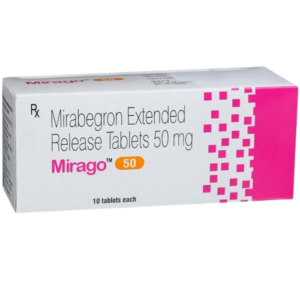
Mirabegron 50mg (Mirago) Tablets
$62.00 – $175.00Price range: $62.00 through $175.00 This product has multiple variants. The options may be chosen on the product page
❤️ Related Guides

Dr. Emily Carter specializes in evidence-based health education and wellness content. She focuses on simplifying complex medical topics related to cancer awareness, nutrition, preventive healthcare, skincare, and lifestyle wellness for readers worldwide.
This content is reviewed for medical accuracy, clarity, and alignment with current public health research. The article is intended for educational and informational purposes only and should not replace professional medical advice, diagnosis, or treatment.