
Can High Blood Pressure Damage Your Kidneys?
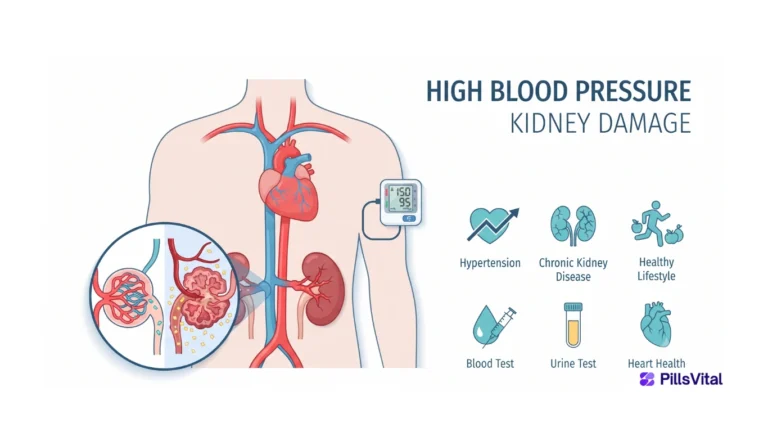
High blood pressure (hypertension) is often called the “silent killer” because it can quietly damage vital organs without causing noticeable symptoms for years. While many people associate hypertension with heart attacks and strokes, fewer realize that it is also one of the leading causes of chronic kidney disease (CKD) and kidney failure worldwide.
Your kidneys filter approximately 50 gallons of blood every day, removing waste products, balancing fluids, regulating minerals, and helping control blood pressure. Healthy kidneys depend on a vast network of tiny blood vessels (glomeruli) that work like microscopic filters. When blood pressure remains consistently high, these delicate vessels become damaged, reducing the kidneys’ ability to function properly.
The damage usually develops slowly, meaning many people don’t notice a problem until significant kidney function has already been lost. Fortunately, controlling blood pressure early can greatly reduce the risk of kidney disease and its complications.
Related: High blood pressure is one of several long-term conditions that can silently affect multiple organs. Learn more in our Complete Guide to Chronic Diseases.
In this guide, you’ll learn how hypertension affects kidney health, who is most at risk, the warning signs to watch for, and practical ways to protect your kidneys.
Understanding High Blood Pressure
Blood pressure measures the force of blood pushing against artery walls. It is recorded using two numbers:
- Systolic pressure: Pressure when the heart beats.
- Diastolic pressure: Pressure when the heart relaxes between beats.
According to current medical guidelines:
| Blood Pressure | Category |
|---|---|
| Less than 120/80 mmHg | Normal |
| 120–129/<80 mmHg | Elevated |
| 130–139 or 80–89 mmHg | Stage 1 Hypertension |
| 140/90 mmHg or higher | Stage 2 Hypertension |
Many people experience no symptoms even when blood pressure reaches dangerous levels, making regular monitoring essential. For the latest blood pressure recommendations, visit the American Heart Association‘s blood pressure information page.
How Do Healthy Kidneys Work?
Your kidneys perform several essential functions that keep your body healthy.
They:
- Filter waste products from blood
- Remove excess water
- Balance electrolytes
- Produce hormones that help make red blood cells
- Activate vitamin D
- Help regulate blood pressure
Each kidney contains nearly one million nephrons, the microscopic filtering units responsible for cleaning blood continuously.
When these nephrons become damaged, kidney function declines gradually. The National Institute of Diabetes and Digestive and Kidney Diseases (NIDDK) provides additional information about kidney function and kidney disease.
Can High Blood Pressure Damage Your Kidneys?
Yes. Long-term uncontrolled high blood pressure is one of the most common causes of chronic kidney disease and kidney failure.
High blood pressure injures the tiny arteries supplying blood to the kidneys. As these blood vessels narrow, harden, and weaken, the kidneys receive less oxygen-rich blood.
Reduced blood flow causes several problems:
- Filtering units become scarred.
- Waste products accumulate in the bloodstream.
- Excess fluid remains in the body.
- Blood pressure rises even further.
- Kidney damage continues to worsen.
This creates a dangerous cycle:
High Blood Pressure → Blood Vessel Damage → Reduced Kidney Function → Higher Blood Pressure → Progressive Kidney Damage
Without treatment, this cycle can eventually lead to end-stage kidney disease requiring dialysis or a kidney transplant.
How High Blood Pressure and Kidney Disease Create a Dangerous Cycle
Many people think high blood pressure only causes kidney damage. In reality, the relationship works both ways. Once the kidneys begin to lose function, they become less effective at regulating blood pressure, creating a self-perpetuating cycle that can accelerate disease progression.
Healthy kidneys help maintain normal blood pressure by controlling the amount of sodium, water, and hormones in the body. When kidney tissue becomes damaged, these processes are disrupted, causing blood pressure to rise even further.
As blood pressure increases, the tiny blood vessels inside the kidneys experience even greater stress, leading to additional scarring and reduced filtration capacity. Over time, this cycle can significantly increase the risk of chronic kidney disease (CKD), cardiovascular disease, and kidney failure.
Breaking this cycle requires early blood pressure control, regular kidney function monitoring, and healthy lifestyle habits.
The Hypertension–Kidney Disease Cycle
- High blood pressure damages kidney blood vessels.
- Damaged kidneys cannot filter blood efficiently.
- Extra sodium and fluid remain in the body.
- Blood volume increases.
- Blood pressure rises even higher.
- Additional kidney damage occurs.
Without proper treatment, this process may continue for years before symptoms become noticeable.
Lifestyle Changes That Help Protect Your Kidneys
Although medication plays an important role in controlling hypertension, everyday lifestyle choices have a major impact on kidney health. Small, consistent improvements can reduce stress on the kidneys and help slow disease progression.
Eat a Heart-Healthy Diet
A balanced eating plan rich in vegetables, fruits, whole grains, lean protein, and healthy fats supports both heart and kidney health.
Limiting processed foods, sugary drinks, and excessive saturated fat may also help maintain healthy blood pressure.
Reduce Sodium Intake
Eating too much salt causes the body to retain fluid, increasing blood pressure and forcing the kidneys to work harder.
Simple ways to reduce sodium include:
- Cooking meals at home
- Reading food labels
- Choosing fresh foods instead of processed meals
- Flavoring foods with herbs and spices instead of salt
Stay Physically Active
Regular exercise helps improve circulation, lower blood pressure, maintain a healthy weight, and support overall cardiovascular health.
Aim for at least 150 minutes of moderate-intensity physical activity each week, unless your healthcare provider recommends otherwise.
Activities may include:
- Walking
- Swimming
- Cycling
- Yoga
- Low-impact aerobic exercise
Maintain a Healthy Weight
Being overweight increases the risk of hypertension, diabetes, and kidney disease.
Even modest weight loss can improve blood pressure control and reduce stress on the kidneys.
Read Next: Discover why excess weight increases long-term health risks in How Obesity Increases the Risk of Chronic Diseases.
Quit Smoking
Smoking narrows blood vessels, decreases blood flow to the kidneys, and increases the risk of cardiovascular disease.
Quitting smoking benefits nearly every organ in the body and may slow the progression of kidney disease.
Stay Hydrated
Drinking enough water supports normal kidney function by helping remove waste products from the body.
However, people with advanced kidney disease should follow their healthcare provider’s recommendations regarding fluid intake.
Manage Stress
Long-term stress may contribute to elevated blood pressure by increasing stress hormones and unhealthy coping behaviors.
Helpful stress-management techniques include:
- Deep breathing exercises
- Meditation
- Regular physical activity
- Adequate sleep
- Spending time outdoors
Get Regular Health Checkups
Routine medical visits can help detect blood pressure problems and early signs of kidney damage before serious complications develop.
People with hypertension should discuss regular kidney function testing with their healthcare provider.
You May Also Like: Learn practical ways to reduce your risk in Best Foods That Help Prevent Chronic Diseases.
Why High Blood Pressure Damages the Kidneys
Several biological changes occur inside the kidneys.
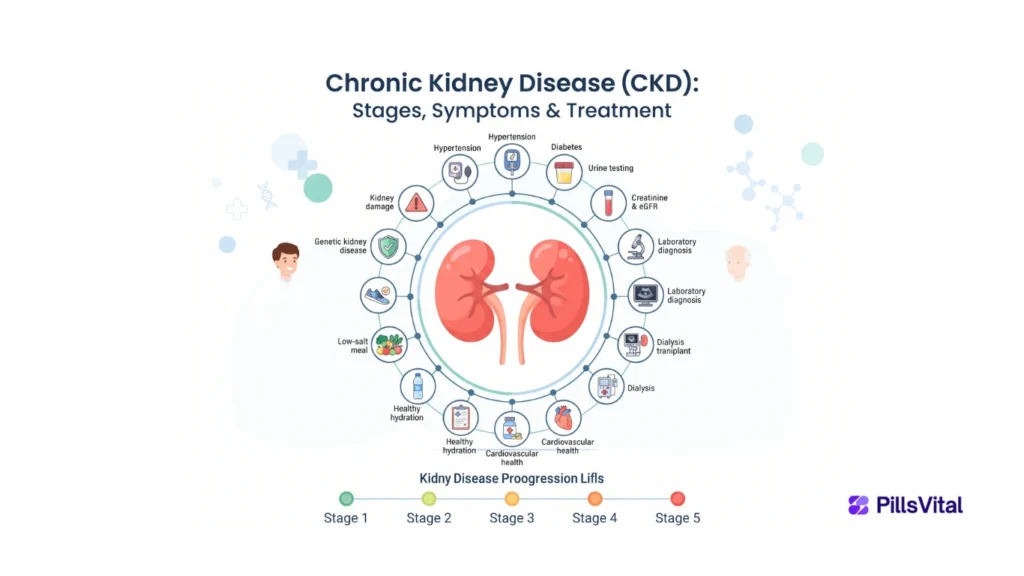
Read Next: Kidney damage caused by hypertension often progresses through different stages. Learn how the disease develops in our guide to Chronic Kidney Disease Stages, Symptoms & Treatment.
1. Damage to Tiny Blood Vessels
Kidneys rely on thousands of microscopic blood vessels to filter blood.
Persistent hypertension causes these vessels to:
- Thicken
- Narrow
- Become less flexible
- Develop scarring
As circulation decreases, kidney tissue receives less oxygen and nutrients.
2. Damage to Glomeruli
Glomeruli are tiny filters inside each nephron.
Excessive pressure forces blood through these filters with greater intensity, gradually damaging their delicate membranes.
As damage progresses:
- Protein begins leaking into urine.
- Filtration declines.
- Waste products accumulate.
Protein in urine (proteinuria) is often one of the earliest signs of hypertension-related kidney damage.
3. Kidney Scarring
Years of uncontrolled hypertension may cause permanent scarring known as nephrosclerosis.
Scar tissue cannot filter blood.
Unlike healthy kidney tissue, scarred tissue cannot regenerate.
4. Declining Kidney Function
As more nephrons stop functioning:
- Creatinine levels rise.
- eGFR declines.
- Waste builds up.
- Fluid retention increases.
- Blood pressure becomes even harder to control.
This creates a vicious cycle between kidney disease and hypertension.
Who Is Most at Risk?
Anyone can develop hypertension-related kidney disease, but certain groups face a significantly higher risk.
People with Diabetes
Diabetes and hypertension commonly occur together, dramatically increasing the likelihood of kidney damage.
Learn how these two conditions work together in our guide on Diabetes and Kidney Disease: Understanding the Connection.
Older Adults
As people age, arteries naturally become stiffer, making hypertension more common.
Age-related changes also reduce kidney function, increasing susceptibility to damage.
Family History
Having close relatives with hypertension or kidney disease raises your personal risk.
Obesity
Excess body weight increases blood pressure, inflammation, and insulin resistance.
Maintaining a healthy weight significantly lowers kidney disease risk.
Smoking
Smoking damages blood vessels, reduces kidney blood flow, and accelerates chronic kidney disease progression.
High Sodium Diet
Too much sodium contributes to fluid retention and elevated blood pressure, placing extra stress on the kidneys.
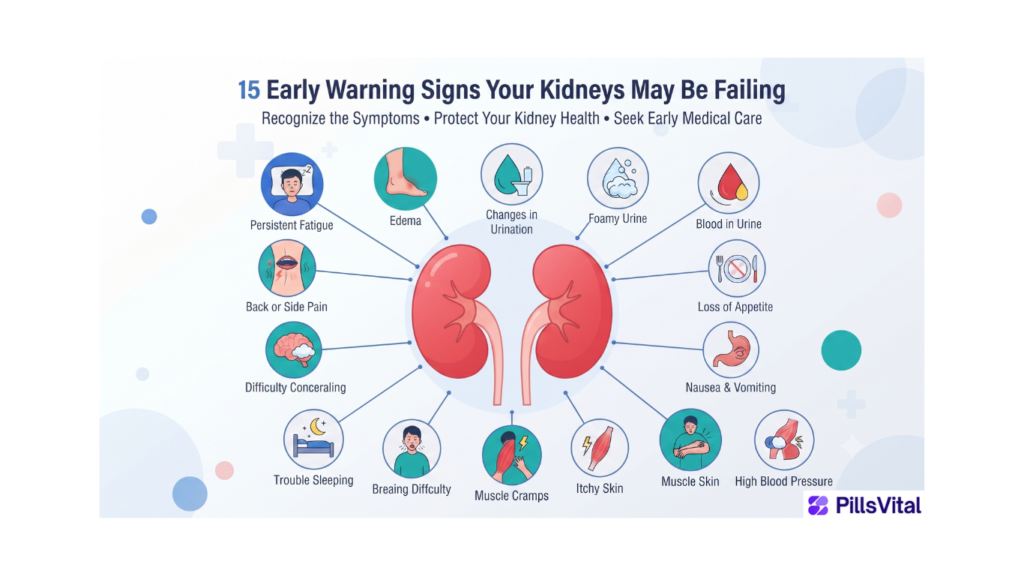
Early Warning Signs of Kidney Damage
Unfortunately, kidney disease often develops silently.
Symptoms usually appear only after substantial kidney function has already been lost.
Common warning signs include:
Swelling
Fluid buildup may cause swelling in the:
- Feet
- Ankles
- Legs
- Hands
- Face
Foamy Urine
Foamy urine may indicate excess protein leaking through damaged kidney filters.
Frequent Urination
Especially at night.
Fatigue
Damaged kidneys produce less erythropoietin, leading to anemia and persistent tiredness.
Difficulty Concentrating
Waste accumulation in the bloodstream may affect brain function.
High Blood Pressure That Becomes Hard to Control
Worsening kidney damage often causes blood pressure medications to become less effective.
Loss of Appetite
Waste products accumulating in the body may reduce appetite and cause nausea.
When Should You See a Doctor?
Seek medical evaluation if you have:
- Blood pressure consistently above 130/80 mmHg
- Diabetes
- Family history of kidney disease
- Swollen ankles
- Foamy urine
- Blood in urine
- Persistent fatigue
- Decreased urination
- Elevated creatinine levels
Early diagnosis can significantly slow disease progression. The Centers for Disease Control and Prevention (CDC) offers additional resources on managing high blood pressure and reducing complications.
Treatment for High Blood Pressure–Related Kidney Damage
Treatment focuses on slowing disease progression, protecting remaining kidney function, and reducing the risk of heart disease.
Control Blood Pressure
Keeping blood pressure under control is the single most important step.
Treatment may include:
- Lifestyle changes
- Prescription medications
- Regular monitoring
Common medication classes include:
- ACE inhibitors
- ARBs
- Calcium channel blockers
- Diuretics
- Beta-blockers (when appropriate)
Take medications exactly as prescribed and never stop them without consulting your healthcare provider.
Manage Diabetes
If you have diabetes, maintaining healthy blood sugar levels helps reduce further kidney damage.
Recommended Reading: Discover how diabetes affects kidney health in Diabetes and Kidney Disease: Understanding the Connection.
Reduce Salt Intake
Too much sodium increases blood pressure and places additional strain on the kidneys.
Most adults should aim to reduce processed foods and limit sodium intake according to their healthcare provider’s recommendations.
Maintain a Healthy Weight
Losing excess weight may:
- Lower blood pressure
- Improve blood sugar control
- Reduce inflammation
- Protect kidney function
Exercise Regularly
Aim for at least 150 minutes of moderate physical activity per week, unless your healthcare provider recommends otherwise.
Good choices include:
- Walking
- Swimming
- Cycling
- Low-impact aerobic exercise
Stop Smoking
Smoking damages blood vessels throughout the body, including those supplying the kidneys.
Quitting smoking may slow CKD progression and reduce cardiovascular risk
Limit Alcohol
Excessive alcohol consumption may increase blood pressure and interfere with certain medications.
Moderation is recommended if you drink alcohol.
Can Kidney Damage From High Blood Pressure Be Reversed?
Unfortunately, permanent kidney scarring cannot usually be reversed.
However, early diagnosis and effective blood pressure management can:
- Slow disease progression
- Preserve remaining kidney function
- Delay or prevent kidney failure
- Reduce complications
- Improve quality of life
The earlier hypertension is treated, the better the long-term outlook.
Possible Complications
Untreated hypertension-related kidney disease may lead to:
- Chronic kidney disease (CKD)
- Kidney failure
- Heart attack
- Stroke
- Heart failure
- Fluid overload
- Electrolyte imbalance
- Anemia
- Bone disease
- Dialysis
- Kidney transplantation
How to Protect Your Kidneys
You can significantly reduce your risk by following these healthy habits:
- Monitor your blood pressure regularly.
- Take prescribed medications consistently.
- Eat a heart-healthy, low-sodium diet.
- Stay physically active.
- Maintain a healthy body weight.
- Control diabetes if you have it.
- Drink adequate water unless advised otherwise.
- Avoid smoking and tobacco products.
- Limit alcohol intake.
- Schedule routine kidney function tests if you’re at high risk.
Small lifestyle changes made today can help protect your kidneys for years to come.
❓ FAQs
Can high blood pressure permanently damage the kidneys?
Yes. Long-term uncontrolled hypertension can permanently damage the tiny blood vessels inside the kidneys, leading to chronic kidney disease or kidney failure.
What is the first sign of kidney damage from high blood pressure?
Many people have no symptoms initially. Protein in the urine (albuminuria) is often one of the earliest detectable signs.
Can lowering blood pressure improve kidney health?
Lowering blood pressure cannot reverse permanent kidney scarring, but it can significantly slow further damage and preserve remaining kidney function.
How often should people with hypertension have kidney tests?
People with high blood pressure should discuss screening frequency with their healthcare provider. Those with diabetes, CKD, or other risk factors often require more frequent monitoring.
Is kidney disease caused by high blood pressure preventable?
In many cases, yes. Managing blood pressure, maintaining a healthy lifestyle, and attending regular medical checkups can greatly reduce the risk.
Conclusion
High blood pressure doesn’t just affect your heart—it can silently damage your kidneys over many years. Because kidney disease often develops without obvious symptoms, routine blood pressure monitoring and kidney function testing are essential, especially for people with diabetes, obesity, or a family history of kidney disease.
Taking proactive steps such as controlling blood pressure, eating a balanced diet, staying physically active, avoiding smoking, and following your healthcare provider’s treatment plan can significantly reduce your risk of chronic kidney disease and kidney failure. Early detection remains the most effective strategy for protecting long-term kidney health.
Related Health Resources
-
Mirabegron 50mg (Mirago) Tablets
$62.00 – $175.00Price range: $62.00 through $175.00 This product has multiple variants. The options may be chosen on the product page
❤️ Related Guides

Dr. Emily Carter specializes in evidence-based health education and wellness content. She focuses on simplifying complex medical topics related to cancer awareness, nutrition, preventive healthcare, skincare, and lifestyle wellness for readers worldwide.
This content is reviewed for medical accuracy, clarity, and alignment with current public health research. The article is intended for educational and informational purposes only and should not replace professional medical advice, diagnosis, or treatment.