
Allergic Rhinitis Treatment for Blocked Nose: What Actually Helps?
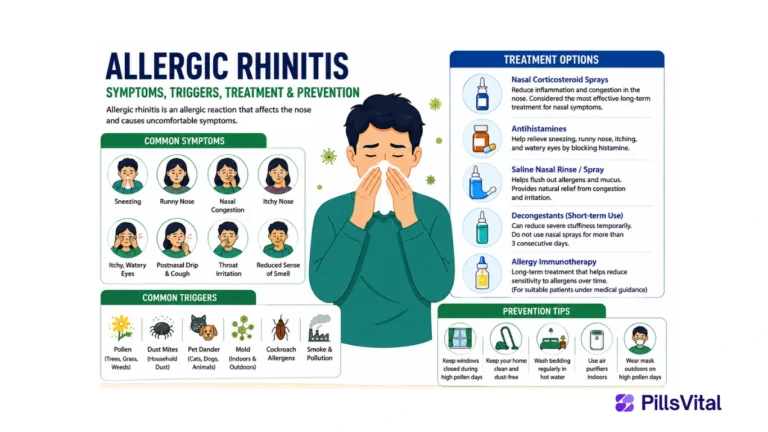
A blocked nose can be one of the most frustrating symptoms of allergic rhinitis. You may be able to tolerate occasional sneezing or an itchy nose, but persistent nasal congestion can make it difficult to breathe comfortably, sleep well, concentrate at work, or enjoy outdoor activities.
If your blocked nose repeatedly appears after exposure to pollen, dust, pet allergens, mold, or other triggers, allergies may be contributing to the problem.
The good news is that allergic rhinitis treatment for blocked nose can involve several approaches, including reducing exposure to allergens, using appropriate nasal treatments, considering antihistamines for certain symptoms, and addressing persistent symptoms with professional guidance.
This guide explains why allergic rhinitis causes nasal congestion, which treatment options may help, what you can do at home, and when a blocked nose may require medical evaluation.
What Is Allergic Rhinitis?
Allergic rhinitis is an allergic inflammatory condition that primarily affects the nose.
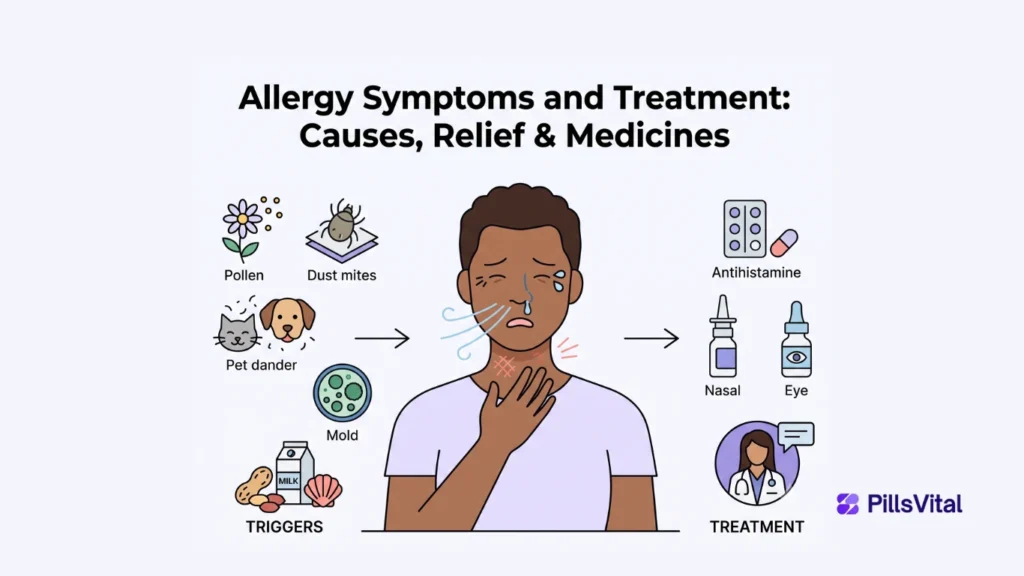
It happens when your immune system reacts to substances that are usually harmless, such as pollen, dust mites, mold, or animal allergens. This reaction can trigger the release of inflammatory chemicals, including histamine, leading to symptoms such as sneezing, itching, runny nose, watery eyes, and nasal congestion.
Allergic rhinitis is commonly divided into two patterns:
Seasonal allergic rhinitis
Seasonal symptoms are usually associated with outdoor allergens such as tree, grass, or weed pollen.
Symptoms may become worse during particular times of the year when the relevant pollen is more prevalent.
Perennial allergic rhinitis
Perennial allergic rhinitis can occur throughout the year.
Common triggers include:
- Dust mites
- Pet allergens
- Indoor mold
- Cockroach allergens
Some people experience symptoms continuously, while others experience flare-ups when they encounter a particular trigger.
Why Does Allergic Rhinitis Cause a Blocked Nose?
Nasal congestion is not simply caused by having too much mucus.
When an allergen triggers an allergic response, tissues inside the nose can become inflamed and swollen. Blood vessels in the nasal lining can also become more congested.
This combination can narrow the nasal passages and make breathing through your nose difficult.
You may notice:
- Difficulty breathing through your nose
- A feeling of pressure or fullness
- Congestion that becomes worse at night
- Difficulty sleeping
- Reduced sense of smell
- Mouth breathing
- Postnasal drainage
- Frequent throat clearing
Allergic rhinitis can therefore produce significant congestion even when there is no bacterial infection.
Allergic Rhinitis or a Cold? How Can You Tell?
A blocked nose does not automatically mean you have allergies.
Allergic rhinitis and viral respiratory infections can produce similar symptoms, but their patterns can be different.
| Symptom or pattern | Allergic rhinitis | Common cold |
|---|---|---|
| Sneezing | Very common | Common |
| Itchy nose/eyes | Common | Less typical |
| Watery eyes | Common | Sometimes |
| Clear runny nose | Common | Common initially |
| Nasal congestion | Common | Common |
| Fever | Usually absent | Sometimes present |
| Body aches | Uncommon | More likely |
| Trigger-related symptoms | Common | Usually absent |
| Symptoms recurring around allergens | Common | Less typical |
Allergic rhinitis often follows a recognizable pattern.
For example, you might notice that your nose becomes blocked every time you clean a dusty room, visit a home with pets, spend time outdoors during pollen season, or wake up in a bedroom where dust-mite exposure is significant.
If you are uncertain about the cause, particularly when symptoms persist, a healthcare professional can help determine whether allergies or another condition is responsible.
Allergic Rhinitis Treatment for Blocked Nose
There isn’t one treatment that works equally well for every person.
The right approach depends on:
- The cause of the allergy
- How severe your congestion is
- Whether symptoms are seasonal or year-round
- Your other allergy symptoms
- Your age
- Other medicines you take
- Other health conditions
- How frequently symptoms occur
Treatment generally combines trigger management and appropriate symptom control.
1. Reduce Exposure to the Allergen
The first step is identifying what appears to trigger your symptoms.
Completely avoiding an allergen isn’t always possible, but reducing exposure may decrease symptoms.
For pollen-related allergies, strategies can include limiting exposure when pollen levels are high, keeping windows closed when appropriate, and changing clothes or showering after spending substantial time outdoors.
For indoor allergies, regular cleaning, reducing dust accumulation, addressing moisture and mold problems, and appropriate measures for dust-mite exposure may help.
MedlinePlus recommends measures such as reducing household dust and dust-mite exposure, controlling mold, and limiting exposure to pollen and animals when these are triggers.
If dust triggers your blocked nose
Consider:
- Washing bedding regularly
- Cleaning frequently used surfaces
- Reducing dust accumulation
- Paying particular attention to the bedroom
- Considering allergen-resistant bedding covers where appropriate
If pollen triggers your symptoms
You may benefit from:
- Monitoring local pollen conditions
- Limiting prolonged outdoor exposure during high-pollen periods
- Keeping windows closed when appropriate
- Showering after outdoor exposure
- Changing clothes after spending substantial time outdoors
If pets trigger symptoms
Reducing exposure may help if animal allergens are responsible.
Keeping pets away from sleeping areas may be useful for some people, although individual recommendations vary.
2. Nasal Corticosteroid Sprays
For allergic rhinitis with significant nasal symptoms, intranasal corticosteroid sprays are an important treatment option.
These medicines work locally in the nose to reduce inflammation.
They can help with symptoms including:
- Nasal congestion
- Runny nose
- Sneezing
- Nasal itching
MedlinePlus describes nasal corticosteroid sprays as the most effective medication treatment for allergic rhinitis and notes that they generally work best with consistent use.
For people with seasonal allergic rhinitis, clinical guidance has also recommended intranasal corticosteroid monotherapy as an initial treatment option for many patients aged 12 years and older with moderate-to-severe nasal symptoms.
Why consistency matters
One common mistake is expecting a nasal corticosteroid spray to completely clear congestion immediately after one dose.
These medicines are intended to control nasal inflammation, and improvement may take time.
Follow the specific product instructions and use the medication consistently as directed.
Proper nasal spray technique matters
Incorrect technique can reduce how effectively medicine reaches the nasal lining.
General technique includes:
- Gently clear your nose.
- Keep your head in the recommended position.
- Aim the spray appropriately rather than forcefully toward the nasal septum.
- Spray according to the product instructions.
- Avoid immediately blowing your nose unless the product instructions say otherwise.
Because different products have different instructions, always follow the label or advice from a healthcare professional.
3. Antihistamines for Allergic Rhinitis
Antihistamines work by blocking the effects of histamine, one of the chemicals involved in allergic reactions.
They can be particularly useful for symptoms such as:
- Sneezing
- Itchy nose
- Runny nose
- Itchy or watery eyes
They may also provide some relief from nasal symptoms, although the choice of treatment should be based on the symptoms that are most troublesome.
Examples of antihistamine ingredients include:
- Fexofenadine
- Cetirizine
- Loratadine
- Desloratadine
Different antihistamines have different properties and may not be appropriate for everyone.
Some older antihistamines can cause significant drowsiness, while newer options are generally less sedating. Even newer medicines can affect individuals differently.
If a medicine causes drowsiness, avoid driving or operating machinery until you know how it affects you.
4. What If Your Main Problem Is a Blocked Nose?
This is an important distinction.
If your dominant symptoms are nasal congestion and difficulty breathing through your nose, simply choosing an antihistamine may not always address the main problem as effectively as a treatment directed at nasal inflammation.
For significant nasal symptoms, intranasal corticosteroids are commonly considered an important treatment option.
The American Academy of Family Physicians’ summary of AAAAI/ACAAI guidance notes that intranasal corticosteroids are preferred over combining them initially with an oral antihistamine for many patients aged 12 and older with seasonal allergic rhinitis.
This does not mean everyone should use the same medicine.
Your symptoms and individual circumstances matter.
5. Saline Nasal Spray or Nasal Rinse
Saline products can be useful as a non-drug approach to nasal symptoms.
A saline spray or rinse can help remove mucus and allergens from the nasal passages.
It does not suppress the underlying allergic immune response in the same way as an allergy medicine, but it can provide additional symptom relief for some people.
MedlinePlus notes that nasal washing can help remove mucus in mild allergic rhinitis.
Important safety point
If you use a nasal irrigation device, use water that is safe for nasal rinsing, such as appropriately prepared distilled, sterile, or boiled-and-cooled water according to established instructions.
Do not use untreated tap water for nasal irrigation.
6. What About Decongestant Nasal Sprays?
Decongestant nasal sprays can temporarily reduce nasal stuffiness by shrinking swollen blood vessels in the nasal passages.
However, they are not the same as long-term allergic rhinitis treatment.
Using topical nasal decongestants for too long can lead to rebound congestion, in which the nose becomes congested again or more severely after the medication wears off.
MedlinePlus advises not using nasal spray decongestants for more than three consecutive days.
Therefore, don’t automatically use a decongestant nasal spray every day simply because your nose remains blocked.
If congestion continues, consider discussing a more appropriate long-term strategy with a healthcare professional.
7. Can You Treat Allergic Rhinitis Without Antibiotics?
In most cases, yes.
Allergic rhinitis is an allergic inflammatory condition rather than a bacterial infection.
Therefore, antibiotics do not treat the underlying allergic response.
If your symptoms include a blocked nose, sneezing, itching, watery eyes, and clear nasal discharge that repeatedly occur after allergen exposure, an allergy-focused approach is generally more appropriate than taking antibiotics without a confirmed bacterial infection.
However, a person can have allergies and another condition at the same time.
Persistent symptoms, significant facial pain, fever, worsening illness, or other concerning features should be evaluated rather than automatically attributed to allergies.
8. Home Strategies That May Help a Blocked Nose
Medication isn’t the only part of allergic rhinitis management.
Small environmental changes may help reduce exposure.
Keep the bedroom allergy-friendly
Because you spend many hours in your bedroom, reducing exposure to relevant indoor allergens may be particularly useful.
Wash bedding regularly and minimize dust accumulation.
Improve indoor moisture control
Excess indoor moisture can encourage mold growth.
Address leaks and persistent dampness promptly.
Clean strategically
Regular cleaning can reduce accumulated dust, although cleaning itself may temporarily disturb allergens.
If dust strongly triggers symptoms, consider methods that minimize exposure during cleaning.
Keep outdoor allergens outside
During pollen-heavy periods, changing clothes and showering after prolonged outdoor exposure may reduce the amount of pollen carried into your living environment.
Avoid known triggers
You do not need to eliminate every possible allergen from your life.
Focus first on triggers that you have a clear reason to associate with your symptoms.
9. Why Is My Nose Still Blocked Despite Taking Allergy Medicine?
This is a common question.
Several factors could explain persistent congestion.
The trigger is still present
If you continue to encounter the allergen frequently, symptoms may continue despite treatment.
The treatment doesn’t match your main symptom
An antihistamine may help sneezing and itching but may not provide the same level of relief for significant nasal inflammation as an appropriate intranasal treatment.
Incorrect nasal spray technique
Poor technique can reduce medication delivery to the intended area.
Inconsistent use
Some treatments work better when used consistently rather than only after symptoms become severe.
The diagnosis may be different
Not every blocked nose is caused by allergic rhinitis.
Other possibilities include:
- Viral infections
- Non-allergic rhinitis
- Sinus conditions
- Nasal polyps
- Structural nasal problems
- Medication-related congestion
Persistent congestion deserves reassessment rather than endless changes in self-treatment.
10. Can Allergic Rhinitis Cause Nighttime Nasal Congestion?
Yes.
Allergic rhinitis can make nighttime breathing uncomfortable, particularly when nasal inflammation remains active.
A blocked nose may contribute to:
- Mouth breathing
- Dry mouth
- Poor sleep
- Frequent waking
- Morning tiredness
- Snoring
If nighttime congestion happens regularly, consider whether your bedroom contains an important trigger.
Dust mites, pet allergens, and indoor mold can be relevant for some people with year-round allergic rhinitis.
If you regularly wake up unable to breathe comfortably through your nose, discuss the problem with a healthcare professional rather than assuming it is simply a minor allergy symptom.
11. Seasonal Allergic Rhinitis: What Changes During Pollen Season?
People with seasonal allergies may experience predictable increases in symptoms during periods when the relevant pollen is present.
Common symptoms include:
- Sneezing
- Runny nose
- Nasal congestion
- Itchy eyes
- Watery eyes
- Throat irritation
- Fatigue
Pollen exposure varies according to location, weather, and plant species.
MedlinePlus notes that pollen levels can be influenced by weather, with hot, dry, windy conditions generally favoring more airborne pollen.
If you know your symptoms occur during a particular season, planning trigger-reduction measures before or during that period may be useful.
12. Perennial Allergic Rhinitis: Why Symptoms Can Continue All Year
If your nose is blocked throughout the year, consider whether an indoor allergen could be contributing.
Possible triggers include:
- Dust mites
- Pet allergens
- Mold
- Cockroach allergens
Year-round symptoms do not automatically prove that you have perennial allergic rhinitis.
A healthcare professional may consider your symptom pattern, environment, medical history, and potentially allergy testing when determining the cause.
13. When Should You See a Doctor for a Blocked Nose?
You should consider professional evaluation if:
- Nasal congestion persists despite appropriate treatment.
- Symptoms repeatedly interfere with sleep.
- Allergy medicines that previously worked no longer help.
- Symptoms are severe.
- You frequently need medication to control your symptoms.
- You are unsure whether allergies are causing the congestion.
- You have recurring sinus or respiratory symptoms.
- You develop significant wheezing or breathing problems.
MedlinePlus specifically recommends contacting a healthcare provider when allergic symptoms are severe, do not improve with treatment, or are accompanied by increasing wheezing or coughing.
Seek urgent medical attention for:
- Severe difficulty breathing
- Swelling of the lips, tongue, or throat
- Fainting
- Signs of a severe allergic reaction
These symptoms may indicate a serious allergic reaction and require urgent medical care.
14. Can Allergic Rhinitis Be Permanently Cured?
There is no single treatment that permanently eliminates allergic rhinitis for everyone.
However, symptoms can often be managed effectively.
Treatment may involve:
Trigger reduction → appropriate medication → symptom monitoring → professional evaluation when necessary
For people whose symptoms remain difficult to control despite standard measures, an allergy specialist may evaluate whether allergen immunotherapy is appropriate.
Immunotherapy can involve gradually exposing a person to a relevant allergen under medical supervision. Options can include allergy shots or selected forms of sublingual immunotherapy.
This is different from simply taking an allergy tablet and should be considered with a qualified healthcare professional.
15. What Is the Best Allergic Rhinitis Treatment for a Blocked Nose?
There isn’t one universally best treatment.
The most appropriate option depends on what is causing the congestion and which symptoms you experience.
A simplified way to think about the options is:
| Main problem | Treatment approach that may be considered |
|---|---|
| Blocked nose/inflammation | Intranasal corticosteroid |
| Sneezing and itching | Antihistamine |
| Runny nose | Antihistamine or appropriate nasal treatment |
| Mild nasal symptoms | Saline spray/rinse may help |
| Short-term severe stuffiness | Decongestant may sometimes be considered with appropriate precautions |
| Persistent uncontrolled allergies | Medical evaluation and possible specialist treatment |
| Confirmed troublesome allergen | Trigger reduction and, for selected people, immunotherapy |
This table is a general guide rather than a personal treatment recommendation.
Allergic Rhinitis Treatment: Common Mistakes to Avoid
Mistake 1: Treating every blocked nose with antibiotics
Allergic rhinitis isn’t a bacterial infection.
Mistake 2: Using a decongestant spray for too long
Prolonged use of topical nasal decongestants can contribute to rebound congestion.
Mistake 3: Taking multiple allergy medicines without checking
More medicines do not necessarily mean better symptom control.
Check active ingredients carefully to avoid unnecessary duplication.
Mistake 4: Ignoring the trigger
If your environment repeatedly exposes you to the allergen, medication may only be treating part of the problem.
Mistake 5: Stopping treatment too quickly
Some allergy treatments, particularly anti-inflammatory nasal treatments, may require consistent use before their full effect becomes apparent.
Mistake 6: Assuming every blocked nose is an allergy
Persistent congestion can have causes other than allergic rhinitis.
Frequently Asked Questions
What is the best treatment for a blocked nose caused by allergies?
Treatment depends on the severity and pattern of your symptoms. Intranasal corticosteroids are an important treatment option for allergic nasal inflammation, while antihistamines may be useful for symptoms such as sneezing and itching. Saline nasal products can also provide supportive relief.
How do I unblock my nose from allergic rhinitis?
Reducing exposure to the relevant allergen, using an appropriate nasal treatment, and considering saline nasal irrigation may help. If congestion remains persistent, medical evaluation can determine whether your treatment or diagnosis needs reassessment.
Can antihistamines unblock a nose?
Antihistamines can relieve several allergy symptoms, especially sneezing, itching, and runny nose. However, when significant nasal congestion is the dominant problem, a treatment specifically targeting nasal inflammation may be more appropriate.
Is a nasal spray better than tablets for allergic rhinitis?
It depends on the symptoms and the type of nasal spray. Intranasal corticosteroids directly target nasal inflammation and are an important treatment option for allergic rhinitis. Oral antihistamines may be useful for symptoms such as sneezing and itching.
How long does allergic rhinitis congestion last?
It depends on the trigger and whether exposure continues. Seasonal symptoms may follow pollen seasons, while perennial allergic rhinitis can cause symptoms throughout the year.
Can allergic rhinitis cause a completely blocked nose?
Yes. Inflammation and swelling inside the nasal passages can cause substantial congestion.
Can I treat allergic rhinitis without antibiotics?
Yes. Allergic rhinitis is caused by an allergic inflammatory response rather than a bacterial infection, so antibiotics do not treat the underlying allergy.
Is saline rinse good for allergic rhinitis?
Saline nasal washing can help remove mucus and allergens and may provide symptom relief, particularly for mild nasal symptoms. Use appropriately prepared water for nasal irrigation.
Why is my allergic rhinitis worse at night?
Nighttime symptoms may be related to ongoing exposure to indoor allergens, including dust mites, pet allergens, or mold. Nasal congestion can also become particularly noticeable when you are trying to sleep.
When should I see a doctor for allergic rhinitis?
Seek professional advice when symptoms are severe, persistent, interfering with sleep or daily activities, not responding to treatment, or accompanied by increasing wheezing or breathing problems.
Key Takeaways
Allergic rhinitis treatment for blocked nose is not simply about finding the strongest allergy medicine.
The most useful approach usually begins with understanding what is triggering the nasal inflammation.
Remember:
- Allergic rhinitis can cause significant nasal congestion.
- Pollen, dust mites, mold, and animal allergens are common triggers.
- Reducing exposure can help reduce symptoms.
- Intranasal corticosteroids are an important treatment option for nasal inflammation.
- Antihistamines can help symptoms such as sneezing, itching, and runny nose.
- Saline nasal rinses may provide additional relief.
- Nasal decongestant sprays should not be used continuously without appropriate medical guidance.
- Antibiotics do not treat allergic rhinitis.
- Persistent or severe congestion deserves professional assessment.
- Treatment should be selected according to the individual’s symptoms and circumstances.
If your blocked nose keeps returning, identifying the trigger may be just as important as treating the symptom.
Your Health Is Our Top Priority. Use medicines according to their labeling or a healthcare professional’s advice, and seek medical care when symptoms are severe or persistent.
Medical References
- MedlinePlus. Allergic Rhinitis – Self-Care.
- American Academy of Allergy, Asthma & Immunology / ACAAI Practice Parameter — Rhinitis 2020
- AAAAI/ACAAI Guideline — Treatment of Seasonal Allergic Rhinitis
- Goh SLE, et al. Evidence-to-Recommendation Framework for 2026 ACE Clinical Guideline on Allergic Rhinitis – Diagnosis and Management.
Related Health Resources
-
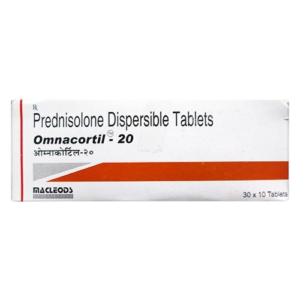
Prednisolone 20mg (Omnacortil) Tablets
$38.00 – $110.00Price range: $38.00 through $110.00 This product has multiple variants. The options may be chosen on the product page -
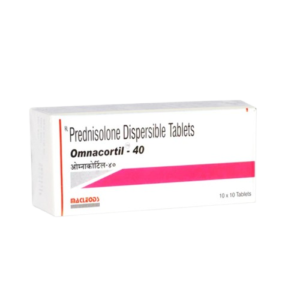
Prednisolone 40mg (Omnacortil) Tablets
$41.00 – $118.00Price range: $41.00 through $118.00 This product has multiple variants. The options may be chosen on the product page -
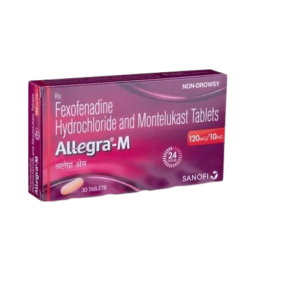
Allegra M (Fexofenadine) Tablets
$55.00 – $160.00Price range: $55.00 through $160.00 This product has multiple variants. The options may be chosen on the product page -
Montelukast 10mg (Montair) Tablet
$52.00 – $140.00Price range: $52.00 through $140.00 This product has multiple variants. The options may be chosen on the product page
🩺 Related Allergy Guides

Dr. Emily Carter specializes in evidence-based health education and wellness content. She focuses on simplifying complex medical topics related to cancer awareness, nutrition, preventive healthcare, skincare, and lifestyle wellness for readers worldwide.
This content is reviewed for medical accuracy, clarity, and alignment with current public health research. The article is intended for educational and informational purposes only and should not replace professional medical advice, diagnosis, or treatment.