
What Is the Best Medicine for Allergies? Antihistamines, Nasal Sprays & Other Options
Written By: PillsVital Health Editorial Team
Last Updated: August 2026
Medical Review: August 2026
Introduction
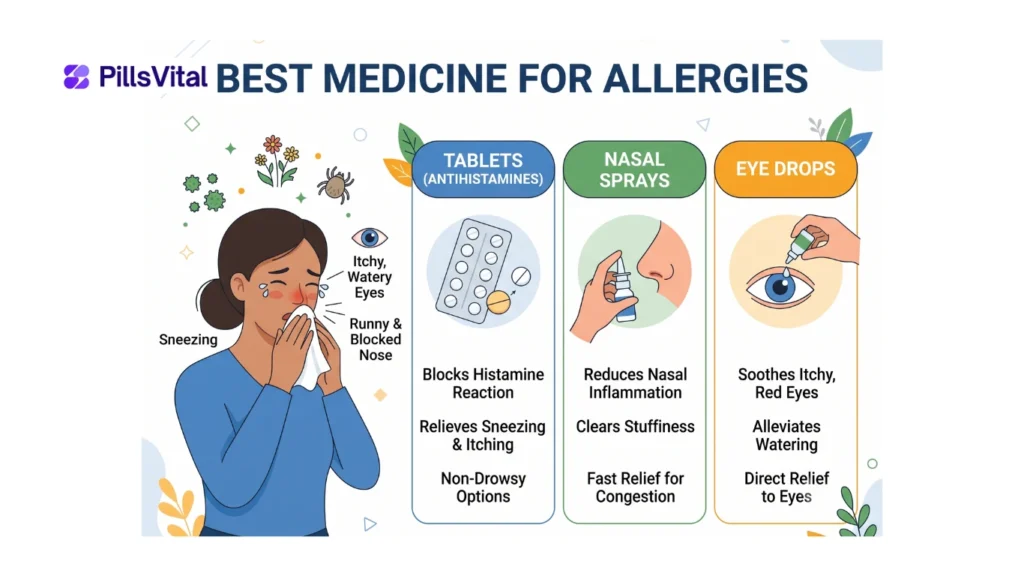
Allergies can cause a frustrating combination of sneezing, runny or blocked nose, itchy eyes, watery eyes, coughing, skin itching and other symptoms. If you’re unsure whether the symptoms you’re experiencing may be allergy-related, our guide to allergy symptoms and treatment explains common symptoms, possible triggers, and general treatment approaches. With so many allergy medicines available—including antihistamine tablets, nasal sprays, eye drops and other treatments—it can be difficult to know which option is appropriate.
So, what is the best medicine for allergies?
There isn’t one allergy medicine that is best for everyone. The most suitable option depends on which symptoms you have, what is triggering them, how severe they are, how quickly you need relief, your age, other medicines you take and whether you have other health conditions.
For many people, antihistamines can help relieve symptoms such as sneezing, itching and a runny nose. When nasal congestion is the dominant problem, an appropriate nasal spray may provide more targeted relief. People with persistent or severe symptoms may need a different treatment approach recommended by a healthcare professional.
This guide compares the main types of allergy medicines so you can understand the differences before choosing an option.
What Are Allergy Medicines Used For?
Allergy medicines are designed to reduce symptoms caused by an allergic reaction. When the immune system encounters an allergen such as pollen, dust mites, pet dander or certain foods, it can release chemicals including histamine.
Histamine contributes to symptoms such as:
- Sneezing
- Itchy nose
- Runny nose
- Watery or itchy eyes
- Nasal congestion
- Skin itching
- Hives
Different medicines work in different ways, so a treatment that works well for one symptom may not be the most appropriate choice for another.
What Is the Best Medicine for Allergies?
The answer depends largely on the symptoms you’re trying to control.
| Main problem | Treatment category that may help |
|---|---|
| Sneezing | Antihistamines |
| Itchy nose | Antihistamines |
| Runny nose | Antihistamines or nasal treatments |
| Itchy/watery eyes | Antihistamine eye drops or oral antihistamines |
| Nasal congestion | Corticosteroid nasal sprays |
| Seasonal allergic rhinitis | Antihistamines and/or nasal sprays |
| Hives | Antihistamines |
| Persistent nasal symptoms | Nasal corticosteroids may be considered |
| Severe allergic reaction | Emergency medical treatment |
This table shouldn’t be interpreted as a prescription. The appropriate treatment depends on the individual and the cause of the symptoms.
1. Antihistamines
Antihistamines are among the most commonly used medicines for allergy symptoms.
They work by blocking the effects of histamine, which is one of the chemicals involved in many allergic symptoms. If you want to understand more about how these medicines work, their common uses, and potential side effects, see our detailed guide to antihistamine uses, how they work, and side effects.
Antihistamines can be useful for symptoms such as:
Sneezing
Itching
Runny nose
Itchy eyes
Watery eyes
Some types of hives
Common types of antihistamines
Antihistamines are often divided into first-generation and second-generation medicines.
First-generation antihistamines can cause more sedation and drowsiness in some people.
Second-generation antihistamines are generally preferred when daytime alertness is important because many are less sedating, although drowsiness can still occur with some medicines.
Examples include medicines containing:
Cetirizine
Loratadine
Fexofenadine
Desloratadine
The appropriate medicine and dose depend on factors such as age and individual circumstances.
2. Are Non-Drowsy Antihistamines Better?
For people who need to remain alert at work, school or while driving, a less-sedating antihistamine may be preferable.
However, “non-drowsy” does not necessarily mean that nobody will experience sleepiness.
Some people can still experience:
- Drowsiness
- Headache
- Dry mouth
- Fatigue
- Dizziness
If you are taking an antihistamine for the first time, be cautious about activities requiring full alertness until you know how it affects you.
3. Nasal Sprays for Allergies
Nasal sprays can be particularly useful when allergy symptoms are concentrated in the nose.
Depending on the active ingredient, nasal sprays may help with:
- Nasal congestion
- Sneezing
- Runny nose
- Nasal itching
- Inflammation inside the nose
Corticosteroid nasal sprays are commonly used for allergic rhinitis because they reduce inflammation in the nasal passages.
Examples of active ingredients used in allergy nasal sprays include:
- Fluticasone
- Mometasone
- Budesonide
They are different from decongestant nasal sprays, which should not be used continuously without appropriate medical advice because prolonged use of some decongestant sprays can cause rebound congestion.
Antihistamine vs Nasal Spray for Allergies
This is one of the most useful comparisons for people researching allergy treatment.
Antihistamine tablets
They may be convenient when you experience several histamine-related symptoms, such as:
- Sneezing
- Itching
- Runny nose
- Watery eyes
- Hives
Nasal sprays
They can be especially useful when symptoms are primarily nasal, particularly congestion and inflammation.
Which should you choose?
It depends on your symptoms.
Someone experiencing occasional sneezing and itchy eyes may prefer an antihistamine, while someone experiencing persistent nasal congestion may benefit from discussing a nasal spray with a healthcare professional.
In some situations, healthcare professionals may recommend combining treatments.
Best Allergy Medicine for a Runny Nose and Sneezing
A runny nose and frequent sneezing are common symptoms of allergic rhinitis.
An antihistamine may help because histamine contributes to these symptoms.
However, the best option can vary according to:
- The underlying trigger
- Frequency of symptoms
- Severity
- Age
- Other medicines
- Existing medical conditions
If symptoms happen repeatedly during pollen season, identifying and reducing exposure to the trigger can also be an important part of managing symptoms.
Best Allergy Medicine for a Blocked Nose
Nasal congestion can be one of the most difficult allergy symptoms to manage.
When congestion is caused by inflammation associated with allergic rhinitis, intranasal corticosteroids may be an important treatment option.
Unlike an oral antihistamine, a nasal spray delivers medicine directly to the nasal passages.
However, different nasal sprays have different active ingredients and purposes. A decongestant spray is not the same as a corticosteroid nasal spray.
Best Allergy Medicine for Itchy and Watery Eyes
Allergies can cause:
- Itchy eyes
- Red eyes
- Watery eyes
- Burning or irritation
Antihistamine eye drops can provide targeted treatment for allergic eye symptoms.
Oral antihistamines may also help some people, particularly when eye symptoms occur alongside sneezing and nasal symptoms.
Persistent, painful or severe eye symptoms should be evaluated because not every red or irritated eye is caused by an allergy.
Allergy Tablets vs Nasal Sprays: Which Is Better?
There is no universal winner.
The better option depends on where your symptoms are and which symptoms are most troublesome.
Choose the comparison based on your symptoms
Mostly sneezing and itching:
An antihistamine may be useful.
Mostly nasal congestion:
A nasal corticosteroid may be more appropriate.
Nasal and eye symptoms together:
An antihistamine or a combination approach may be considered.
Persistent symptoms:
A healthcare professional can help determine whether a daily treatment strategy is appropriate.
How Long Does Allergy Medicine Take to Work?
The timing depends on the specific medicine.
Some antihistamines can begin relieving symptoms relatively quickly, while nasal corticosteroids may require regular use to achieve their full effect.
This is important because people sometimes stop a nasal spray prematurely if they don’t experience immediate relief.
Always follow the product instructions or advice from your healthcare professional.
What Is the Best Allergy Medicine for Seasonal Allergies?
Seasonal allergies are often triggered by airborne allergens such as pollen.
Symptoms can include:
- Sneezing
- Runny nose
- Nasal congestion
- Itchy eyes
- Watery eyes
- Itchy throat
For mild or occasional symptoms, an antihistamine may be sufficient for some people.
For persistent nasal symptoms, a nasal corticosteroid may be considered.
Another useful strategy is reducing exposure to the allergen when possible—for example, keeping windows closed during periods of high pollen exposure and changing clothes after spending significant time outdoors.
What About Allergy Medicines for Children?
Children should not simply receive the same allergy medicine or dose as an adult.
Age restrictions, formulations and dosing recommendations can vary between medicines.
Parents and caregivers should check the product information and speak with a pediatrician, pharmacist or other qualified healthcare professional when unsure.
Extra caution is particularly important for young children.
Can You Take More Than One Allergy Medicine?
Sometimes different allergy treatments are used together, but combining medicines isn’t automatically better.
Taking multiple products can unintentionally result in duplicate ingredients or increase the risk of side effects.
Before combining:
- Two antihistamines
- An antihistamine and another cold/allergy product
- Multiple nasal sprays
- Allergy medicine with other medications
check with a pharmacist or healthcare professional.
Allergy Medicine Side Effects
Side effects depend on the medicine.
Antihistamines can potentially cause:
- Drowsiness
- Dry mouth
- Headache
- Dizziness
- Fatigue
Nasal sprays can sometimes cause:
- Nasal irritation
- Dryness
- Throat irritation
- Nosebleeds
Not everyone experiences side effects.
If you develop unusual, severe or concerning symptoms after taking an allergy medicine, seek appropriate medical advice.
When Should You See a Doctor About Allergies?
You should consider professional evaluation if:
- Symptoms are persistent or severe.
- Allergy symptoms interfere with sleep.
- Symptoms significantly affect daily activities.
- Over-the-counter treatments aren’t helping.
- You aren’t sure whether symptoms are caused by an allergy.
- You repeatedly develop hives or swelling.
- You experience breathing difficulties.
Emergency warning
A severe allergic reaction can be life-threatening.
Symptoms such as difficulty breathing, throat or tongue swelling, fainting or rapidly worsening symptoms require emergency medical attention.
Do not rely on an ordinary allergy tablet to treat a severe allergic reaction.
How to Choose an Allergy Medicine: A Simple Checklist
Before choosing a product, consider:
1. What symptoms do you have?
Is the main problem sneezing, itching, congestion, watery eyes or skin symptoms?
2. How frequently do symptoms occur?
Occasional symptoms may require a different strategy from persistent symptoms.
3. Do you need to stay alert?
If you need to drive or operate machinery, discuss less-sedating options with a pharmacist or healthcare professional.
4. Are you taking other medicines?
Potential interactions should be considered.
5. Is the medicine appropriate for your age?
Children and older adults may require additional consideration.
6. Are symptoms actually caused by an allergy?
A cold, infection, irritant exposure and other conditions can produce symptoms that resemble allergies.
Allergy Medicine Comparison
| Treatment | Commonly useful for | Important consideration |
|---|---|---|
| Oral antihistamine | Sneezing, itching, runny nose | Some can cause drowsiness |
| Nasal corticosteroid | Nasal inflammation and congestion | Regular use may be needed |
| Antihistamine eye drops | Itchy/watery allergic eyes | Targets eye symptoms |
| Decongestant | Short-term congestion relief | Some products have important limitations |
| Saline nasal rinse/spray | Nasal irritation and mucus | Doesn’t replace treatment when medication is needed |
| Prescription allergy treatment | Persistent or difficult-to-control symptoms | Requires professional assessment |
Frequently Asked Questions
What is the best medicine for allergies?
There is no single best medicine for everyone. Antihistamines can help many histamine-related symptoms, while nasal corticosteroids can be particularly useful for persistent nasal symptoms.
What is the best allergy medicine for sneezing?
Antihistamines are commonly used to relieve allergy-related sneezing.
What is the best allergy medicine for a blocked nose?
For allergic nasal congestion, intranasal corticosteroids are commonly used. The appropriate option depends on the individual.
Which allergy medicine causes the least drowsiness?
Some newer-generation antihistamines are less sedating than older antihistamines, but individual responses vary.
Are nasal sprays better than allergy tablets?
Not necessarily. Nasal sprays and tablets work differently and may be better suited to different symptom patterns.
Can allergy medicine cure allergies?
Most allergy medicines control or reduce symptoms rather than permanently curing the underlying allergy.
Can I take allergy medicine every day?
Some allergy medicines are designed for regular use, but whether daily treatment is appropriate depends on the medicine and your individual circumstances.
How can I reduce allergy symptoms without medicine?
Reducing exposure to known triggers, keeping living spaces clean, managing pollen exposure and using saline nasal rinses may help some people.
Final Takeaway
The best medicine for allergies isn’t necessarily the strongest medicine—it’s the treatment that appropriately matches your symptoms and circumstances.
For many people, antihistamines are useful for sneezing, itching and runny nose. When nasal congestion and inflammation are the main problems, a suitable nasal spray may provide more targeted treatment. Eye drops can be useful when allergic eye symptoms are prominent.
If symptoms are persistent, severe, unusual or difficult to control, professional medical advice can help identify the cause and determine the most appropriate treatment.
Don’t choose an allergy medicine based only on a product name or a claim that it is the “best.” Compare the active ingredient, intended use, potential side effects and your own health needs first.
Medical References :
Related Health Resources
-
Prednisolone 20mg (Omnacortil) Tablets
$38.00 – $110.00Price range: $38.00 through $110.00 This product has multiple variants. The options may be chosen on the product page -
Prednisolone 40mg (Omnacortil) Tablets
$41.00 – $118.00Price range: $41.00 through $118.00 This product has multiple variants. The options may be chosen on the product page -
Allegra M (Fexofenadine) Tablets
$55.00 – $160.00Price range: $55.00 through $160.00 This product has multiple variants. The options may be chosen on the product page -
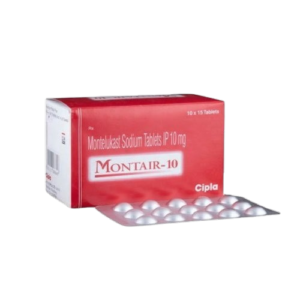
Montelukast 10mg (Montair) Tablet
$52.00 – $140.00Price range: $52.00 through $140.00 This product has multiple variants. The options may be chosen on the product page
🩺 Related Allergy Guides

Dr. Emily Carter specializes in evidence-based health education and wellness content. She focuses on simplifying complex medical topics related to cancer awareness, nutrition, preventive healthcare, skincare, and lifestyle wellness for readers worldwide.
This content is reviewed for medical accuracy, clarity, and alignment with current public health research. The article is intended for educational and informational purposes only and should not replace professional medical advice, diagnosis, or treatment.