🚚 Worldwide Shipping | 🔒 Secure Checkout | 💬 24/7 Support

Welcome to PillsVital — Essential Care, Trusted Globally

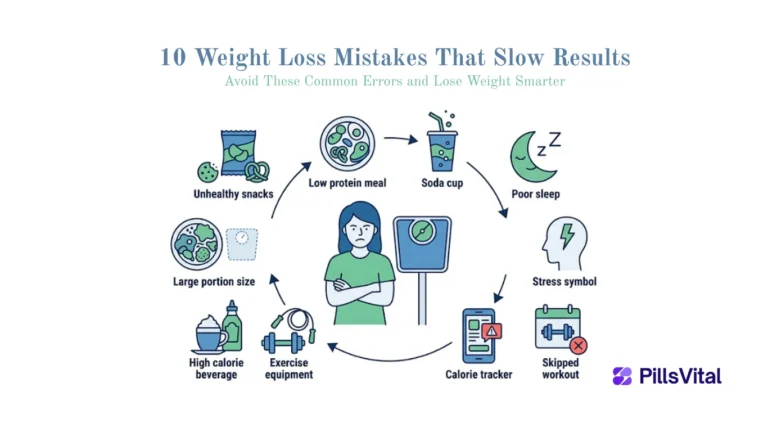
10 common weight loss mistakes that slow results including poor diet, lack of exercise, inadequate sleep, and unhealthy habits.

Introduction

Losing weight is rarely as simple as eating less and exercising more. While many people start their weight-loss journey with enthusiasm, progress can slow or stop altogether due to common mistakes that often go unnoticed.

Whether you’re following a traditional diet plan, using a medically supervised program, or taking GLP-1 medications such as semaglutide, avoiding these mistakes can significantly improve your chances of long-term success.

If you’ve been wondering why the scale isn’t moving despite your efforts, one or more of these common weight loss mistakes could be holding you back.

1. Choosing the Wrong Weight Loss Approach

One of the biggest mistakes people make is following a weight-loss strategy that doesn’t fit their needs, health status, or lifestyle.

Many individuals jump between:

  • Crash diets
  • Detox programs
  • Social media trends
  • Unproven supplements

These approaches often produce short-term results but fail to create sustainable habits.

Before starting any program, it’s important to understand your options. Our guide on How to Choose the Right Weight Loss Medication Safely explains how different treatments may support long-term weight management.

Healthcare experts recommend focusing on evidence-based weight management strategies rather than relying on quick-fix solutions.

2. Eating Too Few Calories

Many people assume that drastically reducing calories will accelerate weight loss.

Unfortunately, extreme calorie restriction can:

  • Increase hunger
  • Reduce energy levels
  • Increase cravings
  • Make diets difficult to sustain

Over time, this often leads to overeating or abandoning the plan altogether.

Instead of starving yourself, focus on creating a moderate calorie deficit that can be maintained consistently.

3. Ignoring Protein Intake

Protein is one of the most important nutrients during weight loss.

Adequate protein helps:

  • Preserve muscle mass
  • Increase satiety
  • Reduce hunger
  • Support metabolism

Many people focus only on calories while neglecting protein.

Good sources include:

  • Chicken
  • Fish
  • Eggs
  • Greek yogurt
  • Tofu
  • Beans
  • Cottage cheese

For additional nutrition guidance, read our article on Best Diet While Taking Semaglutide for Weight Loss.

4. Relying Only on the Scale

The scale does not tell the entire story.

Weight can fluctuate due to:

  • Water retention
  • Sodium intake
  • Hormonal changes
  • Digestive contents

Some people lose body fat while gaining muscle, causing the scale to remain relatively stable.

Track additional indicators such as:

  • Waist circumference
  • Progress photos
  • Clothing fit
  • Strength improvements

These measurements often reveal progress that the scale misses.

5. Drinking Calories Without Realizing It

Liquid calories can significantly impact weight loss efforts.

Common sources include:

  • Soda
  • Specialty coffee drinks
  • Sweetened teas
  • Fruit juices
  • Alcohol

Because liquids do not provide the same level of fullness as solid foods, they can increase total calorie intake without reducing hunger.

Switching to:

  • Water
  • Unsweetened tea
  • Black coffee
  • Sparkling water

can help reduce unnecessary calories.

6. Skipping Strength Training

Many people focus exclusively on cardio while ignoring resistance training.

Although cardio burns calories, strength training offers unique benefits:

  • Preserves muscle mass
  • Supports metabolism
  • Improves body composition
  • Increases long-term calorie expenditure

Examples include:

  • Weightlifting
  • Resistance bands
  • Bodyweight exercises
  • Gym machines

Research continues to highlight the benefits of resistance training for weight management and long-term metabolic health.

7. Expecting Immediate Results

Weight loss takes time.

Many people become discouraged when they don’t see dramatic changes within a few weeks.

Healthy, sustainable weight loss typically occurs gradually.

Factors affecting progress include:

  • Starting weight
  • Age
  • Activity level
  • Medical conditions
  • Medication use

Patience and consistency often outperform aggressive short-term strategies.

8. Not Getting Enough Sleep

Sleep plays a major role in appetite regulation and metabolic health.

Poor sleep can:

  • Increase hunger
  • Increase cravings
  • Reduce motivation
  • Affect food choices

Most adults should aim for:

  • 7–9 hours of sleep per night
  • Consistent sleep schedules
  • Reduced screen exposure before bed

Following healthy sleep recommendations for adults may help improve appetite control and support weight-loss efforts.

9. Overlooking Emotional Eating

Food is often used to cope with:

  • Stress
  • Anxiety
  • Boredom
  • Sadness
  • Frustration

Emotional eating can undermine even the best nutrition plans.

Helpful strategies include:

  • Journaling
  • Meditation
  • Exercise
  • Talking with supportive friends
  • Professional counseling

Recognizing emotional triggers is often the first step toward managing them effectively.

10. Focusing Only on Diet Instead of Lifestyle Change

One of the most common mistakes is viewing weight loss as a temporary project rather than a long-term lifestyle adjustment.

Successful weight management usually involves:

  • Healthy eating habits
  • Regular physical activity
  • Adequate sleep
  • Stress management
  • Consistent routines

People who develop sustainable habits are often more successful than those who rely on short-term diets.

For a broader overview of medically supported weight management approaches, read Medical Weight Loss Explained: Safe Options That Actually Work.

How to Avoid These Weight Loss Mistakes

If your progress has slowed, consider asking yourself:

  • Am I eating enough protein?
  • Am I strength training regularly?
  • Am I getting enough sleep?
  • Am I drinking too many calories?
  • Am I expecting results too quickly?
  • Am I focusing on sustainable habits?

Small improvements in these areas can often restart progress.

When to Consider Professional Support

Weight loss can be challenging, especially when underlying medical factors are involved.

A healthcare provider may help identify:

  • Hormonal issues
  • Medication effects
  • Nutritional deficiencies
  • Underlying health conditions

If lifestyle changes alone aren’t producing results, discussing medical options may be beneficial consult a qualified healthcare provider.

Key Takeaways

Many weight-loss struggles are not caused by a lack of effort but by common mistakes that slow progress. Choosing the wrong approach, neglecting protein, skipping strength training, drinking excess calories, poor sleep, and unrealistic expectations can all make weight loss more difficult.

The good news is that these obstacles are often fixable. By identifying and correcting these mistakes, you can improve your results and create a more sustainable path toward long-term weight management.

❓ FAQs

Why am I not losing weight even though I am dieting?

Weight loss can slow due to factors such as consuming hidden calories, insufficient protein intake, poor sleep, stress, lack of physical activity, or unrealistic calorie restrictions. Tracking habits and making gradual adjustments can help improve results.

Yes. Extremely low-calorie diets can increase hunger, reduce energy levels, and make healthy eating difficult to maintain. Sustainable weight loss is generally achieved through a moderate calorie deficit.

Yes. Strength training helps preserve muscle mass, supports metabolism, improves body composition, and can contribute to long-term weight management when combined with proper nutrition.

Sleep plays a major role in regulating hunger hormones and appetite. Poor sleep may increase cravings, hunger, and the likelihood of overeating, making weight loss more challenging.

One of the most common mistakes is focusing on short-term diets instead of building sustainable lifestyle habits. Long-term success typically comes from consistent nutrition, exercise, sleep, and healthy routines.

Yes. Emotional eating can lead to consuming extra calories during periods of stress, anxiety, boredom, or frustration. Identifying triggers and developing healthier coping strategies can support weight-loss goals.

Related Products
Dr Emily Carter PharmD
Written By
Dr. Emily Carter, PharmD
Medical Content Reviewer & Health Research Writer

Dr. Emily Carter specializes in evidence-based health education and wellness content. She focuses on simplifying complex medical topics related to cancer awareness, nutrition, preventive healthcare, skincare, and lifestyle wellness for readers worldwide.

🩺
Medically Reviewed
Reviewed for Accuracy & Readability
Educational & Informational Health Content

This content is reviewed for medical accuracy, clarity, and alignment with current public health research. The article is intended for educational and informational purposes only and should not replace professional medical advice, diagnosis, or treatment.

Leave a Reply

Your email address will not be published. Required fields are marked *