Cancer remains one of the leading health concerns in the United States, affecting millions of individuals and families every year. According to the American Cancer Society, early detection, healthier lifestyles, and modern treatment advancements are helping improve survival rates across many cancer types.
This guide from PillsVital explains cancer symptoms, risk factors, prevention strategies, and treatment options in a simple, research-based, informational format designed for general awareness.
According to the American Cancer Society, millions of Americans are diagnosed with cancer each year, making early awareness and prevention extremely important.
What Is Cancer?
Cancer is a disease in which abnormal cells grow uncontrollably and may spread to other parts of the body. Normally, human cells grow, divide, and die in an organized way. Cancer disrupts this process.
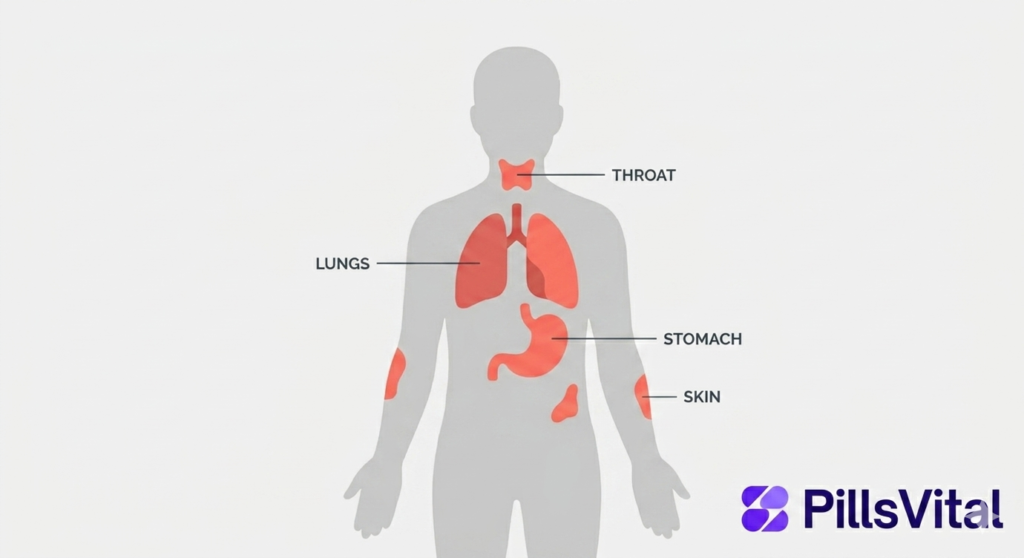
There are more than 100 different types of cancer, but some of the most common cancers in the United States include:
- Breast cancer
- Lung cancer
- Prostate cancer
- Colorectal cancer
- Skin cancer
- Leukemia
Cancer can affect people of all ages, although risk generally increases with age.
Common Types of Cancer in the United States
Breast Cancer
Breast cancer is one of the most common cancers among women in the United States. It develops when abnormal breast cells grow uncontrollably. Early detection through mammograms, regular screenings, and awareness of symptoms like lumps or skin changes can significantly improve treatment success and survival rates.
Lung Cancer
Lung cancer mainly affects the lungs and is strongly linked to smoking, although non-smokers may also develop it due to pollution, genetics, or secondhand smoke exposure. Common symptoms include chronic cough, chest pain, and breathing difficulties. Early screening is important for high-risk individuals.
Prostate Cancer
Prostate cancer affects the prostate gland in men and is most common after age 50. Many cases grow slowly, but some can become aggressive. Symptoms may include urinary problems or pelvic discomfort, while PSA screening helps detect the disease early.
Colorectal Cancer
Colorectal cancer develops in the colon or rectum and is increasingly seen in younger adults due to poor diet, obesity, inactivity, and lifestyle habits. Symptoms may include blood in stool, abdominal pain, and bowel changes. Colonoscopy screenings play a major role in prevention and early detection.
Skin Cancer
Skin cancer occurs when damaged skin cells grow abnormally, often due to excessive UV exposure from sunlight or tanning beds. Warning signs include changing moles, unusual skin spots, or non-healing sores. Using sunscreen and limiting sun exposure may help reduce risk.
Early Warning Signs of Cancer
Cancer symptoms vary depending on the type, but some warning signs should never be ignored.
Common Symptoms Include:
- Unexplained weight loss
- Persistent fatigue
- Lumps or swelling
- Changes in bowel habits
- Chronic cough
- Difficulty swallowing
- Skin changes
- Unusual bleeding
- Persistent pain
- Recurring infections
Some symptoms may appear harmless initially, which is why regular health checkups are important.
The National Cancer Institute recommends consulting a healthcare professional if symptoms persist for several weeks.
Major Cancer Risk Factors
While not all cancers can be prevented, medical experts believe many cancer cases are connected to lifestyle habits, environmental exposure, and long-term health behaviors. Understanding these risk factors may help people make healthier choices and reduce their overall cancer risk.
Smoking & Tobacco Use
Smoking remains one of the leading preventable causes of cancer in the United States. Tobacco smoke contains thousands of harmful chemicals, many of which are known carcinogens that damage healthy cells over time. Smoking is strongly linked to lung cancer, but it may also increase the risk of cancers affecting the mouth, throat, bladder, pancreas, kidney, and colon. Even secondhand smoke exposure can negatively affect long-term health. Quitting smoking at any age may help improve overall wellness and lower future cancer risk.
Poor Diet
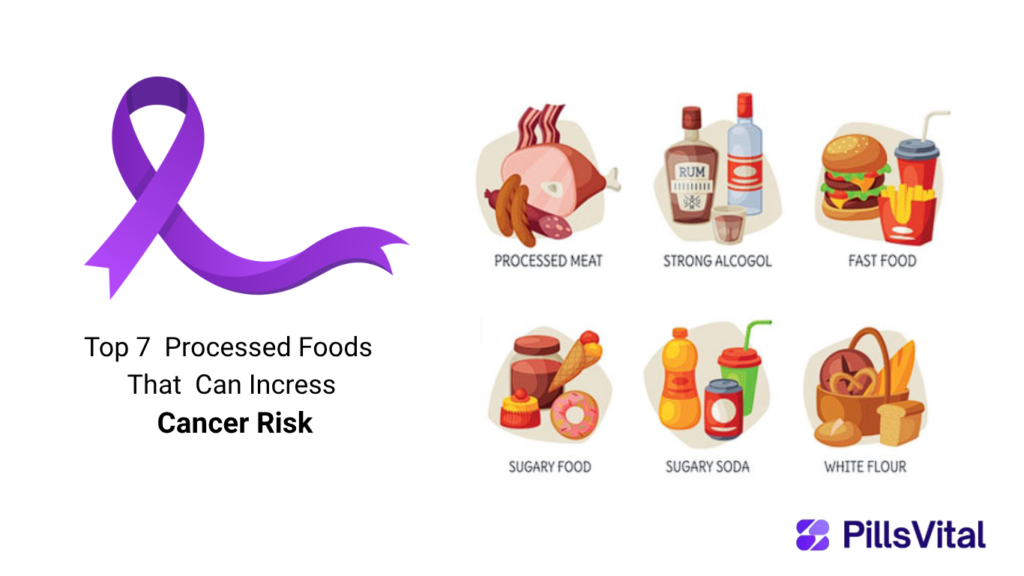
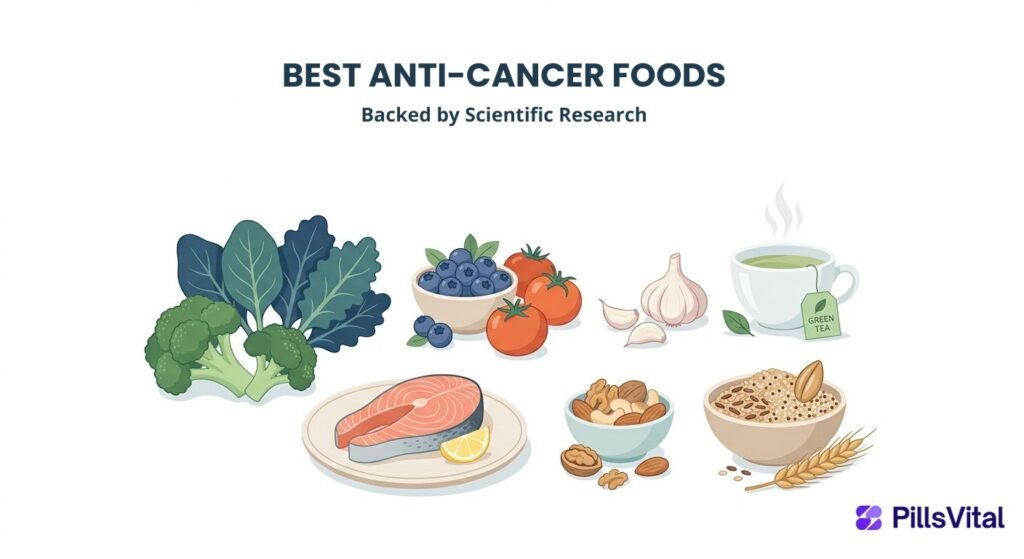
Diet plays an important role in overall health and disease prevention. Regular consumption of highly processed foods, sugary beverages, fried foods, and low-fiber diets may contribute to obesity, inflammation, and metabolic disorders that increase cancer risk over time. Experts often recommend diets rich in fruits, vegetables, whole grains, lean proteins, and antioxidants to support immune function and maintain healthy body weight.
Obesity
Excess body weight has been linked to several types of cancer, including breast cancer, colorectal cancer, liver cancer, and endometrial cancer. Obesity may affect hormone levels, insulin resistance, and chronic inflammation inside the body, which can contribute to abnormal cell growth. Maintaining a healthy weight through balanced nutrition and physical activity may help reduce health risks.
Alcohol Consumption
Heavy or long-term alcohol use may increase the risk of several cancers, including liver, breast, throat, mouth, and colorectal cancers. Alcohol can damage body tissues and may interfere with the body’s ability to absorb important nutrients. Combining alcohol with smoking may further increase certain cancer risks.
Physical Inactivity
A sedentary lifestyle is associated with obesity, weaker metabolic health, and chronic inflammation, all of which may contribute to cancer development. Regular physical activity supports healthy circulation, hormone balance, immune function, and weight management. Even moderate exercise like walking, cycling, or swimming may provide long-term health benefits.
Sun Exposure
Excessive exposure to ultraviolet (UV) radiation from sunlight or tanning beds increases the risk of skin cancer, including melanoma. UV rays can damage skin cells and accelerate abnormal cell growth over time. Using sunscreen, wearing protective clothing, and avoiding prolonged sun exposure during peak hours may help protect skin health.
Family History & Genetics
Some cancers may develop due to inherited genetic mutations passed through families. Individuals with a strong family history of breast cancer, ovarian cancer, colon cancer, or prostate cancer may have a higher risk. However, genetics alone do not guarantee cancer development. Regular screenings, healthy lifestyle choices, and early medical monitoring may help improve early detection and prevention strategies.
How to Reduce Cancer Risk Naturally
Although cancer cannot always be prevented completely, healthy lifestyle habits may help lower the overall risk of developing certain cancers. Experts recommend focusing on nutrition, exercise, weight management, and preventive healthcare for better long-term wellness.
Eat a Balanced Diet
A healthy diet supports the immune system and overall body function. Experts often recommend eating more fruits, vegetables, whole grains, lean proteins, and fiber-rich foods while limiting highly processed meals and sugary drinks. Nutrient-rich foods contain antioxidants and vitamins that may help protect healthy cells from damage.
Stay Physically Active
Regular exercise helps maintain healthy body weight, improves circulation, supports hormone balance, and reduces inflammation. Activities such as walking, cycling, swimming, or home workouts may contribute to better overall health and lower cancer risk over time.
Maintain Healthy Weight
Obesity has been linked to several cancers, including breast, colorectal, and liver cancer. Maintaining a healthy weight through balanced eating and physical activity may help support metabolic health and reduce chronic inflammation.
Avoid Smoking
Smoking is one of the leading preventable causes of cancer. Tobacco smoke contains harmful chemicals that damage cells and increase the risk of lung, throat, mouth, and several other cancers. Quitting smoking may improve long-term health outcomes at any age.
Protect Your Skin
Excessive UV exposure from sunlight or tanning beds increases the risk of skin cancer. Using sunscreen, wearing protective clothing, and limiting direct sun exposure may help protect skin health and reduce damage caused by UV radiation.
Get Regular Screenings
Cancer screenings can help detect diseases early, often before severe symptoms appear. Tests such as mammograms, colonoscopies, Pap smears, and skin checks play an important role in early detection and improving treatment success rates.
Cancer Screening Tests Commonly Used in the U.S.
Mammograms
Mammograms are specialized X-ray screenings used to detect breast cancer early, often before symptoms appear. Regular mammograms may help improve early diagnosis and treatment success rates, especially for women over certain age groups or those with family history risks.
Colonoscopy
A colonoscopy is a procedure used to examine the colon and rectum for abnormal growths, polyps, or signs of colorectal cancer. Doctors can also remove precancerous polyps during the procedure, helping reduce future cancer risk.
Pap Smear
A Pap smear is a screening test used to detect abnormal cervical cells that may lead to cervical cancer. Regular screening helps identify changes early so treatment or monitoring can begin before cancer develops.
PSA Test
The PSA (Prostate-Specific Antigen) test is a blood test used to evaluate prostate health in men. Elevated PSA levels may indicate prostate enlargement, inflammation, or possible prostate cancer, although additional testing is often needed for confirmation.
Low-Dose CT Scan
Low-dose CT scans are imaging tests sometimes recommended for individuals at high risk of lung cancer, particularly long-term smokers. These scans may help detect lung cancer earlier when treatment options are more effective.
Screening recommendations can vary based on age, lifestyle habits, medical history, and family history, so regular consultation with healthcare professionals is important.
Modern Cancer Treatment Options
Cancer treatment plans are personalized and usually depend on several important factors, including the type of cancer, how advanced the cancer is (stage), the patient’s overall health, and the goals of treatment such as curing the disease, slowing its growth, or relieving symptoms.
Surgery
Surgery is one of the most common cancer treatments and is used to remove tumors or affected tissue from the body. It is often recommended when cancer is localized and has not spread extensively.
Chemotherapy
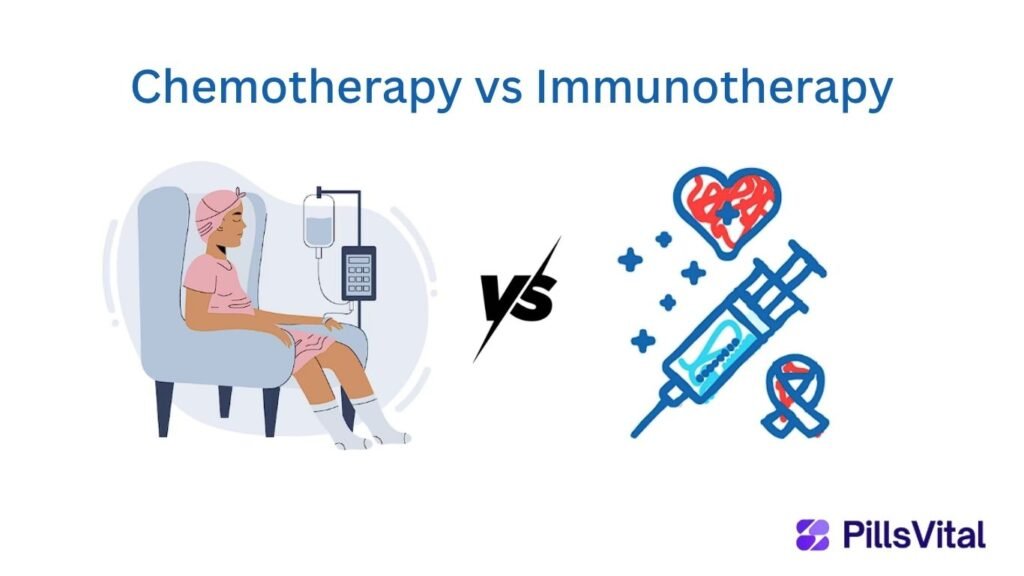
Chemotherapy uses powerful medications to destroy rapidly growing cancer cells. It may be used alone or combined with other treatments to shrink tumors, slow cancer growth, or reduce the risk of recurrence.
Radiation Therapy
Radiation therapy uses high-energy radiation beams to target and damage cancer cells. It is commonly used to shrink tumors, relieve symptoms, or destroy remaining cancer cells after surgery.
Immunotherapy
Immunotherapy helps strengthen the body’s immune system so it can better recognize and attack cancer cells. This modern treatment has shown promising results in several cancer types.
Targeted Therapy
Targeted therapy focuses on specific genes, proteins, or molecular changes that help cancer cells grow. Unlike traditional chemotherapy, it aims to attack cancer cells more precisely while reducing damage to healthy cells.
Importance of Mental Health During Cancer Care
Cancer affects emotional health as much as physical health.
Patients and caregivers may experience:
- Stress
- Anxiety
- Depression
- Sleep problems
- Emotional exhaustion
Support groups, counseling, and family support may improve emotional well-being during treatment and recovery.
Cancer Survival Rates Are Improving
Medical research, earlier detection, and modern therapies continue improving outcomes across many cancer types in the United States.
Factors influencing survival include:
- Early diagnosis
- Access to healthcare
- Lifestyle habits
- Treatment response
- Overall health condition
Final Thoughts
Cancer awareness, prevention, and early detection remain essential public health priorities in the United States. Understanding symptoms, improving lifestyle habits, and staying informed about screening options may help individuals make healthier decisions.
PillsVital aims to provide educational, research-based wellness information for readers seeking reliable health awareness content.
Related Products
-

Covilife MBD 275 (Ivermectin & Mebendazole) Tablets
$92.00 – $260.00Price range: $92.00 through $260.00 This product has multiple variants. The options may be chosen on the product page -

Fenbendazole 1000mg (Wormentel) Tablet
$92.00 – $260.00Price range: $92.00 through $260.00 This product has multiple variants. The options may be chosen on the product page -

Mebendazole 100mg (Mebex) tablets
$42.00 – $115.00Price range: $42.00 through $115.00 This product has multiple variants. The options may be chosen on the product page -

Mebendazole 500mg (Mebentel) tablets
$92.00 – $342.00Price range: $92.00 through $342.00 This product has multiple variants. The options may be chosen on the product page
❓ FAQs
Can cancer be prevented completely?
No. However, healthy lifestyle choices and regular screenings may reduce risk significantly.
Does sugar directly cause cancer?
Research does not show that sugar alone causes cancer, but excessive sugar intake may contribute to obesity, which is a known risk factor.
Is cancer genetic?
Some cancers may involve inherited genetic mutations, but many cases are linked to lifestyle and environmental factors.
Can young adults get cancer?
Yes. While cancer risk increases with age, younger adults can also develop certain cancers.