
Ivermectin Dosage for Humans: Dose, Weight & Safety
Ivermectin dosage for humans is not the same for every condition. The appropriate dose can depend on the infection being treated, body weight, the formulation prescribed, and individual medical factors. For oral ivermectin tablets, official prescribing information provides specific weight-based dosing for certain parasitic infections.
This guide explains ivermectin dosage, ivermectin dosing by weight, common tablet strengths, and important safety considerations. It is intended for educational purposes and should not replace a prescription or advice from a qualified healthcare professional.
Important Safety Information
Ivermectin should only be taken according to the directions provided by a qualified healthcare professional. There is no single ivermectin dose that is appropriate for every person or every condition.
Do not use this page to self-prescribe ivermectin or calculate a personal treatment dose. Ivermectin products and dosing recommendations can differ by formulation and indication. Never use veterinary ivermectin products in humans.
For oral ivermectin tablets, current prescribing information identifies specific indications and provides weight-based dosing for those indications. Always check the product information and follow the instructions on your prescription.
Why Correct Dosage Matters
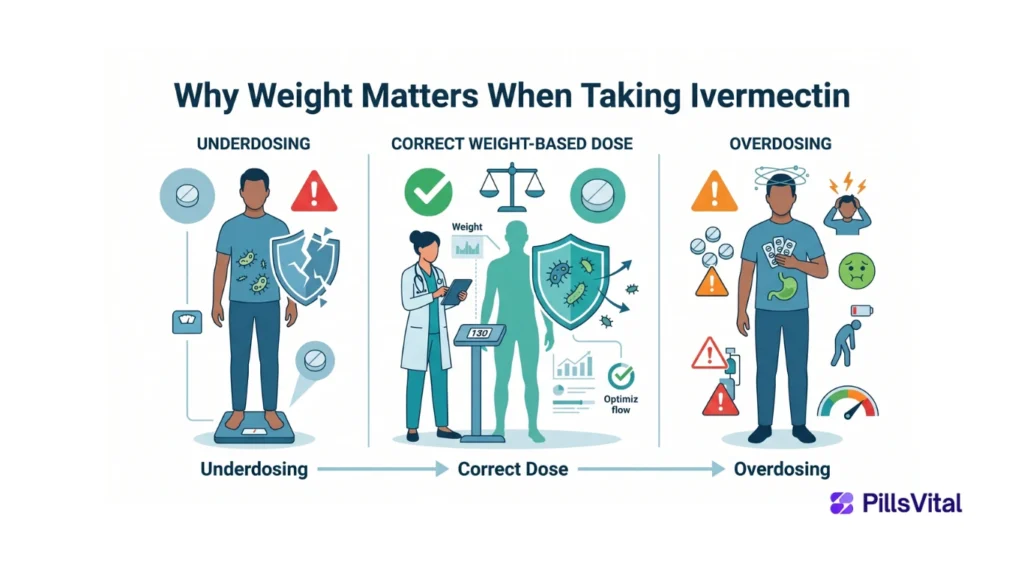
Using the correct ivermectin dosage is important because:
- Too little may reduce effectiveness
- Too much may increase side effect risks
- Frequency of use varies by condition
- Body weight significantly affects dosage calculations
Healthcare professionals usually calculate ivermectin dosing based on body weight measured in kilograms (kg).
Proper medication dosing and safety practices are important for reducing avoidable health risks.
Ivermectin Dosage for Humans
Ivermectin dosage depends on the condition being treated and, for certain oral ivermectin regimens, the patient’s body weight. It is not appropriate to use one general dose for every infection.
Current U.S. prescribing information for ivermectin tablets provides weight-based dosing for intestinal strongyloidiasis and onchocerciasis. The recommended dose is different for these two conditions, which is why an ivermectin dosage chart should always identify the condition it applies to.
Ivermectin Dosage by Weight for Strongyloidiasis
For intestinal strongyloidiasis, prescribing information recommends a single oral dose designed to provide approximately 200 mcg of ivermectin per kg of body weight.
| Body weight | Number of 3 mg tablets |
|---|---|
| 15–24 kg | 1 tablet |
| 25–35 kg | 2 tablets |
| 36–50 kg | 3 tablets |
| 51–65 kg | 4 tablets |
| 66–79 kg | 5 tablets |
| 80 kg or more | Approximately 200 mcg/kg |
The table above is specifically for the labeled treatment of intestinal strongyloidiasis. It should not be used as a general ivermectin dose chart for other medical conditions.
Ivermectin Dosage by Weight for Onchocerciasis
For onchocerciasis, prescribing information recommends a single oral dose designed to provide approximately 150 mcg of ivermectin per kg of body weight.
| Body weight | Number of 3 mg tablets |
|---|---|
| 15–25 kg | 1 tablet |
| 26–44 kg | 2 tablets |
| 45–64 kg | 3 tablets |
| 65–84 kg | 4 tablets |
| 85 kg or more | Approximately 150 mcg/kg |
The dosing table for onchocerciasis is different from the strongyloidiasis table. This is why body weight alone cannot be used to determine an individual’s ivermectin dose.
Ivermectin Dosage for Humans by Weight
Ivermectin dosing may be calculated according to body weight for certain conditions. However, the weight-based amount is not universal.
For example, current prescribing information uses approximately 200 mcg/kg for intestinal strongyloidiasis and approximately 150 mcg/kg for onchocerciasis. The correct regimen therefore depends on the diagnosis as well as the patient’s weight.
This means that an ivermectin dose calculator based only on weight cannot safely determine the correct treatment for every person. A healthcare professional must first determine whether ivermectin is appropriate and which dosing regimen applies.
For a detailed explanation of how body weight affects ivermectin dosing, see our complete guide to ivermectin weight-based dosing.
Ivermectin Dosage for Adults
There is no single ivermectin dosage for all adults.
For some approved oral ivermectin indications, the dose is determined using body weight and the specific infection being treated. For example, prescribing information uses approximately 200 mcg/kg for intestinal strongyloidiasis and approximately 150 mcg/kg for onchocerciasis.
Adults should follow the dose and schedule prescribed for their specific diagnosis. Do not increase, decrease, repeat, or combine doses without medical advice.
For important considerations for older adults, including potential risks, safety precautions, and monitoring, see our guide to ivermectin use in elderly patients.
What Is a 12 mg Ivermectin Dose?
A 12 mg amount of ivermectin should not automatically be considered the correct dose for every adult or every medical condition.
The required ivermectin dose depends on the indication and, for certain oral regimens, body weight. A 12 mg amount may correspond to a particular weight-based regimen for a specific condition, but it should not be used as a universal ivermectin dose.
If you have been prescribed ivermectin, follow the exact dose and instructions provided by your healthcare professional rather than selecting a dose based only on tablet strength.
If you are looking for available ivermectin products and formulations, visit our Ivermectin product category to explore the available options.
Ivermectin Tablet Strengths
Ivermectin tablets are available in different strengths depending on the product and market. Current U.S. prescribing information includes 3 mg ivermectin tablets, and some labeled products include 6 mg tablets.
Tablet strength and prescribed dose are not the same thing. The number of tablets required depends on the prescribed amount and the condition being treated.
For this reason, patients should not select an ivermectin tablet strength or change the number of tablets based only on their body weight or another online dosage chart.
Ivermectin Dosage for Different Conditions
The appropriate ivermectin regimen depends on the condition being treated and the specific formulation prescribed.
For oral ivermectin tablets, current prescribing information lists intestinal strongyloidiasis and onchocerciasis as labeled indications. Other uses may be prescribed by healthcare professionals in particular circumstances, but dosing should not be assumed to be the same as the labeled oral regimens.
1. Strongyloidiasis
For intestinal strongyloidiasis, prescribing information recommends a single oral dose designed to provide approximately 200 mcg/kg. Follow-up testing may be required to determine whether the infection has cleared.
2. Onchocerciasis (River Blindness)
For onchocerciasis, prescribing information recommends a single oral dose designed to provide approximately 150 mcg/kg. Additional treatment may sometimes be considered depending on the clinical situation.
3.Scabies
Scabies is a skin infestation caused by microscopic mites.
Doctors may prescribe ivermectin in situations such as:
- Severe scabies
- Crusted scabies
- Outbreak settings
- When topical therapy is difficult
Some treatment plans involve:
- One oral dose
- A second dose after several days
Environmental cleaning and household treatment may also be recommended.
For information about ivermectin for scabies, including treatment options, expected recovery timeline, and prevention of reinfection, see our Ivermectin for Scabies Treatment Guide.
4. Head Lice
For resistant head lice cases, ivermectin may sometimes be considered under medical supervision.
Management often includes:
- Hair hygiene measures
- Nit combing
- Family treatment evaluation
- Follow-up assessment
For more information about ivermectin use for head lice, including treatment options, safety precautions, and aftercare, see our Ivermectin for Head Lice Treatment Guide.
5. Other Physician-Directed Uses
Healthcare providers sometimes evaluate ivermectin for other parasite-related conditions depending on local medical guidelines and diagnostic findings.
Treatment plans differ significantly between conditions.
Factors That Affect Ivermectin Dosage
Several important factors can influence how healthcare professionals determine ivermectin dosage. Because treatment plans are individualized, dosage decisions are based on more than just the condition being treated.
Body Weight
Body weight is one of the most important factors in ivermectin dosing. Many treatment plans use a milligram-per-kilogram (mg/kg) calculation to help determine the appropriate amount of medication.
For example:
- People with higher body weight may require larger doses
- Lower body weight may require smaller doses
- Incorrect weight estimates can lead to underdosing or overdosing
This is why healthcare providers often calculate dosage using the patient’s current weight in kilograms.
Weight-based dosing is especially important because:
- Too little medication may reduce treatment effectiveness
- Excessive amounts may increase the risk of side effects
- Different infections may require different dosage calculations
Children and individuals with very low body weight usually require particularly careful adjustments.
Age
Age can significantly affect how the body responds to medications, including ivermectin.
In Children
Children may process medications differently than adults. Healthcare providers carefully evaluate:
- Body weight
- Development stage
- Overall health
- Appropriate tablet strength
Younger children may require:
- Smaller calculated doses
- More precise monitoring
- Alternative treatment approaches in some situations
Because children are more sensitive to medication errors, dosing should always be professionally supervised.
For more information about age considerations, weight-based dosing, and safety precautions for children, see our guide to ivermectin for children.
In Older Adults
Older adults may also require additional caution because aging can affect:
- Liver function
- Kidney function
- Medication metabolism
- Nervous system sensitivity
Many older adults also take multiple medications, which may increase the chance of interactions or side effects.
Liver Function
The liver plays a major role in processing many medications, including ivermectin.
If liver function is reduced due to conditions such as:
- Liver disease
- Hepatitis
- Cirrhosis
- Fatty liver disease
the medication may remain in the body longer than expected.
This can potentially:
- Increase drug concentration in the bloodstream
- Raise the likelihood of side effects
- Require closer monitoring by healthcare professionals
Patients with liver concerns should inform their doctor before taking ivermectin so appropriate safety decisions can be made.
Drug Interactions
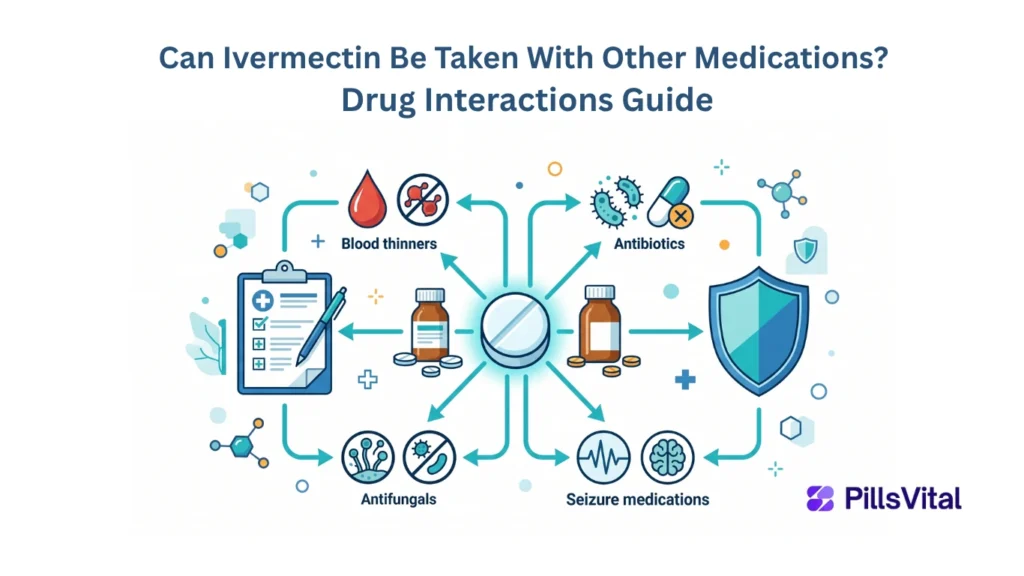
Certain medications and substances may interact with ivermectin and affect how it works inside the body.
Some interactions may:
- Increase side effect risks
- Alter medication absorption
- Affect nervous system function
- Change how quickly the drug is metabolized
Healthcare providers may review medications such as:
- Blood thinners
- Sedatives
- Anti-seizure medications
- Certain antibiotics
- Immune-related treatments
Even over-the-counter products or supplements can sometimes influence medication safety.
Because of this, patients should provide a complete medication list before starting treatment.
Before taking ivermectin with other medicines, learn about potential drug interactions, medication safety, and factors that may affect ivermectin treatment in our Ivermectin Drug Interactions Guide.
Severity of Infection
The seriousness and extent of an infection can also affect dosage planning.
Mild Infections
Some mild parasitic infections may respond to:
- A single dose
- Short treatment duration
- Basic follow-up monitoring
More Severe Infections
More complicated infections may require:
- Repeat dosing
- Longer observation
- Additional testing
- Physician follow-up visits
In some cases, healthcare professionals may monitor how well the infection responds before deciding whether additional treatment is needed.
The severity of symptoms, parasite load, and overall patient condition can all influence treatment decisions.
Overall Health Status
A person’s general health can also influence medication safety and dosing.
Doctors may consider:
- Immune system health
- Nutritional status
- Existing medical conditions
- Neurological disorders
- Digestive health
People with complex medical conditions may require individualized monitoring during treatment.
Why Professional Guidance Matters
Because multiple factors influence ivermectin dosage, treatment should always be guided by qualified healthcare professionals.
Safe dosing decisions involve evaluating:
- Correct diagnosis
- Body weight
- Age
- Medical history
- Liver health
- Other medications
- Infection severity
Self-adjusting dosage without medical advice may increase health risks or reduce treatment effectiveness.
How Ivermectin Is Usually Taken
Doctors may provide specific instructions such as:
- Taking tablets with water
- Using on an empty stomach in some cases
- Avoiding missed doses
- Following exact timing instructions
Patients should never alter dosage schedules independently.
Common Mistakes People Make With Ivermectin Dosage
Incorrect use of ivermectin can increase health risks and reduce treatment effectiveness. Understanding common dosage mistakes is important for medication safety and responsible use.
Self-Medicating Without Diagnosis
One of the most common mistakes is taking ivermectin without a proper medical diagnosis.
Different health conditions may appear similar on the surface, but they often require completely different treatments. Symptoms such as:
- Itching
- Skin irritation
- Digestive discomfort
- Fatigue
- Rashes
can have many possible causes that are not related to parasites at all.
Without professional testing or evaluation, a person may:
- Take the wrong medication
- Use an unnecessary treatment
- Delay proper medical care
- Worsen an underlying condition
Different parasitic infections also require different treatment approaches. Some conditions may need:
- A single dose
- Repeat dosing
- Combination treatment
- Longer monitoring periods
Using the wrong dosage schedule may reduce effectiveness and increase the chance of complications.
Self-diagnosis based on internet searches or social media information can be unreliable and potentially unsafe.
Healthcare professionals usually consider:
- Medical history
- Symptoms
- Laboratory testing
- Body weight
- Current medications
- Overall health condition
before deciding whether ivermectin is appropriate.
Using Veterinary Products
Another serious mistake is using veterinary ivermectin products intended for animals.
Veterinary formulations are designed specifically for animals such as:
- Horses
- Cattle
- Sheep
- Dogs
These products are not approved for human use and may differ significantly from human medications.
Why Veterinary Products Can Be Risky
Animal formulations may contain:
- Much higher concentrations
- Different inactive ingredients
- Flavors or additives not tested for humans
- Inaccurate dosing measurements for people
Because large animals weigh much more than humans, veterinary products can easily lead to accidental overdose.
For example:
- Horse paste formulations are highly concentrated
- Livestock products may contain dosing strengths intended for animals weighing hundreds of kilograms
- Measuring small human-equivalent doses from animal products can be extremely inaccurate
Using veterinary ivermectin may increase the risk of:
- Severe dizziness
- Confusion
- Vomiting
- Neurological symptoms
- Toxic reactions
Human medications undergo different manufacturing, labeling, and safety standards than veterinary products.
Only medications specifically prescribed and intended for human use should be taken.
Health authorities warn against using veterinary ivermectin products intended for animals.
Taking Excessive Doses
Some people mistakenly believe that taking higher doses will produce faster or stronger results.
However, higher doses do not necessarily improve effectiveness and may significantly increase the risk of side effects.
Why Excessive Dosing Is Dangerous
Taking more ivermectin than prescribed can place additional stress on the body and nervous system.
Potential risks may include:
- Severe nausea
- Vomiting
- Low blood pressure
- Rapid heartbeat
- Dizziness
- Loss of coordination
- Confusion
- Tremors
- Vision changes
In serious situations, overdose may require emergency medical attention.
More Is Not Always Better
Medication dosing is carefully designed to balance:
- Effectiveness
- Safety
- Absorption
- Duration of action
Increasing dosage beyond medical recommendations does not guarantee better outcomes and may instead increase harm.
Some people may also repeat doses too frequently without medical advice, which can lead to medication accumulation in the body.
Following the exact prescribed schedule is important for safe treatment.
Ignoring Body Weight
Body weight is an important part of ivermectin dosage calculations.
Many ivermectin treatment plans use weight-based dosing to help determine the correct amount of medication for each person.
Why Weight Matters
A dose that may be appropriate for one person could be too high or too low for another person with a different body weight.
Ignoring body weight may result in:
- Underdosing
- Reduced treatment effectiveness
- Increased side effects
- Greater risk of complications
Risks of Underdosing
If the dose is too low:
- Parasites may not be fully treated
- Symptoms may continue
- Repeat treatment may become necessary
Risks of Overdosing
If the dose is too high for a person’s body weight:
- Side effect risks may increase
- The nervous system may be affected
- Toxicity concerns may rise
This is especially important in:
- Children
- Older adults
- Individuals with low body weight
- People with chronic medical conditions
Healthcare professionals often calculate dosage using accurate body weight measurements to improve both safety and effectiveness.
Why Safe Medication Practices Matter
Proper ivermectin use depends on:
- Accurate diagnosis
- Correct dosage
- Professional guidance
- Weight-based calculations
- Appropriate treatment timing
Avoiding these common mistakes can help reduce unnecessary risks and support safer medication use.
Possible Side Effects Related to Dosage
Higher or inappropriate doses may increase the likelihood of side effects.
Commonly Reported Effects
- Nausea
- Dizziness
- Fatigue
- Headache
- Mild digestive discomfort
Serious Reactions Requiring Medical Attention
- Severe rash
- Vision changes
- Difficulty breathing
- Confusion
- Neurological symptoms
Seek immediate medical care if serious symptoms occur.
Related Reading:
Learn more about medication side effects and warning symptoms from trusted medical resources.
Ivermectin Safety and Precautions
Take ivermectin exactly as prescribed. Do not take more or less than directed or take it more often than prescribed. Oral ivermectin is commonly taken as a single dose for some approved indications, but the schedule depends on the condition being treated.
Tell your healthcare professional about prescription medicines, over-the-counter medicines, vitamins, supplements and other products you take before starting ivermectin.
Never use veterinary ivermectin products in humans. Animal formulations are designed for specific animal species and can cause serious harm when used by people.
Seek medical attention if serious symptoms occur, including severe rash, confusion, loss of coordination, seizures, difficulty breathing or other concerning symptoms.
Conclusion
Understanding ivermectin dosage is important because treatment plans vary widely between medical conditions, patient weight, and individual health factors.
Safe ivermectin use depends on:
- Proper diagnosis
- Correct weight-based dosing
- Medical supervision
- Awareness of side effects
- Following prescribed instructions carefully
Self-medication or incorrect dosing may increase health risks and reduce treatment effectiveness.
For educational awareness, always rely on qualified healthcare professionals and trusted medical guidance before using any medication.
Related Products
-
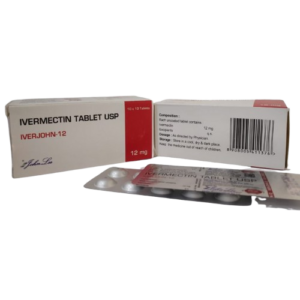
Ivermectin 12mg Tablet (Iverjohn 12)
$78.00 – $190.00Price range: $78.00 through $190.00 This product has multiple variants. The options may be chosen on the product page -
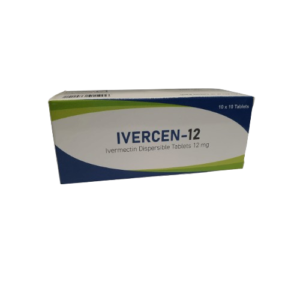
Ivermectin 12mg Tablets (Ivercen 12)
$78.00 – $190.00Price range: $78.00 through $190.00 This product has multiple variants. The options may be chosen on the product page -
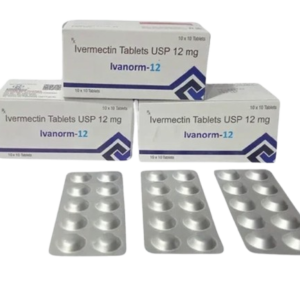
Ivermectin 12mg (Ivanorm) Tablet
$78.00 – $250.00Price range: $78.00 through $250.00 This product has multiple variants. The options may be chosen on the product page -
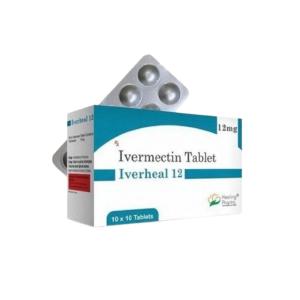
Ivermectin 12mg (Iverheal) Tablets
$78.00 – $250.00Price range: $78.00 through $250.00 This product has multiple variants. The options may be chosen on the product page
❓ FAQs
What is the usual ivermectin dosage for humans?
There is no single ivermectin dosage that applies to every person. The dose depends on the condition being treated, body weight, formulation and the instructions provided by a healthcare professional.
Is ivermectin dosage based on weight?
For certain oral ivermectin regimens, yes. Current prescribing information uses weight-based dosing for conditions such as intestinal strongyloidiasis and onchocerciasis. The dosing amount differs between these conditions.
What is ivermectin dosage by weight?
For labeled oral treatment of intestinal strongyloidiasis, prescribing information recommends approximately 200 mcg/kg. For onchocerciasis, it recommends approximately 150 mcg/kg. These values should not be applied to other conditions without appropriate medical guidance.
What is the ivermectin dosage for adults?
There is no universal adult dose. For certain conditions, the prescribed amount is based on body weight and the specific diagnosis.
What is a 12 mg ivermectin dose?
A 12 mg amount is not a universal ivermectin dose. Whether 12 mg is appropriate depends on the medical condition, prescribed regimen and patient-specific factors.
What are the common ivermectin tablet strengths?
Tablet strengths vary by product and market. Current U.S. labeling includes 3 mg ivermectin tablets, and some labeled products include 6 mg tablets.
Can I use an ivermectin dosage calculator?
A calculator based only on body weight cannot determine the correct treatment for every condition. Ivermectin dosing also depends on the diagnosis and prescribed regimen.
Can ivermectin be taken every day?
Do not take ivermectin more frequently than prescribed. The appropriate schedule depends on the condition being treated and the instructions provided by a healthcare professional.
Is ivermectin safe for everyone?
Ivermectin is not appropriate for everyone. Your healthcare professional should consider your condition, other medicines and individual medical circumstances before prescribing it.
💊 Related Ivermectin Guides
Medical Sources
This guide was prepared using publicly available medical and prescribing information, including:
U.S. National Library of Medicine — DailyMed, Ivermectin Tablets prescribing information
MedlinePlus — Ivermectin Drug Information
U.S. Food and Drug Administration — Ivermectin safety information
Medical information and prescribing recommendations can change. Check the current product labeling and consult a qualified healthcare professional for individual treatment decisions.
One Response