🚚 Worldwide Shipping | πŸ”’ Secure Checkout | πŸ’¬ 24/7 Support

Welcome to PillsVital β€” Essential Care, Trusted Globally

Contact Us

+1 (354) 200-7417

Email Support

pillsvital8@gmail.com

Our Location

United States

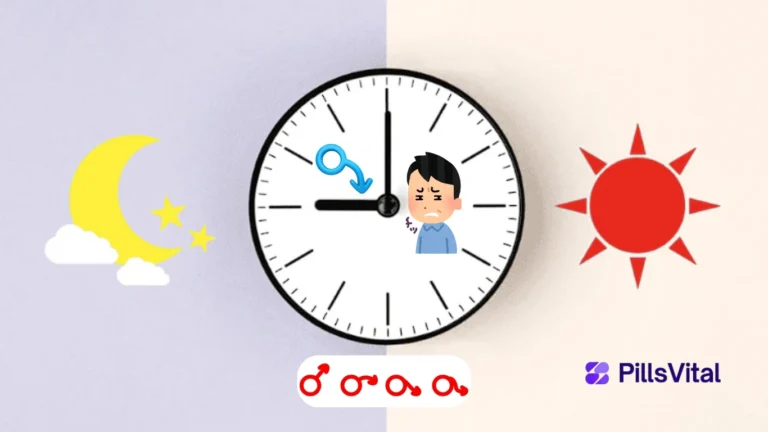
Many men notice a strange pattern with erectile dysfunction. Erections may seem stronger in the morning but weaker at night, or vice versa.

This often leads to questions such as:

  • Is testosterone higher in the morning?
  • Does sleep affect erections?
  • Can hormones cause erectile dysfunction?
  • Does ED medication work better at a certain time?

Understanding the relationship between hormones, sleep quality, circulation, and lifestyle factors can help explain why erectile performance changes throughout the day.

Why Morning Erections Happen

Morning erections, sometimes called nocturnal penile tumescence, are a normal physiological process.

During sleep, especially during REM sleep cycles, blood flow increases and erections occur naturally.

Many healthy men experience several erections throughout the night without being aware of them.

Morning erections often indicate that:

  • blood vessels are functioning properly
  • nerves are working correctly
  • hormone production is relatively normal
  • healthy sleep cycles are occurring

A sudden reduction in morning erections may signal changes in physical or hormonal health.

According to the National Institute of Diabetes and Digestive and Kidney Diseases, normal nighttime and morning erections can provide useful information about erectile function and overall sexual health.

Testosterone and Erectile Function

One of the biggest reasons morning erections may feel stronger is that testosterone naturally follows a daily rhythm.

The relationship between testosterone and erectile function is complex because testosterone levels are typically highest during the early morning hours.

Testosterone usually peaks shortly after waking and gradually declines throughout the day.

Although testosterone alone does not cause erections, it contributes to:

  • sexual desire
  • sexual thoughts
  • arousal
  • energy levels
  • overall sexual confidence

This may explain why some men feel more sexually responsive in the morning.

Why Erectile Performance May Decline at Night

Many men notice that erections seem stronger in the morning but become less reliable later in the day. While this does not happen to everyone, several physical and psychological factors may contribute to reduced erectile performance during the evening hours.

Fatigue

By the end of the day, both the body and mind have often used a significant amount of energy. Long work hours, physical activity, commuting, and daily responsibilities can leave a person feeling exhausted.

Sexual arousal requires mental focus, physical energy, and healthy communication between the brain and body. When fatigue sets in, the body may prioritize rest and recovery rather than sexual activity. As a result, sexual desire may decrease and erections may become more difficult to achieve or maintain.

Men who regularly experience poor sleep or long periods of physical exhaustion often report reduced sexual performance during the evening.

Stress Accumulation

Stress rarely disappears throughout the day. Instead, it often builds gradually.

Work deadlines, financial concerns, family responsibilities, relationship issues, and other daily pressures can increase mental stress levels. When stress accumulates, the body releases hormones such as cortisol and adrenaline.

These stress hormones activate the body’s “fight-or-flight” response, which can temporarily reduce the body’s focus on sexual function. Increased stress may also make it harder to relax, enjoy intimacy, and respond to sexual stimulation.

Even when a man is physically healthy, chronic stress can negatively affect erectile function and sexual satisfaction.

Reduced Testosterone

Testosterone follows a natural daily rhythm known as a circadian pattern.

In most men, testosterone levels are highest during the early morning hours shortly after waking. Throughout the day, these levels gradually decline.

Although testosterone is not solely responsible for erections, it plays an important role in sexual desire, motivation, confidence, and overall sexual health. Lower evening testosterone levels may contribute to reduced libido and less spontaneous sexual interest compared to the morning.

This natural hormonal fluctuation is one reason some men feel more sexually responsive earlier in the day.

Alcohol Consumption

Alcohol is commonly consumed during social events, dinners, and evening gatherings. While small amounts of alcohol may temporarily reduce anxiety, excessive drinking can interfere with sexual performance.

Alcohol can affect the nervous system, reduce sensitivity, impair blood flow regulation, and decrease the body’s ability to achieve or maintain an erection. Heavy drinking may also reduce testosterone production over time and contribute to long-term erectile difficulties.

Men who notice worsening ED symptoms after drinking may benefit from reducing alcohol intake and monitoring any changes in sexual performance.

Poor Sleep History

Sleep plays a critical role in hormone production and sexual health.

During deep sleep, the body produces and regulates important hormones, including testosterone. Poor sleep quality, insomnia, sleep apnea, or insufficient sleep can disrupt this process.

A lack of quality sleep may lead to:

  • Lower testosterone levels
  • Increased stress hormones
  • Reduced sexual desire
  • Daytime fatigue
  • Poor erectile function

Even if a man feels relatively normal during the day, chronic sleep deprivation can gradually affect sexual performance. Improving sleep habits is often an important part of supporting overall erectile health.

Key Takeaway

When erectile performance seems weaker at night, the cause is often not a single factor. Fatigue, stress, hormonal fluctuations, alcohol use, and poor sleep can work together to influence sexual function. Understanding these factors may help identify lifestyle changes that support better erectile health and overall well-being.

Hormonal Erectile Dysfunction: More Than Just Testosterone

Many men assume low testosterone is the only hormone linked to ED.

However, several hormones influence erectile health.

In cases of hormonal erectile dysfunction, doctors may evaluate multiple hormones rather than focusing only on testosterone levels.

Hormones commonly evaluated include:

  • Testosterone
  • Prolactin
  • Thyroid hormones
  • Cortisol
  • Luteinizing hormone (LH)
  • Follicle-stimulating hormone (FSH)

Abnormal levels may contribute to erectile dysfunction, reduced libido, fatigue, and sexual performance issues.

Sleep Quality Plays a Major Role

Hormone production largely occurs during sleep.

Poor sleep may lead to:

  • lower testosterone levels
  • increased cortisol
  • reduced libido
  • decreased energy
  • erectile difficulties

Even a few nights of poor sleep can affect sexual performance.

The Mayo Clinic erectile dysfunction resource explains that sleep disorders, stress, and underlying health conditions may contribute to erectile dysfunction symptoms.

Why Younger Men Notice Morning-Night Differences

Many younger men experience inconsistent erections despite having no major health conditions.

Common reasons include:

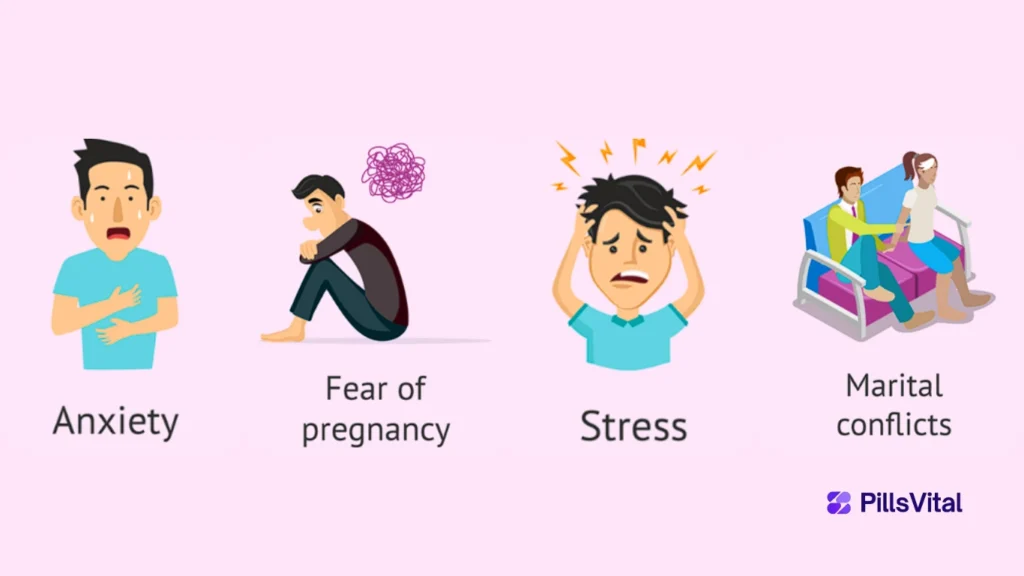
  • stress
  • anxiety
  • poor sleep
  • excessive screen time
  • irregular schedules

Lifestyle habits, stress levels, and sleep patterns are among the leading factors contributing to ED in Young Men today.

When Tadalafil Works Best

Unlike sildenafil, tadalafil remains active much longer.

Many men prefer tadalafil because its longer duration reduces pressure to time sexual activity precisely.

Understanding when tadalafil works best can help patients choose a medication schedule that matches their lifestyle and sexual activity patterns.

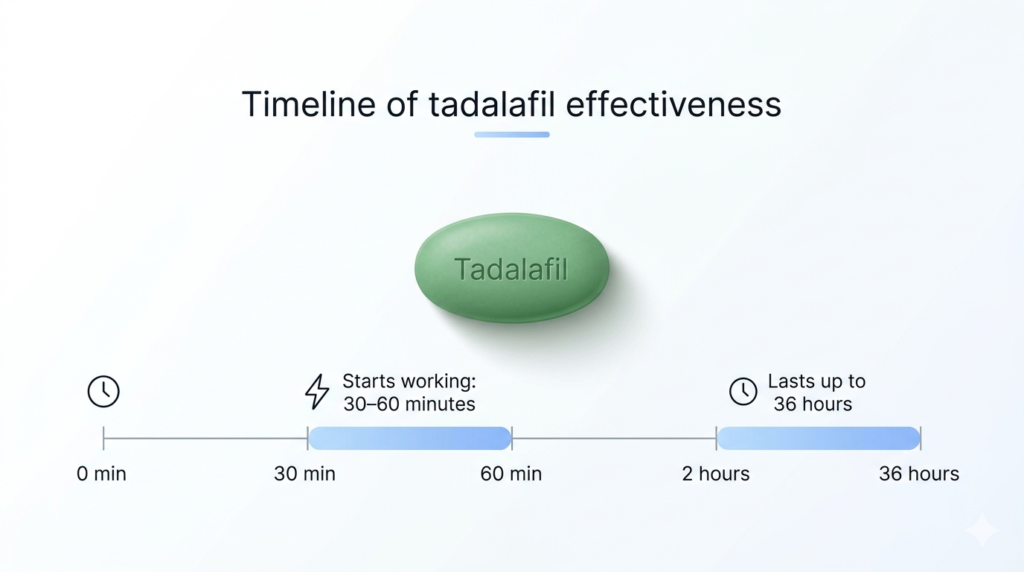
Tadalafil may remain effective for up to 36 hours in some individuals.

Comparing ED Medications

Some men wonder whether morning or evening use affects medication effectiveness.

While individual responses vary, timing often depends on:

  • medication type
  • meal timing
  • planned sexual activity
  • personal preference

An ED medication comparison can help explain the differences between sildenafil, tadalafil, and vardenafil, including onset time and duration of action.

When to See a Doctor

If you notice:

  • complete loss of morning erections
  • persistent erectile dysfunction
  • reduced libido
  • fatigue
  • unexplained hormonal symptoms

a medical evaluation may be appropriate.

Doctors may investigate:

  • hormone levels
  • cardiovascular health
  • diabetes
  • medication side effects
  • sleep disorders

Comprehensive ED Evaluation

Morning-versus-night erection patterns can provide useful clues, but they do not tell the entire story.

For a complete overview of causes, medications, diagnosis, and treatment options, explore our comprehensive erectile dysfunction treatment guide.

Conclusion

Morning vs night ED performance is often influenced by natural hormonal rhythms, sleep quality, stress levels, and overall health. Testosterone levels typically peak in the morning, while fatigue, stress, and lifestyle factors may contribute to weaker erections later in the day.

Understanding these patterns can help identify whether hormonal, psychological, or physical factors may be affecting erectile function and when professional evaluation may be beneficial.

Related Health Resources

❓ FAQs

Is erectile dysfunction worse at night than in the morning?

Some men notice stronger erections in the morning because testosterone levels are typically highest after waking. Fatigue, stress, alcohol consumption, and lower hormone levels later in the day may contribute to weaker erections at night.

Yes. Testosterone follows a natural daily rhythm and is usually highest in the morning. While testosterone alone does not cause erections, it plays an important role in libido, sexual desire, and overall erectile health.

Poor sleep may contribute to erectile dysfunction by reducing testosterone production, increasing stress hormones, and lowering energy levels. Long-term sleep problems can negatively affect sexual health and performance.

Tadalafil can start working within 30 minutes to 2 hours and may remain effective for up to 36 hours. The best timing varies depending on individual response and treatment goals.

A noticeable reduction or complete loss of morning erections may indicate hormonal, vascular, neurological, or other health issues. A healthcare professional can help determine the underlying cause.

Dr Emily Carter PharmD
Written By
Dr. Emily Carter, PharmD
Medical Content Reviewer & Health Research Writer

Dr. Emily Carter specializes in evidence-based health education and wellness content. She focuses on simplifying complex medical topics related to cancer awareness, nutrition, preventive healthcare, skincare, and lifestyle wellness for readers worldwide.

🩺
Medically Reviewed
Reviewed for Accuracy & Readability
Educational & Informational Health Content

This content is reviewed for medical accuracy, clarity, and alignment with current public health research. The article is intended for educational and informational purposes only and should not replace professional medical advice, diagnosis, or treatment.

Leave a Reply

Your email address will not be published. Required fields are marked *