🚚 Worldwide Shipping | πŸ”’ Secure Checkout | πŸ’¬ 24/7 Support

Welcome to PillsVital β€” Essential Care, Trusted Globally

Contact Us

+1 (354) 200-7417

Email Support

pillsvital8@gmail.com

Our Location

United States

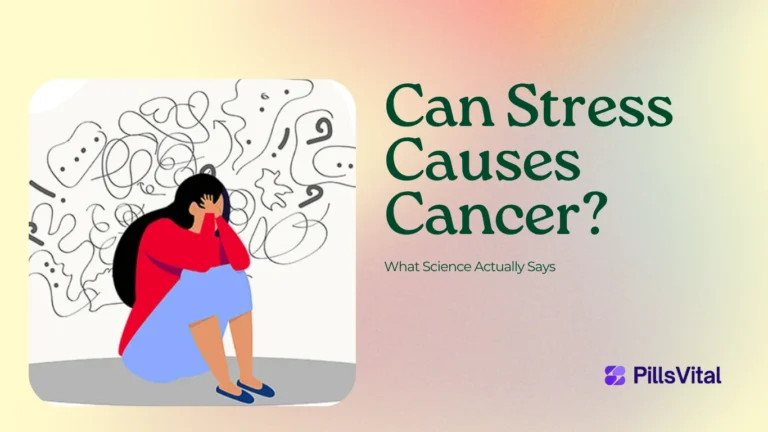
Stress is something almost everyone experiences daily. From work pressure and financial struggles to sleep problems and emotional trauma, chronic stress has become a major part of modern life. But one question continues to worry many people:

Can stress actually cause cancer?

The short answer is: stress alone is not considered a direct cause of cancer, according to current scientific evidence. However, chronic stress may influence several biological processes that can indirectly increase cancer risk and affect recovery.

Researchers continue to study how stress hormones, inflammation, sleep disruption, immune function, and unhealthy coping habits may contribute to long-term disease development.

In this guide, we’ll explore what modern science really says about stress and cancer risk β€” without myths, fear, or misinformation.

What Happens to the Body During Chronic Stress?

When the body experiences stress, it activates the β€œfight-or-flight” response. This releases hormones such as:

  • Cortisol
  • Adrenaline
  • Norepinephrine

These hormones are useful during short-term emergencies. But when stress becomes chronic, the body may remain in a constant inflammatory state.

Long-term stress may affect:

  • Immune system function
  • Sleep quality
  • Hormonal balance
  • Blood pressure
  • Appetite and metabolism
  • Cellular inflammation

Scientists believe these indirect effects may influence overall health, including diseases like cancer.

Does Scientific Research Say Stress Directly Causes Cancer?

Most major cancer organizations state that there is no strong evidence proving stress directly causes cancer.

However, researchers have found that chronic stress may contribute to conditions that can increase cancer risk over time.

According to the National Cancer Institute, stress can affect the body in ways that may influence disease progression and health behaviors, but a direct cause-and-effect relationship with cancer has not been conclusively proven.

What Studies Suggest

Some studies show chronic stress may:

  • Increase inflammation in the body
  • Suppress immune defenses
  • Affect DNA repair processes
  • Influence tumor growth environments
  • Increase unhealthy behaviors such as smoking, alcohol use, overeating, and poor sleep

This means stress may act more like an indirect contributing factor rather than a direct trigger.

How Chronic Stress May Increase Cancer Risk Indirectly

1. Chronic Inflammation

Long-term inflammation has been linked to several cancers.

When stress hormones remain elevated for long periods, inflammatory chemicals may increase throughout the body. Persistent inflammation may damage healthy cells over time.

Research has connected chronic inflammation with:

  • Colorectal cancer
  • Liver cancer
  • Stomach cancer
  • Breast cancer
  • Pancreatic cancer

2. Weakened Immune Function

The immune system helps identify and destroy abnormal cells.

Chronic stress may weaken immune surveillance, making it harder for the body to fight infections and cellular abnormalities effectively.

This becomes especially important because some cancers are associated with infections, including:

  • HPV
  • Hepatitis B
  • Hepatitis C

3. Poor Sleep and Hormonal Disruption

Stress and sleep problems often go together.

Sleep is critical for:

  • Cellular repair
  • Hormonal balance
  • Immune regulation
  • Brain recovery

People with chronic stress frequently experience insomnia or disrupted sleep cycles, which may negatively affect long-term health.

Poor sleep quality caused by chronic stress may also affect overall wellness and recovery. Read our detailed guide on improving sleep and wellness naturally to understand how healthy sleep habits support long-term health.

The American Cancer Society also highlights the importance of sleep, emotional wellness, and healthy lifestyle habits during cancer prevention and recovery.

4. Unhealthy Coping Habits

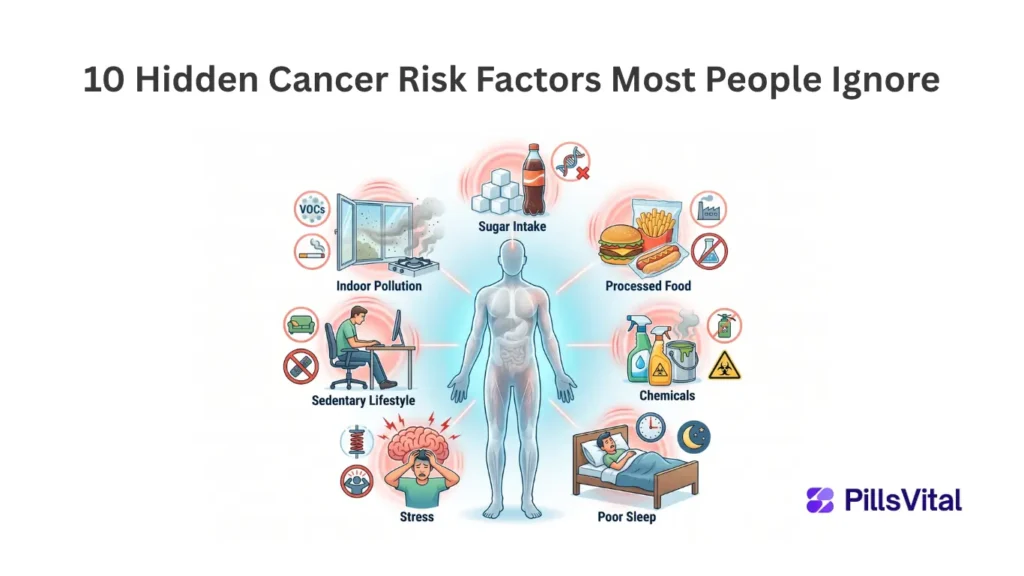
One of the strongest links between stress and cancer risk comes from lifestyle behaviors.

People under chronic stress may be more likely to:

  • Smoke cigarettes
  • Drink alcohol excessively
  • Eat highly processed foods
  • Avoid exercise
  • Sleep poorly
  • Ignore medical checkups

These behaviors are known cancer risk factors.

Many people ignore early warning signs while dealing with chronic stress and burnout. Understanding potential symptoms early may help improve outcomes. Read: Top 10 Early Symptoms of Cancer You Should Never Ignore

Can Stress Make Existing Cancer Worse?

Some studies suggest chronic stress may affect:

  • Quality of life
  • Fatigue levels
  • Recovery
  • Emotional resilience
  • Treatment adherence

Stress may also increase anxiety and depression during cancer treatment.

However, stress itself does not automatically make cancer spread faster in every person. Cancer progression depends on many factors including:

  • Cancer type
  • Stage
  • Genetics
  • Treatment response
  • Overall health

Still, stress management is considered important for both physical and emotional well-being during treatment.

Managing emotional health during treatment is an important part of recovery. You can also read our guide on practical recovery support strategies here: Cancer Recovery Tips: Supporting Your Body and Mind During Healing

What Experts Say About Stress and Cancer

Major health organizations agree on several important points:

Stress Is Common β€” But Not a Proven Direct Cause

There is currently no definitive evidence proving that everyday stress directly causes cancer.

Chronic Stress Can Affect Overall Health

Long-term stress may contribute to conditions that increase disease vulnerability, including:

  • Chronic inflammation
  • High blood pressure
  • Obesity
  • Diabetes
  • Sleep disorders

Healthy Stress Management Matters

Managing stress may improve:

  • Sleep quality
  • Energy levels
  • Mental health
  • Immune balance
  • Lifestyle habits

Healthy Ways to Reduce Chronic Stress

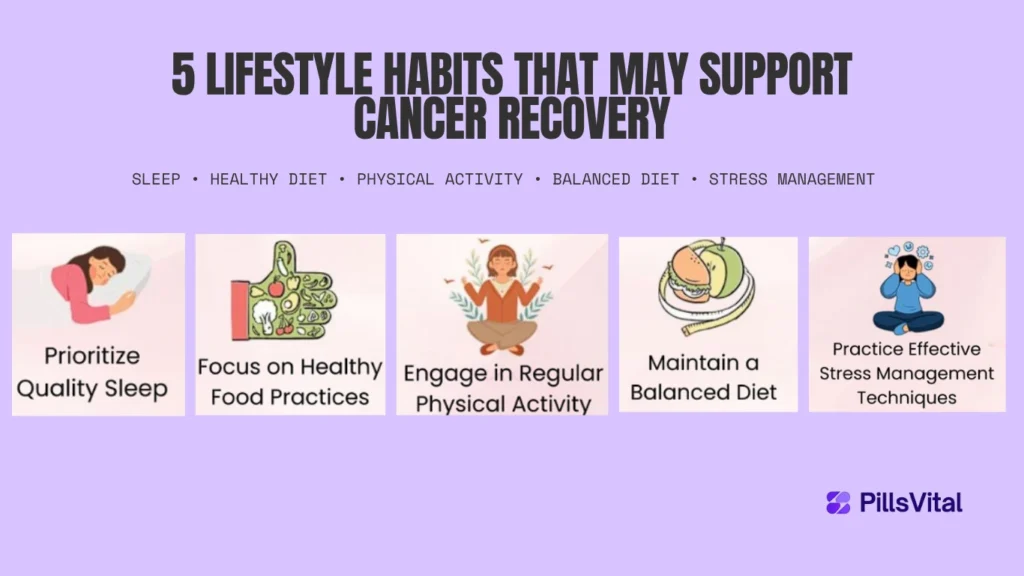
Reducing stress may support overall wellness and improve quality of life.

1. Improve Sleep Habits

Try to:

  • Sleep 7–9 hours nightly
  • Avoid screens before bed
  • Keep a consistent schedule
  • Reduce caffeine late in the day

2. Exercise Regularly

Physical activity may help lower stress hormones and improve mood.

Examples include:

  • Walking
  • Yoga
  • Swimming
  • Cycling
  • Stretching

3. Practice Relaxation Techniques

Helpful methods include:

  • Deep breathing
  • Meditation
  • Journaling
  • Mindfulness
  • Prayer or spiritual practices

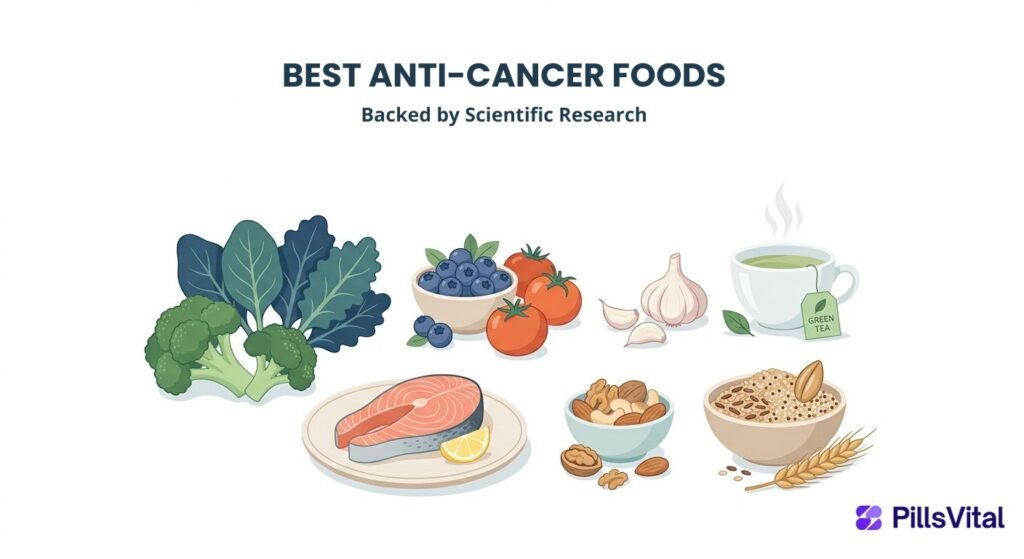
4. Eat a Balanced Diet

Nutritious foods may help support immune function and reduce inflammation.

Focus on:

  • Fruits
  • Vegetables
  • Whole grains
  • Lean proteins
  • Healthy fats
  • Β 

Limit:

  • Excess sugar
  • Processed foods
  • Excess alcohol

5. Seek Emotional Support

Talking with trusted people or mental health professionals may help reduce emotional burden.

Support can come from:

  • Family
  • Friends
  • Therapists
  • Support groups
  • Online communities

Common Myths About Stress and Cancer

Myth 1: β€œStress Alone Causes Cancer”

Many people believe that emotional stress by itself can directly create cancer cells in the body. However, current scientific research does not support this claim.

Cancer usually develops because of a combination of complex factors, including:

  • Genetic mutations
  • Smoking and tobacco exposure
  • Alcohol consumption
  • Poor diet
  • Obesity
  • Radiation exposure
  • Certain infections
  • Environmental toxins
  • Aging

Stress itself is not classified as a direct cancer-causing agent.

However, chronic stress may still affect overall health in indirect ways. Long-term stress can increase inflammation, weaken immune responses, disrupt sleep, and encourage unhealthy coping behaviors such as smoking, overeating, or excessive alcohol use. These factors may contribute to conditions linked with higher cancer risk over time.

Researchers continue studying how stress hormones like cortisol may influence the body, but there is currently no definitive evidence proving that stress alone directly causes cancer.

The important takeaway is that managing stress supports overall wellness, mental health, sleep quality, and healthy lifestyle habits β€” all of which are beneficial for long-term health.

Myth 2: β€œPositive Thinking Can Cure Cancer”

Positive thinking is often encouraged during illness because emotional support and hope can improve mental well-being. However, positive thoughts alone cannot cure cancer.

Cancer is a complex medical disease that usually requires evidence-based treatments such as:

  • Surgery
  • Chemotherapy
  • Immunotherapy
  • Radiation therapy
  • Targeted therapy
  • Hormone therapy

A positive mindset may still provide important emotional benefits during treatment. Many patients report that optimism, social support, and stress reduction help them cope better with:

  • Anxiety
  • Fatigue
  • Emotional distress
  • Treatment-related stress

Mental wellness may improve quality of life, but it should never replace professional medical care.

Unfortunately, some people may feel guilty or blame themselves if their condition worsens despite staying positive. Cancer progression is influenced by biological and medical factors β€” not simply by attitude or emotions.

A balanced approach is healthiest:

  • Follow medical treatment plans
  • Maintain emotional support
  • Practice stress management
  • Focus on overall wellness

Hope and emotional resilience can support recovery emotionally, but medical treatment remains essential.

Myth 3: β€œEveryone With Cancer Developed It From Stress”

This myth oversimplifies how cancer develops and may create unnecessary fear or guilt.

Cancer is not caused by one single factor in most cases. Instead, it usually develops through a combination of influences over many years.

These may include:

Genetics

Some people inherit gene mutations that increase cancer risk, such as BRCA mutations linked to breast and ovarian cancer.

Lifestyle Factors

Smoking, heavy alcohol use, poor diet, obesity, and physical inactivity are major known risk factors for several cancers.

Environmental Exposure

Long-term exposure to harmful substances like asbestos, air pollution, UV radiation, or industrial chemicals may increase cancer risk.

Infections

Certain infections are strongly associated with cancer development, including:

  • Human papillomavirus (HPV)
  • Hepatitis B and C
  • Helicobacter pylori

Age and Cellular Changes

As people age, cells naturally accumulate DNA damage over time, increasing the likelihood of abnormal cell growth.

Random Biological Mutations

Sometimes cancer develops due to random genetic mutations that occur naturally during normal cell division.

Stress may affect overall health, but it is only one small piece of a much larger picture. Many people experience chronic stress and never develop cancer, while others with minimal stress may still develop cancer due to genetic or environmental factors.

Understanding this helps reduce blame, fear, and misinformation while encouraging people to focus on evidence-based prevention and healthy lifestyle habits.

Final Thoughts

Stress is a real health concern that can affect the body in many ways. While modern science does not confirm that stress directly causes cancer, chronic stress may indirectly influence cancer risk through inflammation, sleep disruption, immune suppression, and unhealthy lifestyle behaviors.

Managing stress is not just about mental health β€” it may also support better overall wellness, recovery, and long-term quality of life.

The most important step is focusing on healthy daily habits, early symptom awareness, regular screenings, quality sleep, and professional medical care when needed.

Related Health Resources

❓ FAQs

Can stress directly cause cancer?

Current scientific evidence does not prove that stress directly causes cancer, but chronic stress may indirectly affect overall health and cancer risk factors.

Chronic stress may increase inflammation, weaken immune function, disrupt sleep, and encourage unhealthy lifestyle habits.

Stress may affect emotional well-being, sleep, treatment adherence, and recovery quality, but cancer progression depends on many medical factors.

Stress management may support healthier lifestyle habits, better sleep, improved immune balance, and overall wellness.

Exercise, sleep improvement, meditation, healthy eating, emotional support, and relaxation techniques may help reduce chronic stress levels.

Dr Emily Carter PharmD
Written By
Dr. Emily Carter, PharmD
Medical Content Reviewer & Health Research Writer

Dr. Emily Carter specializes in evidence-based health education and wellness content. She focuses on simplifying complex medical topics related to cancer awareness, nutrition, preventive healthcare, skincare, and lifestyle wellness for readers worldwide.

🩺
Medically Reviewed
Reviewed for Accuracy & Readability
Educational & Informational Health Content

This content is reviewed for medical accuracy, clarity, and alignment with current public health research. The article is intended for educational and informational purposes only and should not replace professional medical advice, diagnosis, or treatment.

Leave a Reply

Your email address will not be published. Required fields are marked *