🚚 Worldwide Shipping | πŸ”’ Secure Checkout | πŸ’¬ 24/7 Support

Welcome to PillsVital β€” Essential Care, Trusted Globally

Contact Us

+1 (354) 200-7417

Email Support

pillsvital8@gmail.com

Our Location

United States

Cancer care is a complex journey, and while medical treatments like chemotherapy, immunotherapy, and targeted therapy remain essential, lifestyle choices can play a supportive role in overall wellbeing.

These habits do not replace treatment but may help improve quality of life, immune balance, and cellular health when combined with medical guidance.

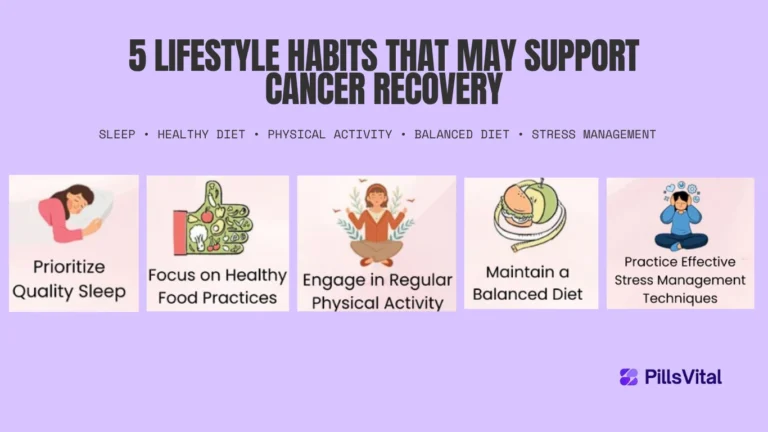
1. Eat a Nutrient-Dense, Plant-Rich Diet

A nutrient-dense, plant-rich diet is one of the most important lifestyle habits for overall cellular health and immune support during cancer care. Plant foods are naturally rich in antioxidants, vitamins, minerals, and phytonutrients that may help reduce oxidative stress in the body.

Oxidative stress occurs when harmful free radicals damage healthy cells, which may contribute to inflammation and disease progression. Foods rich in antioxidants help neutralize these free radicals and support normal cellular function.

Best Foods to Include

  • Leafy greens like spinach, kale, and moringa
  • Berries such as blueberries, strawberries, and raspberries
  • Cruciferous vegetables like broccoli, cauliflower, cabbage
  • Whole grains such as oats, brown rice, quinoa
  • Legumes like lentils, chickpeas, beans

These foods may support digestion, improve gut microbiome health, and help maintain immune balance.

External Resource: According to the American Cancer Society, healthy eating patterns rich in fruits and vegetables may support overall wellness during cancer care.

Learn more about foods that May Increase Cancer Risk According To Scientific Studies β†’ /foods-that-may-increase-cancer-risk

2. Maintain Regular Physical Activity

Regular physical activity is strongly linked with better energy levels, improved mood, and enhanced immune response. Even light exercise can help the body maintain strength during and after cancer treatment.

Exercise improves blood circulation, which helps oxygen and nutrients reach cells more efficiently. It also helps regulate hormones and may reduce treatment-related fatigue.

Recommended Activities

  • Walking for 20–30 minutes daily
  • Gentle yoga or stretching
  • Light resistance training (doctor-approved)
  • Breathing-based movement exercises

Consistency is more important than intensity. Even short daily movement sessions can improve overall wellbeing.

3. Prioritize Quality Sleep

Sleep plays a critical role in cellular repair, hormone regulation, and immune system function. Poor sleep quality may increase inflammation, weaken immunity, and slow down recovery processes.

During deep sleep, the body performs essential repair functions, including tissue regeneration and immune system strengthening.

Healthy Sleep Habits

  • Maintain 7–8 hours of sleep daily
  • Follow a fixed sleep schedule
  • Avoid screens 1 hour before bed
  • Practice relaxation techniques like deep breathing or meditation
  • Keep sleeping environment dark and quiet

Improving sleep quality can significantly support emotional balance and physical recovery.

Sleep Health Resource: Healthy sleep habits are important for immune regulation and recovery support. View sleep recommendations from Sleep Foundation

4. Manage Stress Through Mind-Body Practices

Chronic stress can negatively impact the immune system and may affect hormonal balance and inflammation levels. Managing stress is therefore an important supportive habit during cancer care.

Mind-body practices help activate the parasympathetic nervous system, which promotes relaxation and recovery.

Effective Stress Management Techniques

  • Meditation and mindfulness practice
  • Deep breathing exercises (pranayama)
  • Prayer or spiritual reflection
  • Journaling thoughts and emotions
  • Gentle yoga and stretching

These methods may help reduce anxiety, improve emotional resilience, and enhance quality of life during treatment.

Mental Wellness Guide: Mind-body practices such as meditation and mindfulness may help reduce stress during serious health conditions. Explore stress management information from Mayo Clinic

5. Avoid High-Risk Lifestyle Factors

Certain lifestyle habits can increase inflammation, weaken immunity, and negatively impact overall health. Reducing exposure to these factors is important for long-term wellbeing.

Avoiding harmful habits helps the body maintain a more balanced internal environment, which may support recovery and treatment effectiveness.

Habits to Avoid or Reduce

  • Smoking and tobacco exposure
  • Excess alcohol consumption
  • Highly processed and ultra-processed foods
  • Long periods of physical inactivity

Replacing these habits with healthier alternatives can significantly improve overall health outcomes.

Why Lifestyle Matters in Cancer Care

Lifestyle habits do not cure cancer, but they may:

  • Support immune function
  • Improve treatment tolerance
  • Reduce fatigue and inflammation
  • Enhance overall quality of life

They work best alongside evidence-based medical treatments prescribed by healthcare professionals.

How Healthy Daily Habits May Support Overall Wellbeing During Cancer Care

Building healthy daily routines may help improve physical strength, emotional balance, and overall quality of life during cancer treatment and recovery. Small lifestyle improvements practiced consistently over time can positively influence energy levels, sleep quality, stress management, and immune system function.

Doctors and health researchers increasingly emphasize the importance of supportive lifestyle care alongside standard cancer treatments. While lifestyle changes alone cannot cure cancer, they may help the body cope better with treatment-related fatigue and inflammation.

The Connection Between Lifestyle and Overall Health

The body functions as an interconnected system where nutrition, movement, sleep, and emotional health all influence one another. Poor daily habits may contribute to chronic inflammation, hormone imbalance, weakened immunity, and low energy levels over time.

Healthy lifestyle practices may help:

  • Support immune system balance
  • Improve digestion and nutrient absorption
  • Maintain healthy body weight
  • Reduce physical fatigue
  • Improve emotional wellbeing
  • Support cardiovascular and metabolic health

This is why many healthcare professionals encourage supportive wellness habits during recovery and long-term health management.

Why Inflammation Matters

Inflammation is a natural defense process used by the body to heal injuries and fight infections. However, chronic long-term inflammation may negatively affect healthy tissues and overall wellness.

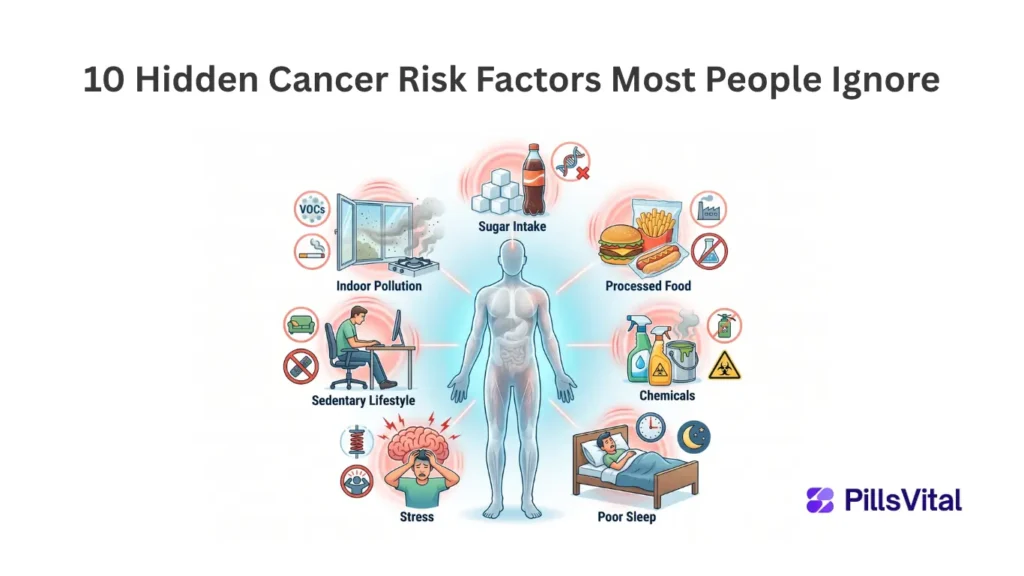
Certain habits may increase inflammation levels, including:

  • Smoking
  • Excess processed food intake
  • Poor sleep quality
  • Chronic stress
  • Physical inactivity

On the other hand, healthy routines like regular movement, nutritious eating, hydration, and stress management may help maintain a healthier inflammatory balance.

Importance of Immune System Support

The immune system helps protect the body from infections and supports normal cellular repair processes. Lifestyle choices may influence how effectively the immune system functions.

Ways to Naturally Support Immune Health

  • Eating vitamin-rich whole foods
  • Staying physically active
  • Sleeping adequately
  • Managing stress levels
  • Staying hydrated
  • Avoiding tobacco exposure

A well-supported immune system may contribute to improved recovery, better energy levels, and overall resilience.

The Role of Hydration in Recovery and Wellness

Hydration is often overlooked, but it is essential for maintaining energy, circulation, digestion, and cellular function. Water helps transport nutrients throughout the body and supports detoxification processes.

Dehydration may contribute to:

  • Fatigue
  • Headaches
  • Muscle weakness
  • Poor concentration
  • Dry skin and digestion issues

Simple Hydration Tips

  • Drink water consistently throughout the day
  • Include water-rich fruits and vegetables
  • Limit sugary beverages
  • Use electrolyte-rich fluids if advised by healthcare professionals

Social and Emotional Support Matters Too

Emotional wellbeing plays a major role in overall health. Supportive relationships and positive social connections may help reduce feelings of stress, isolation, and anxiety.

Patients often benefit from:

  • Family support
  • Counseling
  • Online or local support groups
  • Open communication with healthcare providers
  • Relaxation and mindfulness activities

Maintaining emotional balance may improve motivation, confidence, and overall mental wellness during treatment.

Small Daily Changes Can Create Long-Term Benefits

Healthy lifestyle improvements do not need to happen all at once. Small, realistic daily habits are often easier to maintain consistently over time.

Simple Daily Habits to Start

  • Add one extra serving of vegetables daily
  • Take a short walk after meals
  • Practice 5 minutes of deep breathing
  • Reduce processed snack intake
  • Sleep 30 minutes earlier
  • Drink more water throughout the day

Consistency is one of the most important factors in building healthier routines.

Creating a Sustainable Healthy Lifestyle

Many people try extreme diets or intense exercise plans that become difficult to maintain. Sustainable lifestyle changes are usually more effective for long-term health support.

Focus on:

  • Balanced nutrition instead of restrictive dieting
  • Regular movement instead of intense workouts
  • Stress reduction instead of perfection
  • Gradual improvements instead of overnight changes

Healthy routines should feel manageable and supportive rather than overwhelming.

Conclusion

Adopting healthy lifestyle habits can play an important supportive role in cancer care. A combination of good nutrition, physical activity, stress control, and proper sleep may help improve overall wellbeing during treatment and recovery.

Always consult your healthcare provider before making any major lifestyle or dietary changes during cancer treatment.

Medical Disclaimer: This article is for educational purposes only and should not replace professional medical advice, diagnosis, or treatment. Visit the World Health Organization for global health information

Related Health Resources

❓ FAQs

Can lifestyle changes slow cancer progression?

Lifestyle changes cannot replace medical treatment but may support overall health and treatment response.

A plant-rich, nutrient-dense diet with whole foods is generally recommended under medical supervision.

Yes, light to moderate exercise may improve energy, mood, and recovery support.

Chronic stress may affect immunity, so stress management is important for overall wellbeing.

No. Cancer requires medical treatment; natural habits are only supportive.

Dr Emily Carter PharmD
Written By
Dr. Emily Carter, PharmD
Medical Content Reviewer & Health Research Writer

Dr. Emily Carter specializes in evidence-based health education and wellness content. She focuses on simplifying complex medical topics related to cancer awareness, nutrition, preventive healthcare, skincare, and lifestyle wellness for readers worldwide.

🩺
Medically Reviewed
Reviewed for Accuracy & Readability
Educational & Informational Health Content

This content is reviewed for medical accuracy, clarity, and alignment with current public health research. The article is intended for educational and informational purposes only and should not replace professional medical advice, diagnosis, or treatment.

One Response

Leave a Reply

Your email address will not be published. Required fields are marked *