🚚 Worldwide Shipping | πŸ”’ Secure Checkout | πŸ’¬ 24/7 Support

Welcome to PillsVital β€” Essential Care, Trusted Globally

Contact Us

+1 (354) 200-7417

Email Support

pillsvital8@gmail.com

Our Location

United States

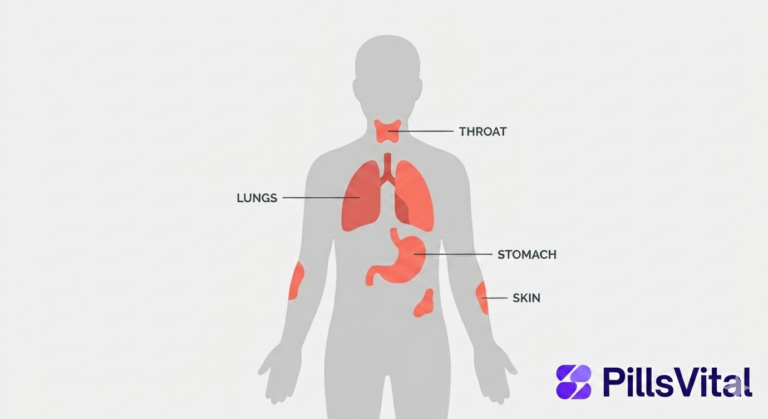
Minimal medical infographic showing a human silhouette with highlighted cancer warning areas including lungs, stomach, skin, and throat.

Persistent Fatigue That Doesn’t Improve

Feeling tired after work, stress, or poor sleep is common. However, fatigue that continues for weeks and does not improve with proper rest may sometimes signal an underlying medical condition, including cancer.

Cancer-related fatigue is often described as:

  • Constant exhaustion
  • Weakness during simple activities
  • Low energy throughout the day
  • Difficulty concentrating

This symptom is commonly associated with blood cancers such as leukemia, as well as colon and stomach cancers. Fatigue may develop because cancer can affect red blood cell production, nutrition absorption, or immune system function.

People often ignore this symptom because it develops gradually over time.

Unexplained Weight Loss

Unexpected weight loss without changes in diet or physical activity can sometimes indicate serious health problems.

Losing more than 5% of body weight within 6–12 months without trying may require medical evaluation.

Unexplained weight loss is sometimes linked with:

  • Pancreatic cancer
  • Lung cancer
  • Stomach cancer
  • Esophageal cancer

Weight loss may occur due to:

  • Reduced appetite
  • Metabolic changes
  • Digestive problems
  • Increased inflammation in the body

Sudden weight changes should never be ignored, especially when combined with fatigue or appetite loss.

New here? Start with our Complete Guide to Cancer Prevention & Treatment to understand cancer risks, prevention strategies, screening methods, and available treatment options.

Persistent Cough or Voice Changes

A cough lasting longer than three weeks may indicate respiratory infections, allergies, or other medical conditions. However, in some cases, it may also be connected to lung or throat cancer.

Symptoms that require attention include:

  • Coughing blood
  • Chest pain
  • Wheezing
  • Shortness of breath
  • Hoarseness

Voice changes that persist for weeks may occur due to irritation or growth affecting the vocal cords or throat tissues.

Smoking history, pollution exposure, and chronic lung disease can increase risk.

The National Cancer Institute Lung Cancer Information explains how long-term respiratory symptoms may require medical evaluation.

Changes in Skin Appearance

Skin can sometimes reflect internal health problems. Changes in skin color, texture, or moles should be monitored carefully.

Warning signs include:

  • Darkened skin patches
  • Yellowing of skin or eyes
  • Sores that do not heal
  • New moles
  • Bleeding or itchy lesions

Melanoma and other skin cancers often begin with visible skin changes.

Doctors commonly recommend monitoring moles using the ABCDE rule:

  • Asymmetry
  • Border irregularity
  • Color changes
  • Diameter increase
  • Evolving appearance

The American Cancer Society Skin Cancer Warning Signs provides additional guidance on identifying suspicious skin changes.

Changes in Bowel Habits

Digestive changes that continue for several weeks may sometimes be associated with colorectal cancer or digestive disorders.

Symptoms may include:

  • Persistent diarrhea
  • Constipation
  • Narrow stool shape
  • Blood in stool
  • Abdominal discomfort

These symptoms are often ignored because people assume they are caused by temporary digestive issues or poor diet.

Early colorectal cancer screening can significantly improve outcomes.

Unusual Bleeding

Unexpected bleeding from different parts of the body should always be medically evaluated.

Examples include:

  • Blood in urine
  • Blood in stool
  • Vaginal bleeding between cycles
  • Bleeding after menopause
  • Coughing blood

Bleeding may occur due to tissue damage, inflammation, or abnormal growths.

Different cancers associated with unusual bleeding include:

  • Cervical cancer
  • Colon cancer
  • Bladder cancer
  • Lung cancer

The severity may vary, but persistent bleeding should never be ignored.

Difficulty Swallowing

Pain or discomfort while swallowing may develop slowly and become worse over time.

Some individuals may notice:

  • Food getting stuck
  • Burning sensation
  • Choking while eating
  • Chest discomfort

Difficulty swallowing may be linked with:

  • Esophageal cancer
  • Throat cancer
  • Stomach cancer

Long-term acid reflux may also increase risk for certain esophageal conditions.

Persistent Pain Without Clear Cause

Pain that continues for weeks without obvious injury or explanation may require medical evaluation.

Examples include:

  • Chronic headaches
  • Bone pain
  • Back pain
  • Pelvic pain
  • Abdominal pain

Pain alone does not confirm cancer, but persistent unexplained pain may sometimes occur when tumors affect nerves, organs, or bones.

People frequently delay medical evaluation because they assume the pain will eventually disappear.

Lumps or Swelling

New lumps or swelling anywhere in the body should be checked, especially if they:

  • Continue growing
  • Feel hard
  • Remain painless
  • Do not disappear over time

Common locations include:

  • Breast
  • Neck
  • Underarms
  • Testicles

Some lumps are harmless cysts or infections, while others may indicate cancerous growth.

Regular self-checks can help people identify unusual body changes earlier.

Frequent Infections or Fever

Repeated infections, fever, or slow recovery from illness may indicate immune system abnormalities.

Blood cancers such as leukemia and lymphoma can sometimes affect white blood cell function, increasing infection risk.

Symptoms may include:

  • Recurring fever
  • Night sweats
  • Frequent illness
  • Weakness
  • Swollen lymph nodes

Persistent immune-related symptoms should be medically evaluated, especially when combined with fatigue or weight loss.

Final Thoughts

Many early cancer symptoms resemble common health problems, which is why they are often ignored. Persistent physical changes, unusual bleeding, unexplained weight loss, or ongoing fatigue should never be dismissed without medical evaluation.

Early cancer detection can improve treatment options and long-term outcomes.

Related Products

❓ FAQs

Can cancer symptoms appear in early stages?

Yes. Some cancers produce noticeable symptoms early, while others remain silent until advanced stages.

No. Fatigue can result from stress, anemia, infections, sleep problems, or nutritional deficiencies.

Skin cancer, colorectal cancer, breast cancer, and cervical cancer may show warning signs earlier than some other cancers.

Symptoms that persist for several weeks or continue worsening should be medically evaluated.

Yes. Although cancer risk increases with age, young adults can also develop certain cancers.

One Response

Leave a Reply

Your email address will not be published. Required fields are marked *