
Ivermectin for Scabies: A Complete Guide to Treatment and Prevention
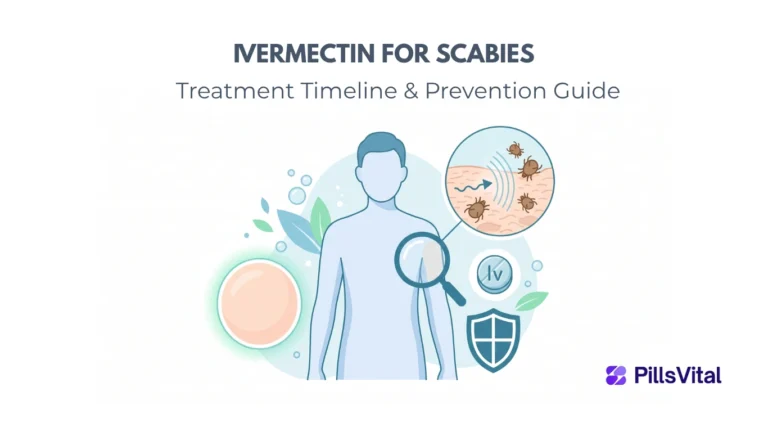
Scabies is a highly contagious skin condition caused by tiny mites called Sarcoptes scabiei. These microscopic parasites burrow into the skin, causing intense itching, rashes, and discomfort. While topical creams are often the first treatment choice, many doctors prescribe ivermectin for scabies in certain situations, especially when infections are widespread, difficult to treat, or affecting multiple family members.
In this guide, we’ll explain how ivermectin works, compare oral and topical treatments, discuss the expected treatment timeline, and share effective strategies to prevent reinfection.
What Is Scabies?
Scabies occurs when female mites tunnel into the outer layer of the skin and lay eggs. The body’s immune response to the mites, eggs, and waste products causes severe itching and skin irritation.
Common Symptoms of Scabies
- Intense itching, especially at night
- Small red bumps or rash
- Thin, wavy burrow marks on the skin
- Sores caused by scratching
- Skin infections from broken skin
Common Areas Affected
- Between fingers
- Wrists
- Elbows
- Armpits
- Waistline
- Genital area
- Buttocks
For additional information about scabies symptoms and transmission, visit the CDC’s official CDC scabies resource.
What Is Ivermectin?
Ivermectin is an antiparasitic medication used to treat various parasitic infections. It works by interfering with the nervous system of parasites, causing paralysis and death of the mites.
For scabies, ivermectin is typically prescribed as an oral tablet and may be used alone or alongside topical medications depending on the severity of the infestation.
How Does Ivermectin Work for Scabies?
When taken orally, ivermectin enters the bloodstream and affects the mites feeding on the skin.
Mechanism of Action
Ivermectin:
- Targets nerve and muscle cells of parasites
- Causes paralysis of scabies mites
- Prevents mites from surviving and reproducing
- Helps eliminate active infestation
Unlike topical treatments, oral ivermectin treats the entire body simultaneously, making it useful for extensive infestations.
When Do Doctors Prescribe Ivermectin for Scabies?
Although topical permethrin cream is often the preferred first-line treatment for scabies, there are situations where healthcare providers may recommend oral ivermectin instead. Oral treatment can be particularly helpful when the infestation is extensive, difficult to control, or when applying topical medications is impractical. Below are some of the most common circumstances in which doctors may prescribe ivermectin for scabies.
1. Widespread Scabies
When scabies affects large portions of the body, applying topical medications correctly can become challenging. Permethrin cream must usually be applied to the entire skin surface from the neck down and left on for several hours. Missing even small areas can reduce treatment effectiveness.
In cases of widespread scabies, oral ivermectin offers a more convenient approach because the medication works throughout the body after being taken by mouth. This can improve treatment compliance and ensure that mites in multiple locations are targeted simultaneously.
Doctors may consider ivermectin when:
- The rash covers extensive areas of the body
- Multiple family members are infected
- Previous topical treatments were difficult to apply correctly
- The patient has physical limitations that make self-application challenging
2. Crusted (Norwegian) Scabies
Crusted scabies, sometimes called Norwegian scabies, is a severe form of infestation characterized by extremely high numbers of mites. Unlike typical scabies, which may involve only a small number of mites, crusted scabies can contain thousands or even millions of parasites within thick crusts and scales on the skin.
This condition is more common among:
- Older adults
- Individuals with weakened immune systems
- People undergoing immunosuppressive therapy
- Residents of long-term care facilities
Because of the large mite burden, topical treatment alone may not be sufficient. Doctors often prescribe a combination of oral ivermectin and topical scabicides to maximize effectiveness. Multiple doses of ivermectin may be required over several weeks, depending on the severity of the infection.
Prompt treatment is especially important because crusted scabies is highly contagious and can spread rapidly in healthcare and institutional settings.
3. Scabies Outbreaks in Communities and Institutions
Scabies outbreaks can occur in environments where people live or spend time in close contact with one another. In these situations, treating large groups with topical medications may be difficult and time-consuming.
Healthcare providers may use ivermectin during outbreaks in:
- Nursing homes
- Hospitals
- Long-term care facilities
- Rehabilitation centers
- Dormitories and student housing
- Correctional facilities
- Residential care homes
Oral ivermectin allows healthcare teams to treat many individuals more efficiently, helping reduce transmission and control outbreaks faster. In some cases, both infected individuals and close contacts may receive treatment to prevent ongoing spread.
4. Failure of Topical Treatment
Not every case of scabies responds as expected to topical therapy. Sometimes symptoms persist despite treatment, which can occur for several reasons:
- Incorrect application of cream
- Missing certain areas of the body
- Failure to repeat treatment when recommended
- Reinfection from untreated contacts
- Severe or long-standing infestations
When symptoms continue after proper topical treatment, doctors may consider oral ivermectin as an alternative option. It may be prescribed alone or alongside another topical medication to improve treatment success.
It’s important to note that itching can continue for several weeks after successful treatment due to the body’s ongoing immune response. Persistent itching does not always mean that treatment has failed, so medical evaluation is important before repeating therapy.
5. Difficulty Applying Topical Creams
Topical scabies treatments require careful application to ensure that all affected skin surfaces are covered. For some people, this can be difficult or impractical.
Doctors may recommend ivermectin for patients who:
- Have limited mobility
- Are unable to reach certain areas of the body
- Have physical disabilities
- Suffer from painful skin conditions
- Have extensive skin damage or irritation
- Require caregiver assistance for treatment
In these situations, oral ivermectin can provide a simpler and more convenient treatment option while still targeting the underlying infestation.
Additional Situations Where Ivermectin May Be Considered
Healthcare providers may also prescribe ivermectin in certain special circumstances, including:
- Recurrent scabies infections
- Large household outbreaks
- Patients who cannot tolerate topical medications
- Situations where rapid treatment of multiple contacts is necessary
The decision to use ivermectin depends on factors such as the severity of infestation, overall health status, age, body weight, and the presence of other medical conditions.
Oral Ivermectin vs Topical Scabies Treatments
Choosing between oral and topical treatment depends on individual circumstances.
| Feature | Oral Ivermectin | Topical Permethrin |
|---|---|---|
| Administration | Taken by mouth | Applied to skin |
| Coverage | Whole body | Treated areas only |
| Convenience | Easy to take | Requires careful application |
| Best For | Widespread or crusted scabies | Mild to moderate scabies |
| Household Outbreaks | Often preferred | Less convenient |
| Repeat Treatment | Usually needed | Usually needed |
Advantages of Oral Ivermectin
Oral ivermectin has become an important treatment option for scabies, particularly in situations where topical medications may be difficult to use or less practical. Because it is taken by mouth, ivermectin works throughout the body and can simplify treatment for many patients.
Convenient Dosing
One of the biggest advantages of oral ivermectin is its simplicity. Instead of applying medication over the entire body and leaving it on the skin for several hours, patients take a prescribed dose as directed by their healthcare provider.
This convenience can be especially beneficial for:
- Busy individuals with demanding schedules
- Older adults who may struggle with self-application
- People who have difficulty reaching certain parts of the body
- Caregivers treating multiple family members
Since treatment often involves just one or two doses given days apart, many patients find oral therapy easier to follow than extensive topical regimens.
Helpful for Large or Widespread Infestations
When scabies affects large areas of the body, applying cream thoroughly can become challenging. Missing even small sections of skin may reduce treatment effectiveness and allow mites to survive.
Because ivermectin circulates through the bloodstream, it can help target mites across the entire body without requiring full-body application. This makes it particularly useful for:
- Extensive scabies infestations
- Cases involving multiple body regions
- Severe itching and widespread skin involvement
- Individuals with large areas of affected skin
Oral treatment may provide a practical solution when topical application becomes difficult or time-consuming.
Useful During Institutional Outbreaks
Scabies outbreaks can spread rapidly in environments where people live in close proximity. Managing large numbers of affected individuals with topical treatments can be complicated and resource-intensive.
Healthcare providers may use oral ivermectin during outbreaks in:
- Nursing homes
- Long-term care facilities
- Hospitals
- Rehabilitation centers
- Dormitories
- Correctional facilities
In these settings, oral treatment allows healthcare teams to administer medication more efficiently, helping control outbreaks and reduce ongoing transmission.
Easier Compliance for Some Patients
Successful scabies treatment depends heavily on following treatment instructions correctly. Topical medications require careful application over the entire body, which some individuals may find difficult.
Oral ivermectin may improve compliance because:
- It eliminates the need for extensive skin application
- It reduces the chance of missing treatment areas
- It requires less assistance from caregivers
- It may be easier for patients with mobility limitations
For certain patients, a simple oral dosing schedule can increase the likelihood of completing treatment successfully.
Advantages of Topical Scabies Treatments
Despite the convenience of oral ivermectin, topical treatments remain a cornerstone of scabies management and are often recommended as the first-line treatment for uncomplicated cases.
Directly Targets Mites on the Skin
Topical medications are applied directly to the skin where scabies mites live and reproduce. This localized action allows the medication to come into direct contact with the parasites.
Benefits of direct application include:
- Immediate exposure of mites to the treatment
- Targeted action at infestation sites
- High concentrations of medication on the skin surface
- Effective treatment of active burrows and affected areas
Because scabies mites live within the outer layers of the skin, topical therapies can be highly effective when applied correctly.
Long History of Clinical Use
Topical scabies treatments, particularly permethrin cream, have been used for many years and are supported by extensive clinical experience.
Healthcare providers are familiar with:
- Proper application techniques
- Expected treatment outcomes
- Safety profiles
- Management of side effects
This long-standing history of use has helped establish topical therapies as reliable and effective treatment options for many patients.
Often the First Treatment Recommended
For uncomplicated scabies infections, topical medications are commonly recommended as the initial treatment approach.
Doctors frequently choose topical therapy because:
- It has demonstrated effectiveness in many cases
- It directly treats the skin where mites reside
- It is widely available
- It is suitable for a broad range of patients
Many treatment guidelines continue to list topical permethrin as a preferred first-line option for typical scabies infestations.
Suitable for Mild to Moderate Cases
Most scabies infections involve a relatively small number of mites and can often be treated successfully with topical medications alone.
Topical therapy may be particularly appropriate when:
- The infestation is diagnosed early
- Symptoms are limited to certain areas
- The patient can apply medication correctly
- There are no complicating medical conditions
When used according to instructions, topical treatments can effectively eliminate mites and help relieve symptoms.
Which Option Is Better?
Neither oral ivermectin nor topical treatments are universally better for every patient. The most appropriate choice depends on factors such as the severity of the infestation, the patient’s overall health, treatment history, and the ability to apply medications correctly.
In some cases, healthcare providers may even recommend combination therapy, using oral ivermectin together with topical treatments to maximize effectiveness, especially for crusted scabies or difficult-to-treat infections.
The best results are typically achieved when treatment is combined with proper household cleaning, treatment of close contacts, and measures to prevent reinfection.
Typical Ivermectin Treatment Timeline for Scabies
Many people begin treatment expecting the itching and rash to disappear within a day or two. However, scabies recovery is usually a gradual process. While ivermectin starts working soon after it is taken, the skin and immune system often need several weeks to fully recover. Understanding the typical treatment timeline can help set realistic expectations and prevent unnecessary concern.
Day 1: Taking the First Dose
After the first dose of ivermectin, the medication begins circulating throughout the body and starts targeting active scabies mites. The drug interferes with the parasites’ nervous system, causing paralysis and eventual death.
During the first 24 hours:
- Active mites begin to be affected by the medication.
- New mite activity starts to decrease.
- The treatment process begins internally, even though symptoms may not improve immediately.
- Most people notice little to no visible change in itching or rash on the first day.
It’s important to remember that the medication is working even if symptoms remain unchanged.
Days 2–7: Mites Begin Dying
During the first week after treatment, ivermectin continues eliminating active mites. However, this period can sometimes be frustrating because symptoms often persist.
Many patients experience:
- Continued itching, especially at night
- Ongoing redness or rash
- Mild skin irritation
- Temporary worsening of itching in some cases
This happens because the body’s immune system is still reacting to:
- Dead mites
- Mite eggs
- Mite waste products
- Inflammatory substances left behind in the skin
Even though the parasites are dying, the immune response can continue producing symptoms.
Why Itching May Continue
Persistent itching during the first week does not automatically mean the treatment has failed. In fact, many successfully treated patients continue to itch for several days or even weeks after the mites are gone.
Scratching can also irritate the skin further, prolonging redness and discomfort.
Days 7–14: Second Dose Often Recommended
Many healthcare providers recommend a second dose of ivermectin approximately 7 to 14 days after the first dose.
The reason is simple:
- Ivermectin is highly effective against active mites.
- Some eggs may survive the first treatment.
- Newly hatched mites can emerge after the initial dose.
The second dose helps eliminate these newly hatched mites before they mature and reproduce.
Benefits of the Second Dose
A follow-up dose may:
- Improve treatment success rates
- Reduce the risk of reinfestation
- Help ensure complete eradication of mites
- Lower the chances of ongoing transmission to close contacts
Patients should always follow the exact schedule recommended by their healthcare provider.
Weeks 2–4: Noticeable Improvement Begins
By the second to fourth week after treatment, many patients start seeing gradual improvement.
Common changes during this phase include:
Reduced Itching
Nighttime itching often becomes less intense, although some irritation may still be present.
Healing Rash
The rash typically starts fading as inflammation decreases and the skin begins repairing itself.
Fewer New Lesions
New burrows or bumps should stop appearing if treatment has been successful.
Improved Sleep
As itching decreases, many patients experience better sleep quality and less nighttime discomfort.
Although significant progress often occurs during this period, complete healing may still take additional time.
Weeks 4–6: Significant Recovery
By four to six weeks after treatment, most patients experience substantial improvement.
During this stage:
- Itching is usually greatly reduced or completely resolved.
- Skin lesions continue healing.
- Redness and irritation fade.
- Scratching-related wounds begin to recover.
- Daily activities become more comfortable.
For many individuals, this marks the final stage of recovery from a typical scabies infestation.
Important Note: Post-Scabies Itching
One of the most misunderstood aspects of scabies treatment is post-scabies itching.
Even after all mites have been eliminated, itching may continue for several weeks because the immune system remains sensitive to:
- Dead mites trapped in the skin
- Mite eggs and debris
- Residual inflammatory reactions
This condition is sometimes called post-scabetic pruritus.
How Long Can Post-Scabies Itching Last?
For some individuals, mild itching may continue for:
- Several weeks
- One month
- Occasionally longer in severe cases
The duration varies depending on:
- Severity of the original infestation
- Individual immune response
- Amount of skin irritation caused by scratching
- Presence of secondary skin infections
Why Multiple Doses Are Often Needed
Ivermectin is highly effective against active mites but may not kill all eggs.
A second dose helps:
- Eliminate newly hatched mites
- Reduce treatment failure
- Lower the risk of reinfestation
Always follow the schedule recommended by a healthcare professional.
Can Ivermectin Be Combined With Other Scabies Treatments?
Yes. In more severe or difficult-to-treat cases, healthcare providers may recommend combination therapy to improve treatment effectiveness. Using multiple treatment approaches can help eliminate mites more thoroughly, particularly when there is a high mite burden or when previous treatments have not produced the desired results.
Common combination treatment strategies include:
Oral ivermectin plus permethrin cream – Often used when scabies is widespread or persistent. While ivermectin works throughout the body, permethrin directly targets mites on the skin surface.
Oral ivermectin plus sulfur ointment – Sulfur-based treatments may be recommended in certain situations, especially when alternative topical options are needed.
Additional treatments for secondary skin infections – Excessive scratching can damage the skin and increase the risk of bacterial infections. In these cases, healthcare providers may prescribe additional medications to help manage infection and promote healing.
Combination therapy is particularly common for crusted (Norwegian) scabies, a severe form of infestation that can involve thousands or even millions of mites. Because of the large number of parasites present, a single treatment approach may not be sufficient, and multiple doses of ivermectin combined with topical therapy are often required.
Before starting combination treatment, it is important to discuss all medications and supplements you are taking with your healthcare provider. Certain medications can affect how ivermectin works or increase the risk of side effects. If you’d like to learn more, read our detailed guide on drug interactions with ivermectin
Following your prescribed treatment plan carefully, completing all recommended doses, and treating close contacts when advised can significantly improve treatment success and reduce the risk of reinfestation.
Preventing Scabies Reinfection
Successfully treating scabies involves more than simply taking medication. Even after the mites on your body have been eliminated, reinfection can occur if mites remain on personal items or if close contacts who are infected do not receive treatment. Taking preventive measures at the same time as treatment can significantly reduce the risk of scabies returning.
Below are some of the most important steps to help prevent reinfestation after treatment.
1. Treat Close Contacts
One of the most common reasons scabies returns is exposure to an untreated person. Because symptoms may take several weeks to appear after infection, someone can carry and spread scabies without realizing it.
Healthcare providers often recommend evaluating and treating:
- Household members
- Sexual partners
- Individuals with prolonged skin-to-skin contact
- Caregivers who provide personal assistance
- People living in the same residence
Even if these individuals have no symptoms, preventive treatment may be recommended in certain situations to stop the cycle of transmission.
Why This Matters
If only one person receives treatment while others remain infected, mites can easily spread back to the treated individual, resulting in reinfestation and ongoing symptoms.
2. Wash Clothing and Bedding Thoroughly
Scabies mites can survive for a limited period away from human skin. Washing potentially contaminated items helps remove mites and reduce the risk of re-exposure.
Items that should be cleaned include:
- Bed sheets
- Pillowcases
- Blankets
- Towels
- Recently worn clothing
- Sleepwear
- Washcloths
Recommended Cleaning Method
Use:
- Hot water washing cycles
- High-temperature machine drying
- The hottest settings appropriate for the fabric
Heat helps kill mites and destroy eggs that may be present on fabrics.
Focus on Recently Used Items
Pay particular attention to items used during the several days before treatment began, as these are most likely to contain mites.
3. Seal Non-Washable Items
Not all household items can be washed in hot water. For these items, temporary isolation can be an effective strategy.
Examples include:
- Decorative pillows
- Stuffed animals
- Delicate fabrics
- Certain jackets and coats
- Specialty bedding materials
How to Store Them
Place items in tightly sealed plastic bags and keep them isolated for several days.
Without access to human skin, scabies mites eventually die because they cannot feed or reproduce away from a host.
This simple step can help prevent contaminated items from becoming a source of reinfestation.
4. Vacuum Thoroughly
Although scabies spreads primarily through prolonged skin-to-skin contact, cleaning the environment can provide additional peace of mind and help remove skin debris that may contain mites.
Areas to vacuum include:
- Mattresses
- Upholstered furniture
- Sofas and chairs
- Carpets and rugs
- Car seats
- Fabric-covered surfaces
Additional Cleaning Tips
Consider:
- Emptying the vacuum container after cleaning
- Washing removable furniture covers when possible
- Paying extra attention to areas where infected individuals spend significant time
Environmental cleaning is especially important in households with multiple affected individuals.
Additional prevention recommendations can be found in the MedlinePlus scabies information guide.
5. Avoid Skin-to-Skin Contact Until Treatment Is Complete
Scabies is most commonly spread through direct, prolonged skin contact. During active infestation and early treatment, avoiding close physical contact can help reduce transmission.
Examples include:
- Sleeping in the same bed
- Prolonged hugging
- Sexual contact
- Sharing blankets during treatment
Why Temporary Precautions Help
Although treatment begins killing mites quickly, transmission can still occur before the infestation is fully controlled. Following healthcare provider recommendations regarding contact restrictions can help protect family members and close contacts.
Additional Tips for Preventing Reinfection
Beyond the basic prevention measures, consider the following strategies:
Follow the Full Treatment Schedule
Many scabies treatment plans include a second dose of medication or a repeat application of topical therapy. Skipping follow-up treatment may allow newly hatched mites to survive.
Avoid Sharing Personal Items
During treatment, avoid sharing:
- Clothing
- Towels
- Bedding
- Personal care items
Monitor Symptoms Carefully
Watch for:
- New burrows
- New rash development
- Persistent worsening symptoms
If symptoms continue to worsen after treatment, consult a healthcare professional for further evaluation.
Common Mistakes That Can Delay Recovery
Even when effective medications such as ivermectin or permethrin are used, certain mistakes can reduce treatment success and increase the risk of persistent symptoms or reinfestation. Understanding these common errors can help improve recovery and prevent scabies from returning.
1. Skipping the Second Dose
One of the most common reasons for treatment failure is not completing the full treatment schedule. Many scabies treatment plans involving oral ivermectin include a second dose approximately 7 to 14 days after the first dose.
Why Is the Second Dose Important?
While ivermectin is highly effective at killing active mites, it may not eliminate all mite eggs. Eggs that survive the initial treatment can hatch several days later, producing new mites that continue the infestation.
The second dose helps:
- Eliminate newly hatched mites
- Prevent mites from reaching maturity
- Reduce the risk of reinfestation
- Improve overall treatment success
Common Reasons People Skip the Second Dose
- Symptoms start improving after the first dose
- Patients believe the infestation is completely gone
- They forget the follow-up schedule
- Misunderstanding treatment instructions
Even if itching improves significantly after the first treatment, completing the full prescribed regimen is essential for the best results.
2. Not Treating Household Members and Close Contacts
Scabies spreads easily through prolonged skin-to-skin contact. A person can carry scabies mites for weeks before symptoms become noticeable, meaning someone may be infected without realizing it.
How Reinfestation Happens
Imagine one family member receives treatment while others in the household remain infected. Once treatment is complete, the treated individual may be exposed again through normal daily contact.
Untreated contacts can include:
- Family members
- Sexual partners
- Caregivers
- Roommates
- Individuals sharing sleeping arrangements
Why Simultaneous Treatment Matters
Treating all potentially exposed individuals at the same time helps:
- Break the transmission cycle
- Prevent ongoing spread within the household
- Reduce the likelihood of reinfection
- Improve treatment success rates
Many healthcare providers recommend evaluating and, when appropriate, treating close contacts even if they do not currently have symptoms.
3. Misinterpreting Persistent Itching
Many people assume that continued itching means treatment has failed. In reality, itching often continues for several weeks after successful scabies treatment.
What Causes Post-Scabies Itching?
Even after the mites are eliminated, the immune system may continue reacting to:
- Dead mites remaining in the skin
- Mite eggs and debris
- Residual inflammation
- Skin damage caused by scratching
This reaction is known as post-scabetic pruritus and can persist despite successful treatment.
What Is Normal?
Many patients experience:
- Mild to moderate itching for several weeks
- Gradual improvement over time
- Slow healing of skin lesions
- Temporary skin sensitivity
When to Be Concerned
Medical evaluation may be needed if:
- New burrows appear
- New rashes continue developing
- Symptoms worsen significantly
- There is no improvement after several weeks
Understanding the difference between normal healing and active infestation can help avoid unnecessary retreatment and anxiety.
4. Incomplete Environmental Cleaning
Although direct skin-to-skin contact is the primary method of scabies transmission, contaminated personal items can contribute to reinfestation if proper cleaning measures are not taken.
Items Often Overlooked
Many people remember to wash clothing but forget other commonly used items such as:
- Bedding
- Pillowcases
- Blankets
- Towels
- Upholstered furniture
- Mattresses
- Car seats
- Stuffed toys
Why Cleaning Matters
Scabies mites cannot survive indefinitely away from human skin, but they may remain alive for a short period under certain conditions. Proper cleaning helps reduce the chance of re-exposure during recovery.
Recommended Environmental Measures
- Wash recently used clothing and bedding in hot water
- Dry items using high heat settings
- Vacuum carpets and upholstered furniture
- Seal non-washable items in plastic bags for several days
- Clean frequently used household surfaces
These simple precautions can support medical treatment and reduce the likelihood of recurring infestation.
Additional Recovery Mistakes to Avoid
Other common issues that may interfere with successful treatment include:
- Applying topical medications incorrectly
- Missing areas of the body during cream application
- Stopping treatment early
- Sharing towels or bedding during treatment
- Failing to follow healthcare provider instructions
Carefully following treatment recommendations can significantly improve outcomes.
Possible Side Effects of Ivermectin
Some people may experience mild side effects such as:
- Dizziness
- Headache
- Nausea
- Fatigue
- Mild stomach discomfort
Most side effects are temporary, but any concerning symptoms should be discussed with a healthcare professional.
Conclusion
Using ivermectin for scabies can be an effective treatment option when prescribed appropriately. It is particularly valuable for widespread infestations, crusted scabies, treatment-resistant cases, and outbreak situations. Understanding the treatment timeline, following dosing instructions carefully, and taking steps to prevent reinfection are essential for successful recovery.
When used alongside proper hygiene measures and treatment of close contacts, ivermectin can play an important role in eliminating scabies and reducing the risk of recurrence.
Related Health Resources
-
Ivermectin 20mg (Covilife 20mg) Tablets
$132.00 – $275.00Price range: $132.00 through $275.00 This product has multiple variants. The options may be chosen on the product page -
Ivermectin 24mg (Covilife 24mg) Tablets
$132.00 – $380.00Price range: $132.00 through $380.00 This product has multiple variants. The options may be chosen on the product page -
Ivermectin 6mg (Ivaenorm) Tablet
$75.00 – $185.00Price range: $75.00 through $185.00 This product has multiple variants. The options may be chosen on the product page -
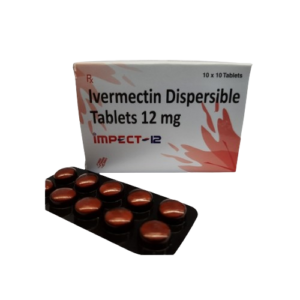
Ivermectin 12mg Tablets (Impect 12)
$78.00 – $185.00Price range: $78.00 through $185.00 This product has multiple variants. The options may be chosen on the product page
❓ FAQs
1. What is ivermectin used for in scabies treatment?
Ivermectin is an antiparasitic medication used to treat scabies by killing the mites that cause the infestation. Doctors may prescribe it for widespread scabies, crusted scabies, institutional outbreaks, or when topical treatments are difficult to use.
2. How long does ivermectin take to work for scabies?
Ivermectin begins affecting scabies mites shortly after treatment. However, symptom improvement may take several days to weeks. Most people notice gradual improvement within 2 to 4 weeks, while complete recovery can take longer.
3. How many doses of ivermectin are usually needed for scabies?
Many treatment plans involve two doses of ivermectin taken approximately 7 to 14 days apart. The exact number of doses depends on the severity of the infestation and your healthcare provider’s recommendations.
4. Why am I still itching after taking ivermectin for scabies?
Persistent itching is common after successful treatment. The immune system may continue reacting to dead mites, eggs, and debris left in the skin, causing itching for several weeks even after the infestation has been eliminated.
5. Can ivermectin be used together with permethrin cream?
Yes. In severe or difficult-to-treat cases, doctors may recommend combination therapy using oral ivermectin and permethrin cream. This approach is commonly used for crusted scabies and extensive infestations.
The American Academy of Dermatology scabies overview explains how reinfection can occur and ways to reduce the risk.
💊 Related Ivermectin Guides

Dr. Emily Carter specializes in evidence-based health education and wellness content. She focuses on simplifying complex medical topics related to cancer awareness, nutrition, preventive healthcare, skincare, and lifestyle wellness for readers worldwide.
This content is reviewed for medical accuracy, clarity, and alignment with current public health research. The article is intended for educational and informational purposes only and should not replace professional medical advice, diagnosis, or treatment.