
Complete Guide to Building a Healthy Routine in 2026 (Medicine + Lifestyle + Diet)
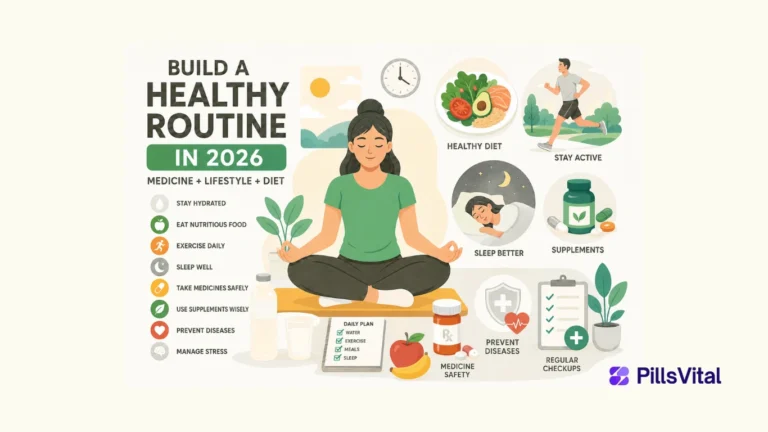
Modern health isn’t about chasing miracle cures or following viral wellness trends. The healthiest people consistently follow small, sustainable habits that support their bodies over time.
Whether you’re managing diabetes, recovering from illness, trying to lose weight, improving heart health, or simply aiming to live longer, building the right routine can dramatically improve your quality of life.
This comprehensive guide explains exactly how to create a science-backed daily routine that supports physical and mental health while helping you use medications safely.
Why Daily Habits Matter More Than Motivation
Research consistently shows that long-term health depends more on daily habits than occasional bursts of motivation.
Healthy routines help:
- Improve energy
- Stabilize blood sugar
- Support healthy weight
- Improve sleep quality
- Reduce stress
- Lower blood pressure
- Strengthen immunity
- Improve medication adherence
- Reduce chronic disease risk
The goal isn’t perfection.
The goal is consistency.
Step 1: Start Your Morning Properly
A productive day begins with a healthy morning routine.
Drink Water
After sleeping for several hours, your body becomes mildly dehydrated.
Drink:
- 1–2 glasses of water
- Before coffee
- Before breakfast
The Centers for Disease Control and Prevention (CDC) explains why drinking enough water is important for overall health and offers practical tips for choosing healthier beverages.
Take Prescribed Medicines Correctly
Never skip prescribed medications because you’re feeling better.
Always:
- Follow your doctor’s instructions
- Use reminders if needed
- Avoid changing doses yourself
If you’re prescribed medications through PillsVital, always follow your healthcare provider’s prescription exactly as directed.
Related Guide: Read our complete Ivermectin Dosage & Safety Guide to understand why medications should always be taken exactly as prescribed.
Step 2: Eat a Balanced Breakfast
A nutritious breakfast improves:
- Concentration
- Energy
- Blood sugar stability
- Appetite control
Choose foods rich in:
- Protein
- Fiber
- Healthy fats
Examples:
✓ Eggs
✓ Greek yogurt
✓ Oatmeal
✓ Fruit
✓ Nuts
Step 3: Move Your Body Daily
Exercise isn’t only for weight loss.
Benefits include:
- Better heart health
- Lower cancer risk
- Better mood
- Improved insulin sensitivity
- Stronger muscles
- Better sleep
Aim for:
- 150 minutes moderate exercise weekly
OR
- 75 minutes vigorous activity
Include:
- Walking
- Cycling
- Swimming
- Resistance training
The World Health Organization (WHO) provides evidence-based recommendations on physical activity levels for adults and children to support long-term health.
Step 4: Build Your Meals Around Whole Foods
Healthy eating doesn’t require expensive diets.
Focus on:
Vegetables
Fill half your plate.
Lean Protein
Examples:
- Fish
- Chicken
- Beans
- Lentils
- Eggs
Healthy Fats
Examples:
- Olive oil
- Nuts
- Seeds
- Avocados
Whole Grains
Examples:
- Brown rice
- Oats
- Whole wheat
Limit:
- Sugary drinks
- Processed snacks
- Excess sodium
- Ultra-processed foods
Step 5: Support Weight Management
Healthy weight management combines:
- Nutrition
- Exercise
- Sleep
- Stress management
- Medical guidance
Explore the USDA MyPlate guide to build balanced meals, understand portion sizes, and make healthier food choices every day.
Avoid:
- Crash diets
- Detox teas
- Extreme fasting
- Social media “quick fixes”
Learn how physician-supervised treatments can complement healthy habits in our comprehensive: Complete Weight Loss Guide
Step 6: Sleep Like Your Health Depends On It
Because it does.
Adults should aim for:
7–9 hours nightly.
Good sleep supports:
- Memory
- Hormones
- Immunity
- Weight management
- Mental health
Improve sleep by:
- Keeping a schedule
- Reducing screen time
- Limiting caffeine
- Sleeping in a dark room
The National Heart, Lung, and Blood Institute (NHLBI) explains why quality sleep is essential for heart health, immunity, metabolism, and overall well-being.
Step 7: Reduce Chronic Stress
Long-term stress increases the risk of:
- High blood pressure
- Heart disease
- Depression
- Anxiety
- Obesity
Healthy stress management includes:
- Meditation
- Walking
- Reading
- Journaling
- Deep breathing
- Spending time outdoors
Step 8: Use Supplements Wisely
Supplements are not replacements for healthy eating.
Some people may benefit from:
- Vitamin D
- Vitamin B12
- Iron
- Omega-3 fatty acids
- Calcium
Only use supplements when appropriate for your health needs and discuss them with your healthcare provider, especially if you take prescription medications.
Continue Reading : Daily Supplement Routine Guide
Step 9: Prevent Disease Before It Starts
Preventive healthcare saves lives.
Schedule:
- Annual physical exams
- Blood pressure checks
- Cholesterol screening
- Diabetes screening
- Cancer screenings based on age and risk
- Dental checkups
- Eye exams
Vaccinations remain an important part of preventive care.
The Centers for Disease Control and Prevention (CDC) provides resources on preventive healthcare, screenings, vaccinations, and healthy living.
Step 10: Understand Your Cancer Risk
Healthy habits reduce the risk of several cancers.
Lifestyle factors include:
- Avoid tobacco
- Limit alcohol
- Exercise regularly
- Eat more fruits and vegetables
- Maintain healthy weight
- Protect skin from UV exposure
Remember:
Early detection dramatically improves treatment outcomes.
Our comprehensive: Complete Cancer Prevention & Treatment Guide
The National Cancer Institute (NCI) outlines evidence-based strategies to reduce cancer risk through healthy lifestyle choices and preventive care.
Step 11: Take Care of Men's Health
Many men avoid discussing erectile dysfunction.
ED can sometimes signal:
- Diabetes
- Heart disease
- High blood pressure
- Hormonal imbalance
Treating the underlying cause often improves overall health.
Step 12: Protect Your Mental Health
Mental wellness deserves equal attention.
Healthy habits include:
- Regular exercise
- Social connection
- Adequate sleep
- Professional counseling when needed
- Mindfulness
Seek professional help if stress, anxiety, or depression interfere with daily life.
Step 13: Stay Consistent With Medications
Medication safety is essential.
Remember:
- Never self-medicate.
- Don’t share prescriptions.
- Store medicines correctly.
- Check expiration dates.
- Keep an updated medication list.
- Ask your pharmacist or healthcare provider about interactions.
The U.S. Food and Drug Administration (FDA) offers trusted information on medication safety, proper drug use, and protecting yourself from counterfeit medicines.
Sample Healthy Daily Routine
| Time | Habit |
|---|---|
| 6:30 AM | Wake up & hydrate |
| 7:00 AM | Take prescribed medicines |
| 7:30 AM | Healthy breakfast |
| 8:00 AM | Walk or exercise |
| Noon | Balanced lunch |
| Afternoon | Healthy snack |
| Evening | Family walk |
| Dinner | Vegetables + lean protein |
| 9 PM | Reduce screens |
| 10 PM | Sleep |
Healthy Routine Checklist
✅ Drink enough water
✅ Eat vegetables
✅ Exercise
✅ Sleep 7–9 hours
✅ Manage stress
✅ Take medicines properly
✅ Attend preventive screenings
✅ Avoid smoking
✅ Limit alcohol
✅ Stay socially connected
❓ FAQs
How long does it take to build a healthy routine?
Many habits begin to feel more automatic after several weeks, but the exact timeline varies by person. Focus on gradual, consistent changes rather than perfection.
Is diet more important than exercise?
Both are important. A balanced diet supports overall health, while regular physical activity improves cardiovascular fitness, strength, mood, and metabolic health.
Should everyone take supplements?
No. Supplements should be based on individual nutritional needs, medical conditions, and guidance from a healthcare professional.
Can lifestyle changes replace medications?
Sometimes healthy lifestyle changes may reduce the need for certain medications, but you should never stop or change prescribed treatment without consulting your healthcare provider.
How much exercise should adults get?
Most adults should aim for at least 150 minutes of moderate-intensity aerobic activity each week, along with muscle-strengthening activities on two or more days per week.
Conclusion
Building a healthier life in 2026 doesn’t require perfection—it requires consistency. Small, evidence-based habits such as eating nutritious foods, staying active, getting enough sleep, managing stress, attending preventive screenings, and using medications safely can have a lasting impact on your well-being.
If you’re managing a chronic condition or taking prescription medications, work with qualified healthcare professionals to create a routine that’s appropriate for your individual needs. By combining healthy lifestyle choices with proper medical care, you can support your long-term health and quality of life.
🩺 Related Guides




Dr. Emily Carter specializes in evidence-based health education and wellness content. She focuses on simplifying complex medical topics related to cancer awareness, nutrition, preventive healthcare, skincare, and lifestyle wellness for readers worldwide.
This content is reviewed for medical accuracy, clarity, and alignment with current public health research. The article is intended for educational and informational purposes only and should not replace professional medical advice, diagnosis, or treatment.
Hi,
Great tips! Building a healthy routine really comes down to staying consistent with small daily habits. I’ve also found this GLP-1 savings guide helpful for managing weight loss costs: https://rolandmedicalweightloss.com/glp-1-pills-price-discount-codes/Thanks for sharing such a practical and motivating post!
Hi Roland Medical Team,
Thank you for sharing the helpful GLP-1 savings resource! We really appreciate your contribution.
Since your content focuses on GLP-1 medications and weight management, you may also find our PillsVital Weight Loss collection useful for readers researching weight-loss medications and treatment options: Weight Loss Category
If appropriate, we’d be happy to collaborate on relevant resources and have PillsVital included where it adds value for your readers as well.
Thanks again for sharing!
PillsVital Team