
Best Foods That Help Prevent Chronic Diseases Naturally (Complete 2026 Guide)
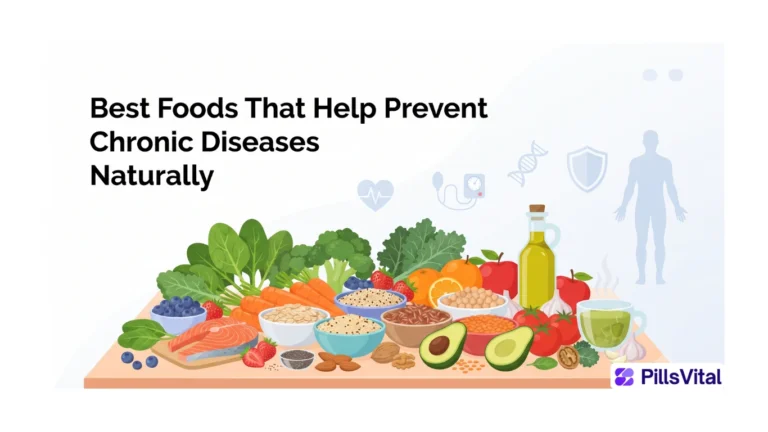
Chronic diseases such as heart disease, type 2 diabetes, obesity, stroke, and certain cancers are responsible for millions of deaths every year. While genetics and age play a role, your daily food choices have one of the biggest impacts on long-term health.
Eating nutrient-rich whole foods can lower inflammation, improve blood sugar control, reduce cholesterol, strengthen immunity, and help maintain a healthy weight. Over time, these benefits significantly reduce the risk of developing many chronic illnesses.
In this guide, you’ll discover the best foods that help prevent chronic diseases, why they work, and how to include them in your daily diet.
Learning What Are Chronic Diseases? Types, Causes, Symptoms & Prevention can help you understand why healthy eating plays such an important role in long-term disease prevention.
Why Diet Matters in Chronic Disease Prevention
Your body constantly repairs damaged cells, fights inflammation, and regulates hormones. These processes depend on nutrients from your diet.
For evidence-based dietary recommendations, visit the World Health Organization Healthy Diet guide to learn how healthy eating helps prevent chronic diseases.
A diet rich in vegetables, fruits, whole grains, healthy fats, and lean proteins provides antioxidants, vitamins, minerals, fiber, and healthy fats that protect against disease.
Poor dietary habits, on the other hand, increase the risk of:
- Heart disease
- High blood pressure
- Type 2 diabetes
- Obesity
- Fatty liver disease
- Kidney disease
- Some cancers
- Cognitive decline
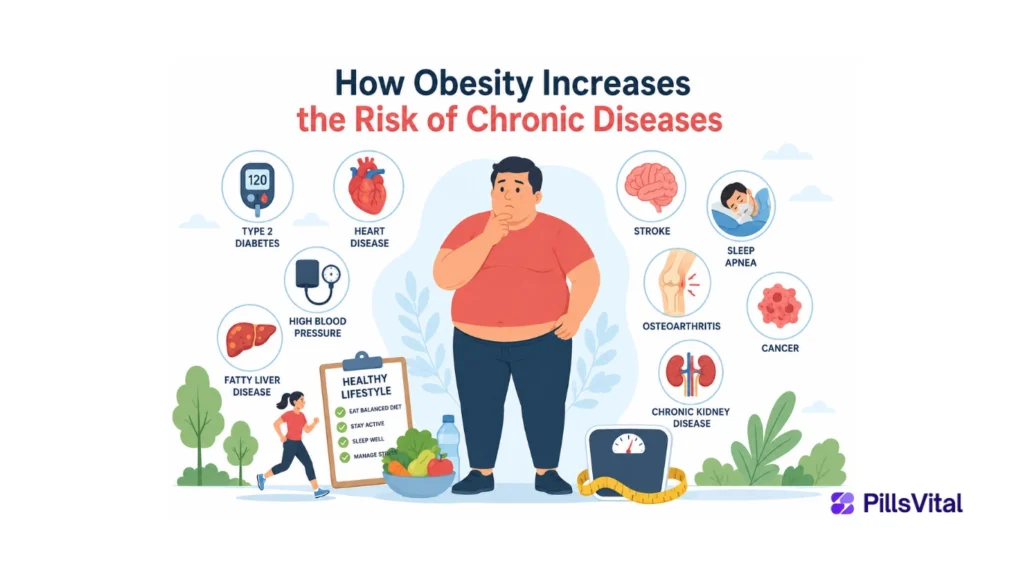
Maintaining a balanced diet is especially important if you’re concerned about excess weight. Learn more in How Obesity Increases the Risk of Chronic Diseases.
1. Leafy Green Vegetables
Examples include:
- Spinach
- Kale
- Swiss chard
- Collard greens
- Fenugreek leaves
Leafy greens contain:
- Vitamin K
- Folate
- Magnesium
- Iron
- Antioxidants
- Fiber
Health Benefits
Regular consumption may help:
- Lower blood pressure
- Improve heart health
- Reduce inflammation
- Protect brain function
- Support healthy aging
Aim for at least one serving of leafy greens every day.
2. Berries
Excellent choices include:
- Blueberries
- Strawberries
- Blackberries
- Raspberries
Berries are packed with anthocyanins and vitamin C.
Research suggests berries may help:
- Improve insulin sensitivity
- Reduce oxidative stress
- Lower inflammation
- Protect blood vessels
- Support brain health
Fresh or frozen berries provide similar nutritional benefits.
3. Whole Grains
Replace refined carbohydrates with:
- Oats
- Brown rice
- Quinoa
- Whole wheat
- Barley
Whole grains provide:
- Dietary fiber
- B vitamins
- Magnesium
- Plant protein
Benefits
Whole grains may:
- Reduce diabetes risk
- Improve digestion
- Lower cholesterol
- Promote healthy weight management
- Reduce heart disease risk
4. Fatty Fish
Best options include:
- Salmon
- Sardines
- Mackerel
- Trout
These fish contain omega-3 fatty acids that support:
- Heart health
- Brain function
- Eye health
- Reduced inflammation
Experts recommend eating fatty fish at least twice per week.
5. Nuts and Seeds
Healthy options include:
- Almonds
- Walnuts
- Pistachios
- Chia seeds
- Flaxseeds
- Pumpkin seeds
Benefits include:
- Lower LDL cholesterol
- Better blood sugar control
- Increased satiety
- Healthy weight maintenance
Remember that nuts are calorie-dense, so moderation is important.
6. Beans and Lentils
Legumes are rich in:
- Plant protein
- Fiber
- Iron
- Folate
- Potassium
Regular intake supports:
- Blood sugar management
- Heart health
- Weight loss
- Digestive health
Examples:
- Chickpeas
- Kidney beans
- Black beans
- Lentils
- Soybeans
7. Colorful Vegetables
Eat a rainbow of vegetables including:
- Carrots
- Bell peppers
- Tomatoes
- Broccoli
- Cauliflower
- Sweet potatoes
Different colors provide different antioxidants that protect cells from damage.
8. Fruits Rich in Vitamin C
Choose fruits such as:
- Oranges
- Kiwi
- Guava
- Papaya
- Pineapple
Vitamin C supports:
- Immune health
- Skin repair
- Collagen production
- Antioxidant defense
9. Olive Oil
Extra virgin olive oil contains healthy monounsaturated fats and polyphenols.
Benefits include:
- Reduced inflammation
- Improved cholesterol levels
- Better heart health
- Lower cardiovascular risk
Replace butter or processed oils with olive oil whenever possible.
10. Fermented Foods
Healthy gut bacteria influence immunity, metabolism, and inflammation.
Good options include:
- Yogurt
- Kefir
- Kimchi
- Sauerkraut
- Fermented vegetables
These foods support a balanced gut microbiome.
11. Garlic and Onions
Garlic contains allicin, while onions contain quercetin.
Potential benefits include:
- Lower blood pressure
- Better cholesterol levels
- Reduced inflammation
- Improved immune function
12. Green Tea
Green tea is rich in catechins that may help:
- Reduce inflammation
- Improve metabolism
- Protect the heart
- Support healthy aging
Limit added sugar if purchasing bottled varieties.
Foods That Increase Chronic Disease Risk
Limiting certain foods is just as important as eating healthy ones.
Try to reduce:
- Sugary beverages
- Processed meats
- Deep-fried foods
- Excess alcohol
- Highly processed snacks
- Refined carbohydrates
- Foods high in trans fats
These foods contribute to inflammation, obesity, insulin resistance, and cardiovascular disease.
Sample One-Day Disease Prevention Meal Plan
Breakfast
- Oatmeal with blueberries
- Walnuts
- Green tea
Mid-Morning Snack
- Apple
- Almonds
Lunch
- Grilled salmon
- Brown rice
- Mixed vegetables
- Salad with olive oil dressing
Afternoon Snack
- Greek yogurt
- Chia seeds
Dinner
- Lentil soup
- Whole-grain bread
- Steamed broccoli
- Mixed fruit
You can explore healthy eating recommendations and nutrition guidance from the CDC Healthy Eating resource to support long-term wellness.
Additional Lifestyle Habits That Work Alongside Healthy Eating
Food is only one part of disease prevention.
You should also:
- Exercise at least 150 minutes each week.
- Sleep 7–9 hours every night.
- Maintain a healthy weight.
- Manage stress effectively.
- Avoid smoking.
- Limit alcohol intake.
- Stay hydrated.
- Schedule regular health checkups.
Quality sleep plays a vital role in overall health. Discover more in The Link Between Poor Sleep and Chronic Diseases.
How Chronic Inflammation Leads to Disease
Inflammation is the body’s natural response to injury and infection. While short-term inflammation helps the body heal, chronic inflammation can quietly damage healthy tissues over time. This ongoing inflammatory process is associated with conditions such as heart disease, type 2 diabetes, arthritis, certain cancers, and Alzheimer’s disease.
Many processed foods high in refined sugars, unhealthy fats, and sodium may increase inflammation. In contrast, foods rich in antioxidants, fiber, omega-3 fatty acids, and phytonutrients help reduce inflammatory markers and protect cells from damage. Choosing anti-inflammatory foods consistently is one of the most effective ways to support long-term health.
Looking to achieve and maintain a healthy weight? Browse our Weight Loss category for evidence-based advice.
Key Nutrients That Help Prevent Chronic Diseases
Instead of focusing only on individual foods, it’s important to understand the nutrients that provide disease-fighting benefits.
For science-backed nutrition information, the Harvard T.H. Chan School of Public Health Nutrition Source provides detailed articles on healthy foods, dietary patterns, and disease prevention.
Fiber
Dietary fiber helps:
- Lower LDL (bad) cholesterol
- Improve digestion
- Support healthy gut bacteria
- Control blood sugar levels
- Promote fullness for weight management
Good sources include oats, beans, lentils, fruits, vegetables, and whole grains.
Omega-3 Fatty Acids
Omega-3 fats help reduce inflammation and support:
- Heart health
- Brain function
- Eye health
- Joint mobility
They are found in salmon, sardines, walnuts, chia seeds, and flaxseeds.
Antioxidants
Antioxidants protect the body’s cells from oxidative stress caused by free radicals.
Foods rich in antioxidants include:
- Berries
- Spinach
- Tomatoes
- Dark chocolate (in moderation)
- Green tea
- Nuts
Potassium
Potassium helps regulate blood pressure by balancing sodium levels.
Good sources include:
- Bananas
- Sweet potatoes
- Avocados
- Beans
- Yogurt
- Spinach
Foods That Support Specific Chronic Diseases
For Heart Disease Prevention
Choose:
- Oats
- Olive oil
- Salmon
- Walnuts
- Avocados
- Leafy greens
These foods help lower cholesterol, improve circulation, and reduce inflammation.
The American Heart Association Nutrition resource offers practical tips for building a heart-healthy diet and reducing the risk of cardiovascular disease.
For Type 2 Diabetes Prevention
Focus on foods with a low glycemic index such as:
- Beans
- Lentils
- Oats
- Brown rice
- Non-starchy vegetables
- Greek yogurt
These foods help stabilize blood sugar and improve insulin sensitivity.
For High Blood Pressure
The DASH eating pattern emphasizes:
- Fruits
- Vegetables
- Whole grains
- Low-fat dairy
- Nuts
- Seeds
Reducing sodium while increasing potassium-rich foods supports healthy blood pressure.
For Healthy Weight Management
Foods that keep you feeling full longer include:
- Eggs
- Greek yogurt
- Beans
- Oatmeal
- Apples
- Vegetables
- Lean chicken
- Fish
These nutrient-dense foods help reduce overeating and support sustainable weight loss.
Healthy Cooking Methods Matter
Even healthy ingredients can lose some benefits if prepared using unhealthy cooking techniques.
Choose healthier methods such as:
- Steaming
- Baking
- Grilling
- Roasting
- Stir-frying with minimal oil
- Air frying
Limit deep-frying, excessive butter, and processed sauces that add unnecessary calories, saturated fats, and sodium.
Simple Ways to Eat More Disease-Fighting Foods
Healthy eating doesn’t have to be complicated. Small daily changes can make a significant difference over time.
Try these practical tips:
- Add vegetables to every lunch and dinner.
- Replace sugary drinks with water or unsweetened tea.
- Snack on fresh fruit instead of candy.
- Choose whole-grain bread instead of white bread.
- Include beans in soups, salads, or curries.
- Eat fish twice each week.
- Keep healthy snacks like nuts available.
- Fill half your plate with vegetables at each meal.
Consistency is more important than perfection.
If you’re looking for reliable information about vitamins, minerals, and supplements, the National Institutes of Health Office of Dietary Supplements is an excellent evidence-based resource.
Common Nutrition Mistakes That Increase Disease Risk
Many people unintentionally make dietary choices that can raise their risk of chronic illness.
Avoid these common mistakes:
- Skipping breakfast regularly
- Drinking sugary beverages every day
- Eating too many processed snacks
- Not consuming enough vegetables
- Choosing refined grains over whole grains
- Eating oversized portions
- Ignoring food labels
- Consuming excessive sodium
- Eating too little fiber
- Depending heavily on fast food
Making gradual improvements is often more sustainable than making drastic changes.
Signs Your Diet May Need Improvement
Your eating habits may need attention if you frequently experience:
- Low energy throughout the day
- Frequent sugar cravings
- Constipation
- Weight gain
- High cholesterol
- Elevated blood sugar
- High blood pressure
- Poor sleep quality
Improving your diet can often lead to gradual improvements in overall health and well-being.
Healthy Eating Myths Debunked
Myth 1: Healthy food is always expensive.
Many affordable options—such as beans, lentils, oats, frozen vegetables, and seasonal fruits—are highly nutritious and budget-friendly.
Myth 2: Carbohydrates are bad.
Whole-food carbohydrates like oats, quinoa, fruits, and vegetables provide essential nutrients and fiber. It’s refined carbohydrates that should be limited.
Myth 3: You need expensive superfoods.
Common foods like spinach, beans, apples, carrots, and oats offer excellent nutritional value without a high price tag.
Myth 4: One superfood can prevent disease.
No single food can prevent chronic diseases. A balanced dietary pattern combined with regular physical activity, adequate sleep, and other healthy lifestyle habits offers the greatest protection.
❓ FAQs
What foods are best for preventing chronic diseases?
Leafy greens, berries, whole grains, fish, nuts, seeds, legumes, colorful vegetables, fruits, olive oil, and fermented foods are among the healthiest choices.
Can diet alone prevent chronic diseases?
Diet greatly lowers risk, but combining healthy eating with exercise, quality sleep, stress management, and avoiding tobacco offers the strongest protection.
Which diet is considered healthiest?
The Mediterranean-style diet is consistently associated with lower rates of heart disease, diabetes, stroke, and several chronic conditions.
How much fruit and vegetables should I eat daily?
Most health organizations recommend at least five servings of fruits and vegetables each day.
Are supplements better than healthy foods?
Whole foods provide fiber and beneficial plant compounds that supplements cannot fully replace. Supplements should only be used when recommended by a healthcare professional.
Final Thoughts
There is no single “superfood” that prevents chronic diseases. Long-term health comes from consistently eating a balanced, nutrient-rich diet combined with regular physical activity, quality sleep, stress management, and maintaining a healthy weight.
Small changes—such as replacing processed snacks with fruit, choosing whole grains over refined grains, and adding more vegetables to every meal—can significantly reduce your lifetime risk of chronic illnesses.
The best prevention strategy is not a temporary diet but a sustainable healthy lifestyle practiced every day.
Explore more articles on prevention, treatment, and healthy living in our Chronic Diseases category.
Related Health Resources
-
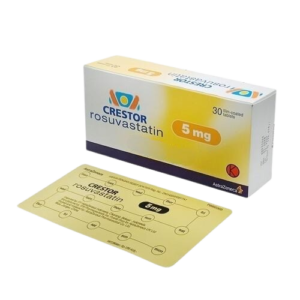
Rosuvastatin 5mg (Crestor) Tablets
$78.00 – $150.00Price range: $78.00 through $150.00 This product has multiple variants. The options may be chosen on the product page -
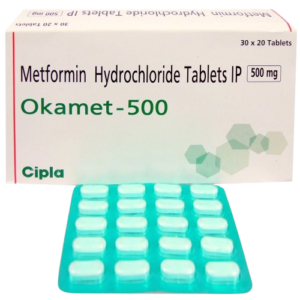
Metformin 500mg (Okamet) Tablets
$48.00 – $92.00Price range: $48.00 through $92.00 This product has multiple variants. The options may be chosen on the product page -
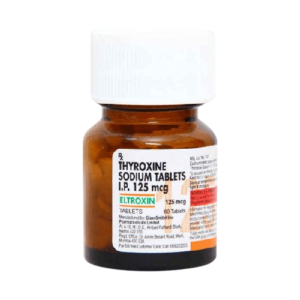
Thyroxine 125mcg (Eltroxin) Tablets
$40.00 – $112.00Price range: $40.00 through $112.00 This product has multiple variants. The options may be chosen on the product page -

Asthalin Respirator Solution 15ml (Salbutamol)
$15.00 – $41.00Price range: $15.00 through $41.00 This product has multiple variants. The options may be chosen on the product page
🩺 Related Guides


Dr. Emily Carter specializes in evidence-based health education and wellness content. She focuses on simplifying complex medical topics related to cancer awareness, nutrition, preventive healthcare, skincare, and lifestyle wellness for readers worldwide.
This content is reviewed for medical accuracy, clarity, and alignment with current public health research. The article is intended for educational and informational purposes only and should not replace professional medical advice, diagnosis, or treatment.