
How Poor Sleep Increases Your Risk of Chronic Diseases (Causes, Symptoms & Prevention)
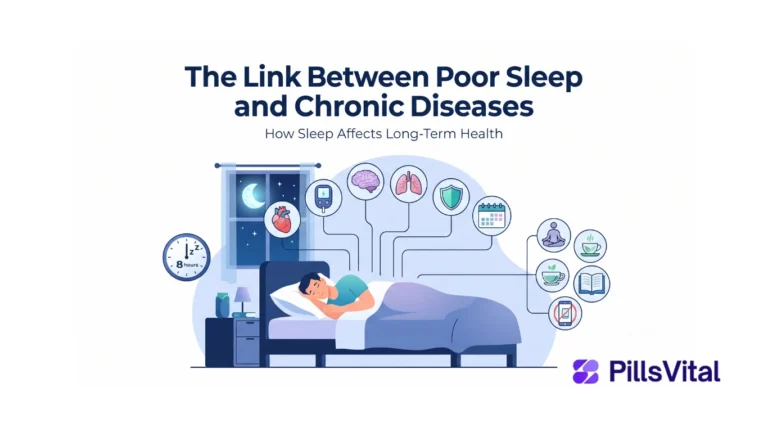
Many people treat sleep as something they can sacrifice to meet work deadlines, watch one more episode, or scroll through social media. Missing a few hours of sleep may not seem harmful at first, but consistently poor sleep can have long-term effects on your health.
Research has shown that inadequate or poor-quality sleep doesn’t simply leave you feeling tired—it can increase your risk of developing several chronic diseases, including heart disease, type 2 diabetes, obesity, depression, and even certain immune-related conditions.
Sleep is one of the body’s most important recovery mechanisms. During sleep, your brain processes memories, hormones are balanced, tissues repair themselves, and your immune system becomes stronger. When sleep is disrupted night after night, these essential functions begin to break down.
In this guide, you’ll learn how poor sleep affects your body, why it contributes to chronic diseases, warning signs to watch for, and practical ways to improve your sleep for better long-term health.
According to the National Sleep Foundation, most healthy adults should aim for 7–9 hours of quality sleep each night to support physical health, cognitive function, and overall well-being.
Why Sleep Is Essential for Overall Health
Sleep isn’t simply a period of rest. It’s an active biological process that helps regulate almost every system in your body.
During healthy sleep, your body:
- Repairs damaged tissues
- Balances blood sugar
- Regulates blood pressure
- Produces important hormones
- Strengthens immunity
- Supports memory and concentration
- Removes waste products from the brain
Adults generally need 7–9 hours of quality sleep each night. Consistently sleeping less than this—or experiencing poor-quality sleep—can gradually increase disease risk.
Related Guide: Learn how everyday habits affect long-term health in Healthy Lifestyle Habits That Prevent Chronic Diseases.
How Poor Sleep Contributes to Chronic Diseases
Poor sleep affects nearly every organ in the body.
Instead of recovering overnight, the body remains in a prolonged state of stress.
Some important biological changes include:
- Increased inflammation
- Elevated cortisol (stress hormone)
- Reduced insulin sensitivity
- Higher blood pressure
- Increased appetite hormones
- Reduced immune function
Over months and years, these changes contribute to chronic illness.
1. Poor Sleep and Heart Disease
Your cardiovascular system relies on healthy sleep.
When sleep is consistently disrupted:
- Blood pressure stays elevated
- Heart rate remains higher overnight
- Blood vessels become inflamed
- Risk of plaque buildup increases
Over time, this raises the likelihood of:
- Heart attack
- Stroke
- High blood pressure
- Coronary artery disease
People sleeping fewer than six hours regularly have a significantly greater cardiovascular risk than those getting adequate sleep.
The American Heart Association notes that healthy sleep is an important component of cardiovascular health and may help reduce the risk of conditions such as high blood pressure, heart disease, and stroke when combined with other healthy lifestyle habits.
2. Poor Sleep and Type 2 Diabetes
Sleep directly affects blood sugar regulation.
When sleep is restricted:
- Cells respond less effectively to insulin.
- Blood glucose levels rise.
- Hunger hormones increase.
- Cravings for sugary foods become stronger.
These changes may eventually contribute to insulin resistance and type 2 diabetes.
The Centers for Disease Control and Prevention (CDC) highlights that insufficient sleep can affect insulin sensitivity and blood sugar regulation, making quality sleep an important part of diabetes prevention and management.
3. Poor Sleep and Obesity
Many people assume weight gain is only about calories.
However, inadequate sleep changes hormones that regulate hunger.
Poor sleep increases:
- Ghrelin (hunger hormone)
- Late-night snacking
- Cravings for processed foods
- Fat storage
Meanwhile, leptin—the hormone that signals fullness—decreases.
This combination often leads to overeating.
4. Poor Sleep Weakens the Immune System
Your immune system becomes more active while you sleep.
Without enough sleep:
- White blood cells function less effectively.
- Recovery from illness slows.
- Vaccines may produce a weaker immune response.
- Infections become more common.
Long-term inflammation also contributes to chronic diseases.
5. Poor Sleep and Mental Health
Sleep and mental health influence each other.
Poor sleep may contribute to:
- Anxiety
- Depression
- Mood swings
- Poor concentration
- Memory problems
People experiencing chronic insomnia often have a higher risk of developing mental health disorders.
6. Sleep and Chronic Pain
Many people with arthritis, back pain, or fibromyalgia experience poor sleep.
Unfortunately, inadequate sleep also increases pain sensitivity.
This creates a cycle:
Pain → Poor Sleep → Increased Pain → Worse Sleep
Breaking this cycle often requires improving sleep habits alongside medical treatment.
7. Poor Sleep and Alzheimer's Disease
Emerging research suggests healthy sleep helps clear waste proteins from the brain.
Poor sleep may contribute to accumulation of proteins associated with cognitive decline.
Although more research is ongoing, maintaining healthy sleep appears important for long-term brain health.
Signs Your Sleep May Be Affecting Your Health
Watch for symptoms such as:
- Waking up tired
- Difficulty concentrating
- Frequent headaches
- Mood changes
- High blood pressure
- Weight gain
- Frequent illness
- Falling asleep during the day
- Memory problems
These signs may indicate that your sleep quality needs attention.
Common Causes of Poor Sleep
Several lifestyle and medical factors can interfere with healthy sleep, including:
- Stress
- Anxiety
- Depression
- Excess caffeine
- Alcohol before bedtime
- Irregular sleep schedules
- Shift work
- Screen time before bed
- Sleep apnea
- Chronic pain
If poor sleep continues despite healthy habits, it’s important to seek professional evaluation.
How to Improve Sleep Naturally
Improving your sleep doesn’t always require medication. In many cases, simple lifestyle changes can significantly enhance both the quality and duration of your sleep. Developing healthy sleep habits—often called sleep hygiene—can help your body maintain a consistent sleep-wake cycle, making it easier to fall asleep, stay asleep, and wake up feeling refreshed.
Here are some evidence-based ways to improve your sleep naturally.
1. Maintain a Consistent Sleep Schedule
Your body follows a natural internal clock known as the circadian rhythm, which regulates when you feel sleepy and when you feel alert. Going to bed and waking up at different times every day can disrupt this rhythm, making it harder to get quality sleep.
Try to:
- Go to bed at the same time every night.
- Wake up at the same time every morning, including weekends.
- Avoid sleeping in for long periods after a late night.
- Allow yourself 7–9 hours of sleep each night.
Consistency helps your body know when it’s time to sleep and when it’s time to wake up, improving sleep quality over time.
2. Reduce Screen Time Before Bed
Smartphones, tablets, computers, and televisions emit blue light, which can interfere with your body’s production of melatonin, the hormone that signals it’s time to sleep.
To reduce this effect:
- Stop using electronic devices at least 60 minutes before bedtime.
- Turn on blue light filters if you must use screens in the evening.
- Replace screen time with relaxing activities like reading a book or listening to calming music.
- Avoid checking work emails or social media just before bed, as they may increase stress and mental stimulation.
Creating a screen-free bedtime routine helps your brain transition more naturally into sleep.
3. Create a Sleep-Friendly Bedroom
Your sleeping environment plays a major role in how well you rest. A bedroom designed for sleep can reduce nighttime awakenings and help you fall asleep more quickly.
Aim to keep your bedroom:
- Cool: A slightly cool room (around 16–19°C or 60–67°F for many adults) is often more comfortable for sleep.
- Quiet: Use earplugs, a white noise machine, or a fan if outside noise is disruptive.
- Dark: Block outside light with blackout curtains or wear an eye mask if necessary.
- Comfortable: Invest in a supportive mattress and pillows that suit your sleeping position.
It’s also helpful to reserve your bed primarily for sleep so your brain associates it with rest rather than work or entertainment.
4. Exercise Regularly
Regular physical activity can help you fall asleep faster, spend more time in deep sleep, and improve overall sleep quality. Exercise also helps reduce stress and anxiety, which are common causes of poor sleep.
Good options include:
- Brisk walking
- Cycling
- Swimming
- Yoga
- Strength training
Aim for at least 150 minutes of moderate-intensity exercise each week.
However, avoid vigorous workouts within two to three hours of bedtime, as they may temporarily increase your heart rate and make it harder to fall asleep.
5. Limit Caffeine and Other Stimulants
Caffeine is a stimulant that can remain in your body for several hours. Even if you don’t notice immediate effects, consuming caffeine too late in the day may interfere with your ability to fall asleep or stay asleep.
To improve sleep:
- Avoid coffee, tea, energy drinks, and caffeinated soft drinks in the late afternoon and evening.
- Check labels on chocolate, supplements, and some medications, as they may also contain caffeine.
- If you’re sensitive to caffeine, consider limiting your total daily intake.
Switching to herbal tea or water later in the day may help support better sleep.
6. Practice Relaxation Techniques Before Bed
Stress and racing thoughts are among the most common reasons people struggle to fall asleep. Establishing a relaxing bedtime routine signals to your body that it’s time to wind down.
Consider trying:
- Deep breathing exercises
- Progressive muscle relaxation
- Gentle stretching
- Meditation or mindfulness
- Reading a printed book
- Listening to calming music
- Writing in a gratitude or journal notebook
Even spending 15–20 minutes on a relaxing activity before bed can improve sleep quality over time.
7. Watch What You Eat Before Bed
Eating large, heavy meals close to bedtime can cause discomfort, indigestion, or acid reflux, making it harder to sleep.
For better rest:
- Finish dinner at least two to three hours before bedtime.
- Avoid spicy or fatty foods late at night.
- If you’re hungry, choose a light snack such as yogurt, a banana, or a handful of nuts.
Limiting alcohol before bed is also important. While alcohol may initially make you feel sleepy, it can disrupt normal sleep cycles and reduce sleep quality.
8. Manage Stress During the Day
Daily stress often carries over into bedtime, making it difficult to relax. Managing stress throughout the day can improve both mental well-being and sleep.
Helpful strategies include:
- Taking short breaks during work.
- Practicing mindfulness.
- Spending time outdoors.
- Talking with friends or family.
- Keeping a regular routine.
- Seeking professional support if stress becomes overwhelming.
Reducing daytime stress often leads to more restful nights.
When to Seek Medical Advice
If you’ve practiced healthy sleep habits for several weeks but still experience ongoing sleep problems, it’s important to speak with a healthcare professional.
Seek medical evaluation if you:
- Have difficulty falling asleep or staying asleep for more than three months.
- Snore loudly or stop breathing during sleep.
- Feel excessively sleepy during the day despite getting enough sleep.
- Wake up gasping for air.
- Frequently wake with headaches or dry mouth.
Persistent sleep problems may be caused by conditions such as sleep apnea, chronic insomnia, or restless legs syndrome, which often require proper diagnosis and treatment.
When Should You See a Healthcare Professional?
Seek medical advice if you experience:
- Loud snoring
- Pauses in breathing during sleep
- Persistent insomnia
- Extreme daytime fatigue
- Sleep problems lasting more than three months
- Falling asleep while driving or working
Conditions such as sleep apnea, restless legs syndrome, and chronic insomnia often require medical treatment.
❓ FAQs
Can poor sleep really cause chronic diseases?
Poor sleep alone may not directly cause disease, but it can significantly increase the risk of developing conditions such as heart disease, type 2 diabetes, obesity, and high blood pressure.
How many hours of sleep should adults get?
Most healthy adults should aim for 7–9 hours of quality sleep each night.
Can improving sleep reduce disease risk?
Improving sleep may help regulate blood pressure, blood sugar, weight, immune function, and overall health, reducing the risk of chronic disease over time.
Is sleeping too much unhealthy?
Regularly sleeping much longer than recommended may also be associated with certain health conditions. If you consistently need excessive sleep, consult a healthcare professional.
Conclusion
Quality sleep is one of the most powerful yet often overlooked pillars of long-term health. Consistently poor sleep can affect nearly every system in the body, increasing the risk of heart disease, type 2 diabetes, obesity, weakened immunity, chronic pain, and mental health concerns.
The good news is that improving sleep habits is a practical step many people can take to support overall well-being. Establishing a regular sleep schedule, creating a restful sleep environment, and addressing persistent sleep problems with a healthcare professional can help protect your health over time.
For additional evidence-based information on healthy sleep and chronic disease prevention, visit the World Health Organization (WHO), which provides global guidance on promoting healthier lifestyles and reducing the burden of noncommunicable diseases.
New to this topic? Start with our complete guide What Are Chronic Diseases? Types, Causes, Symptoms & Prevention, to understand the different types of chronic conditions, their risk factors, common symptoms, and practical prevention strategies.
Related Health Resources
-

Rosuvastatin 5mg (Crestor) Tablets
$78.00 – $150.00Price range: $78.00 through $150.00 This product has multiple variants. The options may be chosen on the product page -
Metformin 500mg (Okamet) Tablets
$48.00 – $92.00Price range: $48.00 through $92.00 This product has multiple variants. The options may be chosen on the product page -

Thyroxine 125mcg (Eltroxin) Tablets
$40.00 – $112.00Price range: $40.00 through $112.00 This product has multiple variants. The options may be chosen on the product page -

Asthalin Respirator Solution 15ml (Salbutamol)
$15.00 – $41.00Price range: $15.00 through $41.00 This product has multiple variants. The options may be chosen on the product page
🩺 Related Guides


Dr. Emily Carter specializes in evidence-based health education and wellness content. She focuses on simplifying complex medical topics related to cancer awareness, nutrition, preventive healthcare, skincare, and lifestyle wellness for readers worldwide.
This content is reviewed for medical accuracy, clarity, and alignment with current public health research. The article is intended for educational and informational purposes only and should not replace professional medical advice, diagnosis, or treatment.