🚚 Worldwide Shipping | πŸ”’ Secure Checkout | πŸ’¬ 24/7 Support

Welcome to PillsVital β€” Essential Care, Trusted Globally

Contact Us

+1 (354) 200-7417

Email Support

pillsvital8@gmail.com

Our Location

United States

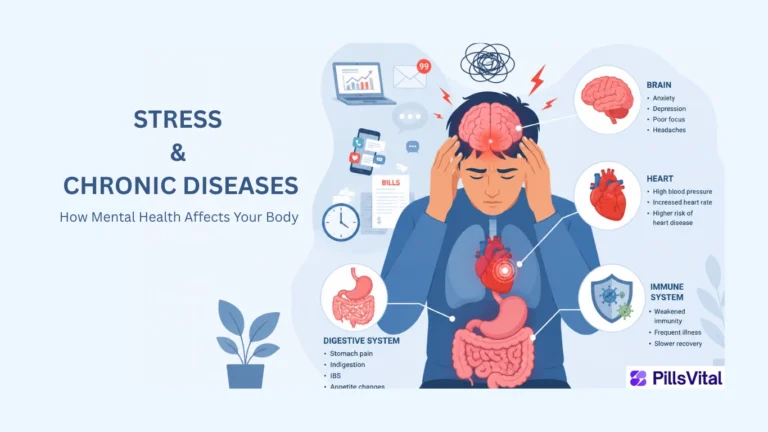
Flat vector illustration showing how chronic stress affects the brain, heart, digestive system, immune system, and overall health.

Most people think of stress as an emotional problem. Feeling overwhelmed, anxious, or exhausted seems like something that only affects the mind. However, medical research shows that chronic stress affects nearly every organ in the body, increasing the risk of heart disease, diabetes, obesity, digestive disorders, weakened immunity, and even certain cancers.

Your body is designed to handle short-term stress. The problem begins when stress becomes a daily part of life. Constant deadlines, financial pressure, poor sleep, unhealthy eating, and emotional struggles keep your body’s stress response activated for weeks, months, or even years.

Understanding the connection between stress and chronic diseases is the first step toward protecting both your mental and physical health.

What Is Stress?

Stress is your body’s natural response to challenges or threats. When faced with danger, your brain activates the fight-or-flight response, releasing hormones such as:

  • Cortisol
  • Adrenaline
  • Noradrenaline

These hormones temporarily increase:

  • Heart rate
  • Blood pressure
  • Blood sugar
  • Energy production

This response is helpful during emergencies but becomes harmful when activated continuously.

According to the World Health Organization (WHO), mental health is a fundamental part of overall health and well-being, influencing how people think, feel, and cope with everyday stress.

Acute Stress vs Chronic Stress

Acute StressChronic Stress
Short-termLong-lasting
Helpful survival responseHarmful to health
Resolves quicklyPersists for months or years
Body recovers normallyBody stays in “high alert” mode

Chronic stress is the type most strongly linked with long-term diseases.

How Stress Affects Your Body

1. Brain

Long-term stress changes brain chemistry.

Possible effects include:

  • Anxiety
  • Depression
  • Poor concentration
  • Memory problems
  • Mood swings
  • Sleep disturbances

High cortisol levels may even shrink areas of the brain involved in memory.

2. Heart

Stress causes:

  • Elevated blood pressure
  • Increased heart rate
  • Blood vessel inflammation
  • Higher cholesterol levels

Over time this increases the risk of:

  • Heart attack
  • Stroke
  • Coronary artery disease

3. Immune System

Initially stress stimulates immunity.

Long-term stress suppresses immune function, making it harder for your body to fight:

  • Viruses
  • Bacteria
  • Fungal infections

People under chronic stress often get sick more frequently and recover more slowly.

4. Digestive System

Stress affects communication between the brain and gut.

Symptoms include:

  • Acid reflux
  • Indigestion
  • IBS
  • Constipation
  • Diarrhea
  • Stomach pain

Many digestive disorders worsen during stressful periods.

5. Hormones

Persistent cortisol imbalance affects:

  • Thyroid function
  • Sex hormones
  • Insulin
  • Appetite hormones

This may contribute to:

  • Weight gain
  • Fatigue
  • Irregular menstrual cycles
  • Reduced fertility

6. Muscles

Stress causes constant muscle tension leading to:

  • Neck pain
  • Back pain
  • Headaches
  • Migraines

Chronic Diseases Linked to Long-Term Stress

Heart Disease

Stress contributes to:

  • High blood pressure
  • Chronic inflammation
  • Unhealthy lifestyle habits

Together these significantly increase cardiovascular disease risk.

Type 2 Diabetes

Stress hormones increase blood sugar.

Long-term exposure may contribute to:

  • Insulin resistance
  • Poor glucose control
  • Increased diabetes risk

Obesity

Many people respond to stress by eating foods high in:

  • Sugar
  • Salt
  • Fat

Stress also increases cravings and abdominal fat storage.

Read more: How Obesity Increases The Risk Of Chronic Diseases

Sleep Disorders

Poor sleep increases stress.

Stress causes poor sleep.

This creates a dangerous cycle that raises chronic disease risk.

Related Reading: How Poor Sleep Increases The Risk Of Chronic Diseases

Depression and Anxiety

Mental illness and chronic disease often occur together.

People with chronic illnesses experience higher rates of:

  • Anxiety
  • Depression
  • Emotional exhaustion

Similarly, untreated depression increases the likelihood of developing physical illness.

The National Institute of Mental Health (NIMH) recommends seeking professional support when ongoing stress begins to interfere with daily activities, relationships, sleep, or overall quality of life.

Cancer

Stress alone does not directly cause cancer.

However, chronic stress may contribute indirectly by:

  • Weakening immunity
  • Increasing inflammation
  • Encouraging unhealthy habits
  • Affecting recovery

The Centers for Disease Control and Prevention (CDC) states that chronic diseases such as heart disease, diabetes, and cancer are among the leading causes of death and disability and are often linked to preventable risk factors.

Warning Signs Your Stress May Be Affecting Your Health

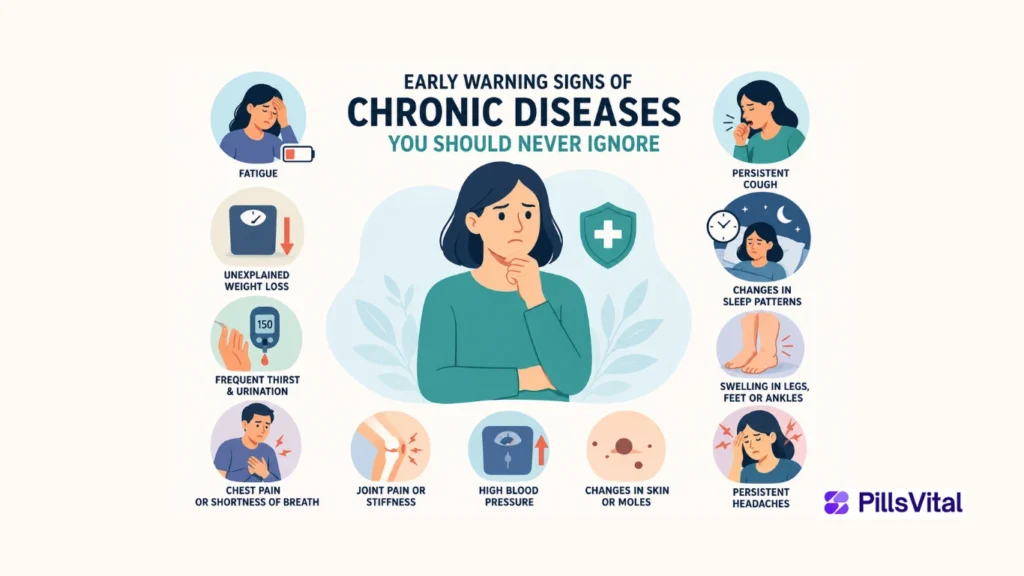
Watch for symptoms including:

  • Constant fatigue
  • Frequent headaches
  • Digestive problems
  • Chest tightness
  • High blood pressure
  • Difficulty sleeping
  • Mood swings
  • Frequent illness
  • Weight changes
  • Brain fog

If symptoms persist, consult a healthcare professional.

The Science Behind Cortisol

Cortisol is often called the “stress hormone.”

Healthy cortisol follows a daily rhythm:

Morning: Highest levels

Evening: Lowest levels

Chronic stress disrupts this rhythm.

High cortisol contributes to:

  • Belly fat
  • Muscle loss
  • Insulin resistance
  • High blood pressure
  • Sleep problems
  • Chronic inflammation

Lifestyle Habits That Reduce Stress Naturally

Exercise Regularly

Physical activity lowers cortisol while increasing:

  • Endorphins
  • Dopamine
  • Serotonin

Aim for:

  • 150 minutes of moderate exercise weekly

Improve Sleep

Adults should aim for:

  • 7–9 hours every night

Better sleep improves:

  • Immune health
  • Mood
  • Heart health
  • Blood sugar regulation

Practice Mindfulness

Research shows meditation can:

  • Lower cortisol
  • Reduce anxiety
  • Improve concentration
  • Enhance emotional resilience

Try:

  • Deep breathing
  • Yoga
  • Guided meditation
  • Mindfulness exercises

Eat an Anti-Inflammatory Diet

Focus on:

  • Vegetables
  • Fruits
  • Whole grains
  • Fish
  • Nuts
  • Olive oil

Limit:

  • Sugary drinks
  • Processed foods
  • Excess alcohol

Stay Socially Connected

Strong relationships reduce stress hormones.

Spend time with:

  • Family
  • Friends
  • Support groups

Limit Caffeine

Too much caffeine may worsen:

  • Anxiety
  • Sleep quality
  • Heart palpitations

Moderation is key.

Seek Professional Help

Persistent stress deserves professional attention.

Consider:

  • Counseling
  • Therapy
  • Cognitive Behavioral Therapy (CBT)
  • Stress management programs

Can Stress Be Completely Eliminated?

No.

Stress is part of life.

The goal is not eliminating stress but building resilience so your body can recover effectively.

Healthy coping strategies make a significant difference in long-term health.

The American Psychological Association (APA) explains that chronic stress can affect nearly every system in the body, including the cardiovascular, immune, digestive, and nervous systems.

When Should You See a Doctor?

Seek medical advice if stress is causing:

  • Panic attacks
  • Persistent insomnia
  • Chest pain
  • Uncontrolled blood pressure
  • Severe anxiety
  • Depression
  • Thoughts of self-harm

Early intervention improves outcomes.

❓ FAQs

Can stress cause chronic diseases?

Long-term stress increases the risk of several chronic conditions, including heart disease, type 2 diabetes, obesity, digestive disorders, and depression. It contributes through hormonal changes, inflammation, unhealthy behaviors, and immune suppression rather than being the sole cause.

Yes. Chronic stress can reduce the effectiveness of the immune system, making you more susceptible to infections and slowing recovery from illness.

Yes. Stress hormones such as cortisol and adrenaline prompt the liver to release glucose into the bloodstream. Persistent stress can make blood sugar harder to control, especially in people with diabetes.

Stress can make it difficult to fall asleep, stay asleep, or achieve restorative sleep. Poor sleep, in turn, increases stress hormones, creating a cycle that negatively affects overall health.

Regular physical activity, quality sleep, mindfulness practices, healthy nutrition, social support, and professional counseling are among the most effective evidence-based strategies for reducing chronic stress.

Conclusion

Stress is more than an emotional burdenβ€”it has measurable effects on your brain, heart, immune system, metabolism, and overall health. While occasional stress is a normal part of life, ongoing stress can increase the risk of developing chronic diseases and worsen existing conditions.

By prioritizing healthy habits such as regular exercise, restorative sleep, balanced nutrition, mindfulness, and seeking help when needed, you can reduce the impact of stress on your body and improve your long-term well-being.

Harvard Health Publishing explains that while the body’s stress response is designed to protect us during short-term challenges, prolonged activation can contribute to long-term health problems.

Related Health Resources
Dr Emily Carter PharmD
Written By
Dr. Emily Carter, PharmD
Medical Content Reviewer & Health Research Writer

Dr. Emily Carter specializes in evidence-based health education and wellness content. She focuses on simplifying complex medical topics related to cancer awareness, nutrition, preventive healthcare, skincare, and lifestyle wellness for readers worldwide.

🩺
Medically Reviewed
Reviewed for Accuracy & Readability
Educational & Informational Health Content

This content is reviewed for medical accuracy, clarity, and alignment with current public health research. The article is intended for educational and informational purposes only and should not replace professional medical advice, diagnosis, or treatment.

Leave a Reply

Your email address will not be published. Required fields are marked *