
Prediabetes vs Type 2 Diabetes: Symptoms, Blood Sugar Levels, Diagnosis and Key Differences
Written By: PillsVital Health Editorial Team
Last Updated: August 2026
Medical Review: August 2026

Your blood sugar is higher than normal—but does that mean you have prediabetes or type 2 diabetes?
A fasting glucose of 110 mg/dL, an A1C of 6.1%, or an A1C of 6.7% can raise very different questions. You may feel perfectly healthy, yet a routine blood test may show that your glucose regulation has changed.
The difference between prediabetes and type 2 diabetes is not determined by symptoms alone. It is primarily determined by blood glucose or A1C results and, in many situations, confirmation of an abnormal result.
Prediabetes is not simply “mild diabetes.” It is a measurable state of abnormal glucose regulation that signals a higher risk of developing type 2 diabetes. Type 2 diabetes represents a level of persistent glucose elevation that meets established diagnostic criteria.
Knowing where your result falls can help you understand what to discuss with your healthcare professional and what follow-up may be appropriate.
Medical disclaimer: This article provides general health information and is not a substitute for medical diagnosis or individualized treatment. Pregnancy, certain medical conditions, medications, and conditions affecting red blood cells can change how glucose or A1C results should be interpreted.
Prediabetes vs Type 2 Diabetes: The Difference in One Look
The most useful distinction is the diagnostic range, not whether you have symptoms.
| Test | Normal | Prediabetes | Diabetes |
|---|---|---|---|
| A1C | Below 5.7% | 5.7%–6.4% | 6.5% or higher |
| Fasting plasma glucose | Below 100 mg/dL | 100–125 mg/dL | 126 mg/dL or higher |
| 2-hour OGTT | Below 140 mg/dL | 140–199 mg/dL | 200 mg/dL or higher |
| Random plasma glucose | — | — | 200 mg/dL or higher with classic symptoms or hyperglycemic crisis |
These thresholds are used for diagnosing diabetes and prediabetes in nonpregnant adults. An isolated abnormal result does not always establish a diabetes diagnosis, particularly when classic symptoms are absent. The diagnostic ranges used for A1C, fasting plasma glucose, and oral glucose tolerance testing are established clinical criteria; the same test can sometimes produce different results from another glucose test, which is why abnormal results may require confirmation.
What Does Prediabetes Actually Mean?
Prediabetes means glucose regulation has moved outside the normal range but has not reached the diagnostic threshold for diabetes.
It is often associated with insulin resistance.
Normally, insulin helps glucose move from the bloodstream into cells. When tissues become less responsive to insulin, the pancreas may compensate by producing more insulin. For a period of time, this can keep glucose from reaching the diabetes range.
Eventually, however, the body’s ability to compensate may become insufficient.
This is why prediabetes can be viewed as an early metabolic warning, rather than simply a slightly abnormal blood test.
Importantly, prediabetes does not guarantee that diabetes will develop.
Some people remain in the prediabetes range for years. Others return to normal glucose levels. Some progress to type 2 diabetes.
What Makes Type 2 Diabetes Different?
Type 2 diabetes is diagnosed when blood glucose reaches established diabetes thresholds.
The underlying biology can be more complicated than simply having “too much sugar.”
Many people with type 2 diabetes have some combination of:
- Insulin resistance
- Reduced insulin-producing capacity
- Increased glucose production by the liver
- Changes in how muscles use glucose
- Genetic susceptibility
- Changes in appetite and energy regulation
The relative contribution of these factors varies from person to person.
This is one reason two people with the same A1C may receive different treatment recommendations.
A1C 5.7, 6.0, 6.4, 6.5 or 6.7: What Do These Numbers Mean?
A1C is one of the most useful tests for understanding longer-term blood glucose exposure. The A1C test measures average blood glucose levels over roughly the previous three months and is commonly used to help diagnose prediabetes and type 2 diabetes.
It does not represent a single momentary blood sugar reading.
A1C below 5.7%
Generally falls within the normal range.
A1C of 5.7%
This is at the lower boundary of the prediabetes range.
A1C of 6.0%
This falls within the prediabetes range.
It does not mean that the person has diabetes.
A1C of 6.4%
This is near the upper end of the prediabetes range.
It indicates a substantially abnormal glucose result that deserves follow-up, but it is still below the A1C diagnostic threshold for diabetes.
A1C of 6.5%
An A1C of 6.5% reaches the diabetes diagnostic threshold.
When a person does not have unequivocal hyperglycemia, the result generally needs appropriate confirmation.
A1C of 6.7%
This is above the diabetes diagnostic threshold and warrants medical evaluation and appropriate confirmation when required.
The important point: A1C does not need to reach 10% or 12% for diabetes to be diagnosed. The diagnostic threshold begins at 6.5%.
Fasting Blood Sugar 125 vs 126: Does One Point Matter?
This is one of the most confusing areas for people who receive blood test results.
Under commonly used diagnostic criteria:
- 125 mg/dL falls within the prediabetes range.
- 126 mg/dL reaches the diabetes threshold.
But this does not mean that a person with 125 mg/dL is completely safe while someone with 126 mg/dL suddenly has diabetes.
Biological risk exists on a continuum.
The diagnostic thresholds provide standardized points for clinical classification.
If someone has a fasting glucose of 126 mg/dL without clear symptoms, a healthcare professional will generally consider confirmation rather than diagnosing diabetes from an isolated result.
Can You Have Diabetes With a Normal Fasting Blood Sugar?
Yes.
This is an important reason why looking at only one glucose measurement can be misleading.
A person’s fasting glucose may not capture abnormal glucose handling after meals.
For example, someone may have a fasting glucose that does not meet the diabetes threshold but have an abnormal A1C or 2-hour oral glucose tolerance test.
Different tests measure different aspects of glucose regulation.
A healthcare professional may therefore use more than one type of test when the clinical picture is unclear.
Prediabetes vs Type 2 Diabetes Symptoms: Can Symptoms Tell You?
Not reliably.
This is one of the biggest misconceptions surrounding prediabetes and diabetes.
Prediabetes frequently has no obvious symptoms.
Type 2 diabetes can also remain unnoticed for a considerable period because glucose may rise gradually.
Possible symptoms of significant hyperglycemia include:
- Increased thirst
- Frequent urination
- Increased hunger
- Fatigue
- Blurred vision
- Unexplained weight loss
- Slow-healing wounds
- Recurrent infections
- Tingling or numbness in the hands or feet
These symptoms do not tell you whether you have prediabetes or diabetes.
Blood testing is required.
Why Can Someone Have Diabetes Without Feeling Sick?
Type 2 diabetes often develops gradually.
A sudden change in blood glucose can produce obvious symptoms, but a gradual increase may be much less noticeable.
The body can adapt to progressively higher glucose levels, meaning a person may continue working, exercising, eating normally, and carrying on with daily activities while having abnormal glucose levels.
This is one reason type 2 diabetes is sometimes discovered during routine laboratory testing.
Feeling healthy is therefore not proof that your glucose is normal.
How Do You Know If You Have Prediabetes or Diabetes?
If you are asking how to tell if you have prediabetes or diabetes, the answer is laboratory testing.
The major diagnostic tests include:
A1C
A1C estimates average blood glucose exposure over the preceding several months.
- Below 5.7%: normal
- 5.7%–6.4%: prediabetes
- 6.5% or higher: diabetes threshold
Fasting Plasma Glucose
Measured after fasting.
- Below 100 mg/dL: normal
- 100–125 mg/dL: prediabetes
- 126 mg/dL or higher: diabetes threshold
Oral Glucose Tolerance Test
A 75-g oral glucose tolerance test measures how the body handles a glucose load.
The 2-hour result is interpreted as:
- Below 140 mg/dL: normal
- 140–199 mg/dL: prediabetes
- 200 mg/dL or higher: diabetes threshold
Random Plasma Glucose
A random glucose of 200 mg/dL or higher can support a diabetes diagnosis when classic symptoms of hyperglycemia or a hyperglycemic crisis are present.
Can One Abnormal Blood Test Diagnose Diabetes?
Sometimes the circumstances matter.
When someone has classic symptoms of hyperglycemia and a clearly elevated random glucose, the diagnosis may be straightforward.
But if a person feels well and an abnormal result is found during routine testing, confirmation is generally required before making a diagnosis.
For example, an A1C of 6.6% should not automatically lead someone to self-diagnose.
A healthcare professional may repeat the A1C or perform another appropriate diagnostic test.
This reduces the possibility of making a diagnosis based on laboratory variation or a result affected by another condition.
What Can Make an A1C Result Misleading?
A1C is useful, but it does not work perfectly in every situation. Conditions that affect red blood cells or hemoglobin can interfere with A1C results, which is one reason an A1C result that does not agree with other glucose measurements may require further evaluation. NIDDK: Factors That Can Affect A1C Results
Because A1C depends on hemoglobin and red blood cell lifespan, conditions affecting red blood cells can alter the result.
Examples can include certain:
- Anemias
- Hemoglobin variants
- Blood disorders
- Recent blood loss
- Blood transfusions
- Conditions affecting red blood cell turnover
In these circumstances, a healthcare professional may rely more heavily on plasma glucose testing.
This is particularly important when an A1C result and glucose results do not appear to agree.
What Causes Prediabetes?
There is rarely one single cause.
Prediabetes can result from a combination of:
- Genetic susceptibility
- Insulin resistance
- Excess body fat
- Physical inactivity
- Increasing age
- Family history
- High blood pressure
- Abnormal blood lipids
- Previous gestational diabetes
- Polycystic ovary syndrome
- Certain medications or medical conditions
A person can develop prediabetes even if they do not fit the stereotype of someone with an unhealthy lifestyle.
Genetics, age, body-fat distribution, sleep, medications, and other biological factors all matter.
Does Having Prediabetes Mean You Will Get Diabetes?
No.
Prediabetes increases the risk of type 2 diabetes, but progression is not guaranteed.
Think of prediabetes as a risk state, not a prediction of your future.
Several outcomes are possible:
Prediabetes → remains stable
Prediabetes → improves to normal glucose regulation
Prediabetes → progresses to type 2 diabetes
The trajectory differs between individuals.
The higher the degree of glucose abnormality and the greater the number of additional risk factors, the more important it becomes to address those risks and maintain appropriate follow-up.
Can Prediabetes Turn Into Type 2 Diabetes?
Yes.
This is one of the most important reasons to take prediabetes seriously.
Progression can occur when insulin resistance increases and the pancreas can no longer produce enough insulin to maintain glucose levels below the diabetes threshold.
However, the process is not necessarily linear.
Someone with prediabetes may improve their glucose levels rather than progressing.
This is why identifying prediabetes creates a valuable opportunity for intervention.
What Happens to the Body During the Transition?
The transition from normal glucose regulation to diabetes is generally gradual rather than an overnight event.
A simplified model looks like this:
Normal insulin sensitivity
↓
Increasing insulin resistance
↓
Compensatory increase in insulin production
↓
Rising glucose levels
↓
Prediabetes
↓
Increasing difficulty maintaining normal glucose
↓
Type 2 diabetes
The actual process is more complex and differs between individuals.
Not everyone moves through these stages in the same way.
Can Prediabetes Return to Normal?
Yes.
Some people with prediabetes can bring their glucose or A1C back into the normal range.
This can occur through changes such as:
- Increased physical activity
- Improved dietary patterns
- Weight reduction when appropriate
- Better sleep
- Treatment of related metabolic conditions
- Medical interventions when appropriate
But “back to normal” does not necessarily mean “risk eliminated.”
A person who has previously had prediabetes may continue to have a higher future risk than someone who has never had abnormal glucose regulation.
Regular monitoring remains important.
What Should You Do After a Prediabetes Result?
Receiving a prediabetes result does not mean you need to panic.
Instead, use the result as a reason to have a structured conversation with a healthcare professional.
Useful questions include:
- What does my A1C mean for my individual risk?
- Should I repeat the test?
- Do I need a fasting glucose or OGTT?
- How often should I be tested?
- Should I make changes to my diet?
- Would increasing physical activity help?
- Is weight management appropriate for me?
- Do I have other cardiovascular risk factors?
- Would medication be appropriate in my situation?
The goal is not simply to lower one laboratory number.
The broader goal is to improve metabolic health and reduce future risk.
What Should You Do After a Diabetes Diagnosis?
A diabetes diagnosis requires more than simply watching blood sugar occasionally.
Your healthcare team may assess:
- A1C
- Blood pressure
- Cholesterol
- Kidney function
- Cardiovascular risk
- Weight
- Current medications
- Lifestyle factors
- Diabetes-related complications
Treatment is individualized.
Depending on the person, management may involve lifestyle changes, oral medications, injectable medications, insulin, or combinations of these approaches.
The appropriate treatment depends on the type and severity of diabetes and the person’s overall health.
Prediabetes vs Type 2 Diabetes: Treatment Is Not the Same
Although healthy eating and physical activity are useful for both conditions, the medical approach differs.
Prediabetes
The primary objective is generally to reduce the risk of progression and improve metabolic health.
Management may include:
- Nutrition changes
- Physical activity
- Weight management when appropriate
- Cardiovascular risk-factor management
- Regular glucose testing
- Medication for selected high-risk individuals
Type 2 Diabetes
The objective is broader.
Treatment aims to control blood glucose while also reducing the risk of cardiovascular, kidney, nerve, eye, and other complications.
Treatment may involve:
- Lifestyle intervention
- Glucose-lowering medication
- Weight-management treatment when appropriate
- Insulin in some patients
- Blood pressure management
- Cholesterol management
- Kidney protection
- Regular screening for complications
Is Prediabetes a Disease?
The terminology can cause confusion.
Prediabetes is a recognized condition of abnormal glucose regulation and an important risk state for type 2 diabetes and cardiovascular disease.
It is not equivalent to established diabetes.
However, it should not be dismissed simply because it falls below the diabetes threshold.
A prediabetes diagnosis can identify people who may benefit from risk reduction and monitoring.
Is Type 2 Diabetes Always Caused by Eating Too Much Sugar?
No.
Eating large amounts of sugary foods can contribute to excess calorie intake and metabolic risk, but type 2 diabetes is not caused by sugar alone.
Its development involves a combination of:
- Genetics
- Insulin resistance
- Body composition
- Physical activity
- Age
- Family history
- Metabolic health
- Diet
- Other environmental and biological factors
Blaming diabetes on a single food or ingredient oversimplifies a complex disease.
Does Losing Weight Always Prevent Type 2 Diabetes?
No guarantee exists.
Weight management can improve metabolic health and reduce risk in many people with overweight or obesity, but type 2 diabetes can also occur in people who are not overweight.
Genetics, age, ethnicity, body-fat distribution, physical activity, and other biological factors influence risk.
The goal should therefore be better overall metabolic health, not simply reaching a particular number on the scale.
Prediabetes vs Type 2 Diabetes: Questions That Are Easy to Get Wrong
“My fasting glucose is normal, so I cannot have diabetes.”
Not necessarily.
Other tests, including A1C or an oral glucose tolerance test, can reveal abnormalities that a fasting test does not.
“I have no symptoms, so I don’t have diabetes.”
Not necessarily.
Type 2 diabetes can exist without obvious symptoms.
“My A1C is 6.4%, so I have diabetes.”
No.
An A1C of 6.4% falls within the prediabetes range. An A1C of 6.5% or higher reaches the diabetes threshold, subject to appropriate clinical confirmation.
“My glucose was 130 once, so I have diabetes.”
Not necessarily.
The meaning of a glucose reading depends on whether you were fasting, what test was used, the circumstances surrounding the measurement, and whether the result is confirmed.
“Prediabetes always becomes diabetes.”
No.
Some people improve their glucose regulation, while others remain stable or progress.
What Is the Most Important Number: A1C or Fasting Glucose?
There is no universal winner.
Both provide useful information.
A1C reflects longer-term glucose exposure, while fasting glucose provides a measurement of blood glucose at a particular point after fasting.
The oral glucose tolerance test measures how the body responds to a glucose challenge.
In some people, the tests may disagree.
When results are inconsistent, the healthcare professional may investigate further rather than relying on one number in isolation.
Can Stress Raise Blood Sugar?
Yes.
Physical or psychological stress can influence blood glucose through hormonal changes.
Illness, infection, poor sleep, certain medications, and other forms of physiological stress can also affect glucose levels.
A temporary increase does not automatically mean someone has diabetes.
Persistent or repeated abnormal results deserve appropriate evaluation.
Can Medications Affect Blood Sugar?
Yes.
Certain medications can increase blood glucose or affect glucose regulation.
Examples include some corticosteroids and other medications depending on the individual circumstances.
This is another reason a healthcare professional should interpret an abnormal glucose result within the context of the person’s medical history and medication list.
When Should You Get Tested for Prediabetes or Diabetes?
Testing may be appropriate if you have risk factors for type 2 diabetes or have previously had abnormal glucose results.
Discuss testing with a healthcare professional if you have factors such as:
- Family history of type 2 diabetes
- Overweight or obesity
- High blood pressure
- Abnormal cholesterol
- Previous gestational diabetes
- Polycystic ovary syndrome
- Physical inactivity
- Increasing age
- Previous prediabetes
- Symptoms suggestive of significant hyperglycemia
Screening recommendations vary according to age and individual risk.
When Is High Blood Sugar an Emergency?
Prediabetes itself generally does not cause a hyperglycemic emergency.
However, very high blood glucose can become dangerous, particularly in people with diabetes.
Seek urgent medical attention if high blood sugar is accompanied by symptoms such as:
- Severe vomiting
- Confusion
- Significant dehydration
- Difficulty breathing
- Severe weakness
- Loss of consciousness
- Rapid deterioration
People with diagnosed diabetes should follow their healthcare professional’s instructions for recognizing and managing high blood glucose and diabetes emergencies.
Prediabetes vs Type 2 Diabetes: The Practical Takeaway
The difference between prediabetes and type 2 diabetes is more than a label.
Prediabetes means glucose regulation has become abnormal but has not reached the diabetes diagnostic threshold.
Type 2 diabetes means glucose levels meet established criteria for diabetes.
The most useful way to understand the difference is to look at the actual test:
- A1C 5.7%–6.4% → prediabetes
- A1C ≥6.5% → diabetes threshold
- Fasting glucose 100–125 mg/dL → prediabetes
- Fasting glucose ≥126 mg/dL → diabetes threshold
- 2-hour OGTT 140–199 mg/dL → prediabetes
- 2-hour OGTT ≥200 mg/dL → diabetes threshold
Symptoms alone cannot reliably distinguish the two.
A person can have prediabetes without symptoms, and a person can have type 2 diabetes without realizing it.
If you have received an abnormal glucose or A1C result, don’t try to determine your diagnosis from one number found online. Have the result appropriately interpreted and, when necessary, confirmed by a healthcare professional.
Early recognition of prediabetes can provide an opportunity to improve metabolic health before type 2 diabetes develops. For people who already have type 2 diabetes, appropriate treatment and ongoing monitoring can help manage glucose and reduce the risk of complications.
Frequently Asked Questions
1. What is the difference between prediabetes and type 2 diabetes?
The difference between prediabetes and type 2 diabetes mainly comes down to blood glucose levels and whether they meet established diagnostic criteria. Prediabetes means blood glucose is higher than normal but below the diabetes range. Type 2 diabetes means blood glucose has reached the diagnostic range. Prediabetes increases the risk of developing type 2 diabetes, but progression is not inevitable.
2. What A1C level is considered prediabetes or type 2 diabetes?
An A1C of 5.7% to 6.4% is generally classified as prediabetes, while an A1C of 6.5% or higher reaches the diagnostic threshold for diabetes. When a person does not have clear symptoms of hyperglycemia, an abnormal diabetes-range result generally needs appropriate confirmation before a diagnosis is established.
3. What is the difference between prediabetes and diabetes blood sugar levels?
For fasting plasma glucose, 100–125 mg/dL falls within the prediabetes range, while 126 mg/dL or higher reaches the diabetes threshold. A 2-hour oral glucose tolerance test result of 140–199 mg/dL indicates prediabetes, while 200 mg/dL or higher reaches the diabetes threshold.
4. Can you have prediabetes or type 2 diabetes without symptoms?
Yes. Prediabetes often has no noticeable symptoms, and type 2 diabetes can also develop gradually without obvious warning signs. Some people only discover abnormal glucose levels during routine blood testing. Symptoms such as excessive thirst, frequent urination, unexplained weight loss, fatigue, or blurred vision can occur with significant hyperglycemia but cannot diagnose diabetes by themselves.
5. Can prediabetes turn into type 2 diabetes?
Yes, prediabetes can progress to type 2 diabetes, but not everyone with prediabetes develops diabetes. The risk varies according to factors such as A1C, glucose levels, family history, body weight, physical activity, age, and other metabolic risk factors. Addressing modifiable risk factors and maintaining appropriate follow-up can help reduce risk.
6. Can prediabetes return to a normal blood sugar range?
Yes. Some people with prediabetes can bring their A1C or blood glucose back into the normal range through sustained lifestyle changes and, when appropriate, medical treatment. However, returning to a normal range does not necessarily eliminate future diabetes risk, so continued monitoring may still be recommended.
7. Can a single blood sugar test diagnose type 2 diabetes?
Not necessarily. The interpretation depends on the test, the result, symptoms, and the clinical situation. If a person has no clear symptoms of hyperglycemia, an abnormal diabetes-range A1C or glucose result generally needs confirmation with repeat testing or another appropriate diagnostic test. A single home glucose-meter reading should not be used to self-diagnose diabetes.
8. What should you do if your results show prediabetes?
If testing shows prediabetes, discuss the result with a healthcare professional. Depending on your individual risk, they may recommend improving dietary habits, increasing physical activity, managing weight when appropriate, addressing blood pressure or cholesterol, and repeating glucose testing at an appropriate interval. The goal is to reduce the risk of progression to type 2 diabetes and improve overall metabolic health.
Final Word
Prediabetes is not a diagnosis to ignore, but it is also not a reason to assume that diabetes is inevitable.
The most important step is to understand where your glucose or A1C actually falls, whether the result needs confirmation, and what your overall risk looks like.
If your result is in the prediabetes range, use it as an opportunity to act early. If your result reaches the diabetes range, seek appropriate medical evaluation rather than waiting for symptoms to appear.
Your blood sugar number is only one part of the picture. The right interpretation comes from looking at the result, your health history, medications, risk factors, and other relevant tests together.
Related Health Resources
-
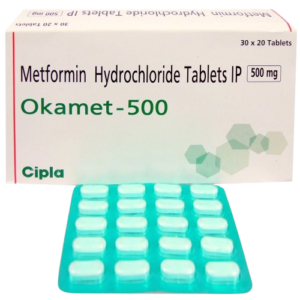
Metformin 500mg (Okamet) Tablets
$48.00 – $92.00Price range: $48.00 through $92.00 This product has multiple variants. The options may be chosen on the product page -

Semaglutide 14mg (Rybelsus) Tablets
$285.00 – $810.00Price range: $285.00 through $810.00 This product has multiple variants. The options may be chosen on the product page -
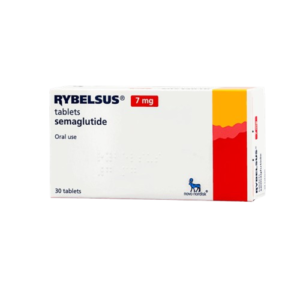
Semaglutide 7mg (Rybelsus) Tablets
$280.00 – $805.00Price range: $280.00 through $805.00 This product has multiple variants. The options may be chosen on the product page -
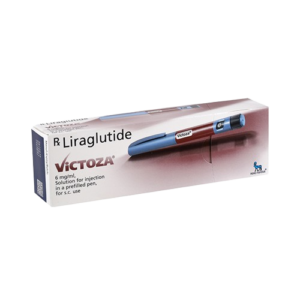
Victoza Solution for Injection
$235.00 This product has multiple variants. The options may be chosen on the product page
🩺 Related Guides

Dr. Emily Carter specializes in evidence-based health education and wellness content. She focuses on simplifying complex medical topics related to cancer awareness, nutrition, preventive healthcare, skincare, and lifestyle wellness for readers worldwide.
This content is reviewed for medical accuracy, clarity, and alignment with current public health research. The article is intended for educational and informational purposes only and should not replace professional medical advice, diagnosis, or treatment.