
10 Most Common Chronic Diseases Worldwide
Written By: PillsVital Health Editorial Team
Last Updated: August 2026
Medical Review: August 2026
Chronic diseases are long-term health conditions that can affect a person’s health, daily activities, and quality of life for months or years. Some develop gradually, while others may begin with few or no noticeable symptoms.
Worldwide, noncommunicable diseases (NCDs), also called chronic diseases, are a major cause of illness and death. The World Health Organization identifies cardiovascular diseases, cancers, chronic respiratory diseases, and diabetes as the major groups of NCDs.
This guide explains 10 common and important chronic diseases and conditions worldwide, including their symptoms, causes, risk factors, prevention strategies, diagnosis, and treatment approaches.
To better understand long-term health conditions, read our What Are Chronic Diseases? Types, Causes, Symptoms & Prevention guide before exploring the most common chronic diseases worldwide. According to the World Health Organization (WHO), non-communicable diseases (NCDs) account for approximately 74% of all deaths worldwide, making chronic diseases one of the leading global health challenges.
Important: This list is an educational overview of major chronic diseases and long-term conditions with substantial global health impact.
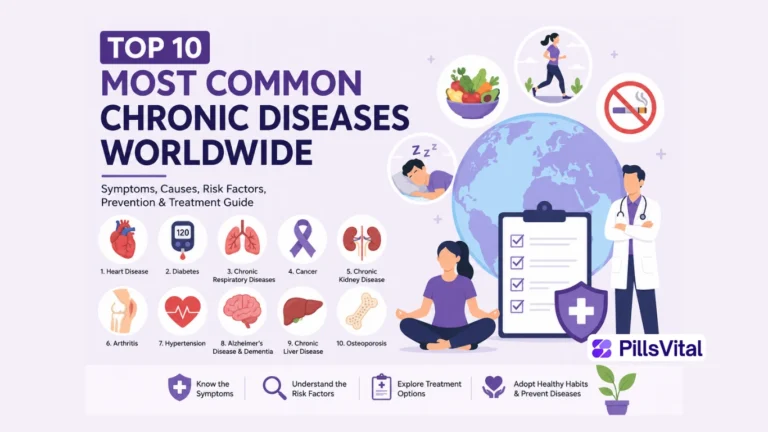
What Are the 10 Most Common Chronic Diseases?
There is no single official worldwide ranking of the 10 most common chronic diseases because prevalence varies by country, age and data source. However, several chronic conditions consistently account for a major share of global disease burden.
The 10 chronic diseases and conditions covered in this guide are:
- Cardiovascular disease
- Diabetes
- Chronic respiratory diseases
- Cancer
- Chronic kidney disease
- Arthritis
- Hypertension
- Alzheimer’s disease and dementia
- Chronic liver disease
- Osteoporosis
What Are Chronic Diseases?
A chronic disease is a medical condition that usually lasts for one year or longer and often requires ongoing medical care, medication, lifestyle adjustments, or continuous monitoring. Some chronic diseases remain stable for years, while others gradually worsen if left untreated.
Unlike infections caused by bacteria or viruses, many chronic illnesses develop because of long-term damage to organs and tissues. They often result from a combination of genetic factors, aging, environmental influences, and everyday lifestyle habits.
Common characteristics of chronic diseases include:
- Slow progression over months or years
- Long-term treatment or monitoring
- Increased risk of complications
- Reduced quality of life if poorly managed
- Significant impact on healthcare systems worldwide
Although some chronic conditions cannot be completely prevented, early diagnosis and appropriate management can dramatically improve outcomes and reduce complications.
Why Are Chronic Diseases Becoming More Common?
Several risk factors contribute to the development of chronic diseases.
According to the World Health Organization, major behavioral risk factors include:
- Tobacco use
- Physical inactivity
- Unhealthy diet
- Harmful alcohol use
These behaviors can contribute to metabolic risk factors such as high blood pressure, overweight and obesity, high blood glucose, and abnormal blood lipids.
Other factors include:
- Increasing age
- Family history
- Air pollution
- Long-term stress
- Poor sleep
- Certain occupational exposures
- Limited access to preventive healthcare
Not every chronic disease can be prevented, and having a risk factor does not mean a person will definitely develop a disease.
Excess body weight significantly increases the likelihood of developing several chronic illnesses. Learn more in our guide on How Obesity Increases the Risk of Chronic Diseases.
Aging Population
People are living longer than ever before. Since the risk of many chronic diseases increases with age, growing life expectancy naturally leads to more cases of heart disease, diabetes, arthritis, dementia, and osteoporosis.
Unhealthy Dietary Habits
Highly processed foods rich in sugar, sodium, unhealthy fats, and refined carbohydrates contribute to obesity, hypertension, diabetes, and cardiovascular disease.
Physical Inactivity
Modern lifestyles involve prolonged sitting, desk jobs, and reduced physical activity. Lack of regular exercise weakens the cardiovascular system, promotes weight gain, and increases insulin resistance.
Tobacco Use
Smoking remains one of the leading preventable causes of chronic illness. It significantly increases the risk of heart disease, stroke, chronic obstructive pulmonary disease (COPD), and multiple forms of cancer.
Excessive Alcohol Consumption
Heavy alcohol use damages several organs, particularly the liver, heart, pancreas, and brain, while also increasing cancer risk.
Obesity
Excess body weight places continuous strain on nearly every organ system. Obesity is strongly associated with diabetes, hypertension, fatty liver disease, arthritis, sleep apnea, kidney disease, and certain cancers.
Chronic Stress
Persistent stress affects hormone balance, immune function, sleep quality, blood pressure, and mental well-being, increasing the likelihood of developing chronic health conditions over time.
Common Risk Factors Shared by Most Chronic Diseases
Although every disease has unique causes, many chronic illnesses share similar risk factors.
These include:
- Smoking and tobacco exposure
- Physical inactivity
- Poor nutrition
- Obesity
- High blood pressure
- High cholesterol
- Elevated blood sugar
- Excessive alcohol intake
- Chronic stress
- Family history
- Aging
- Environmental pollution
- Poor sleep quality
The encouraging news is that many of these factors are modifiable, meaning positive lifestyle changes can significantly reduce long-term health risks. Poor sleep is another overlooked contributor to chronic illness. Read The Link Between Poor Sleep and Chronic Diseases to learn how better sleep supports long-term health.
1. Cardiovascular Disease
Cardiovascular disease (CVD) refers to a group of conditions affecting the heart and blood vessels. It includes coronary heart disease, cerebrovascular disease, peripheral arterial disease, and other cardiovascular conditions.
The WHO reports that cardiovascular diseases account for the largest share of NCD deaths globally.
The American Heart Association (AHA) emphasizes that controlling blood pressure, cholesterol, maintaining a healthy weight, and staying physically active are among the most effective ways to reduce the risk of cardiovascular disease.
Common Symptoms
Symptoms depend on the specific cardiovascular condition. They may include:
- Chest pain or pressure
- Shortness of breath
- Unusual fatigue
- Dizziness
- Palpitations
- Swelling of the legs or ankles
A heart attack or stroke can cause sudden, serious symptoms and requires emergency medical attentio
Common Risk Factors
Risk factors can include:
- High blood pressure
- High cholesterol
- Diabetes
- Smoking
- Obesity
- Physical inactivity
- Unhealthy diet
- Family history
- Increasing age
Prevention
You can reduce cardiovascular risk by:
- Avoiding tobacco
- Eating a balanced diet
- Staying physically active
- Maintaining a healthy weight
- Managing blood pressure and cholesterol
- Managing diabetes when present
- Attending recommended health screenings
Treatment
Treatment depends on the specific cardiovascular condition and may include lifestyle changes, prescription medicines, procedures, or surgery.
2. Diabetes
Diabetes is a chronic condition in which blood glucose levels become too high because the body does not produce enough insulin, does not use insulin effectively, or both.
The main types include:
- Type 1 diabetes
- Type 2 diabetes
- Gestational diabetes
Type 2 diabetes is the most common form.
The American Diabetes Association (ADA) recommends regular blood glucose screening, balanced nutrition, weight management, and consistent physical activity to help prevent or delay Type 2 diabetes.
Common Symptoms
Diabetes often develops gradually, especially Type 2 diabetes, making early detection challenging. Many people live with elevated blood sugar for years before receiving a diagnosis.
Common symptoms include:
- Frequent urination
- Increased thirst
- Constant hunger
- Fatigue and low energy
- Blurred vision
- Slow-healing cuts and wounds
- Frequent skin or urinary infections
- Unexplained weight loss (more common in Type 1 diabetes)
- Tingling or numbness in the hands and feet
Because prediabetes frequently causes no noticeable symptoms, routine health screenings are essential for individuals with risk factors.
Causes
Different types of diabetes have different underlying causes.
Type 1 Diabetes
- Autoimmune destruction of insulin-producing cells
- Genetic predisposition
- Environmental triggers
Type 2 Diabetes
- Insulin resistance
- Excess body weight
- Poor dietary habits
- Lack of physical activity
- Family history
- Aging
Major Risk Factors
Your risk increases if you:
- Are overweight or obese
- Have a close family member with diabetes
- Have high blood pressure
- Have high cholesterol
- Exercise infrequently
- Previously had gestational diabetes
- Have polycystic ovary syndrome (PCOS)
- Are over the age of 45
Possible Complications
Poorly controlled diabetes can affect nearly every organ.
Complications include:
- Heart disease
- Stroke
- Chronic kidney disease
- Nerve damage (neuropathy)
- Vision loss
- Foot ulcers
- Increased risk of infections
Prevention
Although Type 1 diabetes cannot currently be prevented, many cases of Type 2 diabetes can be delayed or avoided through healthy lifestyle choices.
Recommended habits include:
- Maintaining a healthy body weight
- Eating more vegetables, whole grains, and fiber-rich foods
- Limiting sugary beverages
- Exercising regularly
- Sleeping 7–9 hours nightly
- Managing stress
- Avoiding tobacco use
- Getting regular blood sugar screening
If your blood sugar is higher than normal but hasn’t reached diabetes levels, read our complete guide to Prediabetes: Early Warning Signs and Prevention.
Treatment
Treatment depends on the type and severity of diabetes.
Management may involve:
- Blood glucose monitoring
- Personalized meal planning
- Regular exercise
- Oral diabetes medications
- Insulin therapy
- Weight management
- Routine medical follow-up
With consistent care, many people with diabetes live long and active lives.
Newly diagnosed patients can also benefit from our detailed What Is Type 2 Diabetes? Causes, Symptoms, Diagnosis & Treatment guide.
3. Chronic Respiratory Diseases
Chronic respiratory diseases are long-term conditions affecting the lungs and airways, making breathing difficult and reducing oxygen delivery throughout the body. They can gradually limit physical activity and significantly affect quality of life.
The most common chronic respiratory diseases include:
- Chronic Obstructive Pulmonary Disease (COPD)
- Asthma
- Pulmonary Fibrosis
- Bronchiectasis
- Occupational Lung Diseases
Millions of people worldwide develop chronic lung disease because of smoking, air pollution, workplace exposure, or long-term respiratory inflammation.
According to the Global Initiative for Chronic Obstructive Lung Disease (GOLD), smoking cessation remains the single most effective intervention for slowing the progression of chronic obstructive pulmonary disease (COPD).
Common Symptoms
Symptoms usually worsen gradually and may include:
- Persistent cough
- Wheezing
- Shortness of breath
- Chest tightness
- Frequent chest infections
- Excess mucus production
- Fatigue during physical activity
Advanced disease may interfere with simple daily activities like climbing stairs or walking short distances.
Causes
Several factors contribute to chronic respiratory disease:
- Smoking
- Secondhand smoke
- Indoor air pollution
- Outdoor pollution
- Occupational dust
- Chemical exposure
- Allergies
- Recurrent lung infections
- Genetic disorders
Major Risk Factors
People are more likely to develop chronic respiratory diseases if they:
- Smoke cigarettes
- Live in polluted environments
- Work in mining, farming, or construction
- Have asthma or allergies
- Experience repeated childhood lung infections
- Have a family history of lung disease
Diagnosis
Healthcare providers may recommend:
- Lung function tests (spirometry)
- Chest X-rays
- CT scans
- Oxygen level testing
- Allergy testing
- Blood investigations
Prevention
Healthy habits can reduce your risk considerably.
These include:
- Never smoking
- Avoiding secondhand smoke
- Wearing protective equipment in hazardous workplaces
- Reducing exposure to polluted air
- Receiving influenza and pneumonia vaccinations
- Exercising regularly
- Maintaining a healthy weight
Regular exercise improves lung function and overall health. Learn more in Exercise and Chronic Disease Management: Complete Beginner Guide.
Treatment
Treatment varies according to the underlying condition.
Common options include:
- Bronchodilator inhalers
- Corticosteroid inhalers
- Pulmonary rehabilitation
- Breathing exercises
- Oxygen therapy
- Smoking cessation programs
- Lung transplantation (advanced cases)
Early treatment helps preserve lung function and improve quality of life.
4. Cancer
Cancer develops when abnormal cells multiply uncontrollably and invade surrounding tissues or spread to distant organs. More than 100 different types of cancer exist, affecting nearly every part of the body.
Advances in early detection, surgery, chemotherapy, immunotherapy, and targeted therapies have improved survival rates for many cancers, making early diagnosis increasingly important.
The National Cancer Institute (NCI) recommends regular cancer screening based on age, family history, and individual risk factors because detecting cancer early significantly improves treatment success.
Common Types
Frequently diagnosed cancers include:
- Breast cancer
- Lung cancer
- Colorectal cancer
- Prostate cancer
- Liver cancer
- Skin cancer
- Cervical cancer
- Stomach cancer
- Pancreatic cancer
- Blood cancers
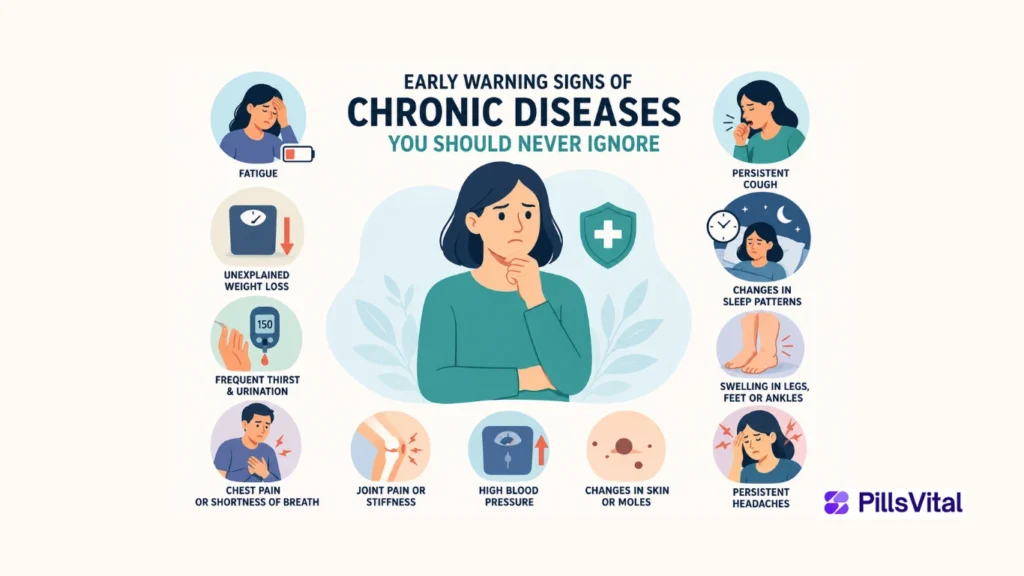
Early Warning Signs
Although symptoms differ depending on the affected organ, possible warning signs include:
- Unexplained weight loss
- Persistent fatigue
- A lump or swelling
- Long-lasting cough
- Difficulty swallowing
- Changes in bowel or bladder habits
- Blood in stool or urine
- Persistent pain
- Non-healing sores
- Changes in moles or skin lesions
Persistent symptoms should always be evaluated by a healthcare professional.
Causes
Cancer develops through DNA mutations caused by various factors.
These include:
- Tobacco use
- Alcohol
- Ultraviolet radiation
- Certain infections
- Environmental pollutants
- Family history
- Aging
- Chronic inflammation
- Obesity
Risk Factors
Cancer risk increases with:
- Smoking
- Obesity
- Poor diet
- Lack of physical activity
- Excess alcohol
- Occupational chemical exposure
- Family history
- HPV and hepatitis infections
- Increasing age
Diagnosis
Doctors may recommend:
- Physical examination
- Blood tests
- CT scan
- MRI
- PET scan
- Ultrasound
- Endoscopy
- Biopsy
- Genetic testing
Early-stage diagnosis often leads to better treatment outcomes.
Prevention
Many cancers are linked to modifiable lifestyle factors.
Reduce your risk by:
- Avoiding tobacco
- Maintaining a healthy weight
- Eating plenty of fruits and vegetables
- Exercising regularly
- Limiting alcohol
- Protecting skin from excessive sun exposure
- Receiving recommended vaccinations
- Participating in cancer screening programs
Treatment
Cancer treatment is personalized according to cancer type and stage.
Possible treatments include:
- Surgery
- Chemotherapy
- Radiation therapy
- Immunotherapy
- Targeted therapy
- Hormone therapy
- Stem cell transplantation
- Palliative care
Modern treatment often combines several approaches for the best possible outcome
5. Chronic Kidney Disease (CKD)
Chronic Kidney Disease is a progressive condition in which the kidneys gradually lose their ability to remove waste products and excess fluid from the blood.
Because kidney damage develops slowly, many people experience no symptoms during the early stages.
The National Kidney Foundation (NKF) advises individuals with diabetes or high blood pressure to undergo routine kidney function testing, as early detection can slow the progression of chronic kidney disease.
Common Symptoms
As kidney function declines, symptoms may include:
- Persistent fatigue
- Swollen ankles or feet
- Frequent nighttime urination
- Muscle cramps
- Loss of appetite
- Nausea
- Itchy skin
- Difficulty concentrating
- High blood pressure
Causes
CKD commonly develops because of:
- Diabetes
- High blood pressure
- Chronic kidney infections
- Polycystic kidney disease
- Autoimmune disorders
- Kidney stones
- Long-term urinary obstruction
Risk Factors
Risk increases among people with:
- Diabetes
- Hypertension
- Heart disease
- Obesity
- Smoking
- Older age
- Family history of kidney disease
Diagnosis
Doctors typically diagnose CKD using:
- Blood tests
- Urine tests
- Estimated Glomerular Filtration Rate (eGFR)
- Kidney ultrasound
- Blood pressure monitoring
Prevention
Protect your kidneys by:
- Managing blood sugar
- Controlling blood pressure
- Staying hydrated
- Limiting salt intake
- Exercising regularly
- Avoiding unnecessary painkillers
- Maintaining a healthy weight
- Quitting smoking
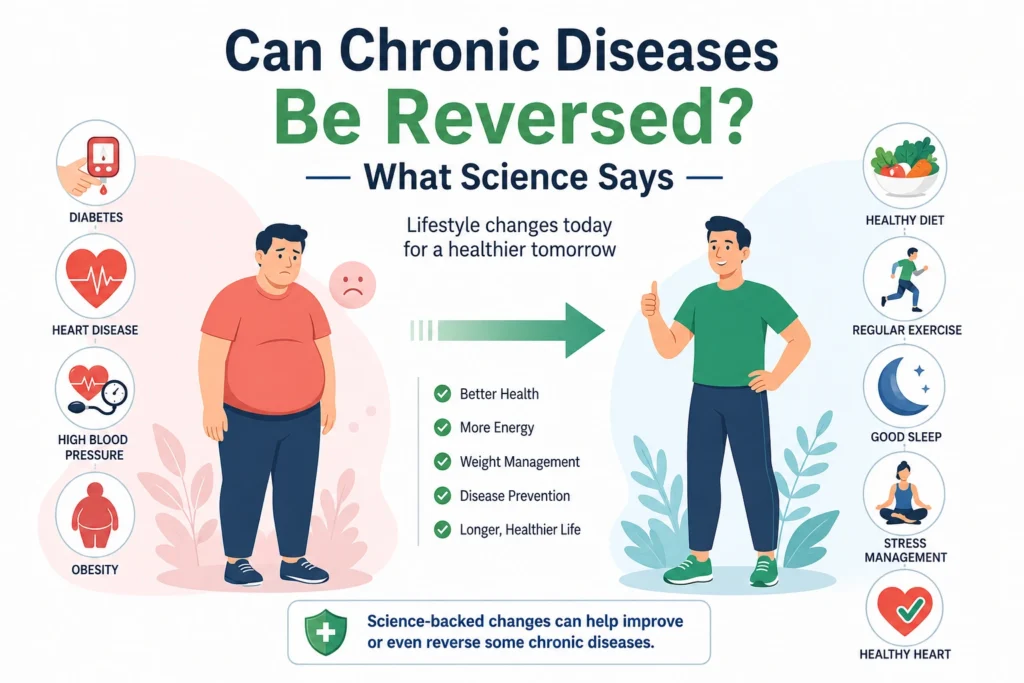
Controlling diabetes and blood pressure remains one of the best ways to protect kidney health. Our Can Chronic Diseases Be Reversed? What Science Says article explains how healthy lifestyle changes may slow disease progression.
Treatment
Treatment focuses on slowing disease progression.
Management may include:
- Blood pressure medications
- Diabetes management
- Kidney-friendly diet
- Cholesterol control
- Dialysis (advanced disease)
- Kidney transplantation
Early diagnosis remains the most effective strategy for preserving kidney function.
6. Arthritis
Arthritis is one of the most common long-term musculoskeletal disorders, affecting more than 350 million people worldwide. It is not a single disease but a group of over 100 conditions that cause joint pain, stiffness, swelling, and reduced mobility.
Although arthritis is often associated with aging, it can affect adults of all ages and even children. Early diagnosis, appropriate treatment, and regular physical activity can help maintain joint function and improve quality of life.
Common Types of Arthritis
The most frequently diagnosed forms include:
- Osteoarthritis (OA)
- Rheumatoid Arthritis (RA)
- Psoriatic Arthritis
- Gout
- Ankylosing Spondylitis
Each type has different causes and treatment approaches.
Symptoms
Symptoms vary depending on the type but often include:
- Joint pain
- Morning stiffness
- Swelling around joints
- Reduced flexibility
- Tenderness
- Warmth around affected joints
- Difficulty walking or climbing stairs
Many people experience flare-ups where symptoms temporarily worsen.
Causes
Possible causes include:
- Age-related cartilage wear
- Autoimmune disorders
- Previous joint injuries
- Genetics
- Obesity
- Repetitive joint stress
- Metabolic disorders such as gout
Risk Factors
Risk increases with:
- Older age
- Family history
- Female sex (certain types)
- Obesity
- Previous sports injuries
- Physically demanding occupations
- Smoking (especially rheumatoid arthritis)
Diagnosis
Doctors may recommend:
- Physical examination
- Joint X-rays
- MRI scans
- Blood tests
- Ultrasound
- Joint fluid analysis
Prevention
Treatment depends on the specific condition.
Management may include:
- Physical therapy
- Weight management
- Pain-relieving medications
- Anti-inflammatory drugs
- Disease-modifying medications (DMARDs)
- Joint injections
- Assistive devices
- Joint replacement surgery in severe cases
With proper treatment, many people continue to live active and independent lives.
Treatment
Treatment focuses on slowing disease progression.
Management may include:
- Blood pressure medications
- Diabetes management
- Kidney-friendly diet
- Cholesterol control
- Dialysis (advanced disease)
- Kidney transplantation
Early diagnosis remains the most effective strategy for preserving kidney function.
7. Hypertension (High Blood Pressure)
Hypertension is often called the “silent killer” because it usually develops without noticeable symptoms while gradually damaging the heart, brain, kidneys, eyes, and blood vessels.
Worldwide, more than one billion adults are estimated to have high blood pressure, making it one of the leading contributors to heart attacks, strokes, and kidney failure.
The Centers for Disease Control and Prevention (CDC) recommends reducing sodium intake, engaging in regular physical activity, maintaining a healthy weight, and avoiding tobacco to help prevent high blood pressure.
Symptoms
Most individuals experience no symptoms.
When blood pressure becomes dangerously high, symptoms may include:
- Severe headaches
- Blurred vision
- Dizziness
- Chest pain
- Nosebleeds
- Shortness of breath
- Fatigue
- Irregular heartbeat
Regular screening remains the only reliable way to detect hypertension early.
Causes
High blood pressure usually develops gradually because of:
- Aging
- Family history
- Obesity
- Excess sodium intake
- Lack of exercise
- Smoking
- Alcohol misuse
- Diabetes
- Kidney disease
- Chronic stress
Risk Factors
Your risk increases if you:
- Are over 40 years old
- Are overweight
- Have diabetes
- Have high cholesterol
- Smoke
- Consume a high-sodium diet
- Rarely exercise
- Have a family history of hypertension
Diagnosis
Doctors may recommend:
- Physical examination
- Joint X-rays
- MRI scans
- Blood tests
- Ultrasound
- Joint fluid analysis
Possible Complications
Untreated hypertension may result in:
- Heart attack
- Stroke
- Heart failure
- Chronic kidney disease
- Vision loss
- Peripheral artery disease
- Dementia
- Aortic aneurysm
Diagnosis
Healthcare providers diagnose hypertension using repeated blood pressure measurements.
Additional tests may include:
- Blood tests
- Urine analysis
- Electrocardiogram (ECG)
- Echocardiogram
- Kidney function tests
Prevention
Healthy daily habits can dramatically lower blood pressure.
Recommendations include:
- Limiting salt intake
- Eating more fruits and vegetables
- Exercising at least 150 minutes weekly
- Maintaining a healthy weight
- Avoiding tobacco
- Limiting alcohol
- Managing stress
- Sleeping 7–9 hours each night
Treatment
Treatment focuses on slowing disease progression.
Management may include:
- Blood pressure medications
- Diabetes management
- Kidney-friendly diet
- Cholesterol control
- Dialysis (advanced disease)
- Kidney transplantation
Early diagnosis remains the most effective strategy for preserving kidney function.
8. Alzheimer's Disease and Dementia
Alzheimer’s disease is the leading cause of dementia—a progressive condition that affects memory, reasoning, communication, and daily functioning.
As life expectancy increases worldwide, dementia has become one of the fastest-growing public health concerns. Although there is currently no cure, early diagnosis and supportive care can significantly improve quality of life.
The Alzheimer’s Association highlights that early diagnosis allows individuals and families to plan treatment, access support services, and better manage the progression of dementia.
Symptoms
Common warning signs include:
- Memory loss affecting daily life
- Forgetting recent conversations
- Confusion about time or place
- Difficulty planning tasks
- Poor judgment
- Trouble finding words
- Personality changes
- Social withdrawal
Symptoms usually worsen gradually over several years.
Causes
Researchers believe Alzheimer’s develops because of a combination of:
- Age-related brain changes
- Genetics
- Abnormal protein accumulation
- Cardiovascular disease
- Chronic inflammation
- Lifestyle factors
- Previous head injuries
Risk Factors
People are more likely to develop Alzheimer’s if they have:
- Advanced age
- Family history
- Diabetes
- High blood pressure
- Obesity
- Smoking
- Physical inactivity
- Hearing loss
- Social isolation
Diagnosis
Diagnosis often involves:
- Medical history
- Cognitive testing
- Neurological examination
- Brain MRI or CT scan
- Blood tests
- Functional assessments
Early diagnosis allows patients and families to plan future care more effectively.
Prevention
Although Alzheimer’s cannot always be prevented, research suggests several healthy habits may lower risk.
These include:
- Regular exercise
- Mediterranean-style diet
- Blood pressure control
- Diabetes management
- Lifelong learning
- Social engagement
- Quality sleep
- Protecting the head from injury
Diagnosis
Healthcare providers diagnose hypertension using repeated blood pressure measurements.
Additional tests may include:
- Blood tests
- Urine analysis
- Electrocardiogram (ECG)
- Echocardiogram
- Kidney function tests
Prevention
Although Alzheimer’s cannot always be prevented, research suggests several healthy habits may lower risk.
These include:
- Regular exercise
- Mediterranean-style diet
- Blood pressure control
- Diabetes management
- Lifelong learning
- Social engagement
- Quality sleep
- Protecting the head from injury
Treatment
Treatment focuses on slowing symptom progression.
Management may include:
- Cognitive-enhancing medications
- Occupational therapy
- Memory training
- Physical activity
- Nutritional support
- Caregiver education
- Home safety planning
Supportive care plays an important role throughout the disease journey.
9. Chronic Liver Disease
Chronic liver disease refers to a group of conditions that gradually damage the liver over months or years. Since the liver performs hundreds of vital functions—including filtering toxins, storing nutrients, producing proteins, and supporting digestion—even mild liver damage can eventually affect overall health.
Many people have no symptoms during the early stages, making regular health check-ups especially important for individuals with risk factors.
Common Types
Major forms include:
- Non-Alcoholic Fatty Liver Disease (NAFLD)
- Alcohol-Related Liver Disease
- Chronic Hepatitis B
- Chronic Hepatitis C
- Autoimmune Hepatitis
- Cirrhosis
Symptoms
As liver disease progresses, symptoms may include:
- Persistent fatigue
- Loss of appetite
- Unexplained weight loss
- Nausea
- Abdominal discomfort
- Swollen abdomen
- Jaundice
- Dark urine
- Easy bruising
- Itchy skin
Causes
Chronic liver disease commonly develops because of:
- Obesity
- Type 2 diabetes
- Heavy alcohol consumption
- Viral hepatitis
- Autoimmune disease
- Genetic disorders
- Long-term toxin exposure
Risk Factors
Risk increases among people who:
- Drink excessive alcohol
- Have obesity
- Have diabetes
- Have metabolic syndrome
- Have chronic hepatitis infections
- Smoke
- Have a family history of liver disease
Diagnosis
Doctors may recommend:
- Liver function blood tests
- Ultrasound
- FibroScan
- CT scan
- MRI
- Liver biopsy (selected cases)
Prevention
Protect your liver by:
- Maintaining a healthy weight
- Limiting alcohol
- Receiving hepatitis vaccinations
- Following a balanced diet
- Exercising regularly
- Using medications responsibly
- Managing diabetes and cholesterol
Treatment
Treatment depends on the underlying cause.
Management may include:
- Lifestyle modification
- Weight loss
- Antiviral medication
- Nutritional counseling
- Alcohol cessation
- Liver function monitoring
- Liver transplantation in advanced disease
Early diagnosis offers the best opportunity to slow disease progression.
10. Osteoporosis
Osteoporosis is a chronic bone disorder that causes bones to become weak, porous, and more likely to fracture. Often called the “silent disease,” osteoporosis usually develops without noticeable symptoms until a bone breaks. Hip, spine, and wrist fractures are the most common complications and can significantly affect mobility and independence, particularly in older adults.
Although osteoporosis is more common among postmenopausal women, men can also develop the condition, especially after the age of 65. Early screening, healthy nutrition, and regular weight-bearing exercise can greatly reduce fracture risk.
The Bone Health & Osteoporosis Foundation recommends adequate calcium intake, sufficient vitamin D, weight-bearing exercise, and fall prevention strategies to maintain strong bones and reduce fracture risk.
Symptoms
Most people experience no symptoms during the early stages. As bone density decreases, signs may include:
- Loss of height over time
- Stooped posture
- Persistent back pain
- Bones that fracture easily
- Reduced mobility after fractures
- Difficulty standing or walking for long periods
Causes
Osteoporosis develops when bone loss occurs faster than the body can rebuild new bone tissue.
Common causes include:
- Natural aging
- Menopause
- Low calcium intake
- Vitamin D deficiency
- Physical inactivity
- Long-term corticosteroid use
- Hormonal disorders
- Smoking
- Excessive alcohol consumption
Risk Factors
People are at greater risk if they:
- Are over 50 years old
- Are female
- Have a family history of osteoporosis
- Have low body weight
- Smoke
- Consume excessive alcohol
- Have inadequate calcium or vitamin D intake
- Have chronic inflammatory diseases
Diagnosis
Doctors commonly diagnose osteoporosis using:
- Bone Mineral Density (DEXA) scan
- Medical history
- Physical examination
- Blood tests to identify underlying causes
- Fracture risk assessment (FRAX)
Prevention
Healthy bones require lifelong care.
Recommended preventive measures include:
- Eat calcium-rich foods daily.
- Get enough vitamin D through sunlight and diet.
- Perform weight-bearing exercises such as walking or resistance training.
- Avoid smoking.
- Limit alcohol intake.
- Prevent falls by improving home safety.
- Stay physically active.
- Discuss bone density screening with your healthcare provider if you have risk factors.
Treatment
Treatment aims to slow bone loss, improve bone strength, and reduce fracture risk.
Management options may include:
- Calcium and vitamin D supplements (when recommended)
- Prescription medications that strengthen bone
- Weight-bearing exercise programs
- Physical therapy
- Fall-prevention strategies
- Regular bone density monitoring
Many individuals successfully maintain an active lifestyle by combining medication with healthy daily habits.
Comparison of the 10 Chronic Diseases
| Chronic Disease | Main Body System | Common Risk Factors | Often Preventable? |
|---|---|---|---|
| Cardiovascular disease | Heart & blood vessels | Smoking, high BP, high cholesterol, diabetes | Risk can often be reduced |
| Diabetes | Metabolic system | Obesity, inactivity, genetics | Type 2 risk can often be reduced |
| Chronic respiratory disease | Lungs | Smoking, pollution, occupational exposure | Risk can often be reduced |
| Cancer | Varies | Tobacco, obesity, infections, environmental factors | Some cancers are preventable |
| Chronic kidney disease | Kidneys | Diabetes, high BP, heart disease | Risk can often be reduced |
| Hypertension | Cardiovascular system | Age, obesity, high sodium intake, inactivity | Risk can often be reduced |
| Arthritis | Joints | Age, injury, genetics, metabolic factors | Depends on type |
| Alzheimer’s/dementia | Brain | Age, genetics and other factors | Risk may be reduced for some forms |
| Chronic liver disease | Liver | Alcohol, obesity, diabetes, hepatitis | Depends on cause |
| Osteoporosis | Bones | Age, hormonal factors, inactivity, genetics | Risk can often be reduc |
How to Reduce Your Risk of Chronic Diseases
Although genetics and aging cannot be changed, everyday habits have a powerful influence on long-term health. Adopting healthy lifestyle choices can lower your risk of multiple chronic diseases simultaneously.
1. Eat a Nutrient-Rich Diet
Focus on:
- Fresh fruits and vegetables
- Whole grains
- Lean protein
- Healthy fats
- Legumes
- Nuts and seeds
Reduce:
- Processed foods
- Sugary drinks
- Excess sodium
- Trans fats
- Processed meats
2. Stay Physically Active
Adults should aim for:
- At least 150 minutes of moderate exercise each week
- Strength training on two or more days weekly
- Regular stretching and balance exercises
Even brisk walking for 30 minutes most days provides substantial health benefits.
3. Maintain a Healthy Weight
Achieving and maintaining a healthy weight helps reduce the risk of:
- Heart disease
- Diabetes
- Hypertension
- Fatty liver disease
- Certain cancers
- Osteoarthritis
4. Get Quality Sleep
Poor sleep has been linked to:
- Obesity
- Diabetes
- Heart disease
- Depression
- Dementia
Most adults benefit from 7–9 hours of quality sleep every night.
5. Avoid Tobacco Products
Smoking damages nearly every organ in the body and remains one of the leading preventable causes of chronic disease and premature death.
Quitting smoking at any age provides immediate and long-term health benefits.
6. Drink Alcohol Responsibly
If you choose to drink alcohol:
- Limit intake
- Avoid binge drinking
- Never combine alcohol with certain medications
Reducing alcohol intake lowers the risk of liver disease, hypertension, stroke, and several cancers.
7. Manage Stress Effectively
Healthy stress-management strategies include:
- Meditation
- Yoga
- Deep breathing
- Regular exercise
- Spending time outdoors
- Hobbies
- Social interaction
8. Keep Up with Regular Health Check-Ups
Routine health screening helps detect disease before symptoms develop.
Important screenings include:
- Blood pressure
- Blood sugar
- Cholesterol
- Cancer screening
- Kidney function
- Bone density (when appropriate)
Early diagnosis almost always improves treatment outcomes.
Can Chronic Diseases Be Prevented?
Some chronic diseases can be prevented entirely in certain circumstances, while others cannot.
For example, avoiding tobacco can substantially reduce the risk of smoking-related cancers and cardiovascular and respiratory diseases.
However, factors such as age, genetics, family history, and unavoidable environmental exposures can also influence disease risk.
Therefore, prevention should focus on reducing modifiable risk factors and detecting health problems early, rather than assuming every chronic disease is completely preventable.
Can Chronic Diseases Be Cured?
It depends on the condition.
Some chronic diseases can be controlled very effectively, while others may be managed rather than cured.
Treatment may help:
- Reduce symptoms
- Slow disease progression
- Prevent complications
- Improve quality of life
- Maintain daily function
For example, some people with type 2 diabetes may achieve significant improvement in blood glucose with lifestyle changes and treatment, while chronic kidney disease or Alzheimer’s disease may require long-term management.
Never stop or change a prescribed medication without discussing it with your healthcare professional.
❓ FAQs
What is a chronic disease?
A chronic disease is a long-term medical condition that usually lasts for one year or longer and often requires ongoing medical care or lifestyle management.
What are the most common chronic diseases worldwide?
Some of the most common chronic diseases include:
- Heart disease
- Diabetes
- Chronic respiratory diseases
- Cancer
- Chronic kidney disease
- Arthritis
- Hypertension
- Alzheimer’s disease
- Chronic liver disease
- Osteoporosis
Can chronic diseases be prevented?
Not all chronic diseases are preventable, but healthy lifestyle choices such as regular exercise, balanced nutrition, avoiding tobacco, maintaining a healthy weight, and routine medical check-ups can significantly reduce the risk of many conditions.
Which chronic disease causes the most deaths?
Cardiovascular disease, particularly heart disease, remains the leading cause of death worldwide.
What lifestyle changes help reduce chronic disease risk?
Healthy habits include:
- Eating nutritious foods
- Exercising regularly
- Sleeping well
- Avoiding tobacco
- Limiting alcohol
- Managing stress
- Maintaining a healthy weight
- Following recommended health screenings
Conclusion
Chronic diseases remain one of the leading causes of illness, disability, and premature death worldwide. However, many of these conditions develop gradually, creating valuable opportunities for prevention through healthier daily habits and early medical intervention.
Understanding common risk factors—including poor nutrition, physical inactivity, smoking, obesity, excessive alcohol consumption, chronic stress, and inadequate sleep—allows individuals to make informed decisions that protect their long-term health.
While conditions such as heart disease, diabetes, chronic respiratory diseases, cancer, kidney disease, arthritis, hypertension, Alzheimer’s disease, chronic liver disease, and osteoporosis each present unique challenges, they also share many preventive strategies. Regular exercise, a balanced diet, maintaining a healthy weight, routine health screenings, and following medical advice can significantly reduce the risk of serious complications.
Taking small, consistent steps today can have a lasting impact on your future health. Whether your goal is prevention, early detection, or better disease management, staying informed and working closely with qualified healthcare professionals is one of the most effective ways to improve quality of life.
At PillsVital, we are committed to providing evidence-based health information to help readers make confident healthcare decisions. Continue exploring our health guides for trusted articles on disease prevention, healthy living, nutrition, and wellness.
Related Health Resources
-

Rosuvastatin 5mg (Crestor) Tablets
$78.00 – $150.00Price range: $78.00 through $150.00 This product has multiple variants. The options may be chosen on the product page -

Metformin 500mg (Okamet) Tablets
$48.00 – $92.00Price range: $48.00 through $92.00 This product has multiple variants. The options may be chosen on the product page -

Thyroxine 125mcg (Eltroxin) Tablets
$40.00 – $112.00Price range: $40.00 through $112.00 This product has multiple variants. The options may be chosen on the product page -

Asthalin Respirator Solution 15ml (Salbutamol)
$15.00 – $41.00Price range: $15.00 through $41.00 This product has multiple variants. The options may be chosen on the product page
🩺 Related Guides

Dr. Emily Carter specializes in evidence-based health education and wellness content. She focuses on simplifying complex medical topics related to cancer awareness, nutrition, preventive healthcare, skincare, and lifestyle wellness for readers worldwide.
This content is reviewed for medical accuracy, clarity, and alignment with current public health research. The article is intended for educational and informational purposes only and should not replace professional medical advice, diagnosis, or treatment.