
Prediabetes: Early Warning Signs and How to Prevent Diabetes
Written By: PillsVital Health Editorial Team
Last Updated: August 2026
Medical Review: August 2026
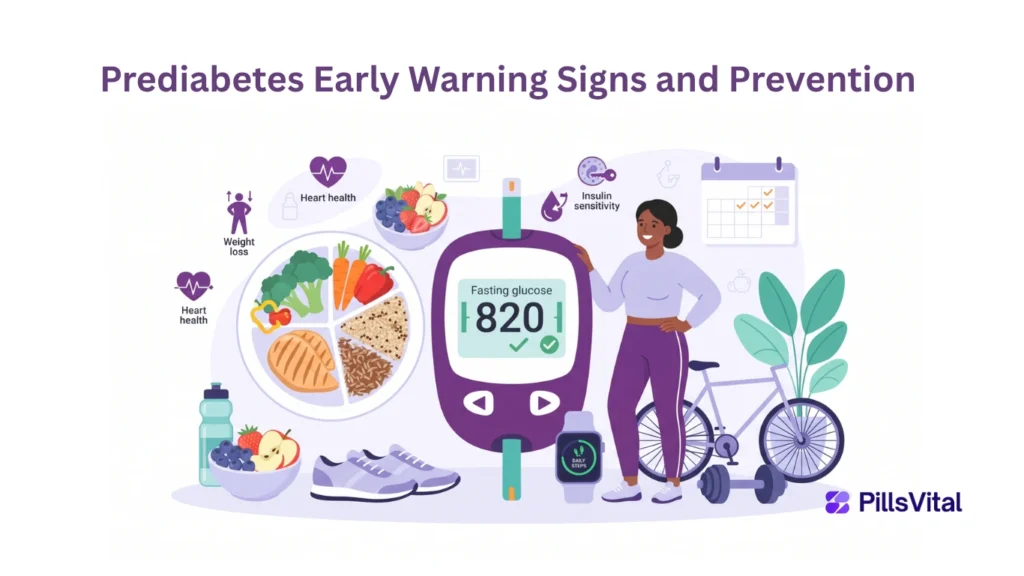
Millions of people have prediabetes without realizing it. Because symptoms are often mild or completely absent, many people don’t discover they have high blood sugar until it progresses to type 2 diabetes.
The good news is that prediabetes is often reversible. With healthy eating, regular physical activity, weight management, and routine medical checkups, many people can return their blood sugar to a healthy range and significantly reduce their risk of developing diabetes.
In this guide, you’ll learn what prediabetes is, its early warning signs, who is at risk, how it’s diagnosed, and the most effective ways to prevent diabetes naturally.
Prediabetes is one of the most common preventable health conditions and is closely linked to many long-term illnesses. To understand how elevated blood sugar fits into overall health, read our guide on What Are Chronic Diseases? Types, Causes, Symptoms & Prevention before exploring the warning signs and prevention strategies below.
What Is Prediabetes?
Prediabetes is a condition where blood sugar levels are higher than normal but not yet high enough for a diagnosis of type 2 diabetes.
It develops because the body’s cells gradually become resistant to insulin, making it harder for glucose to enter cells for energy. Without lifestyle changes, prediabetes often progresses to type 2 diabetes over several years.
According to the CDC Prediabetes Information, more than one-third of adults have prediabetes, and most are unaware they have the condition, highlighting the importance of early screening and lifestyle intervention.
Blood Sugar Levels
| Test | Normal | Prediabetes | Diabetes |
|---|---|---|---|
| Fasting Blood Sugar | Below 100 mg/dL | 100–125 mg/dL | 126 mg/dL or higher |
| HbA1c | Below 5.7% | 5.7–6.4% | 6.5% or higher |
| Oral Glucose Tolerance Test | Below 140 mg/dL | 140–199 mg/dL | 200 mg/dL or higher |
Early Warning Signs of Prediabetes
Prediabetes often develops gradually, and many people do not notice any symptoms until blood sugar levels become significantly elevated. However, your body may give subtle warning signs that indicate insulin resistance and rising glucose levels. Recognizing these early symptoms can help you seek medical advice and make lifestyle changes before prediabetes progresses to type 2 diabetes.
The NIDDK: Insulin Resistance & Prediabetes explains how insulin resistance causes glucose to build up in the bloodstream, increasing the likelihood of progressing to type 2 diabetes if left untreated.
1. Increased Thirst (Polydipsia)
Feeling unusually thirsty—even after drinking enough water—can be one of the earliest signs of prediabetes. When blood sugar levels become too high, your kidneys work harder to remove the excess glucose from your bloodstream. To do this, they produce more urine, causing your body to lose water faster than normal. As a result, dehydration develops, triggering persistent thirst.
You may notice that you:
- Need to drink water more frequently throughout the day.
- Wake up at night feeling thirsty.
- Have a dry mouth or dry lips even after drinking fluids.
- Feel thirsty again shortly after finishing a beverage.
Occasional thirst after exercise or hot weather is normal, but ongoing excessive thirst without an obvious cause should be discussed with a healthcare provider.
2. Frequent Urination (Polyuria)
As your kidneys filter excess glucose from your blood, they also remove more water, leading to increased urine production. This causes you to urinate more often than usual, especially during the night.
Common signs include:
- Going to the bathroom much more frequently than before.
- Waking up multiple times during the night to urinate (nocturia).
- Producing larger amounts of urine with each visit.
- Feeling like your bladder fills quickly after drinking even small amounts of fluid.
Frequent urination can disrupt sleep and contribute to fatigue due to repeated nighttime awakenings.
3. Constant Hunger (Polyphagia)
Even though your blood contains plenty of glucose, insulin resistance prevents your body’s cells from using it effectively for energy. As a result, your brain interprets this as a lack of fuel and signals you to eat more.
You may experience:
- Feeling hungry soon after finishing a meal.
- Strong cravings for carbohydrates or sugary foods.
- Difficulty feeling satisfied despite eating regular portions.
- Increased snacking throughout the day.
Persistent hunger combined with fatigue or increased thirst may indicate abnormal blood sugar regulation.
4. Persistent Fatigue
Feeling tired all the time is a common but often overlooked symptom of prediabetes. Since glucose cannot enter your cells efficiently, your muscles and organs don’t receive the energy they need to function properly.
Fatigue related to prediabetes may include:
- Feeling exhausted even after a full night’s sleep.
- Low energy during everyday activities.
- Difficulty concentrating or staying mentally alert.
- Feeling sluggish after meals.
Other factors, such as poor sleep from nighttime urination, can further worsen fatigue.
5. Blurred Vision
High blood sugar levels can temporarily alter the fluid balance inside the lenses of your eyes, affecting their ability to focus. This may cause blurry or fluctuating vision.
Symptoms can include:
- Difficulty reading small print.
- Trouble focusing on distant objects.
- Vision that improves and worsens throughout the day.
- Increased eye strain or headaches.
Although these vision changes are often temporary, long-term uncontrolled blood sugar can damage the retina and increase the risk of diabetic eye disease.
6. Slow-Healing Cuts and Wounds
Elevated blood sugar affects circulation, immune function, and tissue repair, making it harder for the body to heal injuries.
You may notice:
- Minor cuts or scrapes taking several weeks to heal.
- Wounds that reopen easily.
- Increased redness or swelling around injuries.
- Small infections developing after minor skin injuries.
Proper wound care is important because delayed healing can increase the risk of complications if blood sugar remains elevated.
7. Dark Skin Patches (Acanthosis Nigricans)
Dark, thickened, velvety patches of skin are one of the most visible signs of insulin resistance. This condition, called acanthosis nigricans, commonly appears in skin folds where friction occurs.
These patches are most often found:
- On the back or sides of the neck.
- Under the arms (armpits).
- In the groin area.
- Around the elbows, knees, or knuckles.
The affected skin may feel slightly thicker or softer than the surrounding skin. While acanthosis nigricans can have other causes, it is frequently associated with obesity and prediabetes.
8. Tingling or Numbness in the Hands and Feet
Although nerve damage is more common in diabetes, some people with prediabetes may begin to experience mild nerve-related symptoms due to prolonged elevated blood sugar.
Possible symptoms include:
- Tingling sensations (“pins and needles”).
- Mild numbness in the fingers or toes.
- Burning or prickling feelings.
- Increased sensitivity to touch.
Early nerve symptoms should not be ignored, as improving blood sugar control may help prevent further nerve damage.
9. Weight Gain Around the Waist
Carrying excess weight around the abdomen is strongly linked to insulin resistance. Visceral fat—the fat stored deep inside the abdominal cavity—produces inflammatory substances that interfere with insulin’s ability to regulate blood sugar.
Signs include:
- Increasing waist size despite little change in overall body weight.
- Difficulty losing belly fat.
- Clothes fitting more tightly around the waist.
- Higher body mass index (BMI), especially when combined with physical inactivity.
Reducing abdominal fat through healthy eating and regular physical activity can significantly improve insulin sensitivity.
10. Frequent Skin Infections
High blood sugar creates an environment that can promote the growth of bacteria and fungi while also weakening the immune system. This makes infections more common and slower to resolve.
Common infections include:
- Yeast infections.
- Athlete’s foot.
- Fungal nail infections.
- Recurrent urinary tract infections (UTIs).
- Skin abscesses or boils.
If you experience recurring infections or infections that are difficult to treat, it’s important to discuss blood sugar testing with your healthcare provider.
When Should You See a Doctor?
Because prediabetes often has few or no symptoms, it’s important not to rely on symptoms alone. Schedule a medical evaluation if you:
- Experience several of the warning signs listed above.
- Have a family history of type 2 diabetes.
- Are overweight or have excess abdominal fat.
- Have high blood pressure or abnormal cholesterol levels.
- Had gestational diabetes during pregnancy.
- Are 35 years or older, or younger with additional risk factors.
Simple blood tests—such as a fasting blood glucose test or an HbA1c test—can detect prediabetes early. Early diagnosis gives you the best opportunity to make lifestyle changes that may delay or prevent the development of type 2 diabetes.
Who Is Most at Risk?
Your risk increases if you:
- Are overweight or obese
- Have a family history of diabetes
- Are physically inactive
- Are over age 45
- Have high blood pressure
- Have high cholesterol or triglycerides
- Had gestational diabetes during pregnancy
- Have polycystic ovary syndrome (PCOS)
- Smoke regularly
- Eat a diet high in processed foods and sugary drinks
Why Prediabetes Happens
Several factors contribute to insulin resistance:
- Poor dietary habits
- Excess body fat
- Chronic inflammation
- Lack of exercise
- Genetics
- Hormonal changes
- Poor sleep
- Long-term stress
How Doctors Diagnose Prediabetes
Healthcare providers commonly use:
Fasting Blood Sugar Test
Measures blood glucose after fasting for at least eight hours.
HbA1c Test
Reflects your average blood sugar over the previous two to three months.
Oral Glucose Tolerance Test
Evaluates how your body processes glucose after drinking a sugary solution.
Can Prediabetes Be Reversed?
Yes.
Research consistently shows that lifestyle changes can reduce the risk of developing type 2 diabetes by more than 50% in many people, especially when changes begin early.
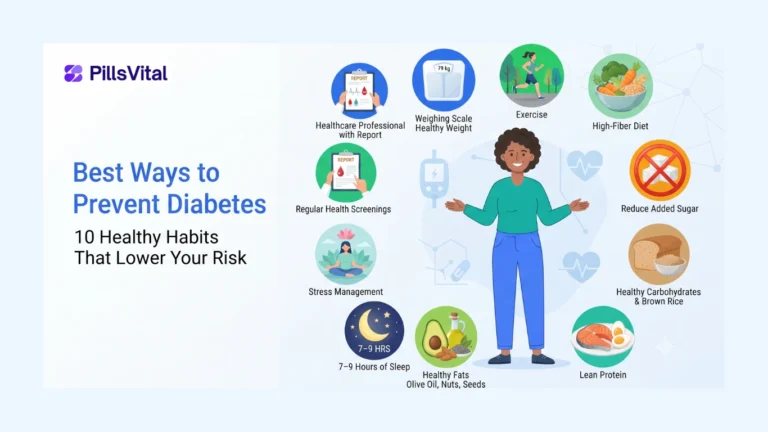
Best Ways to Prevent Diabetes
Preventing diabetes is often possible through consistent lifestyle changes. If you have prediabetes or are at high risk, adopting healthy habits can improve insulin sensitivity, help maintain normal blood sugar levels, and significantly reduce your chances of developing type 2 diabetes. Here are ten evidence-based strategies to help prevent diabetes.
The World Health Organization – Diabetes emphasizes that maintaining a healthy diet, staying physically active, and achieving a healthy weight are among the most effective ways to prevent type 2 diabetes.
1. Maintain a Healthy Weight
Maintaining a healthy body weight is one of the most effective ways to lower your risk of type 2 diabetes. Excess body fat, particularly around the abdomen, increases insulin resistance, making it harder for your body’s cells to respond to insulin. As a result, glucose remains in the bloodstream instead of being used for energy.
Research has shown that losing just 5% to 10% of your body weight can significantly improve insulin sensitivity and reduce the risk of progressing from prediabetes to type 2 diabetes.
Tips to achieve a healthy weight:
- Set realistic weight-loss goals, such as losing 1–2 pounds (0.5–1 kg) per week.
- Eat balanced meals with appropriate portion sizes.
- Avoid crash diets or extreme calorie restriction.
- Increase your daily physical activity.
- Monitor your weight regularly to track progress.
Remember, even modest weight loss can have substantial health benefits.
2. Exercise Regularly
Physical activity helps your muscles use glucose more efficiently and improves the body’s sensitivity to insulin. Regular exercise also supports weight management, reduces blood pressure, improves cholesterol levels, and lowers inflammation.
The American Diabetes Association recommends at least 150 minutes of moderate-intensity aerobic exercise each week, spread over at least three days, with no more than two consecutive inactive days.
Include a variety of activities:
Moderate aerobic exercise
- Brisk walking
- Cycling
- Swimming
- Dancing
- Jogging
Strength training (at least twice a week)
- Resistance bands
- Weight lifting
- Bodyweight exercises such as squats, push-ups, and lunges
Simple daily habits
- Walk for 10–15 minutes after meals.
- Take the stairs instead of the elevator.
- Stand up and stretch every hour if you have a desk job.
- Park farther away from entrances to increase daily steps.
Consistency is more important than intensity. Even small increases in daily movement can improve blood sugar control.
Regular physical activity is one of the most effective ways to improve insulin sensitivity and lower blood sugar levels. For a complete workout guide, explore Exercise and Chronic Disease Management, where you’ll find practical exercise recommendations for long-term health.
3. Eat More Fiber
Dietary fiber plays an important role in blood sugar management. Because fiber slows the digestion and absorption of carbohydrates, it helps prevent rapid spikes in blood glucose after meals. Fiber also promotes fullness, making it easier to maintain a healthy weight.
Adults should aim for approximately 25–38 grams of fiber daily, depending on age and sex.
Excellent sources of fiber include:
- Leafy green vegetables
- Broccoli
- Carrots
- Apples
- Pears
- Berries
- Beans
- Lentils
- Chickpeas
- Oats
- Barley
- Brown rice
- Whole-grain bread
Benefits of a high-fiber diet:
- Improves blood sugar stability
- Supports healthy digestion
- Lowers cholesterol levels
- Helps control appetite
- Promotes heart health
Increase fiber gradually and drink plenty of water to reduce digestive discomfort.
4. Reduce Added Sugar
Consuming large amounts of added sugar can contribute to weight gain, insulin resistance, and elevated blood glucose levels. Many processed foods and beverages contain hidden sugars that can significantly increase your daily intake.
Foods and drinks to limit:
- Soft drinks
- Energy drinks
- Sweetened coffee beverages
- Sweetened tea
- Candy
- Chocolate bars
- Cakes
- Cookies
- Pastries
- Ice cream
- Sugary breakfast cereals
Instead, satisfy your sweet cravings with naturally sweet foods such as fresh fruit or unsweetened yogurt with berries.
Reading nutrition labels can help you identify products with high amounts of added sugars.
5. Choose Healthy Carbohydrates
Not all carbohydrates affect blood sugar in the same way. Refined carbohydrates are digested quickly, causing rapid increases in blood glucose, while complex carbohydrates are digested more slowly and provide steady energy.
Choose complex carbohydrates such as:
- Brown rice
- Quinoa
- Whole wheat bread
- Whole wheat pasta
- Sweet potatoes
- Steel-cut oats
- Barley
- Legumes
Limit refined carbohydrates like:
- White bread
- White rice
- Sugary cereals
- Pastries
- White flour products
Pairing carbohydrates with protein or healthy fats can also help slow glucose absorption and reduce blood sugar spikes.
6. Eat Lean Protein
Protein supports muscle maintenance and helps keep you feeling full between meals. Unlike refined carbohydrates, protein has a smaller impact on blood sugar levels and can help stabilize appetite.
Healthy lean protein choices include:
- Skinless chicken
- Turkey
- Fish (especially salmon, sardines, and tuna)
- Eggs
- Greek yogurt
- Cottage cheese
- Tofu
- Tempeh
- Lentils
- Beans
- Chickpeas
Aim to include a source of lean protein with each meal to promote balanced nutrition and reduce overeating.
7. Prioritize Healthy Fats
Healthy fats are an important part of a balanced diet and can improve heart health, reduce inflammation, and increase satiety. Since people with diabetes are at greater risk of cardiovascular disease, choosing healthier fats is especially important.
Include healthy fats such as:
- Avocados
- Olive oil
- Almonds
- Walnuts
- Pistachios
- Chia seeds
- Flaxseeds
- Pumpkin seeds
- Fatty fish like salmon, mackerel, and sardines
Limit unhealthy fats, including:
- Trans fats
- Deep-fried foods
- Processed snacks
- High-fat processed meats
- Excess butter and shortening
Healthy fats should still be consumed in moderation because they are calorie-dense.
8. Sleep 7–9 Hours Every Night
Quality sleep is essential for maintaining healthy blood sugar levels. Inadequate sleep can disrupt hormones that regulate appetite and insulin sensitivity, increasing the risk of weight gain and diabetes.
Adults should aim for 7–9 hours of quality sleep each night.
Improve your sleep by:
- Going to bed and waking up at the same time every day.
- Avoiding caffeine late in the day.
- Limiting screen time before bedtime.
- Keeping your bedroom cool, dark, and quiet.
- Establishing a relaxing bedtime routine.
Good sleep supports metabolism, hormone balance, and overall health.
9. Manage Stress Effectively
Chronic stress causes the body to release hormones such as cortisol and adrenaline. These hormones can increase blood sugar levels and contribute to insulin resistance when stress becomes long-lasting.
Healthy stress-management techniques include:
- Meditation
- Yoga
- Deep breathing exercises
- Walking outdoors
- Gardening
- Listening to music
- Reading
- Spending time with family and friends
- Practicing mindfulness
Even a few minutes of relaxation each day can help improve emotional well-being and support better blood sugar control.
10. Get Regular Health Screenings
Many people with prediabetes have no noticeable symptoms, making routine health screenings essential for early detection. Identifying elevated blood sugar early provides an opportunity to make lifestyle changes before diabetes develops.
Important screening tests include:
- Fasting Blood Glucose (FBG): Measures blood sugar after fasting for at least eight hours.
- HbA1c Test: Reflects your average blood sugar level over the previous two to three months.
- Oral Glucose Tolerance Test (OGTT): Assesses how your body processes glucose after consuming a sugary drink.
Your healthcare provider may also monitor:
- Blood pressure
- Cholesterol levels
- Body weight and waist circumference
- Kidney function
- Cardiovascular risk factors
If you have risk factors such as obesity, a family history of diabetes, gestational diabetes, high blood pressure, or physical inactivity, ask your healthcare provider how often you should be screened.
Best Foods for Prediabetes
Choose foods that help stabilize blood sugar:
- Leafy greens
- Broccoli
- Berries
- Apples
- Oats
- Brown rice
- Lentils
- Chickpeas
- Salmon
- Almonds
- Walnuts
- Chia seeds
- Greek yogurt
- Olive oil
A balanced diet rich in fiber, lean protein, healthy fats, and whole grains can help stabilize blood sugar and reduce the risk of diabetes. For more nutrition recommendations, read Best Foods That Help Prevent Chronic Diseases.
Foods to Limit
Try reducing:
- Sugary beverages
- White bread
- White rice
- Candy
- Sweet desserts
- Processed snacks
- Fried foods
- Fast food
- Excess alcohol
Lifestyle Habits That Protect Against Diabetes
Healthy daily habits include:
- Walking after meals
- Drinking enough water
- Meal planning
- Reading nutrition labels
- Cooking more meals at home
- Limiting processed foods
- Avoiding smoking
- Staying physically active throughout the day
When to See a Doctor
Schedule a medical evaluation if you experience:
- Persistent excessive thirst
- Frequent urination
- Unexplained fatigue
- Blurred vision
- Slow-healing wounds
- Unexplained weight changes
- A strong family history of diabetes
Early testing can prevent future complications.
❓ FAQs
Can prediabetes go away?
Yes. Many people return their blood sugar to a healthy range through weight loss, healthy eating, and regular exercise.
Is prediabetes the same as diabetes?
No. Prediabetes is an earlier stage where blood sugar is elevated but has not yet reached diabetic levels.
How long does prediabetes take to become diabetes?
It varies. Without lifestyle changes, progression can occur over several years, but timely intervention can delay or prevent it.
Can exercise lower blood sugar?
Yes. Regular physical activity improves insulin sensitivity and helps the body use glucose more effectively.
Should everyone with prediabetes take medication?
Not always. Lifestyle modification is the first-line approach, though some people at higher risk may benefit from medication based on their healthcare provider’s recommendation.
Conclusion
Prediabetes is a warning sign—not a life sentence. By recognizing early symptoms, adopting healthier eating habits, staying physically active, maintaining a healthy weight, and getting regular blood sugar screenings, you can significantly reduce your risk of developing type 2 diabetes. Small, consistent lifestyle changes today can protect your long-term health and help you maintain healthy blood sugar for years to come.
Making healthy lifestyle changes today can significantly reduce your risk of developing type 2 diabetes and improve your overall well-being. To learn what research says about improving long-term health, read Can Chronic Diseases Be Reversed? What Science Says.
Related Health Resources
-

Metformin 500mg (Okamet) Tablets
$48.00 – $92.00Price range: $48.00 through $92.00 This product has multiple variants. The options may be chosen on the product page -

Semaglutide 14mg (Rybelsus) Tablets
$285.00 – $810.00Price range: $285.00 through $810.00 This product has multiple variants. The options may be chosen on the product page -

Semaglutide 7mg (Rybelsus) Tablets
$280.00 – $805.00Price range: $280.00 through $805.00 This product has multiple variants. The options may be chosen on the product page -

Victoza Solution for Injection
$235.00 This product has multiple variants. The options may be chosen on the product page
🩺 Related Guides


Dr. Emily Carter specializes in evidence-based health education and wellness content. She focuses on simplifying complex medical topics related to cancer awareness, nutrition, preventive healthcare, skincare, and lifestyle wellness for readers worldwide.
This content is reviewed for medical accuracy, clarity, and alignment with current public health research. The article is intended for educational and informational purposes only and should not replace professional medical advice, diagnosis, or treatment.