
Antihistamines: What They Are, How They Work & When They’re Used
Written By: PillsVital Health Editorial Team
Last Updated: August 2026
Medical Review: August 2026
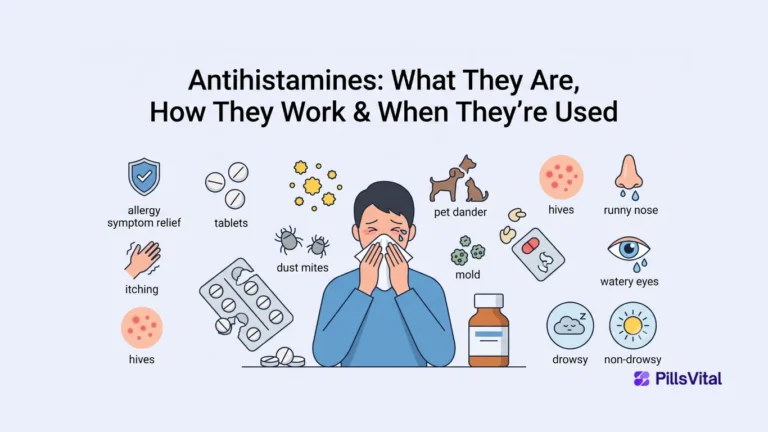
Sneezing, a runny or itchy nose, watery eyes, skin itching, and hives are common symptoms of allergic reactions. Antihistamines are medicines that can help relieve many of these symptoms by reducing the effects of histamine in the body.
However, antihistamines are not all the same. Some older antihistamines can cause considerable drowsiness, while many newer options are less likely to cause sleepiness. They are also available in different forms, including tablets, capsules, liquids, nasal sprays, eye drops, and topical preparations.
The right antihistamine depends on the symptoms being treated, the person’s age and health conditions, other medicines being taken, and the specific active ingredient. Understanding how antihistamines work, what they are used for, their differences, side effects, and safety precautions can help you have a more informed conversation with a doctor or pharmacist.
According to the NHS, antihistamines may be used for conditions such as hay fever, hives, conjunctivitis, and reactions to insect bites or stings. Some antihistamines also have other medical uses, including motion sickness, nausea, vomiting, or short-term sleep problems, depending on the specific medicine.
Important: This article is for general educational purposes and does not replace advice from a doctor or pharmacist. Always follow the instructions for the specific antihistamine you are using.
What Are Antihistamines?
Antihistamines are medicines that reduce the effects of histamine, a chemical involved in the body’s immune response.
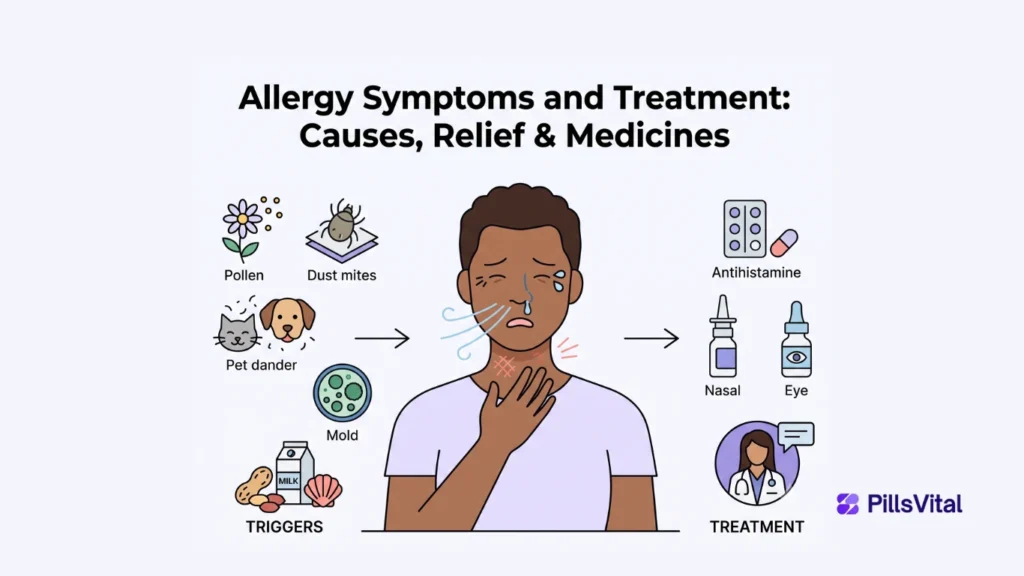
When the immune system encounters an allergen such as pollen, dust mites, mold, animal dander, or certain foods or medicines, it can trigger the release of histamine. Histamine can then contribute to symptoms such as sneezing, itching, runny nose, watery eyes, skin irritation, and hives.
Most commonly used antihistamines work by interfering with histamine’s action at H1 receptors. This can reduce many of the symptoms associated with allergic reactions.
What symptoms can antihistamines relieve?
Depending on the medicine and condition, antihistamines may help relieve:
- Sneezing
- Runny nose
- Itchy nose or throat
- Itchy or watery eyes
- Skin itching
- Hives
- Some mild allergy-related skin symptoms
Antihistamines do not remove the underlying cause of an allergy. Instead, they primarily help control symptoms while the medicine is active.
Do antihistamines cure allergies?
Usually, no.
Antihistamines generally do not eliminate the underlying allergic sensitivity. For example, if pollen triggers your symptoms, an antihistamine may reduce sneezing and itching, but it does not permanently stop your immune system from reacting to pollen.
Long-term allergy management may also involve avoiding known triggers, using other medicines when appropriate, or considering allergy immunotherapy under the guidance of an allergy specialist.
How Do Antihistamines Work?
To understand antihistamines, it helps to understand histamine.
When the immune system encounters an allergen, it can trigger the release of histamine. Histamine then interacts with receptors in different tissues.
This can contribute to:
Allergen → immune response → histamine release → allergy symptoms
An antihistamine interferes with the effects of histamine at its receptors.
The result can be a reduction in symptoms such as:
Histamine activity → sneezing, itching, runny nose, watery eyes, hives
Antihistamine → blocks/reduces histamine effects → symptoms may improve
This is why antihistamines can be useful for several histamine-related allergy symptoms.
However, not every allergy symptom responds equally well to an antihistamine. For example, nasal congestion can sometimes require a different or additional treatment approach.
Which Allergy Symptoms Do Antihistamines Help?
Antihistamines are particularly useful for symptoms caused or strongly influenced by histamine. However, they may not work equally well for every allergy symptom.
| Allergy symptom | Can antihistamines help? | Important consideration |
|---|---|---|
| Sneezing | Yes | Commonly associated with allergic rhinitis |
| Runny nose | Yes | May improve allergy-related nasal symptoms |
| Itchy nose | Yes | Histamine can contribute to nasal itching |
| Itchy or watery eyes | Yes | Oral antihistamines or specific eye drops may be used |
| Hives | Yes | Often used to reduce itching and wheals |
| Skin itching | Sometimes | Treatment depends on the underlying cause |
| Nasal congestion | Sometimes | Another treatment, such as a nasal corticosteroid, may be more effective |
| Severe allergic reaction | No | Emergency treatment is required |
This distinction is important because an antihistamine is not a universal treatment for every type of allergy symptom. The most appropriate treatment depends on the cause, severity, and location of the symptoms.
What Are Antihistamines Used For?
Antihistamines have several uses, although the exact approved uses vary according to the specific medicine.
1. Allergic rhinitis
Allergic rhinitis, commonly called hay fever, can cause:
- Sneezing
- Runny nose
- Itchy nose
- Nasal irritation
- Watery eyes
- Itchy eyes
Antihistamines can help relieve many of these symptoms.
2. Hives and itching
Antihistamines are commonly used to relieve itching associated with hives, also known as urticaria.
Hives typically appear as raised, itchy areas on the skin. The symptoms can develop suddenly and may disappear and reappear.
Certain antihistamines can help reduce the itching and other histamine-related symptoms.
3. Allergic conjunctivitis
Allergies can affect the eyes and cause:
- Itching
- Redness
- Watering
- Irritation
Depending on the symptoms, antihistamines may be available as oral medicines or eye drops.
4. Reactions to insect bites and stings
Some allergic reactions to insect bites or stings can involve itching, redness, or swelling. Antihistamines may be used to relieve certain mild symptoms.
However, severe reactions require emergency medical attention rather than relying on an antihistamine alone.
5. Motion sickness and nausea
Some antihistamines are also used for motion sickness and nausea.
This is different from their use for seasonal allergies and depends on the specific medicine.
The NHS lists certain antihistamines among medicines that may be used for motion sickness, nausea, and vomiting.
First-Generation vs Second-Generation Antihistamines
Antihistamines are often classified as first-generation or second-generation medicines. One of the most noticeable differences is their tendency to cause drowsiness.
| Feature | First-generation antihistamines | Second-generation antihistamines |
|---|---|---|
| Drowsiness | More likely | Generally less likely |
| Examples | Diphenhydramine, chlorpheniramine | Fexofenadine, loratadine, cetirizine |
| Effect on alertness | More likely to impair alertness | Usually less sedating |
| Duration | Many have a shorter duration | Many provide longer-lasting relief |
| Daytime use | May be less suitable when alertness is important | Often preferred when minimizing drowsiness is important |
First-generation antihistamines can enter the brain more readily and are therefore more likely to cause sedation and other effects such as reduced alertness.
Many second-generation antihistamines are less likely to cause significant drowsiness, although individual responses vary. Even an antihistamine described as “non-drowsy” can cause sleepiness in some people.
If you are taking an antihistamine for the first time, understand how it affects you before driving, cycling, or operating machinery.
What Are Non-Drowsy Antihistamines?
Non-drowsy antihistamines are medicines that are generally less likely to cause sleepiness than older antihistamines.
Examples include:
- Fexofenadine
- Loratadine
- Cetirizine
- Levocetirizine
- Desloratadine
However, “non-drowsy” does not mean that sleepiness is impossible.
Individual responses vary. If you are taking an antihistamine for the first time, it is important to understand how it affects you before driving or operating machinery.
If you’re comparing allergy medicines, you can also explore our anti-allergic medicines collection to learn more about commonly used allergy-treatment options.
Common Antihistamine Ingredients
Different antihistamines contain different active ingredients.
Fexofenadine
Fexofenadine is a commonly used antihistamine for allergy symptoms and is generally considered less sedating than many older antihistamines.
It may be used for symptoms such as sneezing, runny nose, itchy eyes, and other allergy-related symptoms depending on the specific product and indication.
Cetirizine
Cetirizine is an antihistamine used for allergy symptoms such as sneezing, runny nose, itchy nose or throat, watery eyes, and hives.
Loratadine
Loratadine is another antihistamine used for symptoms including sneezing, runny nose, itchy nose or throat, and red or watery eyes.
Diphenhydramine
Diphenhydramine is an older antihistamine that can cause drowsiness. It is used for certain allergy and cold symptoms and has other uses depending on the product.
Important: These medicines should not be considered interchangeable simply because they belong to the same drug class.
Are All Antihistamines the Same?
No. Although antihistamines belong to the same broad medicine class, individual medicines can differ in their active ingredients, duration of action, formulations, approved uses, and likelihood of causing side effects.
For example, fexofenadine, loratadine, cetirizine, and diphenhydramine are all antihistamines, but they are not automatically interchangeable.
Differences may include:
- How quickly the medicine starts working
- How long symptom relief lasts
- How likely it is to cause drowsiness
- Which symptoms or conditions it is approved to treat
- Available strengths and formulations
- Potential interactions with other medicines
- Whether it is appropriate for a particular age group or medical condition
For this reason, choosing an antihistamine based only on the fact that another antihistamine worked well for someone else may not be appropriate.
Always check the specific product information or ask a pharmacist or doctor if you are unsure which medicine is suitable.
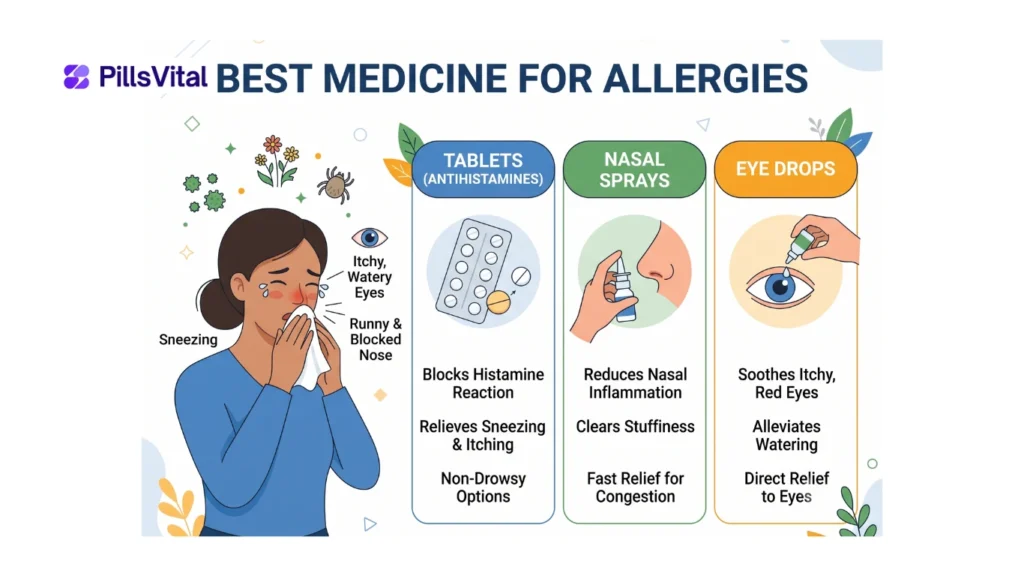
Antihistamine Tablets, Liquids, Nasal Sprays and Eye Drops
Antihistamines aren’t available only as tablets.
Depending on the active ingredient and product, they may be available as:
- Tablets
- Capsules
- Chewable tablets
- Liquids
- Syrups
- Nasal sprays
- Eye drops
- Creams or topical preparations
- Other formulations
MedlinePlus notes that antihistamines are available in several forms, including pills, liquids, nasal sprays, eye drops, and injections used mainly in healthcare settings.
The appropriate form depends on where your symptoms are occurring and which medicine is being used.
For example, someone with predominantly itchy, watery eyes may use a different formulation from someone experiencing widespread hives.
How Long Do Antihistamines Take to Work?
The timing depends on the specific antihistamine and formulation.
Some antihistamines work relatively quickly, while others are formulated to provide longer-lasting symptom control.
MedlinePlus notes that some antihistamines may last approximately 4–6 hours, while others can last 12–24 hours.
This is one reason it is important to follow the instructions for the specific medicine rather than assuming that all antihistamines should be taken in the same way.
Antihistamine Side Effects
Like all medicines, antihistamines can cause side effects. The likelihood and severity depend on the specific active ingredient, formulation, dose, and individual response.
Possible side effects include:
Drowsiness or sleepiness
Dry mouth
Dizziness
Headache
Blurred vision
Nausea
Constipation
Difficulty urinating
Reduced coordination or reaction speed with some older antihistamines
Why does drowsiness matter?
Some first-generation antihistamines can cause significant sedation. This may affect:
Alertness
Concentration
Reaction time
Coordination
Driving ability
Do not drive or operate machinery until you know how an antihistamine affects you.
Even newer antihistamines that are generally considered less sedating can occasionally cause sleepiness. If unusual or severe side effects occur, contact a healthcare professional.
Can You Drink Alcohol While Taking Antihistamines?
Alcohol may increase drowsiness and impairment caused by some antihistamines, particularly medicines that are already sedating.
Combining alcohol with a sedating antihistamine may make you more sleepy, less alert, and less coordinated.
For safety, check the information supplied with your specific medicine and ask a pharmacist or doctor if you are unsure whether alcohol is appropriate.
Do not drive or operate machinery if an antihistamine or alcohol makes you drowsy or less alert.
The FDA also warns that alcohol, sedatives, and tranquilizers may increase drowsiness with certain antihistamines
Who Should Be Careful With Antihistamines?
Antihistamines are not automatically appropriate for everyone.
Talk with a doctor or pharmacist before using one if you:
- Are pregnant or breastfeeding
- Are choosing medicine for a young child
- Are an older adult
- Take multiple medicines
- Have kidney or liver disease
- Have heart disease
- Have epilepsy
- Have glaucoma
- Have difficulty urinating
- Have other chronic health conditions
The NHS specifically recommends seeking professional advice in several of these situations because some antihistamines may not be appropriate for everyone.
Antihistamines and Other Medicines
Drug interactions are another reason to check the specific medicine before taking it.
Potential interactions can involve:
- Sedatives
- Tranquilizers
- Certain antidepressants
- Some stomach medicines
- Cold and cough products containing another antihistamine
- Other medicines that cause drowsiness
The NHS recommends speaking with a pharmacist or doctor if you are already taking other medicines.
The FDA similarly advises checking with a doctor or pharmacist when antihistamines are used alongside certain medicines.
Important mistake to avoid
Do not automatically combine two different allergy or cold medicines.
Some combination products may contain the same or similar active ingredients, increasing the risk of taking more medicine than intended.
Always check the active ingredients and follow the product label or professional advice.
Antihistamines vs Other Allergy Treatments
Antihistamines are only one part of allergy treatment.
Depending on the condition, other approaches may include:
Allergen avoidance
Reducing exposure to known triggers can be an important part of allergy management.
Examples include reducing exposure to pollen, dust mites, mold, or animal dander when these are known triggers.
Nasal corticosteroids
For allergic rhinitis, nasal corticosteroid sprays can be particularly effective. MedlinePlus describes them as the most effective treatment for allergic rhinitis.
Saline nasal rinses
Saline rinses can help remove mucus and allergens from the nasal passages and may be useful for some people with allergic rhinitis.
Allergy immunotherapy
For selected patients with persistent allergies, healthcare professionals may consider immunotherapy, such as allergy shots, particularly when avoiding the allergen is difficult.
This demonstrates why the “best allergy medicine” isn’t necessarily the same for everyone.
How to Choose an Antihistamine
There is no single antihistamine that is automatically the best choice for everyone. The appropriate medicine depends on the symptoms, the person’s health, and the specific medicine.
Consider:
1. What symptoms are you treating?
Sneezing, runny nose, itchy eyes, hives, and skin itching may respond to antihistamines, while significant nasal congestion may require a different treatment approach.
2. Do you need to stay alert?
If you need to drive, study, work, or operate machinery, ask a healthcare professional about options that are less likely to cause drowsiness.
3. How long do you need symptom relief?
Different antihistamines have different durations of action. Follow the instructions for the specific medicine rather than assuming all antihistamines have the same dosing schedule.
4. Are you taking other medicines?
Some antihistamines can interact with other medicines or increase drowsiness when combined with sedating drugs.
5. Do you have another medical condition?
Kidney disease, liver disease, glaucoma, urinary problems, cardiovascular conditions, and other health conditions may affect which antihistamine is appropriate.
6. Is the medicine for a child?
Children may require products and doses specifically designed for their age and, depending on the medicine, their weight. Never assume that an adult antihistamine dose is appropriate for a child.
When Should You Seek Medical Help?
Antihistamines can relieve certain allergy symptoms, but they are not a substitute for emergency treatment of anaphylaxis.
Seek emergency medical attention if an allergic reaction causes symptoms such as:
- Difficulty breathing
- Severe wheezing
- Swelling of the tongue or throat
- Fainting
- Severe dizziness
- Rapidly worsening symptoms
Severe allergic reactions require emergency treatment, including epinephrine when appropriate.
Key Safety Points About Antihistamines
Before using an antihistamine, keep these points in mind:
- Check the active ingredient to avoid accidentally taking two products containing the same or similar medicine.
- Do not assume that all antihistamines have the same dose or dosing frequency.
- Be cautious about drowsiness, especially when driving or operating machinery.
- Alcohol may increase drowsiness with some antihistamines.
- Ask a healthcare professional before use in young children, during pregnancy or breastfeeding, or if you have significant medical conditions.
- Check for interactions if you take prescription medicines, over-the-counter medicines, or other allergy and cold products.
- Antihistamines are not a substitute for emergency treatment of anaphylaxis.
- Seek medical advice if allergy symptoms are persistent, severe, unusual, or worsening.
Frequently Asked Questions About Antihistamines
What do antihistamines do?
Antihistamines block or reduce the effects of histamine and can relieve symptoms such as sneezing, itching, runny nose, watery eyes, and hives.
Are antihistamines used for allergies?
Yes. Antihistamines are commonly used to relieve symptoms associated with allergic rhinitis, hives, allergic conjunctivitis, and some other allergic reactions.
Which antihistamines are non-drowsy?
Fexofenadine, loratadine, cetirizine, levocetirizine, and desloratadine are generally considered less sedating than many older antihistamines, although some people may still experience drowsiness.
Can antihistamines make you sleepy?
Yes. Some antihistamines are significantly more sedating than others. Even some newer antihistamines can occasionally cause drowsiness.
Can I take antihistamines every day?
Some antihistamines can be used regularly when appropriate, but the correct duration and frequency depend on the specific medicine and your condition. Follow the product instructions or advice from a healthcare professional.
Can antihistamines treat severe allergic reactions?
Antihistamines can help with some mild allergy symptoms, but they should not be relied upon as the primary emergency treatment for anaphylaxis. Severe allergic reactions require emergency medical care.
Are all antihistamines the same?
No. They differ in active ingredient, duration, formulation, sedation potential, approved uses, and precautions.
What is the best antihistamine for allergies?
There is no single antihistamine that is best for everyone. The appropriate choice depends on the symptoms, age, medical conditions, other medicines, and whether avoiding drowsiness is important. The NHS notes that there is not much evidence that one antihistamine is universally better than another for allergy relief.
Final Takeaway
Antihistamines are an important group of medicines used to manage many allergy-related symptoms. They work primarily by reducing the effects of histamine and can help with problems such as sneezing, itching, runny nose, watery eyes, and hives.
However, different antihistamines have different properties. Some are more likely to cause drowsiness, while others are generally less sedating. The best option depends on the symptoms being treated, the person’s age and health, other medicines being taken, and the specific active ingredient.
For persistent, severe, unusual, or worsening symptoms, consult a healthcare professional rather than repeatedly self-treating.
Medical References
- NHS. Antihistamines. NHS.
- MedlinePlus Antihistamines for allergies. U.S. National Library of Medicine.
- MedlinePlus. Allergic rhinitis. U.S. National Library of Medicine.
- U.S. Food and Drug Administration (FDA). Drug Interactions: What You Should Know.
- MedlinePlus. Allergies. U.S. National Library of Medicine
Related Health Resources
-
Prednisolone 20mg (Omnacortil) Tablets
$38.00 – $110.00Price range: $38.00 through $110.00 This product has multiple variants. The options may be chosen on the product page -
Prednisolone 40mg (Omnacortil) Tablets
$41.00 – $118.00Price range: $41.00 through $118.00 This product has multiple variants. The options may be chosen on the product page -
Allegra M (Fexofenadine) Tablets
$55.00 – $160.00Price range: $55.00 through $160.00 This product has multiple variants. The options may be chosen on the product page -

Montelukast 10mg (Montair) Tablet
$52.00 – $140.00Price range: $52.00 through $140.00 This product has multiple variants. The options may be chosen on the product page
🩺 Related Allergy Guides

Dr. Emily Carter specializes in evidence-based health education and wellness content. She focuses on simplifying complex medical topics related to cancer awareness, nutrition, preventive healthcare, skincare, and lifestyle wellness for readers worldwide.
This content is reviewed for medical accuracy, clarity, and alignment with current public health research. The article is intended for educational and informational purposes only and should not replace professional medical advice, diagnosis, or treatment.
One Response