
Fexofenadine for Allergies: Uses, How It Works, Side Effects & Precautions
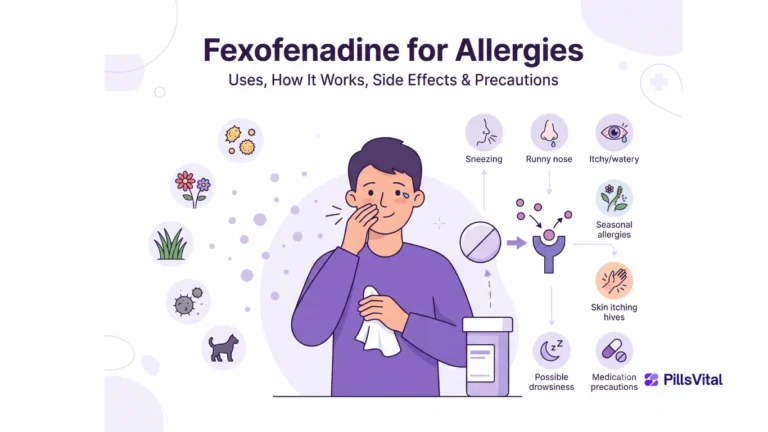
Allergies can turn ordinary activities into an uncomfortable routine of sneezing, runny nose, nasal congestion, itchy eyes and constant irritation. Whether symptoms appear during pollen season or after exposure to dust, pets or other allergens, an antihistamine may help control some of these symptoms.
Fexofenadine is a second-generation antihistamine commonly used to relieve several allergy symptoms. For detailed information about fexofenadine products, including approved uses and safety information, see the FDA’s official drug information. It is particularly known for causing less drowsiness than many older antihistamines, although some people can still experience sleepiness. Allergies can turn ordinary activities into an uncomfortable routine of sneezing, runny nose, nasal congestion, itchy eyes and constant irritation. Whether symptoms appear during pollen season or after exposure to dust, pets or other allergens, an antihistamine may help control some of these symptoms.
But how exactly does fexofenadine work? What allergies can it help with? How quickly does it start working, and what side effects or precautions should you know about?
This guide explains fexofenadine for allergies, including its uses, mechanism of action, common side effects, precautions, interactions and practical considerations when choosing an allergy medicine.
Medical note: This article is for general educational information and does not replace advice from a doctor or pharmacist. Follow the instructions on your specific fexofenadine product or those provided by a healthcare professional.
What Is Fexofenadine?
Fexofenadine is an antihistamine medication used to relieve symptoms associated with allergic conditions. You can also review the MedlinePlus drug information for fexofenadine for information about uses, directions, precautions and possible side effects.
It belongs to a group known as second-generation antihistamines. Compared with older first-generation antihistamines, second-generation medicines are generally designed to produce less sedation.
Fexofenadine is used for symptoms such as:
- Sneezing
- Runny nose
- Itchy nose or throat
- Itchy or watery eyes
- Other symptoms associated with allergic rhinitis
- Hives and associated itching
It works by blocking the effects of histamine, a chemical involved in the body’s allergic response.
Fexofenadine does not remove the underlying cause of an allergy. Instead, it helps control symptoms after exposure to an allergen.
What Is Fexofenadine Used For?
One of the most useful questions when considering an allergy medicine is which symptoms or conditions it is actually intended to treat.
Fexofenadine may be used for several histamine-related allergic symptoms.
1. Seasonal Allergies
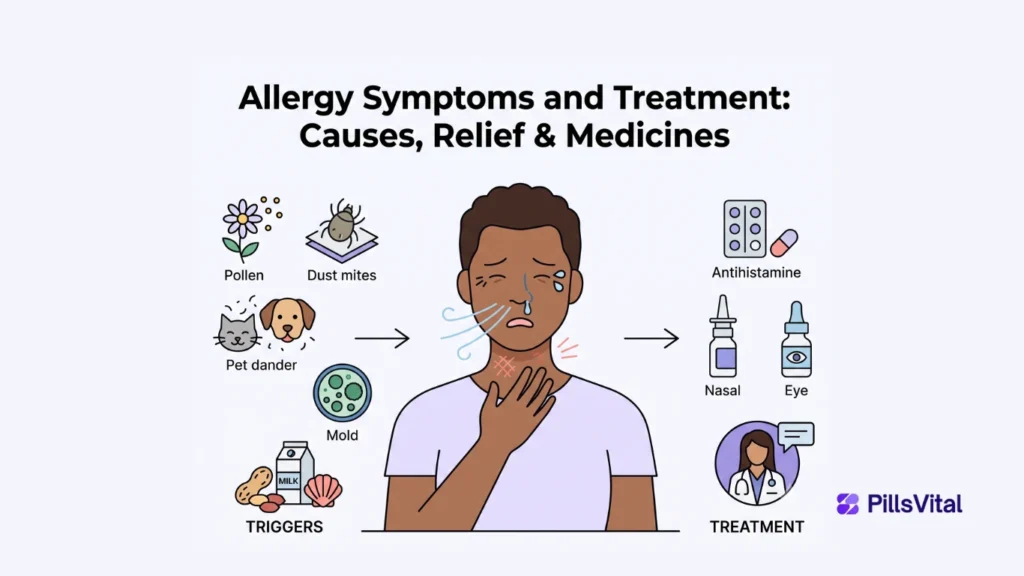
Seasonal allergic rhinitis, often called hay fever, can occur when a person reacts to airborne allergens such as pollen.
Typical symptoms include:
- Frequent sneezing
- Runny nose
- Itchy nose
- Watery eyes
- Itchy eyes
- Throat irritation
Fexofenadine may help reduce many of these symptoms.
Seasonal allergies can vary considerably from person to person, so the most appropriate treatment depends on the symptoms and their severity.
2. Perennial Allergic Rhinitis
Some allergies occur throughout the year rather than during one particular season.
Common indoor triggers can include:
- House dust mites
- Pet allergens
- Mold
- Indoor environmental allergens
People with perennial allergic rhinitis may experience persistent or recurring sneezing, nasal irritation and watery or itchy eyes.
Fexofenadine may be used to manage these histamine-related symptoms.
3. Pollen Allergies
Pollen from trees, grasses and weeds can trigger allergic reactions in susceptible individuals.
Symptoms may become particularly noticeable during periods when pollen levels are high.
An antihistamine such as fexofenadine can help reduce symptoms caused by the body’s response to the allergen.
However, medication is only one part of allergy management. Reducing exposure to the relevant allergen can also be helpful.
4. Allergy-Related Itching and Watery Eyes
Histamine can contribute to itching and irritation around the eyes.
If itchy or watery eyes occur as part of allergic rhinitis, fexofenadine may help because it reduces histamine activity throughout the body.
However, persistent eye redness, pain, vision changes or severe swelling should not automatically be assumed to be an allergy.
5. Hives and Itching
Fexofenadine can also be used for urticaria, commonly known as hives.
Hives can appear as raised, itchy areas of skin and may vary in size and location.
Antihistamines work by reducing histamine’s effect on the body, which can help control itching associated with hives.
If hives occur together with difficulty breathing, swelling of the tongue or throat, faintness or severe symptoms, emergency medical attention is needed.
How Does Fexofenadine Work for Allergies?
To understand fexofenadine, it helps to understand what happens during an allergic reaction.
When someone with an allergy encounters a trigger, their immune system can respond excessively to a normally harmless substance.
This process can involve the release of histamine.
Histamine contributes to symptoms such as:
Allergen exposure → immune response → histamine activity → allergy symptoms
Histamine can cause:
- Itching
- Sneezing
- Runny nose
- Watery eyes
- Skin irritation
- Other allergy-related symptoms
Fexofenadine works primarily by blocking H1 histamine receptors. For additional information about fexofenadine’s mechanism, uses and safety considerations, readers can refer to official medication information from the U.S. National Library of Medicine.
This prevents histamine from producing some of its usual effects.
In simple terms:
Fexofenadine doesn’t eliminate the allergen. It reduces the body’s response to histamine.
That’s why you may still react to pollen, dust or another allergen even when taking an antihistamine—the medicine is controlling symptoms rather than removing the trigger.
Is Fexofenadine a Non-Drowsy Antihistamine?
Fexofenadine is considered a less-sedating or non-sedating antihistamine compared with many older antihistamines.
One reason is that it has relatively limited penetration into the brain compared with first-generation antihistamines.
However, “non-drowsy” does not necessarily mean that nobody will feel sleepy.
Some people may still experience:
- Drowsiness
- Fatigue
- Headache
- Dizziness
If you notice sleepiness after taking fexofenadine, avoid driving or operating machinery until you know how the medicine affects you.
How Long Does Fexofenadine Take to Work?
The time required for an antihistamine to start relieving symptoms can vary between individuals and products.
Fexofenadine is generally considered a relatively fast-acting antihistamine, with effects beginning after administration.
However, don’t take extra doses simply because your symptoms have not improved immediately.
Always follow the dosing instructions supplied with your particular medicine.
If your allergy symptoms remain uncontrolled despite appropriate use, speak with a healthcare professional rather than increasing the dose yourself.
How Long Does Fexofenadine Last?
Fexofenadine is designed to provide prolonged antihistamine activity, which is why some formulations are taken once daily.
However, available formulations and dosing schedules can differ.
The correct dose depends on factors such as:
- Age
- Medical condition
- Kidney function
- Specific product strength
- Other medicines being taken
Always check the product label or follow your healthcare professional’s instructions.
Fexofenadine for Runny Nose and Sneezing
Sneezing and a watery or runny nose are classic symptoms of allergic rhinitis.
They occur partly because histamine and other inflammatory substances affect the nasal passages.
By blocking H1 histamine receptors, fexofenadine can help reduce these symptoms.
If nasal congestion is your dominant symptom, however, an antihistamine alone may not always provide enough relief.
Depending on the cause and severity, healthcare professionals may recommend other treatments such as saline rinses or appropriate nasal medications.
Fexofenadine for Itchy, Watery Eyes
Allergic eye symptoms can include:
- Itching
- Watering
- Redness
- Burning or irritation
Fexofenadine may help when these symptoms are part of a broader allergic reaction.
For significant eye symptoms, however, an allergy-specific eye drop may sometimes be more appropriate.
A healthcare professional can help determine whether symptoms are caused by allergy or another eye condition.
Common Fexofenadine Side Effects
Most people tolerate fexofenadine well, but side effects can occur.
Some commonly reported effects include:
- Headache
- Nausea
- Dizziness
- Fatigue
- Mild drowsiness in some people
The exact side-effect profile can vary according to the formulation and individual.
If a side effect is persistent, severe or concerning, consult a doctor or pharmacist. For more information about common and serious side effects, see the NHS information on fexofenadine.
Can Fexofenadine Cause Drowsiness?
This is one of the most common questions people ask about antihistamines.
Fexofenadine generally has a lower tendency to cause drowsiness than many first-generation antihistamines.
However, individual responses differ.
You should be cautious when first taking the medicine, particularly if you need to:
- Drive
- Operate machinery
- Work at heights
- Perform tasks requiring alertness
Do not assume that a medicine labeled “non-drowsy” will have exactly the same effect on everyone.
Fexofenadine Precautions
Before using fexofenadine, consider whether any of the following apply to you.
Kidney Problems
People with reduced kidney function may require a different dosing approach.
If you have kidney disease or reduced kidney function, discuss fexofenadine with your doctor or pharmacist before using it.
Pregnancy and Breastfeeding
If you are pregnant, planning pregnancy or breastfeeding, ask a healthcare professional whether fexofenadine is appropriate for you.
Medication decisions during pregnancy and breastfeeding should consider both the potential benefits and risks. Before using fexofenadine, review the fexofenadine precautions and medication information and speak with a healthcare professional if you have questions.
Children
Not every fexofenadine product or strength is suitable for children.
Do not assume that an adult formulation can simply be divided or adjusted for a child.
Use a pediatric formulation and dose only according to the product labeling or professional medical advice.
Fexofenadine and Drug Interactions
Although fexofenadine is generally considered to have a relatively favorable interaction profile, certain medicines and products can affect how it works.
One important consideration is fruit juice.
Some fruit juices, particularly grapefruit, orange and apple juice, can reduce the amount of fexofenadine absorbed into the body with certain formulations. Because food, beverages and other medicines can affect how some formulations are used, check the official fexofenadine medication information before taking it.
For this reason, check the instructions for your particular product and follow the recommended method of administration.
Other medicines can also potentially affect fexofenadine.
Tell your doctor or pharmacist about:
- Prescription medicines
- Over-the-counter medicines
- Vitamins
- Supplements
- Other antihistamines
Avoid combining multiple antihistamines unless a healthcare professional specifically recommends doing so.
Can You Take Fexofenadine Every Day?
Some fexofenadine products are specifically designed for regular daily use when indicated.
Whether daily use is appropriate depends on why you are taking it, the product strength, your age, kidney function and other individual factors.
For recurring seasonal allergies, regular treatment may sometimes be recommended during periods of exposure.
For persistent symptoms, however, it’s worth identifying the underlying trigger rather than relying indefinitely on self-treatment.
When Should You Take Fexofenadine?
The best time depends on the particular product and dosing instructions.
Some people prefer taking their allergy medicine at the same time each day to maintain a consistent routine.
More important than choosing a particular hour is following the instructions for your specific formulation.
Also pay attention to whether your product recommends taking it with water and avoiding certain fruit juices around the time of administration.
Fexofenadine vs Other Allergy Medicines
Fexofenadine is only one of several medicines available for allergy symptoms.
| Medicine type | Common role | Drowsiness potential |
|---|---|---|
| Fexofenadine | Allergic rhinitis, hives | Generally low |
| Other second-generation antihistamines | Allergy symptoms | Usually low to moderate |
| First-generation antihistamines | Allergy symptoms | Often higher |
| Nasal corticosteroids | Nasal allergy symptoms | Generally not sedating |
| Antihistamine eye drops | Eye allergy symptoms | Usually low |
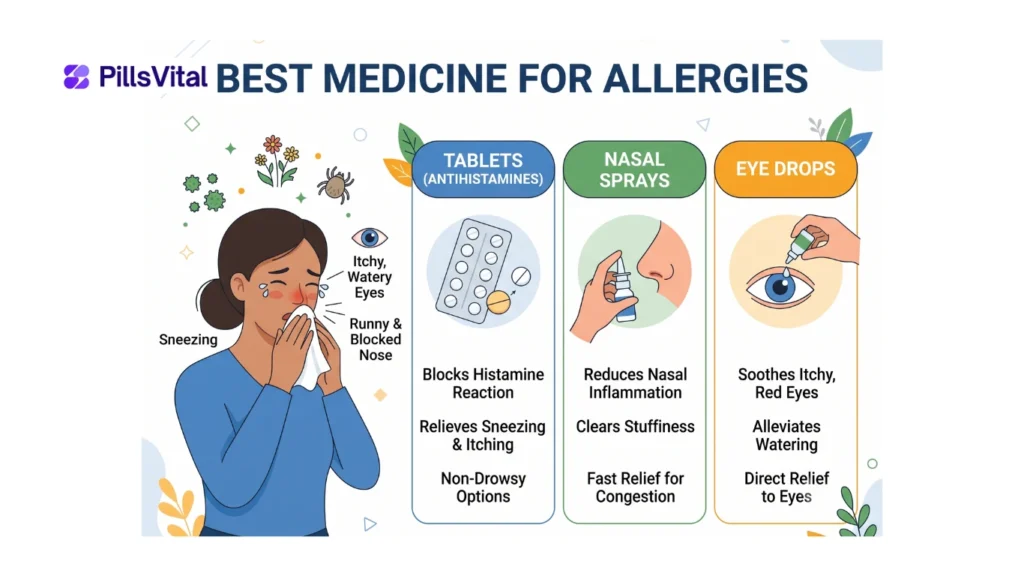
There is no universally “best allergy medicine.”
The right option depends on:
- Your main symptoms
- How often symptoms occur
- Your age
- Other medicines
- Existing health conditions
- Side-effect tolerance
- Whether symptoms are primarily nasal, ocular or skin-related
Fexofenadine vs Cetirizine: Which Is Better?
Fexofenadine and cetirizine are both second-generation antihistamines frequently used for allergic symptoms.
One important difference is their potential for sedation.
Fexofenadine generally has a lower tendency to cause drowsiness, while cetirizine can cause noticeable sleepiness in some people.
That doesn’t mean fexofenadine is automatically better.
A person who responds well to cetirizine may prefer it, while someone who wants to minimize sedation may discuss fexofenadine with a pharmacist or doctor.
Individual response matters.
Fexofenadine vs Loratadine
Loratadine is another commonly used second-generation antihistamine.
Both medicines are used to manage allergy symptoms and are generally considered less sedating than older antihistamines.
The choice may depend on:
- Individual response
- Duration of symptoms
- Other medications
- Side effects
- Medical history
- Product availability
Rather than switching repeatedly between antihistamines, discuss persistent symptoms with a healthcare professional.
How to Get Better Results From Allergy Treatment
Medication isn’t the only way to manage allergies.
You can also reduce exposure to known triggers.
For pollen allergies
Consider:
- Checking local pollen conditions
- Keeping windows closed when pollen levels are high
- Showering after spending time outdoors
- Changing clothes after outdoor activities
For dust-mite allergies
Helpful measures can include:
- Washing bedding regularly
- Reducing dust accumulation
- Using appropriate allergen-resistant bedding covers
- Keeping indoor humidity under control
For pet allergies
Reducing exposure to the allergen may help, although completely avoiding exposure can be difficult.
Cleaning routines and keeping pets away from certain areas of the home may reduce allergen exposure.
When Should You See a Doctor?
Self-treatment may be reasonable for occasional mild allergy symptoms, but medical advice is important when symptoms are:
- Severe
- Persistent
- Getting worse
- Affecting sleep
- Interfering with work or school
- Not responding to appropriate treatment
- Difficult to distinguish from an infection or another condition
Seek urgent medical attention if an allergic reaction causes difficulty breathing, throat or tongue swelling, fainting or other signs of a severe systemic reaction.
Frequently Asked Questions About Fexofenadine for Allergies
Is fexofenadine good for allergies?
Fexofenadine can be effective for several histamine-related allergy symptoms, including sneezing, runny nose, itchy or watery eyes and itching associated with hives. Whether it is the most appropriate option depends on your symptoms and individual circumstances.
Is fexofenadine a steroid?
No. Fexofenadine is an antihistamine, not a corticosteroid.
Does fexofenadine make you sleepy?
It is generally less likely to cause drowsiness than many older antihistamines, but some people can still experience sleepiness or fatigue.
Can I take fexofenadine for seasonal allergies?
Fexofenadine may be used to manage symptoms associated with seasonal allergic rhinitis. Follow the dosing instructions for your specific product.
Does fexofenadine help with a blocked nose?
It can help some allergy-related nasal symptoms, but severe nasal congestion may respond better to other allergy treatments. The best option depends on the cause and overall symptom pattern.
Can fexofenadine help itchy eyes?
It may reduce itchy or watery eyes associated with allergies. Persistent or painful eye symptoms should be evaluated rather than automatically treated as allergies.
How quickly does fexofenadine work?
Fexofenadine is generally considered a relatively fast-acting antihistamine, but individual response can vary.
Can I take fexofenadine with other antihistamines?
Do not combine antihistamines unless your doctor or pharmacist specifically advises you to do so.
Can I take fexofenadine with fruit juice?
Certain fruit juices, including apple, orange and grapefruit juice, can interfere with absorption of some fexofenadine formulations. Follow the instructions supplied with your product and use water when recommended.
Is fexofenadine suitable for children?
Some fexofenadine products are available for children, but the appropriate age, formulation and dose vary. Use pediatric products according to their labeling or professional medical advice.
Bottom Line: Is Fexofenadine a Good Allergy Medicine?
Fexofenadine is a commonly used second-generation antihistamine that can help relieve many allergy symptoms without the level of sedation associated with some older antihistamines.
It may be useful for:
- Seasonal allergies
- Perennial allergic rhinitis
- Pollen-related symptoms
- Sneezing
- Runny nose
- Itchy or watery eyes
- Hives and associated itching
However, choosing an allergy medicine shouldn’t be based only on whether a medicine is marketed as “non-drowsy.”
Your specific symptoms, age, other medicines, kidney function and medical history can all influence which treatment is appropriate.
If symptoms continue despite treatment, consider speaking with a healthcare professional about whether you need a different antihistamine, a nasal treatment, allergy testing or another approach.
Related Health Resources
-
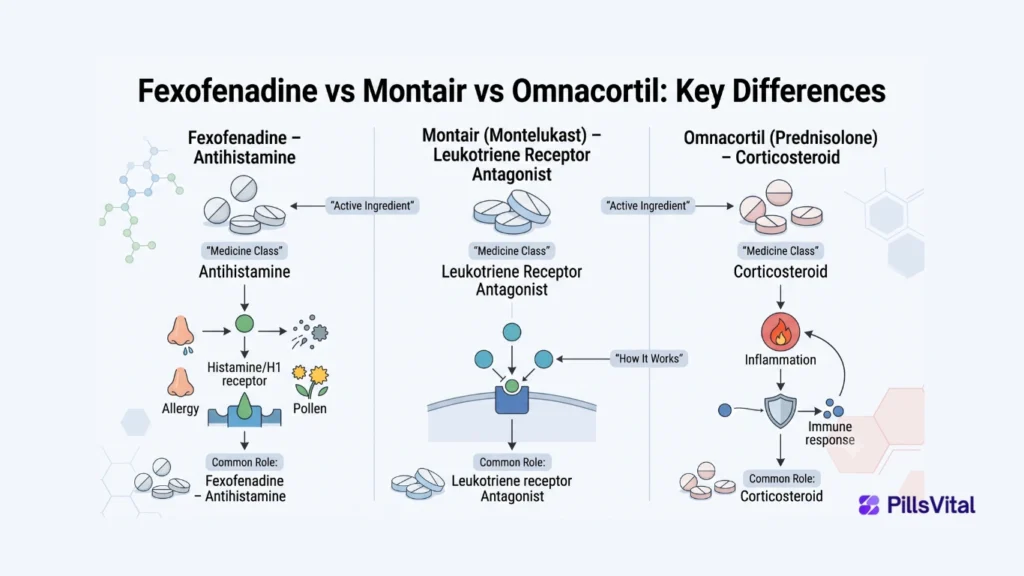
Prednisolone 20mg (Omnacortil) Tablets
$38.00 – $110.00Price range: $38.00 through $110.00 This product has multiple variants. The options may be chosen on the product page -
Prednisolone 40mg (Omnacortil) Tablets
$41.00 – $118.00Price range: $41.00 through $118.00 This product has multiple variants. The options may be chosen on the product page -
Allegra M (Fexofenadine) Tablets
$55.00 – $160.00Price range: $55.00 through $160.00 This product has multiple variants. The options may be chosen on the product page -
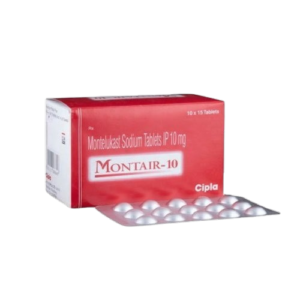
Montelukast 10mg (Montair) Tablet
$52.00 – $140.00Price range: $52.00 through $140.00 This product has multiple variants. The options may be chosen on the product page
🩺 Related Allergy Guides

Dr. Emily Carter specializes in evidence-based health education and wellness content. She focuses on simplifying complex medical topics related to cancer awareness, nutrition, preventive healthcare, skincare, and lifestyle wellness for readers worldwide.
This content is reviewed for medical accuracy, clarity, and alignment with current public health research. The article is intended for educational and informational purposes only and should not replace professional medical advice, diagnosis, or treatment.