
Diabetes and Kidney Disease: Understanding the Connection
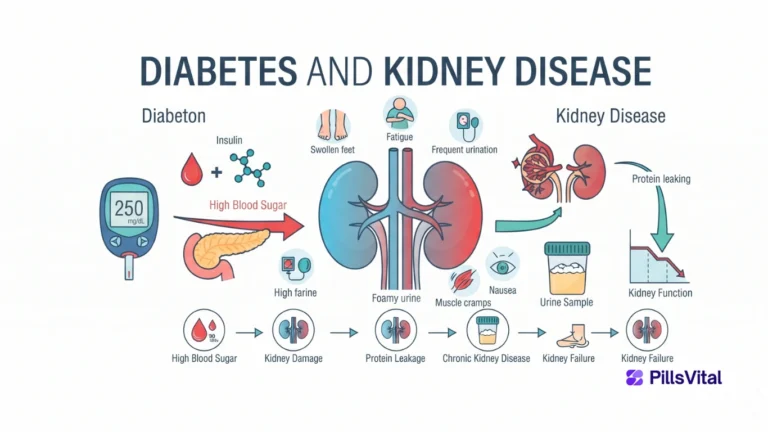
Diabetes is one of the leading causes of kidney disease worldwide. High blood sugar may silently damage the tiny blood vessels inside the kidneys over many years, reducing their ability to filter waste and excess fluid from the body.
The concerning part is that diabetic kidney disease often develops without noticeable symptoms during its early stages. Many people feel perfectly healthy while kidney damage slowly progresses.
The good news is that early diagnosis, proper blood sugar control, healthy lifestyle changes, and appropriate medical treatment can significantly reduce the risk of kidney failure.
In this guide, you’ll learn:
- How diabetes damages the kidneys
- Risk factors
- Early warning signs
- Diagnosis
- Treatment options
- Prevention strategies
- Frequently asked questions
What Is Diabetic Kidney Disease?
Diabetic kidney disease (DKD), also known as diabetic nephropathy, is a chronic condition where long-term high blood sugar damages the kidneys’ filtering units (glomeruli). According to the National Institute of Diabetes and Digestive and Kidney Diseases (NIDDK), diabetes is the leading cause of chronic kidney disease and kidney failure in many countries.
Healthy kidneys:
- Remove waste products
- Filter toxins
- Balance body fluids
- Maintain electrolyte levels
- Help regulate blood pressure
When diabetes damages these filters, protein begins leaking into the urine while kidney function gradually declines.
Without treatment, diabetic kidney disease can progress to chronic kidney disease (CKD) and eventually kidney failure.
Learn more about chronic kidney disease in our Complete Guide to Chronic Kidney Disease (CKD).
How Does Diabetes Damage the Kidneys?
Your kidneys contain nearly one million tiny filtering units called nephrons. Some people with diabetes also develop overactive bladder symptoms. Learn how Mirabegron 50mg (Mirago): A Complete Guide to Better Bladder Control explains treatment options, proper dosing, and possible side effects.
High blood sugar causes:
- Damage to small blood vessels
- Thickening of kidney membranes
- Increased pressure inside the kidneys
- Chronic inflammation
- Scarring of kidney tissue
Over time:
Normal Kidney
⬇
High Blood Sugar
⬇
Blood Vessel Damage
⬇
Protein Leakage
⬇
Reduced Kidney Function
⬇
Chronic Kidney Disease
The longer diabetes remains uncontrolled, the greater the damage becomes.
Type 2 diabetes is the most common cause of diabetic kidney disease because long-term high blood sugar can gradually damage the kidneys’ filtering units. People with prediabetes should take early action, as uncontrolled blood sugar can eventually increase the risk of diabetic kidney disease.
Why Diabetes Is the Leading Cause of Kidney Failure
Nearly one-third of adults with diabetes eventually develop kidney disease.
Several factors contribute:
- Years of uncontrolled blood sugar
- High blood pressure
- Obesity
- High cholesterol
- Smoking
- Family history
- Older age
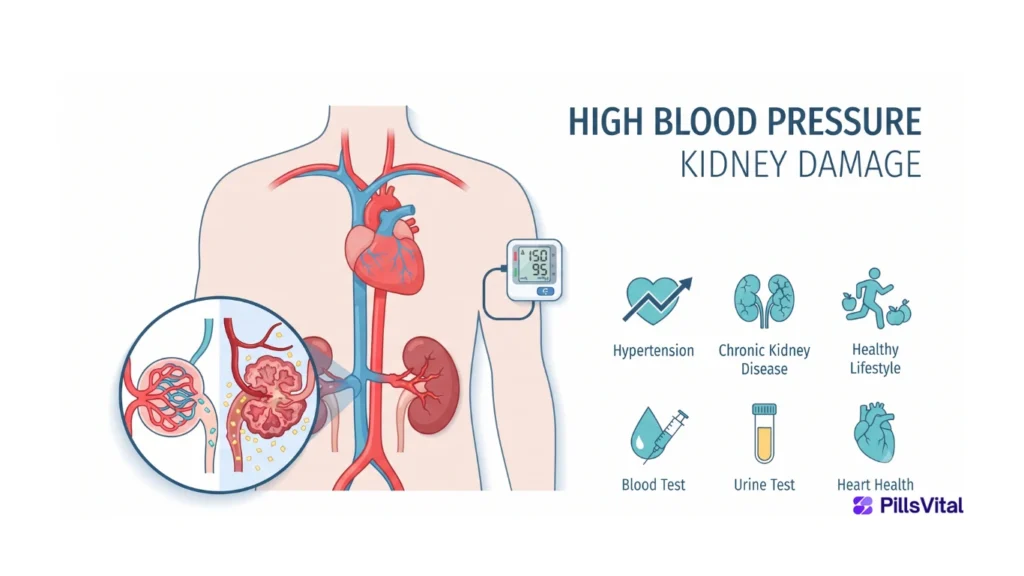
Having both diabetes and hypertension dramatically accelerates kidney damage.
Who Is Most at Risk?
Your risk increases if you have:
- Type 1 diabetes for over 10 years
- Type 2 diabetes
- Poor HbA1c control
- Hypertension
- Obesity
- High LDL cholesterol
- Smoking
- Sedentary lifestyle
- Family history of kidney disease
- Existing cardiovascular disease
Early Symptoms of Diabetic Kidney Disease
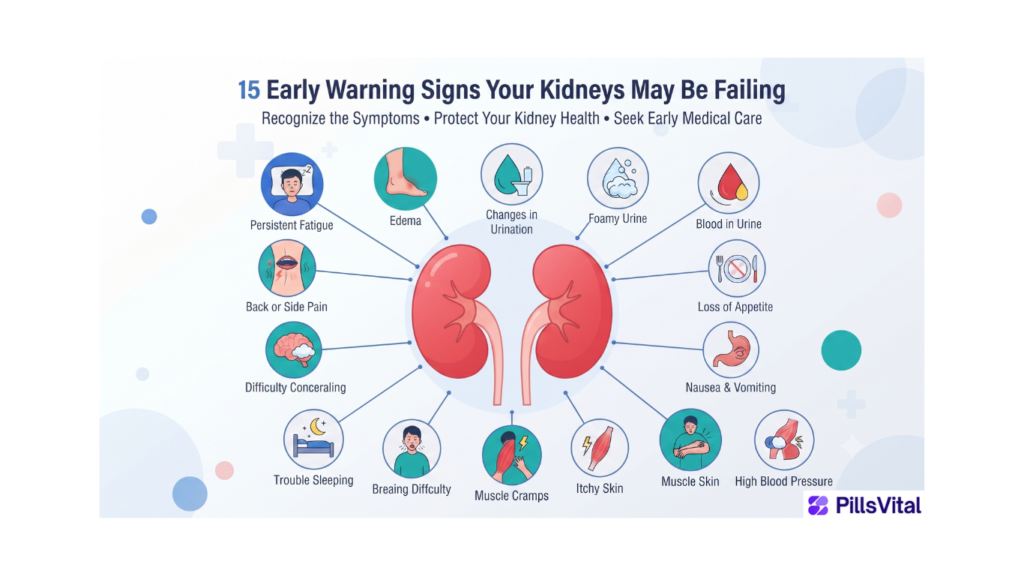
One of the biggest challenges with diabetic kidney disease (DKD) is that it often develops silently. In the early stages, your kidneys may already be damaged, but you may not notice any obvious symptoms. This is why regular kidney screenings, including urine albumin and eGFR tests, are essential for people with diabetes.
As kidney function declines, waste products and excess fluid begin to build up in the body, leading to noticeable symptoms. Recognizing these warning signs early can help you seek medical care before the condition progresses to chronic kidney disease (CKD) or kidney failure.
Swelling (Edema)
Swelling is one of the most common signs of diabetic kidney disease. Healthy kidneys remove excess water and sodium from the body. When the kidneys become damaged, they are less able to eliminate these fluids, causing them to accumulate in body tissues.
You may notice swelling in the:
- Feet
- Ankles
- Lower legs
- Hands
- Face, especially around the eyes
The swelling is often more noticeable at the end of the day or after standing for long periods. Shoes, socks, or rings may feel tighter than usual. If swelling becomes severe or is accompanied by shortness of breath, seek medical attention promptly.
Foamy Urine
Foamy or bubbly urine is often an early indicator of kidney damage. It occurs when protein (albumin) leaks into the urine because the kidneys’ filtering units are no longer functioning properly.
While occasional bubbles in urine can be normal, persistent foam that does not disappear after flushing may indicate proteinuria, a key sign of diabetic kidney disease.
Contact your healthcare provider if you notice:
- Persistent foamy urine
- Cloudy urine
- Changes in urine color
- Blood in the urine
A simple urine test can detect abnormal protein levels before significant kidney damage occurs.
Frequent Urination
Many people with diabetic kidney disease experience an increased need to urinate, particularly at night (nocturia).
This can happen because damaged kidneys lose their ability to properly concentrate urine. Diabetes itself may also increase urine production when blood sugar levels are high.
Frequent urination may include:
- Waking several times during the night
- Passing larger amounts of urine
- Feeling an urgent need to urinate
- Increased thirst due to fluid loss
Although frequent urination can have many causes, people with diabetes should discuss any changes with their healthcare provider.
Fatigue and Low Energy
Persistent tiredness is another common symptom of worsening kidney disease.
When the kidneys cannot effectively remove waste products, toxins build up in the bloodstream. This accumulation can make you feel weak, exhausted, and mentally drained even after getting enough sleep.
Fatigue may also result from anemia, which commonly develops as kidney disease progresses. Damaged kidneys produce less erythropoietin (EPO), a hormone that helps the body make red blood cells.
You may experience:
- Constant tiredness
- Lack of energy
- Reduced exercise tolerance
- Feeling weak during daily activities
- Difficulty completing routine tasks
Poor Appetite
As kidney function declines, waste products accumulate in the blood, affecting digestion and reducing appetite.
People with diabetic kidney disease may notice:
- Feeling full quickly
- Loss of interest in food
- Unintentional weight loss
- Changes in taste perception
- A metallic taste in the mouth
Poor nutrition can further weaken the body and contribute to additional health complications, making early medical evaluation important.
Nausea and Vomiting
Advanced diabetic kidney disease can cause nausea because waste products that healthy kidneys normally remove begin to accumulate in the bloodstream, a condition known as uremia.
Symptoms may include:
- Morning nausea
- Vomiting
- Stomach discomfort
- Bad breath with an ammonia-like odor
- Reduced appetite after meals
Persistent nausea or vomiting should never be ignored, particularly in people living with diabetes.
Muscle Cramps
Painful muscle cramps, especially in the legs, are common as kidney disease progresses.
Damaged kidneys may struggle to maintain proper levels of important minerals and electrolytes, including:
- Calcium
- Potassium
- Magnesium
- Sodium
These imbalances can cause muscles to contract involuntarily, resulting in cramps that may occur during the day or while sleeping.
Staying hydrated and following your healthcare provider’s dietary recommendations may help reduce cramping, but persistent symptoms should be evaluated.
Difficulty Concentrating
As kidney function worsens, toxins that are normally filtered from the blood can begin to affect brain function.
Many people experience:
- Trouble concentrating
- Memory problems
- Brain fog
- Difficulty making decisions
- Reduced attention span
These symptoms often develop gradually and may be mistaken for stress or fatigue. However, in someone with diabetes, persistent cognitive changes should be discussed with a healthcare professional.
Other Symptoms to Watch For
Although less common in the early stages, diabetic kidney disease may also cause:
- High blood pressure that becomes difficult to control
- Dry, itchy skin
- Shortness of breath due to fluid buildup
- Puffiness around the eyes
- Reduced urine output in advanced stages
- Trouble sleeping
- Restless legs syndrome
When Should You See a Doctor?
If you have diabetes, schedule a medical evaluation if you notice any of the following:
- Persistent swelling in your feet, ankles, or face
- Foamy or bloody urine
- Frequent nighttime urination
- Ongoing fatigue without a clear cause
- Loss of appetite or unexplained weight loss
- Persistent nausea or vomiting
- Muscle cramps that occur regularly
- Difficulty concentrating or worsening memory
Early detection is the best way to slow or prevent the progression of diabetic kidney disease. Regular kidney function tests—including a urine albumin test and estimated glomerular filtration rate (eGFR)—can identify kidney damage before symptoms become severe, allowing treatment to begin as early as possible.
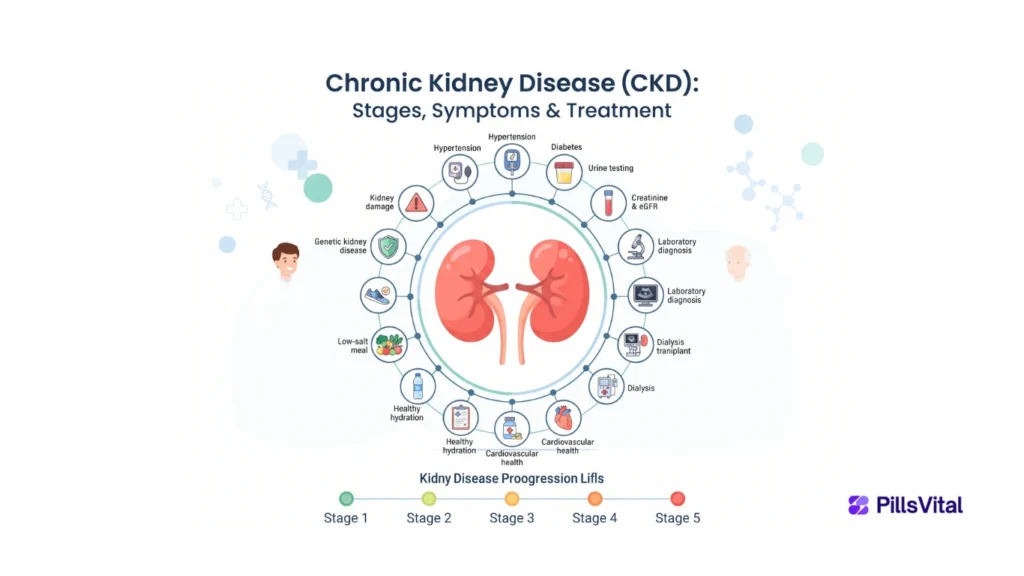
Stages of Diabetic Kidney Disease
Diabetic kidney disease (DKD) develops gradually over many years. As the condition progresses, the kidneys lose their ability to filter waste products, excess fluids, and toxins from the blood. Healthcare providers use the estimated glomerular filtration rate (eGFR) and urine albumin (protein) tests to determine the stage of kidney disease and guide treatment decisions.
Understanding each stage can help people with diabetes take action early and slow the progression of kidney damage.
Stage 1: Kidney Damage with Normal Kidney Function
eGFR: 90 mL/min/1.73 m² or higher
Stage 1 is the earliest phase of diabetic kidney disease. Although the kidneys are still filtering blood normally, early damage has already occurred. Small amounts of protein (albumin) may begin leaking into the urine, indicating that the kidneys’ filtering units (glomeruli) have been affected by high blood sugar.
Common Characteristics
- Kidney damage is present, but filtration remains normal.
- Small amounts of albumin may appear in the urine.
- Blood pressure may begin to rise.
- Most people experience no noticeable symptoms.
Because there are usually no warning signs, Stage 1 is often detected only through routine screening tests. People with diabetes should have regular urine albumin and eGFR tests to identify kidney damage before symptoms develop.
Treatment Goals
- Maintain healthy blood sugar levels.
- Keep blood pressure within the recommended range.
- Follow a balanced, kidney-friendly diet.
- Exercise regularly.
- Stop smoking if applicable.
- Have annual kidney function tests.
Early intervention during Stage 1 offers the best chance of preventing further kidney damage.
Stage 2: Mild Loss of Kidney Function
eGFR: 60–89 mL/min/1.73 m²
In Stage 2, kidney function begins to decline slightly, although the kidneys continue to perform most of their normal functions. Protein leakage into the urine may become more noticeable, indicating that kidney damage is progressing.
Common Characteristics
- Mild decrease in kidney filtration.
- Persistent protein in the urine.
- Blood pressure may become more difficult to control.
- Most people still have no obvious symptoms.
Since symptoms are uncommon, many people remain unaware they have kidney disease unless routine laboratory tests are performed.
Treatment Goals
- Achieve good blood sugar control.
- Treat high blood pressure with prescribed medications.
- Reduce cholesterol levels if necessary.
- Limit sodium intake.
- Maintain a healthy body weight.
- Monitor kidney function regularly.
With proper diabetes management, progression beyond Stage 2 can often be slowed significantly.
Stage 3: Moderate Kidney Damage
eGFR: 30–59 mL/min/1.73 m²
Stage 3 represents moderate kidney disease and is often divided into:
- Stage 3a: eGFR 45–59
- Stage 3b: eGFR 30–44
At this stage, the kidneys are no longer able to efficiently remove waste products and excess fluids from the body. Symptoms often begin to appear, and complications become more common.
Possible Symptoms
- Swelling in the feet, ankles, or legs
- Fatigue and weakness
- Frequent urination, especially at night
- Foamy urine
- High blood pressure
- Muscle cramps
- Poor appetite
- Mild anemia
Possible Complications
- Fluid retention
- Mineral and bone disorders
- Cardiovascular disease
- Worsening hypertension
- Increased risk of infections
Treatment Goals
- Closely monitor kidney function.
- Adjust diabetes medications if necessary.
- Follow a kidney-friendly eating plan.
- Manage blood pressure aggressively.
- Treat anemia and electrolyte imbalances if present.
- Avoid medications that may harm the kidneys, such as certain pain relievers, unless advised by a healthcare provider.
Many people remain in Stage 3 for years with appropriate treatment and healthy lifestyle changes.
Stage 4: Severe Kidney Damage
eGFR: 15–29 mL/min/1.73 m²
Stage 4 indicates severe loss of kidney function. Waste products and excess fluids accumulate in the bloodstream, causing more noticeable symptoms and increasing the risk of serious complications.
Common Symptoms
- Significant swelling
- Persistent fatigue
- Nausea and vomiting
- Loss of appetite
- Difficulty concentrating
- Dry, itchy skin
- Muscle cramps
- Shortness of breath
- Difficulty sleeping
Possible Complications
- Severe high blood pressure
- Anemia
- Bone disease
- Heart disease
- Elevated potassium levels
- Fluid overload
Treatment Goals
During Stage 4, healthcare providers focus on slowing disease progression while preparing for possible kidney replacement therapy.
Treatment may include:
- Strict blood sugar management
- Blood pressure control
- Specialized kidney diet
- Limiting sodium, phosphorus, and potassium as recommended
- Regular visits with a nephrologist (kidney specialist)
- Education about dialysis and kidney transplantation
Planning ahead allows patients to make informed decisions before kidney failure develops.
Stage 5: Kidney Failure (End-Stage Kidney Disease)
eGFR: Less than 15 mL/min/1.73 m²
Stage 5 is the most advanced stage of diabetic kidney disease. At this point, the kidneys have lost nearly all of their ability to filter waste and maintain normal fluid and electrolyte balance.
Without treatment, waste products rapidly accumulate in the body, becoming life-threatening.
Common Symptoms
- Severe fatigue
- Persistent nausea and vomiting
- Severe swelling
- Shortness of breath
- Difficulty sleeping
- Confusion or difficulty concentrating
- Very little urine output
- Loss of appetite
- Weight loss
- Persistent itching
Treatment Options
Because the kidneys can no longer function adequately, kidney replacement therapy becomes necessary.
Dialysis
Dialysis is a treatment that removes waste products, excess fluids, and toxins from the blood when the kidneys can no longer perform this function.
The two main types are:
- Hemodialysis: Blood is filtered through a dialysis machine, usually several times each week at a dialysis center or sometimes at home.
- Peritoneal dialysis: The lining of the abdomen acts as a natural filter, allowing dialysis to be performed at home using a special dialysis solution.
While dialysis does not cure kidney disease, it helps perform many of the essential functions of healthy kidneys.
Kidney Transplant
A kidney transplant replaces the failed kidney with a healthy kidney from a living or deceased donor.
A successful transplant can:
- Restore much of normal kidney function.
- Improve quality of life.
- Reduce or eliminate the need for dialysis.
- Increase long-term survival for many eligible patients.
Not everyone is a candidate for transplantation, and eligibility depends on factors such as overall health, age, and other medical conditions.
Can the Progression of Diabetic Kidney Disease Be Slowed?
Although kidney damage cannot usually be reversed once scarring has occurred, many people can significantly slow disease progression through early diagnosis and consistent treatment.
The most effective ways to protect kidney function include:
- Keeping blood sugar within target levels.
- Controlling high blood pressure.
- Taking prescribed medications consistently.
- Following a kidney-friendly diet.
- Maintaining a healthy weight.
- Exercising regularly.
- Avoiding smoking and limiting alcohol.
- Having routine urine albumin and eGFR tests.
- Working closely with both a primary healthcare provider and a kidney specialist when recommended.
Early detection remains the most effective strategy for preventing diabetic kidney disease from progressing to kidney failure.
How Doctors Diagnose Diabetic Kidney Disease
Diagnosis usually involves several tests.
Urine Albumin Test
Detects protein leaking into urine.
One of the earliest warning signs.
eGFR Blood Test
Measures kidney filtration efficiency.
Lower eGFR indicates worsening kidney function.
Blood Creatinine
Helps estimate kidney function.
Blood Pressure Monitoring
High blood pressure both causes and worsens kidney disease.
HbA1c Test
Measures average blood sugar over approximately three months.
Good diabetes control helps slow kidney damage.
Treatment Options
Control Blood Sugar
Maintaining healthy glucose levels is the single most important strategy. The American Diabetes Association recommends maintaining healthy blood sugar levels to reduce the risk of diabetic kidney disease and other long-term complications.
Treatment may include:
- Healthy diet
- Physical activity
- Diabetes medications
- Insulin
Control Blood Pressure
Target blood pressure varies by individual but good control significantly protects kidney function.
Doctors commonly prescribe:
- ACE inhibitors
- ARBs
Even if blood pressure is only mildly elevated.
Lower Cholesterol
Reducing cholesterol decreases cardiovascular complications.
Healthy choices include:
- Heart-healthy diet
- Exercise
- Medications when necessary
High cholesterol can damage blood vessels and further increase the risk of kidney and cardiovascular complications in people with diabetes.
Understanding the difference between LDL, HDL, and triglycerides can help reduce cardiovascular and kidney disease risk.
Quit Smoking
Smoking accelerates kidney damage and reduces blood flow.
Stopping smoking improves long-term kidney outcomes.
Weight Management
Maintaining a healthy weight improves:
- Blood sugar
- Blood pressure
- Kidney health
Maintaining a healthy weight through medical weight loss strategies may improve blood sugar control and help protect kidney function.
Kidney-Friendly Diet
Doctors often recommend limiting:
- Excess sodium
- Processed foods
- Sugary drinks
- Highly processed meats
Depending on kidney function, adjustments to protein, potassium, or phosphorus intake may also be recommended
Can Diabetic Kidney Disease Be Reversed?
Unfortunately, permanent kidney scarring cannot usually be reversed. The National Kidney Foundation recommends annual kidney screening for most adults living with diabetes to detect kidney damage early.
However, early-stage diabetic kidney disease can often be slowed dramatically with:
- Better glucose control
- Blood pressure management
- Healthy eating
- Regular exercise
- Weight loss
- Smoking cessation
- Routine monitoring
Many people never progress to kidney failure when treatment begins early.
Tips to Protect Your Kidneys
✔ Check blood sugar regularly
✔ Monitor blood pressure
✔ Exercise at least 150 minutes weekly
✔ Eat plenty of vegetables
✔ Maintain healthy body weight
✔ Stay hydrated
✔ Avoid smoking
✔ Limit alcohol
✔ Take medications exactly as prescribed
✔ Get annual kidney screening
❓ FAQs
Can diabetes permanently damage the kidneys?
Yes. Long-term uncontrolled diabetes can permanently damage kidney tissue, but early treatment may significantly slow progression.
Is kidney disease common in people with diabetes?
Yes. Diabetes is one of the most common causes of chronic kidney disease worldwide.
Can kidney disease develop without symptoms?
Absolutely. Most people have no symptoms during the early stages, making regular screening essential.
How often should people with diabetes have kidney tests?
Most adults with diabetes should have urine albumin and kidney function tests at least once a year, or more frequently if recommended by their healthcare provider.
Can lowering blood sugar improve kidney health?
Good blood sugar control cannot reverse existing scarring but can slow further damage and reduce complications.
Final Thoughts
Diabetes and kidney disease are closely connected, but kidney damage is not inevitable. Regular monitoring, healthy lifestyle choices, proper blood sugar control, and timely treatment can help protect kidney function and reduce the risk of serious complications. If you have diabetes, don’t wait for symptoms—routine kidney screening is one of the most effective ways to detect problems early and preserve your long-term health. The Centers for Disease Control and Prevention advises that managing blood sugar, blood pressure, and cholesterol together can help lower the risk of diabetic kidney disease.
Related Health Resources
-

Mirabegron 50mg (Mirago) Tablets
$62.00 – $175.00Price range: $62.00 through $175.00 This product has multiple variants. The options may be chosen on the product page
❤️ Related Guides

Dr. Emily Carter specializes in evidence-based health education and wellness content. She focuses on simplifying complex medical topics related to cancer awareness, nutrition, preventive healthcare, skincare, and lifestyle wellness for readers worldwide.
This content is reviewed for medical accuracy, clarity, and alignment with current public health research. The article is intended for educational and informational purposes only and should not replace professional medical advice, diagnosis, or treatment.