🚚 Worldwide Shipping | πŸ”’ Secure Checkout | πŸ’¬ 24/7 Support

Welcome to PillsVital β€” Essential Care, Trusted Globally

Contact Us

+1 (354) 200-7417

Email Support

pillsvital8@gmail.com

Our Location

United States

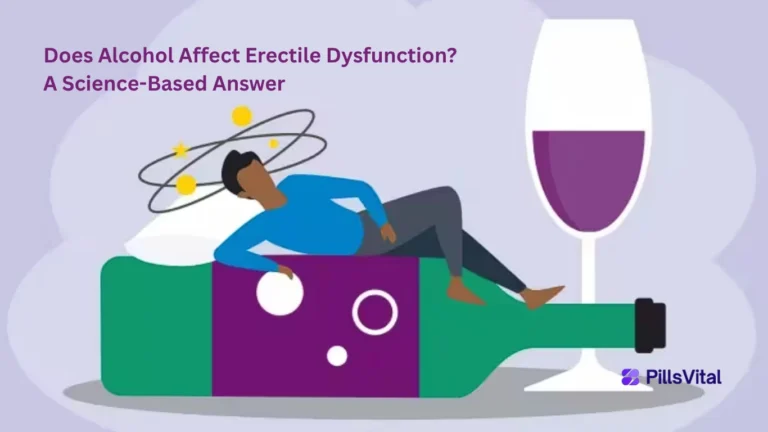
Many men wonder whether alcohol helps or hurts sexual performance.

A drink may initially help someone feel more relaxed, confident, or less anxious. However, alcohol affects the nervous system, blood vessels, hormone levels, and sexual response mechanisms that are essential for achieving and maintaining an erection.

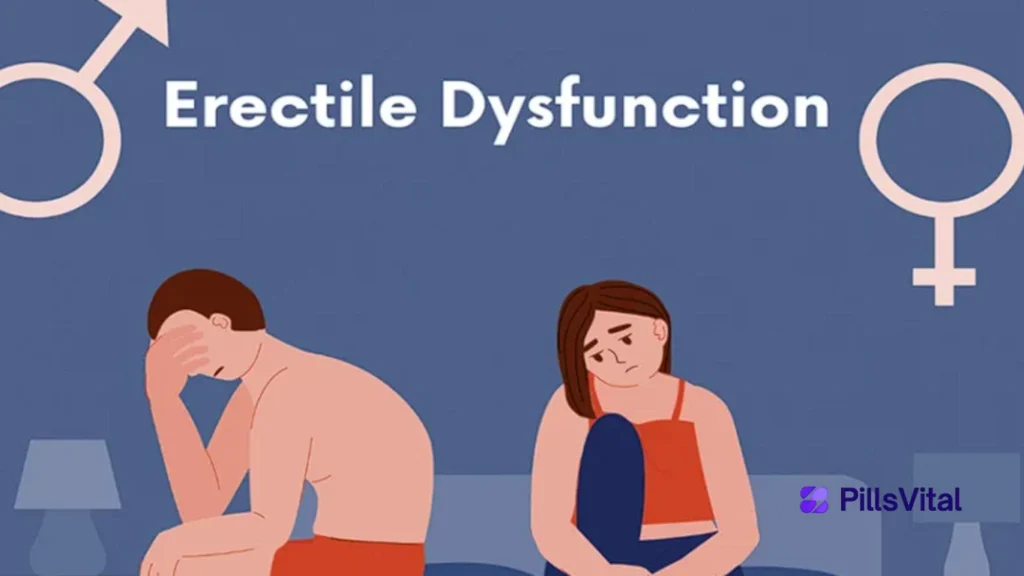
This raises an important question: Does alcohol affect erectile dysfunction?

The short answer is yes. While occasional moderate drinking may not cause significant problems for most healthy adults, excessive or long-term alcohol consumption can negatively affect erectile function and overall sexual health.

How Erections Normally Work

To understand alcohol’s effects, it helps to know how erections occur.

An erection depends on several systems working together:

  • Healthy blood flow
  • Proper nerve function
  • Hormonal balance
  • Sexual stimulation
  • Brain-to-body communication

When sexual arousal occurs, the brain sends signals that increase blood flow into the penis while restricting blood outflow. This process creates and maintains an erection.

Alcohol can interfere with several steps of this process.

Short-Term Effects of Alcohol on Erections

Many people believe alcohol improves sexual performance because it reduces inhibition.

While alcohol may temporarily increase confidence, it can also impair the body’s ability to respond sexually.

Common short-term effects include:

  • Difficulty achieving an erection
  • Reduced sensitivity
  • Delayed orgasm
  • Reduced sexual performance
  • Difficulty maintaining an erection

The more alcohol consumed, the greater these effects tend to become.

According to the National Institute on Alcohol Abuse and Alcoholism, alcohol affects brain function, judgment, coordination, and several physiological processes that can influence sexual performance.

Alcohol and Blood Flow

Healthy erections depend heavily on blood circulation.

Although alcohol can temporarily widen blood vessels, excessive drinking may ultimately disrupt normal blood flow regulation.

This can make it harder to:

  • achieve an erection
  • maintain firmness
  • sustain sexual activity

Over time, heavy alcohol use may contribute to vascular damage that affects erectile function.

Alcohol and Testosterone Levels

Hormones play a significant role in sexual health.

Chronic heavy drinking has been associated with:

  • Lower testosterone levels
  • Reduced libido
  • Decreased energy
  • Hormonal imbalance

Testosterone is important for sexual desire and overall reproductive health.

When testosterone levels decline, erectile difficulties may become more common.

Alcohol is just one of several lifestyle habits affecting erections, alongside poor sleep, obesity, smoking, and physical inactivity.

Alcohol and ED Medications

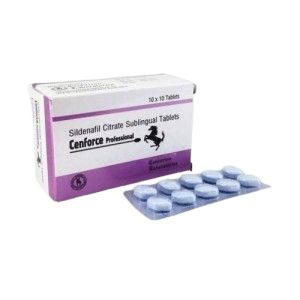
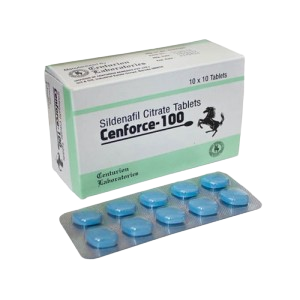
Many men use medications such as sildenafil, tadalafil, or vardenafil to manage erectile dysfunction.

Combining excessive alcohol with ED medications may increase the likelihood of certain side effects.

Possible concerns include:

  • Dizziness
  • Headaches
  • Flushing
  • Low blood pressure
  • Reduced medication effectiveness

Understanding how alcohol and ED medications interact can help reduce unnecessary risks and improve treatment outcomes.

Can Alcohol Make Sildenafil Less Effective?

Alcohol does not necessarily stop sildenafil from working, but excessive drinking may reduce the conditions needed for optimal erectile function.

For example:

  • Sexual stimulation may decrease
  • Blood pressure may drop
  • Nerve signaling may become impaired
  • Fatigue may increase

As a result, some men mistakenly believe the medication has failed.

Before combining alcohol with ED medication, review important sildenafil safety information to understand potential risks and precautions.

Long-Term Alcohol Use and Erectile Dysfunction

Occasional drinking and chronic heavy alcohol consumption affect the body differently.

Long-term excessive alcohol use may contribute to:

Cardiovascular Problems

Alcohol-related cardiovascular disease may reduce blood flow needed for erections.

Nerve Damage

Heavy drinking can damage nerves involved in sexual function.

Hormonal Changes

Alcohol may alter testosterone production and hormone regulation.

Mental Health Effects

Depression and anxiety associated with alcohol misuse can worsen erectile dysfunction.

Why ED Treatment Sometimes Stops Working

Many men assume medication is the only factor affecting treatment success.

In reality, lifestyle factors often play a major role.

Examples include:

  • Excessive alcohol consumption
  • Smoking
  • Weight gain
  • Sleep deprivation
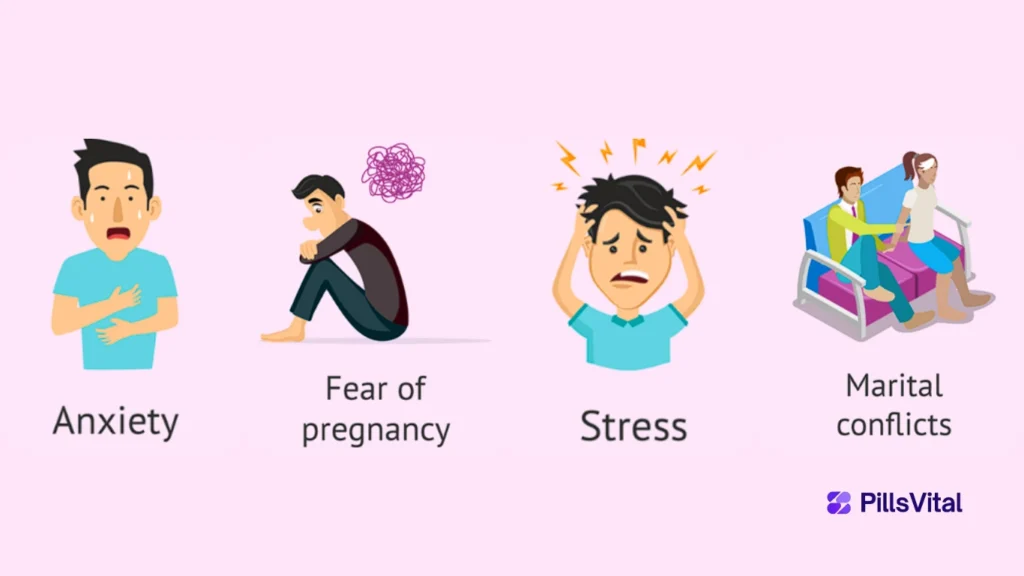
  • Stress
  • Relationship problems

Several lifestyle and health factors may explain why ED treatment stops working, even when medication previously produced good results.

How Much Alcohol Is Too Much?

There is no universal threshold that affects every person the same way.

Factors include:

  • Age
  • Body weight
  • Overall health
  • Existing medical conditions
  • Medication use
  • Drinking frequency

However, frequent heavy drinking generally poses a greater risk to erectile health than occasional moderate alcohol consumption.

Can Reducing Alcohol Improve Erectile Function?

For some men, reducing alcohol intake may help improve:

  • Blood circulation
  • Hormone balance
  • Energy levels
  • Sleep quality
  • Sexual performance

Men whose ED is partly related to lifestyle factors often notice broader health improvements after reducing excessive alcohol consumption.

Many men combine medical treatment with natural ways to improve erectile function, including exercise, better sleep, healthier eating habits, and reduced alcohol intake.

When to See a Doctor

Consider speaking with a healthcare professional if:

  • ED occurs regularly
  • Erections become progressively weaker
  • Sexual desire decreases significantly
  • Symptoms persist despite lifestyle changes
  • Alcohol use may be contributing to health problems

A medical evaluation can help identify underlying causes and treatment options.

The Mayo Clinic erectile dysfunction resource explains that erectile dysfunction may be linked to physical, psychological, hormonal, and lifestyle-related factors.

Conclusion

Alcohol can affect erectile dysfunction in several ways, including disrupting blood flow, hormone balance, nerve signaling, and medication effectiveness. While occasional moderate drinking may not cause significant problems for everyone, excessive or long-term alcohol use may increase the risk of erectile difficulties.

Understanding the connection between alcohol, lifestyle habits, and sexual health can help men make informed decisions and support better erectile function over time.

Related Health Resources

❓ FAQs

Does alcohol affect erectile dysfunction?

Yes. Alcohol can affect erectile dysfunction by interfering with blood flow, nerve signaling, hormone balance, and sexual arousal. Heavy or long-term alcohol consumption may increase the risk of ED.

Excessive alcohol consumption may reduce the effectiveness of ED medications by lowering blood pressure, impairing sexual response, and increasing side effects such as dizziness and headaches.

Chronic heavy drinking may reduce testosterone production and disrupt hormonal balance, which can contribute to reduced libido and erectile difficulties.

For some men, reducing or eliminating alcohol consumption may improve blood circulation, hormone levels, sleep quality, and overall sexual performance.

Moderate alcohol consumption may not significantly affect erectile function in many healthy adults. However, individual responses vary, and excessive drinking can worsen ED symptoms.

Long-term heavy alcohol use may contribute to chronic erectile dysfunction by damaging blood vessels, nerves, and hormone production. Early lifestyle changes may help reduce the risk of long-term complications.

Dr Emily Carter PharmD
Written By
Dr. Emily Carter, PharmD
Medical Content Reviewer & Health Research Writer

Dr. Emily Carter specializes in evidence-based health education and wellness content. She focuses on simplifying complex medical topics related to cancer awareness, nutrition, preventive healthcare, skincare, and lifestyle wellness for readers worldwide.

🩺
Medically Reviewed
Reviewed for Accuracy & Readability
Educational & Informational Health Content

This content is reviewed for medical accuracy, clarity, and alignment with current public health research. The article is intended for educational and informational purposes only and should not replace professional medical advice, diagnosis, or treatment.

Leave a Reply

Your email address will not be published. Required fields are marked *