
Ivermectin Drug Dosage Errors: Causes, Risks, Warning Signs & Prevention

Medication can save lives, manage chronic conditions, and improve overall health when used correctly. However, taking the wrong dose of a medicine can reduce its effectiveness or even lead to serious health complications. Drug dosage errors are among the most common medication mistakes worldwide and can affect people of all ages.
Whether the error involves taking too much medication, skipping doses, or using the wrong strength, understanding how dosage mistakes happen is an important part of medication safety. Many dosage errors are preventable with proper education, careful label reading, and guidance from healthcare professionals.
If you’re interested in understanding how medication doses are determined, you can also read our Ivermectin Dosage Guide, which explains how factors such as body weight and medical conditions may influence dosing recommendations.
What Is a Drug Dosage Error?
A drug dosage error occurs when a medication is taken in a different amount, frequency, or manner than intended by a healthcare provider or specified on the product label.
Common examples include:
- Taking more medication than prescribed
- Missing doses repeatedly
- Taking doses too close together
- Using the wrong medication strength
- Incorrectly measuring liquid medicines
- Accidentally taking someone else’s medication
These mistakes may seem minor, but they can affect treatment outcomes and increase the risk of side effects.
Why Correct Dosage Matters
Every medication has a recommended dosage range that has been studied for safety and effectiveness. The right dose helps ensure that the medicine works as intended while minimizing unwanted effects.
Taking Too Little Medication
When a person takes less medication than recommended:
- Symptoms may not improve
- Treatment may become less effective
- Certain infections may persist longer
- Chronic conditions may remain uncontrolled
Taking Too Much Medication
When excessive amounts are taken:
- Side effects may become more severe
- Toxicity risks may increase
- Serious complications can occur in some situations
Healthcare providers often consider several factors before recommending a dosage, including:
- Age
- Body weight
- Kidney function
- Liver function
- Existing medical conditions
- Other medications being used
Common Causes of Drug Dosage Errors
1. Misunderstanding Instructions
Many medication mistakes occur because instructions are misunderstood.
Examples include:
- Confusing once-daily with twice-daily dosing
- Misreading dosage strengths
- Ignoring food-related instructions
Patients should carefully review all medication instructions before beginning treatment.
2. Using Incorrect Measuring Devices
Liquid medications require accurate measurement.
Using household teaspoons or tablespoons may result in inaccurate dosing. Healthcare professionals recommend using calibrated measuring cups, syringes, or dosing spoons supplied with the medication.
3. Taking Multiple Medicines Without Professional Guidance
Many people use prescription medications, over-the-counter products, and supplements at the same time.
Without proper guidance, this can increase the risk of:
- Duplicate ingredients
- Medication interactions
- Accidental overdosing
You can learn more about medication-related risks in our Ivermectin Side Effects Guide.
4. Self-Medication
Self-medicating can lead to dosage mistakes when individuals:
- Diagnose themselves incorrectly
- Use medicines without medical advice
- Follow unverified online recommendations
- Continue treatment longer than necessary
Healthcare professionals can help determine whether a medication is appropriate and what dosage may be suitable.
5. Confusing Human and Veterinary Medicines
One particularly dangerous mistake involves using veterinary products intended for animals.
Animal medications may:
- Have different concentrations
- Contain ingredients not evaluated for human use
- Require entirely different dosing calculations
For more information, read our detailed Human vs Veterinary Ivermectin Guide.
Warning Signs of a Dosage Error
The symptoms of a dosage error can vary depending on the medication involved, the amount taken, a person’s age, and their overall health. Some symptoms may be mild and temporary, while others can indicate a serious medical emergency.
Recognizing these warning signs early may help prevent complications and ensure timely medical care.
Mild Warning Signs
Mild symptoms are often the first indication that a medication may not be agreeing with the body or that an incorrect dose has been taken.
Headache
A headache is one of the most commonly reported symptoms associated with medication-related issues. It may occur when a medication affects blood pressure, hydration levels, or the nervous system.
Signs may include:
- Dull or throbbing pain
- Pressure around the forehead or temples
- Increased sensitivity to light or noise
While occasional headaches may not be serious, persistent or worsening headaches should not be ignored.
Nausea
Nausea is a common reaction when the body struggles to tolerate a medication or receives a higher-than-intended dose.
People may experience:
- An upset stomach
- Loss of appetite
- Feeling sick after taking medication
- Increased salivation before vomiting
Taking medication exactly as directed—especially regarding food requirements—may help reduce nausea.
Fatigue
Unusual tiredness or weakness can occur when medications affect the central nervous system or interfere with normal body functions.
Symptoms may include:
- Feeling exhausted despite adequate sleep
- Reduced energy levels
- Difficulty concentrating
- Lack of motivation for daily activities
Fatigue that develops suddenly after starting or changing a medication dosage should be discussed with a healthcare provider.
Dizziness
Dizziness may occur when medications affect blood pressure, circulation, or balance mechanisms in the inner ear.
Individuals may notice:
- Feeling lightheaded
- Difficulty standing up quickly
- Loss of balance
- A sensation that the room is spinning
Dizziness increases the risk of falls and injuries, particularly in older adults.
Mild Stomach Discomfort
Some dosage errors may irritate the digestive system, resulting in:
- Mild abdominal pain
- Bloating
- Indigestion
- Heartburn
- Temporary stomach cramps
Although mild digestive symptoms often improve on their own, persistent discomfort may indicate that the medication is not being tolerated properly.
Moderate Symptoms
Moderate symptoms may suggest a more significant dosage problem and should be evaluated by a healthcare professional.
Vomiting
Vomiting can occur when the body attempts to eliminate a substance it perceives as harmful.
Warning signs include:
- Repeated vomiting episodes
- Inability to keep food or fluids down
- Signs of dehydration
- Weakness after vomiting
Persistent vomiting may lead to dehydration and electrolyte imbalances if left untreated.
Persistent Diarrhea
Some medications can disrupt normal digestive function, especially when taken incorrectly.
Symptoms may include:
- Frequent loose stools
- Stomach cramping
- Urgent bowel movements
- Signs of dehydration
Severe or prolonged diarrhea can cause significant fluid loss and may require medical evaluation.
Blurred Vision
Certain medications can affect the eyes, nervous system, or blood pressure, leading to visual disturbances.
Possible symptoms include:
- Difficulty focusing
- Double vision
- Blurry images
- Increased sensitivity to light
Any sudden change in vision should be taken seriously and assessed promptly.
Rapid Heartbeat
A medication dosage error may affect heart rhythm and cardiovascular function.
Individuals may experience:
- A racing heart
- Palpitations
- Fluttering sensations in the chest
- Increased anxiety
A rapid heartbeat that persists or occurs alongside chest pain or shortness of breath requires immediate medical attention.
Confusion
Confusion may indicate that a medication is affecting brain function or that the body is struggling to process the drug properly.
Symptoms may include:
- Difficulty concentrating
- Memory problems
- Disorientation
- Trouble following conversations
Confusion is particularly concerning in older adults and may signal a significant medication-related issue.
Serious Symptoms
Certain symptoms may indicate a medical emergency. Immediate medical attention should be sought if any of the following occur after taking a medication.
Difficulty Breathing
Difficulty breathing can signal a severe allergic reaction or other serious medication-related complication.
Warning signs include:
- Shortness of breath
- Wheezing
- Tightness in the chest
- Swelling of the throat
Breathing difficulties should always be treated as a medical emergency.
Chest Pain
Chest pain may occur if a medication affects heart function, blood pressure, or circulation.
Seek urgent medical care if chest pain is:
- Severe
- Persistent
- Accompanied by sweating
- Associated with shortness of breath
- Spreading to the arm, neck, or jaw
Chest pain should never be ignored.
Seizures
Seizures may occur when certain medications affect electrical activity in the brain or when extremely high doses are taken.
Possible signs include:
- Uncontrolled shaking
- Loss of awareness
- Muscle rigidity
- Sudden collapse
A seizure requires immediate emergency medical evaluation.
Severe Allergic Reactions
A severe allergic reaction, also known as anaphylaxis, can develop rapidly and become life-threatening.
Symptoms may include:
- Swelling of the lips, tongue, or throat
- Difficulty breathing
- Severe skin rash
- Rapid heartbeat
- Sudden drop in blood pressure
Emergency medical treatment is required immediately.
Loss of Consciousness
Loss of consciousness may indicate severe toxicity, dangerously low blood pressure, breathing problems, or other serious complications.
Signs may include:
- Fainting
- Unresponsiveness
- Inability to wake the person
Anyone who loses consciousness after taking medication should receive emergency medical care without delay.
When Should You Seek Medical Help?
Contact a healthcare professional if:
- Symptoms are worsening
- Side effects are persistent
- You suspect a dosage mistake
- You accidentally take more medication than prescribed
- You are unsure whether a dose was taken correctly
Prompt action can help prevent complications and improve medication safety.
Who Is Most at Risk?
While anyone can experience a medication dosing mistake, certain groups face a higher risk due to factors such as age, health conditions, and the complexity of their treatment plans. Understanding these risk factors can help patients and caregivers take extra precautions to ensure medication safety.
Older Adults
Older adults are among the groups most vulnerable to drug dosage errors. As people age, they are more likely to develop chronic health conditions that require multiple medications. Managing several prescriptions, over-the-counter medicines, and supplements at the same time can become challenging and increase the risk of mistakes.
Several factors contribute to this increased risk:
- Taking multiple medications for different health conditions
- Difficulty remembering dosing schedules
- Changes in vision that make labels harder to read
- Hearing impairments that may affect understanding of medical instructions
- Reduced kidney or liver function, which can affect how medications are processed According to the MedlinePlus Drug Information Resource, age-related changes in kidney and liver function can affect how certain medications are processed and eliminated from the body.
- Increased sensitivity to certain medications
For example, an older adult who takes medicines for high blood pressure, diabetes, arthritis, and heart disease may accidentally miss a dose, take a duplicate dose, or confuse one medication with another. Even a small dosage error can sometimes lead to significant side effects in older individuals because their bodies may process medications more slowly than younger adults.
Using pill organizers, medication reminder apps, and maintaining an up-to-date medication list can help reduce the risk of dosing mistakes in older adults.
Children
Children require special attention when it comes to medication dosing because many medicines are prescribed based on body weight rather than age alone. A dosage that may be safe for an adult could be dangerous for a child.
Common reasons children are at higher risk include:
- Weight-based dosing calculations
- Difficulty swallowing medications
- Reliance on parents or caregivers for administration
- Use of liquid medicines that require accurate measurement
- Similar-looking medication packaging
- Limited ability to communicate side effects
One of the most common mistakes involves measuring liquid medications with household spoons instead of calibrated dosing syringes or measuring cups. Household spoons vary in size and can result in incorrect doses being given. The U.S. Food and Drug Administration (FDA) recommends using proper dosing devices supplied with medications to help reduce measurement errors in children.
Parents and caregivers should always:
- Follow dosage instructions carefully
- Use proper measuring devices
- Double-check medication strengths
- Store medicines safely out of children’s reach
- Consult a healthcare professional if unsure about dosing
Accurate dosing is particularly important in infants and young children because even small errors can have a greater impact on their smaller bodies.
Individuals With Chronic Diseases
People living with chronic medical conditions often require long-term medication therapy, making dosage management more complex. Certain health conditions can also affect how medications are absorbed, distributed, metabolized, and eliminated by the body.
Particular concern exists for individuals with:
- Kidney disease
- Liver disease
- Heart disease
- Diabetes
- Autoimmune disorders
- Neurological conditions
For example, the kidneys and liver play a major role in removing medications from the body. When these organs are not functioning properly, medications may remain in the bloodstream longer than expected, potentially increasing the risk of side effects or toxicity. The National Institute of Diabetes and Digestive and Kidney Diseases (NIDDK) explains that impaired kidney function may affect how medicines are filtered and cleared from the body.
Healthcare providers may need to adjust medication dosages based on:
- Disease severity
- Laboratory test results
- Organ function
- Treatment response
- Concurrent medications
Individuals with chronic diseases should attend regular medical appointments and inform healthcare providers about any new symptoms or medications they are taking.
People Taking Multiple Medications
People who use several medications simultaneously face an increased risk of dosage errors and medication-related complications. This situation, often called polypharmacy, is particularly common among older adults and individuals managing multiple chronic conditions.
As the number of medications increases, so does the complexity of following treatment instructions.
Common challenges include:
- Confusing medication names
- Mixing up dosing schedules
- Accidentally taking duplicate medications
- Forgetting whether a dose has already been taken
- Increased risk of drug interactions
- Difficulty tracking medication changes
For example, a person taking medications for blood pressure, cholesterol, diabetes, allergies, and pain management may have several different dosing schedules throughout the day. Without careful organization, it becomes easier to miss doses or take extra doses unintentionally.
The risk becomes even greater when over-the-counter medicines, vitamins, herbal supplements, or alternative therapies are added without informing healthcare providers.
To reduce the likelihood of dosing errors, individuals taking multiple medications should:
- Keep an updated medication list
- Use a daily pill organizer
- Follow a consistent dosing routine
- Review medications regularly with their healthcare provider
- Inform healthcare professionals about all medicines and supplements being used
Proper medication management can significantly reduce the risk of dosing mistakes and improve overall treatment safety.
Why Awareness Matters
Drug dosage errors can happen to anyone, but older adults, children, individuals with chronic diseases, and people taking multiple medications face the highest risk. By understanding these vulnerabilities and adopting safe medication practices, patients and caregivers can help reduce preventable medication-related complications and improve treatment outcomes.
The World Health Organization’s Medication Without Harm Initiative focuses on reducing preventable medication-related harm through improved patient safety practices worldwide.
Potential Consequences of Drug Dosage Errors
Depending on the medication involved, dosage mistakes may result in:
- Reduced treatment effectiveness
- Increased side effects
- Drug toxicity
- Organ damage in severe cases
- Hospitalization
- Serious health complications
While many dosage errors are minor, some can become medical emergencies if not addressed promptly.
How Healthcare Professionals Help Prevent Dosage Errors
Healthcare providers use multiple safeguards to improve medication safety.
These may include:
- Reviewing medication histories
- Evaluating allergies
- Assessing kidney and liver function
- Monitoring treatment response
- Checking for potential drug interactions
- Providing clear written instructions
These steps help ensure medications are used as safely and effectively as possible.
Practical Tips to Prevent Dosage Errors
Keep an Updated Medication List
Maintain a list of:
- Prescription medications
- Over-the-counter medicines
- Vitamins
- Dietary supplements
This information can help healthcare providers identify potential issues.
Follow Instructions Carefully
Never increase or decrease a medication dose without professional guidance.
Use Medication Reminders
Smartphone reminders, pill organizers, and medication tracking apps may help reduce missed or duplicate doses.
Double-Check Medication Strength
Many medicines are available in multiple strengths.
Before taking a medication, verify:
- Drug name
- Strength
- Expiration date
Ask Questions
If any instructions seem unclear, consult a healthcare provider or pharmacist before taking the medication.
Key Takeaways
Drug dosage errors are common but often preventable. Mistakes such as taking too much medication, skipping doses, using incorrect measuring tools, or self-medicating can increase health risks and affect treatment outcomes.
Understanding medication instructions, using medicines exactly as directed, and seeking guidance from qualified healthcare professionals can significantly reduce the likelihood of dosage-related complications.
For additional medication safety information, you may also find our Ivermectin Safety Guide and Ivermectin Truth vs Myths helpful resources.
Related Health Resources
-
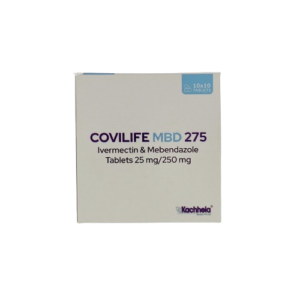
Covilife MBD 275 (Ivermectin 25mg + Mebendazole 250mg) Tablets
$92.00 – $260.00Price range: $92.00 through $260.00 This product has multiple variants. The options may be chosen on the product page -
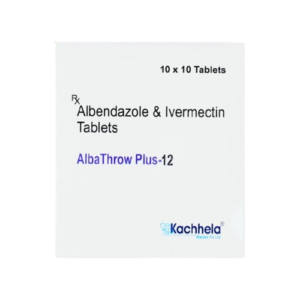
Albendazole & Ivermectin (AlbaThrow Plus-12) Tablet
$130.00 – $355.00Price range: $130.00 through $355.00 This product has multiple variants. The options may be chosen on the product page -
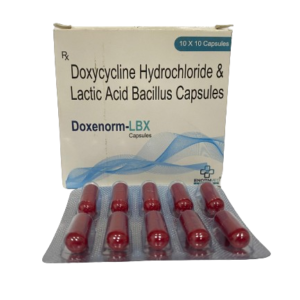
Doxycycline 100mg (Dexenorm-LBX) Tablets
$50.00 – $150.00Price range: $50.00 through $150.00 This product has multiple variants. The options may be chosen on the product page -
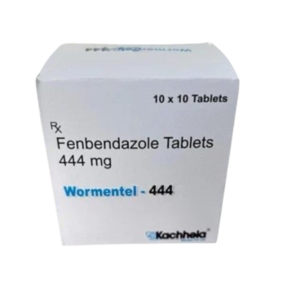
Fenbendazole 444mg (Wormentel) Tablets
$76.00 – $302.00Price range: $76.00 through $302.00 This product has multiple variants. The options may be chosen on the product page
❓ FAQs
What is a drug dosage error?
A drug dosage error occurs when a medication is taken in a different amount, frequency, or manner than recommended by a healthcare professional or product instructions.
Can taking one extra dose of medicine be dangerous?
It depends on the medication. Some medicines may cause only mild symptoms, while others can result in serious health complications.
What should I do if I miss a dose of medication?
Follow the instructions provided with the medication or contact your healthcare provider for guidance. Avoid doubling doses unless instructed.
Who is most likely to experience dosage errors?
Older adults, children, people with chronic diseases, and individuals taking multiple medications are generally at higher risk.
How can dosage errors be prevented?
Reading medication labels carefully, using proper measuring devices, following healthcare instructions, and maintaining an updated medication list can help prevent dosage mistakes.
💊 Related Medication Safety Guides


Dr. Emily Carter specializes in evidence-based health education and wellness content. She focuses on simplifying complex medical topics related to cancer awareness, nutrition, preventive healthcare, skincare, and lifestyle wellness for readers worldwide.
This content is reviewed for medical accuracy, clarity, and alignment with current public health research. The article is intended for educational and informational purposes only and should not replace professional medical advice, diagnosis, or treatment.