
Ivermectin and Alcohol: What to Know About Drinking During Treatment
Medically reviewed/updated: August 2026
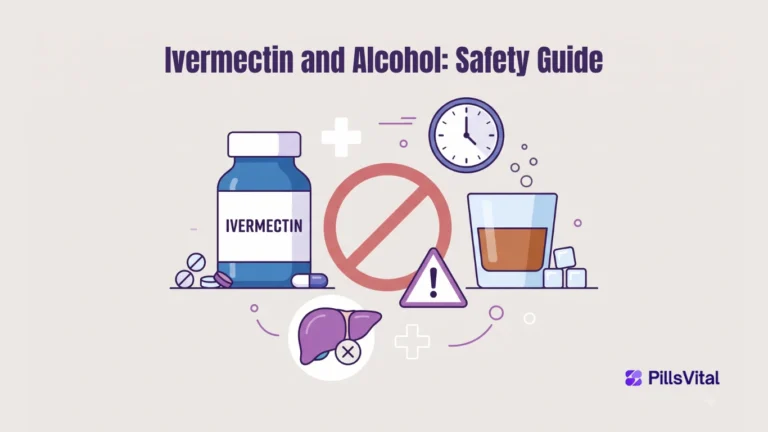
There is no single recommendation that applies to everyone. Because alcohol and ivermectin may both contribute to symptoms such as dizziness, nausea, or fatigue in some people, avoiding alcohol during treatment is a cautious approach. The appropriate advice can depend on why ivermectin was prescribed, other medicines you take, and your individual health circumstances. If you are taking ivermectin, you may wonder whether it is safe to drink alcohol at the same time or shortly afterward.
There is not enough evidence to establish a specific amount of alcohol that is universally safe to consume with ivermectin. Although alcohol is not generally listed as a major direct interaction with ivermectin, combining the two may increase the likelihood of certain unwanted effects, particularly dizziness, nausea, weakness, or feeling unwell.
The answer can also depend on why ivermectin was prescribed, your dose, other medicines you take, your liver health, and how much alcohol you consume. Ivermectin should only be used for conditions for which it has been approved or prescribed by a healthcare professional. Veterinary ivermectin products should never be substituted for human medicines. FDA-approved prescribing information for ivermectin provides additional safety details.
For these reasons, avoiding alcohol while taking ivermectin is a cautious approach, particularly if you are experiencing side effects or taking other medications.
Important: Ivermectin should only be used for conditions for which it has been approved or prescribed by a healthcare professional. Veterinary ivermectin products should never be substituted for human medicines.
Is There an Interaction Between Ivermectin and Alcohol?
A major direct interaction between ivermectin and alcohol has not been clearly established. However, that does not necessarily mean that drinking alcohol while taking ivermectin is risk-free.
Both substances can affect how you feel and may contribute to symptoms such as:
- Dizziness
- Nausea
- Weakness
- Fatigue
- Headache
- Reduced alertness
- Unsteadiness
If these effects occur together, they may be more noticeable.
Another important consideration is that ivermectin is metabolized primarily by the liver. Heavy or frequent alcohol consumption can affect liver function, which may influence how some medicines are processed.
Therefore, the safest decision may be to avoid alcohol until you have completed your ivermectin treatment or have confirmed with your healthcare professional that moderate alcohol consumption is appropriate for your situation.
Can You Drink Alcohol While Taking Ivermectin?
There is no universal rule that says every person taking ivermectin will experience a dangerous reaction from alcohol.
However, “no established major interaction” is not the same as “completely safe.”
If you have been prescribed ivermectin, consider avoiding alcohol during treatment, especially if:
- You feel dizzy or unusually tired.
- You are experiencing nausea or vomiting.
- You have liver problems.
- You take several prescription medicines.
- You are taking ivermectin for a serious infection.
- You have been advised to avoid alcohol by your healthcare professional.
- You are unsure whether alcohol interacts with another medicine you are taking.
If you accidentally drink alcohol after taking ivermectin, do not automatically assume that a serious reaction will occur. Monitor how you feel and seek medical advice if concerning symptoms develop.
What Happens If You Drink Alcohol With Ivermectin?
The effects can vary between individuals.
Some people may notice no obvious additional effects, while others may feel more uncomfortable because alcohol can contribute to symptoms that overlap with ivermectin’s possible adverse effects.
Possible symptoms may include:
Dizziness:
Alcohol can impair balance and coordination. If ivermectin also causes dizziness, the combination may make these symptoms more noticeable.
Nausea:
Both alcohol and some medicines can upset the stomach. Taking them together may make nausea more uncomfortable.
Fatigue or weakness:
Alcohol can cause tiredness, while ivermectin may also produce fatigue in some people.
Headache:
Alcohol can trigger headaches, and headache is also a reported adverse effect associated with ivermectin.
Reduced alertness:
Alcohol can impair judgment and reaction time. If you feel dizzy or tired while taking ivermectin, activities requiring concentration may become more difficult.
These effects are not guaranteed, but they are reasons to be cautious.
Does Alcohol Make Ivermectin Less Effective?
There is no established evidence that drinking alcohol directly makes ivermectin ineffective.
However, drinking alcohol during an illness may make recovery more difficult for some people, particularly if alcohol contributes to dehydration, poor sleep, vomiting, or reduced food intake.
More importantly, the effectiveness of ivermectin depends on using the appropriate medicine, dose, treatment duration, and indication.
Alcohol should not be used to alter, increase, or compensate for the effects of ivermectin.
If you believe ivermectin is not working, do not take extra doses without medical advice.
How Long After Taking Ivermectin Can You Drink Alcohol?
There is no universally established waiting period that applies to everyone taking ivermectin.
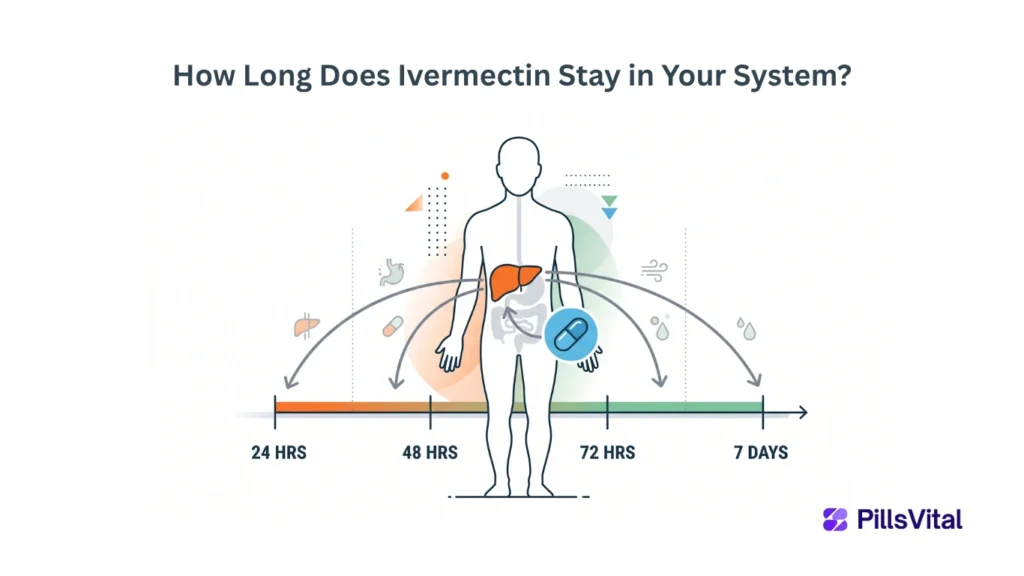
Ivermectin’s elimination from the body takes time, and the exact duration can vary depending on factors such as the dose, formulation, individual metabolism, and health status.
Instead of relying on a specific number of hours, consider your individual circumstances.
If you want to drink alcohol after completing ivermectin treatment, ask your healthcare professional or pharmacist when it is appropriate for you.
This is particularly important if you:
- Have liver disease.
- Take other medicines.
- Received a higher-than-usual dose.
- Experienced significant side effects.
- Have an underlying medical condition.
- Are taking ivermectin for a condition requiring medical supervision.
For more information about ivermectin’s elimination, see our guide: How Long Does Ivermectin Stay in Your System?
Can You Drink Alcohol After a Single Dose of Ivermectin?
A single dose does not automatically mean that alcohol is immediately safe.
Ivermectin can remain in the body after the initial dose, and individual responses vary. If you feel completely well, that does not necessarily tell you how quickly the medicine has been eliminated.
A cautious approach is to avoid alcohol until you have discussed your specific situation with a healthcare professional, particularly if you are taking other medications or have health conditions that affect medication metabolism.
Does Alcohol Increase Ivermectin Side Effects?
Alcohol may make certain symptoms more noticeable, particularly symptoms involving the nervous system or stomach.
For example, if ivermectin causes mild dizziness and alcohol also affects your balance, you may feel more unsteady than you would from either substance alone.
Potential overlapping symptoms include:
| Possible symptom | Why alcohol may matter |
|---|---|
| Dizziness | Alcohol can impair balance and coordination |
| Nausea | Alcohol can irritate the stomach |
| Headache | Alcohol can trigger headaches |
| Fatigue | Alcohol can contribute to tiredness |
| Weakness | Alcohol may worsen feelings of being unwell |
| Poor concentration | Alcohol can impair alertness |
This does not mean that everyone who combines ivermectin and alcohol will experience these effects.
If you are already experiencing ivermectin side effects, however, avoiding alcohol is a sensible precaution.
Related reading: Ivermectin Side Effects: Common, Serious & When to Seek Help
Ivermectin, Alcohol, and Other Medications
The alcohol question becomes more complicated when ivermectin is being taken alongside other medicines.
A person may not have a significant interaction between ivermectin and alcohol itself but may have another medication that interacts with alcohol.
For example, some medicines can cause substantial drowsiness, dizziness, stomach irritation, or other effects when combined with alcohol.
That is why medication safety should be evaluated as a complete picture rather than looking at ivermectin alone.
If you take prescription medicines, over-the-counter medicines, or supplements, tell your healthcare professional or pharmacist about everything you use.
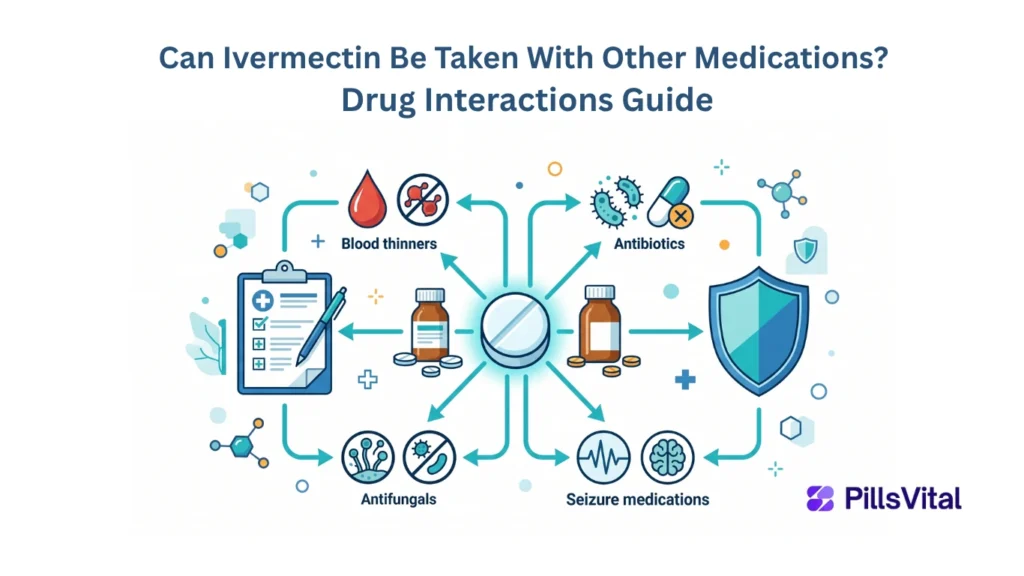
For a broader overview, read: Ivermectin Drug Interactions Guide
Does Alcohol Affect How Ivermectin Is Processed?
Ivermectin is metabolized in the body primarily through the liver, including pathways involving CYP3A4.
Alcohol can also affect liver function, particularly when consumed heavily or chronically.
However, this does not mean that every alcoholic drink will significantly change ivermectin levels in the blood.
The relationship between alcohol consumption, liver function, and medication metabolism is more complicated than simply saying that alcohol “blocks” or “speeds up” ivermectin.
People with liver disease or substantial alcohol use should therefore discuss ivermectin with a healthcare professional before treatment.
What If You Accidentally Drink Alcohol After Taking Ivermectin?
If you accidentally consume alcohol after taking ivermectin, do not panic.
A single alcoholic drink does not automatically mean that a serious reaction will occur.
Instead:
- Avoid consuming additional alcohol.
- Pay attention to how you feel.
- Avoid driving if you feel dizzy, sleepy, or impaired.
- Continue ivermectin exactly as prescribed unless your healthcare professional tells you otherwise.
- Contact a healthcare professional if you develop concerning or unusual symptoms.
Do not take an additional ivermectin dose simply because you consumed alcohol.
When Should You Seek Medical Help?
Most people who are concerned about accidentally combining ivermectin and alcohol will not necessarily develop a medical emergency.
However, seek urgent medical attention if you develop severe or rapidly worsening symptoms such as:
- Severe confusion
- Loss of consciousness
- Seizures
- Severe difficulty breathing
- Extreme weakness
- Serious allergic symptoms
- Significant problems with coordination or alertness
Severe symptoms should not automatically be attributed to alcohol or ivermectin. Other causes, including the underlying illness or another medication, may need to be considered.
Who Should Be Especially Careful With Alcohol and Ivermectin?
Extra caution may be appropriate for people who:
- Have liver disease
- Take multiple medications
- Have previously experienced significant reactions to ivermectin
- Are older adults taking several medicines
- Have conditions that increase the risk of dizziness or falls
- Regularly consume large amounts of alcohol
- Are taking ivermectin for a condition requiring close medical supervision
If any of these apply to you, ask a healthcare professional before combining alcohol with ivermectin. For general patient safety information, dosage precautions, and medication advice, review the MedlinePlus ivermectin medication guide.
Ivermectin and Alcohol: Common Questions
Can I drink alcohol the same day I take ivermectin?
There is no universally established rule that makes alcohol safe for everyone on the same day as ivermectin. Because both can contribute to dizziness, nausea, fatigue, or impaired coordination, avoiding alcohol is the more cautious option.
Can I drink alcohol the day after taking ivermectin?
The answer depends on your individual circumstances. Ivermectin does not disappear from the body immediately after a dose. If you take other medicines or have liver problems, ask your healthcare professional before drinking.
Does alcohol cancel out ivermectin?
There is no established evidence that alcohol simply “cancels out” ivermectin. The medication’s effectiveness depends primarily on using the appropriate treatment for the appropriate medical condition.
Can alcohol cause an ivermectin overdose?
Alcohol itself does not turn a standard ivermectin dose into an overdose. However, combining substances can increase unwanted effects, and taking more ivermectin than prescribed can be dangerous.
Never increase your ivermectin dose because you believe alcohol has reduced its effectiveness.
Should I skip my ivermectin dose if I drank alcohol?
Do not routinely change or skip a prescribed ivermectin dose because you consumed alcohol unless a healthcare professional tells you to do so.
If you are unsure what to do, contact your pharmacist or prescribing clinician.
Can I drink alcohol while taking ivermectin for parasites?
The answer depends on the specific infection, treatment regimen, other medicines, and your health. If ivermectin has been prescribed for a parasitic infection, follow the treatment instructions provided by your healthcare professional.
Key Takeaways
The relationship between ivermectin and alcohol is not as simple as saying that the two substances are always dangerous together or that they are always completely safe.
The most important points are:
- A major direct ivermectin-alcohol interaction has not been clearly established.
- Alcohol may worsen symptoms such as dizziness, nausea, fatigue, headache, or impaired coordination.
- People with liver problems or those taking multiple medicines should use extra caution.
- There is no universal waiting period that guarantees alcohol is safe after ivermectin.
- Do not change your ivermectin dose because you consumed alcohol.
- Ask a healthcare professional or pharmacist about your individual situation when in doubt.
- Never use veterinary ivermectin products as substitutes for human ivermectin.
Related Health Resources
-
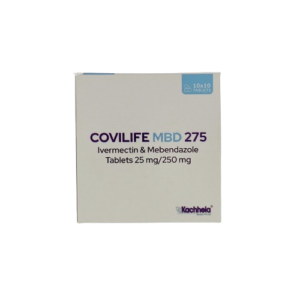
Covilife MBD 275 (Ivermectin 25mg + Mebendazole 250mg) Tablets
$92.00 – $260.00Price range: $92.00 through $260.00 This product has multiple variants. The options may be chosen on the product page -
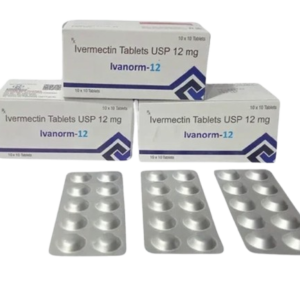
Ivermectin 12mg (Ivanorm) Tablet
$78.00 – $250.00Price range: $78.00 through $250.00 This product has multiple variants. The options may be chosen on the product page -
Ivermectin 20mg (Covilife 20mg) Tablets
$132.00 – $275.00Price range: $132.00 through $275.00 This product has multiple variants. The options may be chosen on the product page -
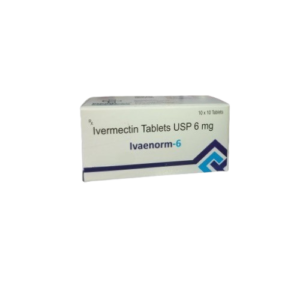
Ivermectin 6mg (Ivaenorm) Tablet
$75.00 – $185.00Price range: $75.00 through $185.00 This product has multiple variants. The options may be chosen on the product page
💊 Related Ivermectin Safety & Treatment Guides

Dr. Emily Carter specializes in evidence-based health education and wellness content. She focuses on simplifying complex medical topics related to cancer awareness, nutrition, preventive healthcare, skincare, and lifestyle wellness for readers worldwide.
This content is reviewed for medical accuracy, clarity, and alignment with current public health research. The article is intended for educational and informational purposes only and should not replace professional medical advice, diagnosis, or treatment.