
Montelukast for Allergies: Uses, Benefits, Side Effects, Dosage & How to Choose It

Allergies can make everyday activities difficult. Sneezing, runny nose, nasal congestion, itchy eyes and nighttime symptoms may continue for weeks or return every allergy season.
For people searching for an allergy medicine that works differently from traditional antihistamines, montelukast is one prescription option to understand.
But before looking for montelukast tablets for allergies, it is important to know whether montelukast is appropriate for your symptoms, what strength may be prescribed, how it works, how it compares with antihistamines and what safety precautions apply.
Montelukast is a leukotriene receptor antagonist used for certain respiratory conditions and allergic rhinitis. It may be particularly relevant for people who experience allergies together with asthma.
This guide explains what to know before considering or purchasing montelukast for allergy symptoms. For an overview of different approaches, see our allergy treatment options guide.
Medical safety note: Montelukast is a prescription medicine in many markets. Do not start, stop or change the dose without appropriate medical advice.
What Is Montelukast for Allergies?
Montelukast is a prescription medicine belonging to a class called leukotriene receptor antagonists. If you want to understand how the other major class of allergy medicines works, read our guide to how antihistamines work for allergies.
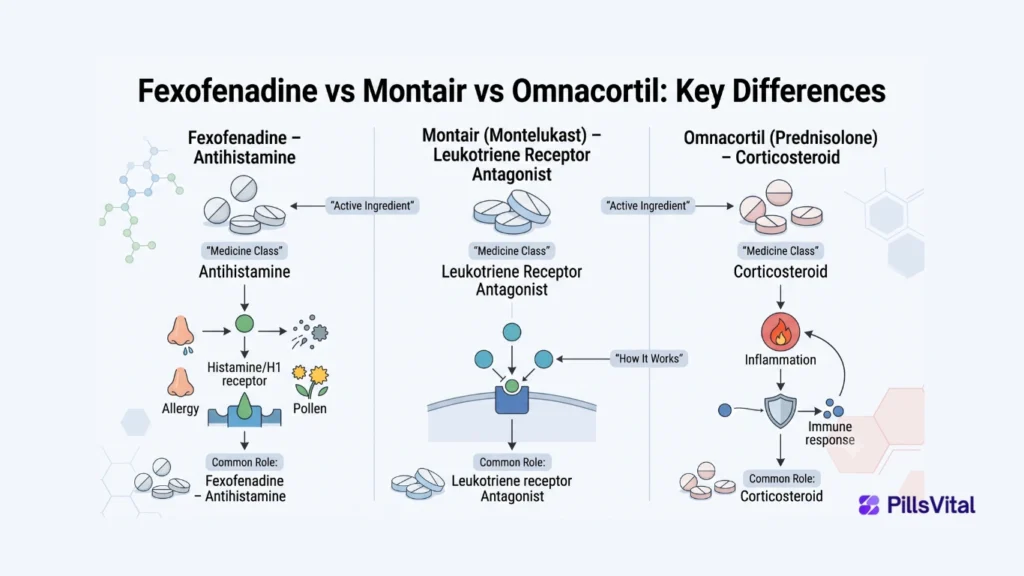
Unlike antihistamines, montelukast does not primarily block histamine. Instead, it blocks the action of leukotrienes, inflammatory chemicals involved in allergic and airway responses.
This makes montelukast different from commonly used allergy medicines such as cetirizine, loratadine and fexofenadine.
If you are researching montelukast allergy medicine, understanding this difference can help you determine why a doctor might choose it over another treatment.
Montelukast may be prescribed for:
- Seasonal allergic rhinitis
- Perennial allergic rhinitis
- Asthma
- Allergy-related respiratory symptoms in selected patients
The right medicine depends on your symptoms, medical history and other medications.
Does Montelukast Help With Allergies?
Yes, montelukast can help certain allergy symptoms.
It may reduce symptoms associated with allergic rhinitis, including:
- Nasal congestion
- Runny nose
- Sneezing
- Nasal itching
- Certain allergy-related respiratory symptoms
However, this does not mean montelukast is automatically the best choice for every person with allergies.
If you are searching for the best montelukast for allergies, the first question should actually be whether montelukast is appropriate for you.
For uncomplicated allergic rhinitis, other treatments may be preferred. A healthcare professional may consider montelukast when symptoms are persistent, when other options have not provided sufficient relief, or when allergic rhinitis occurs alongside asthma.
Who May Consider Montelukast for Allergies?
Montelukast may be considered for people who have:
Seasonal allergies
Symptoms appear during pollen seasons and may include sneezing, congestion and runny nose.
Perennial allergies
Symptoms are persistent throughout the year due to triggers such as dust mites, pet allergens, or mold.
Allergies and asthma
This combination is particularly relevant because montelukast affects leukotriene pathways involved in airway inflammation.
Persistent allergy symptoms
A healthcare professional may consider different treatment options when standard approaches do not provide sufficient relief.
If you are considering buying montelukast for allergies, do not select it solely because it is marketed as an allergy treatment. Confirm that the medicine matches your specific condition and prescribed treatment plan.
Montelukast for Seasonal Allergies
Seasonal allergic rhinitis is commonly triggered by:
- Tree pollen
- Grass pollen
- Weed pollen
- Outdoor mold
Symptoms can include:
- Sneezing
- Runny nose
- Nasal blockage
- Itchy nose
- Watery eyes
Montelukast may be used for seasonal allergic rhinitis in appropriate patients.
If you are searching for montelukast for seasonal allergies, compare the medicine based on its active ingredient, prescribed strength, formulation, and safety information rather than choosing a product simply because it has a familiar brand name.
Montelukast for Allergic Rhinitis
Allergic rhinitis can be seasonal or perennial.
Perennial symptoms may be associated with:
- Dust mites
- Pet dander
- Indoor mold
- Other indoor allergens
Montelukast may be prescribed for allergic rhinitis, but it is important to understand its place in treatment.
For many people with straightforward allergic rhinitis, intranasal corticosteroids and/or antihistamines may be preferred options.
Therefore, if you are shopping for montelukast tablets for allergic rhinitis, first determine whether your healthcare professional has recommended montelukast specifically for your symptoms.
How Does Montelukast Work?
During an allergic or inflammatory response, the body can release chemicals called leukotrienes.
These chemicals can contribute to:
- Inflammation
- Airway narrowing
- Mucus production
- Nasal symptoms
Montelukast blocks leukotriene receptors.
In simple terms:
Allergen → inflammatory response → leukotrienes → symptoms
Montelukast:
Blocks leukotriene receptors → reduces leukotriene activity → may reduce certain symptoms
This mechanism is one reason montelukast may be considered when allergies and asthma occur together.
Montelukast vs Antihistamines for Allergies
If you are comparing montelukast vs antihistamines for allergies, remember that they work differently.
| Montelukast | Antihistamines | |
|---|---|---|
| Drug class | Leukotriene receptor antagonist | Antihistamine |
| Main pathway | Leukotrienes | Histamine |
| Allergy use | Selected allergic rhinitis patients | Commonly used for allergic symptoms |
| Asthma relevance | Yes | Does not treat asthma |
| Available forms | Tablets, chewables depending on market | Tablets, liquids, etc. |
| Prescription | Often prescription | Some available OTC depending on country |
There is no universal answer to which one is “better.”
The appropriate option depends on your symptoms and medical history. If you are comparing montelukast with an antihistamine, understanding the different types of antihistamines and how they work can help you discuss the most appropriate option with your healthcare professional.
What Strength of Montelukast Is Used for Allergies?
Montelukast is available in different strengths and formulations. If your healthcare professional has recommended a combination of montelukast and an antihistamine, you can review the ingredients, strength and product information for Allegra-M Fexofenadine Tablets before discussing it with your healthcare professional.
You may encounter products such as:
- Montelukast 10 mg tablets
- Lower-strength formulations for specific age groups
- Chewable tablets
- Oral granules in certain markets
Montelukast 10 mg is commonly associated with adult dosing for certain approved indications, but the appropriate dose depends on the indication and patient.
Do not choose a strength simply because it is the highest available strength.
If you are looking to purchase montelukast 10 mg for allergies, verify that the 10 mg strength is actually the one prescribed or appropriate for you.
What Should You Check Before Buying Montelukast Tablets?
If your healthcare professional has recommended montelukast, check the following before purchasing:
1. Active ingredient
Confirm that the medicine contains montelukast.
2. Strength
Check whether your prescription specifies 10 mg or another strength.
3. Dosage form
Montelukast may be available as tablets, chewable tablets, or other formulations depending on the market.
Never use expired medication.
5. Packaging
Purchase medicines from a legitimate pharmacy and check that the packaging is intact.
6. Prescription requirements
Montelukast may require a prescription depending on your country.
7. Medical history
Tell your healthcare professional about other medicines and previous reactions to medications.
8. Mental-health history
Discuss any relevant history before starting montelukast because of its important neuropsychiatric safety warning.
Before ordering any allergy medicine online, review the product information, prescription requirements and pharmacy policies carefully.
Montelukast Dosage for Allergies
There is no single dose that is appropriate for every allergy patient.
The prescribed dose can depend on:
- Age
- Indication
- Formulation
- Medical history
- Other medications
For adults, 10 mg once daily is a commonly used strength for certain approved indications, but this should not be interpreted as an individualized recommendation.
Children may require different strengths and formulations.
If you are searching for how to take montelukast for allergies, follow the instructions supplied by your healthcare professional and the product labeling.
Never take additional tablets because your symptoms have not improved.
How Long Does Montelukast Take to Work for Allergies?
Montelukast acts on leukotriene receptors, but the time required for noticeable symptom improvement varies.
If you have purchased or been prescribed montelukast and your symptoms do not improve as expected, do not automatically increase your dose.
Instead, speak with your healthcare professional.
Persistent symptoms may indicate that:
- The medication is not the right choice.
- Another allergy trigger is present.
- Another treatment may be needed.
- The symptoms may be related to asthma or another condition rather than uncomplicated allergies.
Benefits of Montelukast for Allergy Patients
Potential advantages include:
Different mechanism from antihistamines
Montelukast targets leukotrienes rather than histamine.
Can address certain allergic rhinitis symptoms
It may help selected patients with seasonal or perennial allergic rhinitis.
Relevant for patients with asthma
Its leukotriene-blocking action can be useful when asthma and allergic rhinitis coexist.
Convenient oral formulation
Many montelukast products are taken orally.
If you are comparing montelukast allergy treatment options, these advantages should be weighed against its limitations and safety considerations.
Montelukast Side Effects
Possible side effects include:
- Headache
- Abdominal pain
- Sore throat
- Cough
- Fever
- Upper respiratory symptoms
Not everyone experiences side effects.
However, montelukast has an important safety warning that deserves special attention.
Montelukast and Mental Health: Important Safety Information
Montelukast has been associated with neuropsychiatric events.
Reported effects can include:
- Mood changes
- Anxiety
- Irritability
- Agitation
- Depression
- Abnormal dreams
- Sleep disturbances
- Behavioral changes
- Suicidal thoughts or behavior
These events can be serious.
Because of this concern, montelukast is generally not the preferred first-choice treatment for mild allergic rhinitis when other effective treatments are available.
If you are considering purchasing montelukast for allergies, this safety information should be part of your decision—not an afterthought.
Contact a healthcare professional if you notice significant changes in mood, sleep or behavior after starting the medicine.
Can You Take Montelukast With an Antihistamine?
Sometimes healthcare professionals prescribe montelukast together with an antihistamine.
This is because they affect different pathways.
However, taking two allergy medicines does not necessarily provide twice the benefit.
If you are comparing montelukast and antihistamines or considering combining them, ask a healthcare professional whether the combination is appropriate for your specific symptoms.
Montelukast for Dust and Pollen Allergies
If your allergy symptoms are caused by dust mites or pollen, medication is only one part of management.
For dust-mite exposure, consider:
- Washing bedding regularly
- Using allergen-resistant covers
- Reducing bedroom dust
- Controlling indoor humidity
For pollen:
- Monitor pollen levels
- Reduce exposure during high-pollen periods
- Shower after spending substantial time outdoors
- Change clothes after outdoor activities
- Keep windows closed when pollen exposure is high
Combining appropriate medication with allergen avoidance may provide better overall symptom management.
Who Should Not Start Montelukast Without Medical Advice?
Speak with a healthcare professional before using montelukast if:
- You have experienced significant mood or behavioral changes.
- You take several prescription medicines.
- You have liver problems.
- You are pregnant or planning pregnancy.
- You are breastfeeding.
- You are considering montelukast for a child.
- You have unexplained breathing symptoms.
- You are unsure whether your symptoms are allergies or asthma.
How to Buy Montelukast Safely
If you have a valid prescription or professional recommendation for montelukast, use a legitimate, licensed pharmacy.
Before placing an order, verify:
✔ Correct medicine
✔ Correct strength
✔ Correct dosage form
✔ Sealed packaging
✔ Valid expiration date
✔ Pharmacy legitimacy
✔ Prescription requirements
✔ Storage instructions
Avoid purchasing medicines from websites that make unrealistic medical claims or do not provide appropriate pharmacy information. If you are considering an online pharmacy, review the available montelukast-containing allergy products and confirm the active ingredients, strength and prescription requirements before ordering.
For online pharmacy shoppers, convenience should never replace medication safety.
Frequently Asked Questions
Is montelukast a good allergy medicine?
Montelukast can be useful for selected patients with allergic rhinitis, particularly when asthma is also present. It is not usually the first choice for uncomplicated mild allergic rhinitis.
Can I buy montelukast for allergies online?
Montelukast may be available through online pharmacies where legally permitted, but prescription requirements vary by country. Use a legitimate pharmacy and verify the strength and formulation prescribed to you. Montelukast may be available through online pharmacies where legally permitted, but prescription requirements vary by country. Use a legitimate pharmacy and verify the strength and formulation prescribed to you. You can also review the available allergy medicine options before making a purchasing decision.
Is montelukast 10 mg used for allergies?
Montelukast 10 mg is a commonly used adult strength for certain approved indications. The correct dose depends on the patient’s age, condition and prescribed treatment plan.
Is montelukast better than cetirizine?
Neither is universally better. Cetirizine is an antihistamine, while montelukast blocks leukotriene receptors. The appropriate option depends on the patient’s symptoms and medical circumstances.
Can montelukast treat pollen allergies?
It can be used for seasonal allergic rhinitis in appropriate patients, including pollen-related allergies.
Can montelukast treat dust allergies?
Montelukast may help allergic rhinitis associated with indoor allergens such as dust mites, but reducing allergen exposure is also important.
Can I take montelukast every day?
Montelukast may be prescribed as a daily medicine for certain conditions. Follow the exact directions provided by your healthcare professional.
Does montelukast cause sleep problems?
Sleep disturbances and abnormal dreams have been reported. New or unusual sleep or behavioral changes should be discussed with a healthcare professional.
Should I choose montelukast or an antihistamine?
That depends on your symptoms and medical history. For many people with uncomplicated allergic rhinitis, other allergy treatments may be preferred.
What should I check before buying montelukast?
Check the active ingredient, prescribed strength, dosage form, expiration date, packaging, pharmacy legitimacy and prescription requirements.
Final Takeaway: Is Montelukast Right for Your Allergies?
Montelukast can be an effective prescription option for selected allergy patients, but it is not a universal allergy treatment.
If you are researching montelukast for allergies or considering purchasing montelukast tablets, focus on more than price or convenience.
First determine:
- What type of allergy do you have?
- Do you also have asthma?
- Has a healthcare professional recommended montelukast?
- What strength and formulation were recommended?
- Have you considered the medicine’s safety profile?
- Are you taking other medicines?
- Are there better first-line options for your symptoms?
Making these checks before purchasing can help you choose an appropriate treatment rather than simply choosing the most visible allergy product.
Your health should come before the purchase. Always use montelukast according to professional medical advice and the product’s official prescribing information.
Medical References
- U.S. Food and Drug Administration (FDA). Singulair (montelukast) and All Montelukast Generics: Strengthened Boxed Warning – Due to Restricting Use for Allergic Rhinitis. FDA Montelukast Safety Information
- Wallace DV, Dykewicz MS, Oppenheimer J, et al. Rhinitis 2020: A practice parameter update. American Academy of Allergy, Asthma & Immunology / Joint Task Force on Practice Parameters. The guideline recommends reserving montelukast for allergic rhinitis when alternative therapies are ineffective or not tolerated. AAAAI – Rhinitis 2020 Practice Parameter
- Wilson AM, O’Byrne PM, Parameswaran K. Leukotriene receptor antagonists for allergic rhinitis: a systematic review and meta-analysis. Evidence from systematic review research indicates montelukast can improve allergic-rhinitis symptoms compared with placebo, but other treatments may provide greater symptom control. PubMed – Montelukast in Allergic Rhinitis Systematic Review
- Cingi C, et al. Efficacy of Montelukast in Allergic Rhinitis Treatment: A Systematic Review and Meta-Analysis. Journal of Asthma and Allergy. 2020. The review evaluated 15 studies involving more than 10,000 participants and compared montelukast with placebo, antihistamines and intranasal fluticasone. PubMed – Montelukast Allergic Rhinitis Meta-Analysis
- U.S. FDA. SINGULAIR (montelukast sodium) Prescribing Information. The prescribing information includes indications, dosage forms, warnings and the boxed warning concerning serious neuropsychiatric events. FDA – Singulair Prescribing Information
Related Health Resources
-
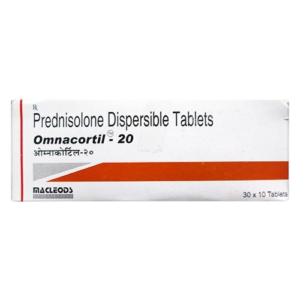
Prednisolone 20mg (Omnacortil) Tablets
$38.00 – $110.00Price range: $38.00 through $110.00 This product has multiple variants. The options may be chosen on the product page -
Prednisolone 40mg (Omnacortil) Tablets
$41.00 – $118.00Price range: $41.00 through $118.00 This product has multiple variants. The options may be chosen on the product page -
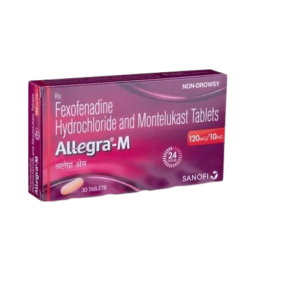
Allegra M (Fexofenadine) Tablets
$55.00 – $160.00Price range: $55.00 through $160.00 This product has multiple variants. The options may be chosen on the product page -
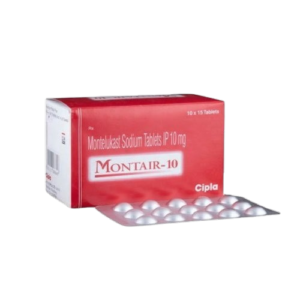
Montelukast 10mg (Montair) Tablet
$52.00 – $140.00Price range: $52.00 through $140.00 This product has multiple variants. The options may be chosen on the product page
🩺 Related Allergy Guides



Dr. Emily Carter specializes in evidence-based health education and wellness content. She focuses on simplifying complex medical topics related to cancer awareness, nutrition, preventive healthcare, skincare, and lifestyle wellness for readers worldwide.
This content is reviewed for medical accuracy, clarity, and alignment with current public health research. The article is intended for educational and informational purposes only and should not replace professional medical advice, diagnosis, or treatment.