
Pirfenidone for Idiopathic Pulmonary Fibrosis (IPF): Complete Guide
Medically reviewed/updated: August 2026
Idiopathic pulmonary fibrosis (IPF) is a chronic lung disease in which scar tissue gradually builds up in the lungs, making them stiffer and making breathing increasingly difficult. Although there is currently no cure that reverses established IPF scarring, antifibrotic medicines can help slow disease progression in appropriate patients. The NHS explains that antifibrotic medicines such as pirfenidone can help slow the progression of IPF.
Pirfenidone for idiopathic pulmonary fibrosis is one of the established antifibrotic treatment options used to slow the decline associated with IPF. It does not remove existing scar tissue or provide an immediate cure, but clinical evidence supports its ability to reduce the rate of lung-function decline in appropriate patients. For a broader overview of the condition, see our guide to idiopathic pulmonary fibrosis, including its symptoms, diagnosis, progression, and treatment options.
This guide explains how pirfenidone works for IPF, how it is generally taken, possible side effects, monitoring requirements, interactions, and questions patients commonly ask about long-term treatment.
What Is Pirfenidone for Idiopathic Pulmonary Fibrosis?
Pirfenidone is an antifibrotic medicine used to help slow the progression of idiopathic pulmonary fibrosis.
IPF causes progressive fibrosis, or scarring, within lung tissue. As fibrosis increases, the lungs can become less flexible and less efficient at transferring oxygen.
The goal of pirfenidone treatment for IPF is not to remove existing scars. Instead, treatment aims to slow the processes involved in progressive fibrosis and preserve lung function for as long as possible.
Clinical guidelines have recommended pirfenidone as a treatment option for appropriate patients with IPF.
What Is Idiopathic Pulmonary Fibrosis?
Idiopathic pulmonary fibrosis is an interstitial lung disease characterized by progressive scarring of lung tissue.
The term idiopathic means that the exact cause is unknown.
Common symptoms can include:
- Persistent dry cough
- Shortness of breath
- Fatigue
- Reduced exercise tolerance
- Loss of appetite or weight
- Clubbing of the fingers in some people
IPF can progress at different rates. Some people experience relatively slow progression, while others develop more significant impairment over a shorter period.
Diagnosis generally involves clinical assessment and testing such as lung-function tests and chest imaging, with specialist evaluation being important because IPF can resemble other lung diseases.
How Does Pirfenidone Work for IPF?
The precise mechanism of pirfenidone is not completely understood.
Pirfenidone has antifibrotic and anti-inflammatory effects and appears to interfere with biological processes involved in the development of fibrosis.
In practical terms, how pirfenidone works for IPF can be summarized as an attempt to slow the processes responsible for progressive lung scarring.
Research and clinical guidelines support its use to reduce the rate of decline in lung function in appropriate people with IPF.
It is important not to confuse slowing disease progression with reversing existing damage.
Pirfenidone does not:
- Remove established lung scars
- Cure IPF
- Immediately relieve severe breathlessness
- Restore already lost lung tissue
Does Pirfenidone Slow Pulmonary Fibrosis?
Yes. Evidence indicates that pirfenidone can slow the decline in lung function associated with IPF.
One important measure used in IPF studies is forced vital capacity (FVC), which measures how much air a person can forcefully exhale after taking a deep breath.
In a major phase 3 trial, pirfenidone was associated with a smaller decline in FVC compared with placebo over 52 weeks.
This is why pirfenidone is considered a disease-modifying antifibrotic treatment, rather than simply a medicine for temporarily controlling symptoms.
Does Pirfenidone Cure Idiopathic Pulmonary Fibrosis?
No.
There is currently no treatment that completely reverses the established lung scarring caused by IPF.
Therefore, the goal of pirfenidone treatment is to slow disease progression, not cure the underlying condition.
This distinction is important when evaluating treatment expectations.
A person taking pirfenidone may not feel a dramatic immediate improvement. The potential benefit is primarily related to slowing deterioration in lung function over time.
What Is the Pirfenidone Dosage for IPF?
Pirfenidone is generally introduced gradually rather than starting immediately at the full maintenance dose.
For commonly used 267-mg tablets, one established titration approach is:
| Treatment period | Example regimen |
|---|---|
| Days 1–7 | 267 mg three times daily |
| Days 8–14 | 534 mg three times daily |
| Day 15 onward | 801 mg three times daily |
This corresponds to a maintenance total of 2,403 mg per day in this formulation.
However, the exact dosing instructions can depend on the formulation, local product labeling, patient factors, tolerability, and clinician instructions.
Do not use this table to change your own prescription.
A patient who experiences significant adverse effects may require dose modification or temporary interruption under medical supervision.
How to Take Pirfenidone for IPF
Understanding how to take pirfenidone for IPF is important because administration can affect tolerability.
Pirfenidone is generally taken with food.
For example, the doses are commonly distributed around the day’s meals.
Patients should:
- Follow the prescribed schedule.
- Take the medicine with food.
- Swallow the dosage form according to its product instructions.
- Avoid changing the dose without medical advice.
- Ask a pharmacist if they are unsure how their particular formulation should be taken.
A patient information resource from University Hospital Southampton specifically instructs patients to take pirfenidone with meals and describes gradual dose escalation.
Pirfenidone With Food: Why Does It Matter?
Pirfenidone with food is generally recommended because taking it during meals can improve tolerability, particularly for gastrointestinal symptoms.
Possible digestive side effects include:
- Nausea
- Indigestion
- Diarrhea
- Stomach discomfort
- Reduced appetite
If these symptoms become persistent or severe, contact your healthcare professional rather than changing the dose yourself.
How Long Does Pirfenidone Take to Work?
People searching how long does pirfenidone take to work should understand that pirfenidone is not designed to produce an immediate improvement in breathing.
Its primary purpose is to slow the progression of IPF.
Doctors generally assess treatment over time using factors such as:
- Lung-function measurements
- Symptoms
- Exercise capacity
- Treatment tolerance
- Oxygen requirements when applicable
- Laboratory monitoring
Clinical studies evaluating pirfenidone have followed patients over many months, reflecting the long-term disease-modifying nature of treatment.
Pirfenidone Side Effects for IPF Patients
Like other medicines, pirfenidone can cause adverse effects.
Commonly reported pirfenidone side effects for IPF patients include:
- Nausea
- Fatigue
- Diarrhea
- Indigestion
- Skin rash
- Photosensitivity
- Reduced appetite
The ATS/ERS/JRS/ALAT guideline evidence review specifically identified increased photosensitivity, fatigue, stomach discomfort, and anorexia among adverse effects associated with pirfenidone.
Not everyone experiences these effects, and their severity can vary.
Pirfenidone Sun Sensitivity and Photosensitivity
Pirfenidone sun sensitivity is an important safety consideration.
Patients taking pirfenidone may develop a rash or other skin reaction following sun exposure.
Sun-protection measures can include:
- Using appropriate sunscreen
- Wearing protective clothing
- Wearing a hat
- Limiting prolonged direct sunlight
- Avoiding tanning beds
Tell your healthcare professional if you develop a significant or persistent rash.
The NHS specifically identifies photosensitive rash as a potential side effect of pirfenidone.
Pirfenidone and Liver Function Monitoring
Pirfenidone and liver function monitoring are closely connected because pirfenidone can affect liver enzymes and, rarely, cause serious liver injury.
Healthcare professionals commonly check liver function before treatment and periodically during treatment.
The NHS notes that patients prescribed pirfenidone have blood tests to check liver function before starting and at regular intervals during treatment.
Contact your healthcare professional promptly if you experience possible symptoms of liver injury, such as:
- Yellowing of the skin or eyes
- Dark urine
- Unusual fatigue
- Loss of appetite
- Itching
- Upper abdominal discomfort
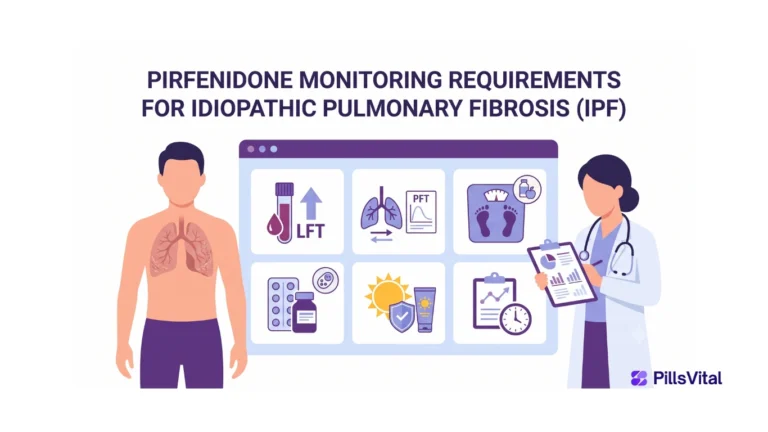
Pirfenidone Monitoring Requirements
The pirfenidone monitoring requirements are an important part of long-term treatment for idiopathic pulmonary fibrosis (IPF). Monitoring helps healthcare professionals evaluate how well treatment is tolerated, identify potential adverse effects early, and follow changes in lung function and overall disease progression.
The exact monitoring schedule can vary according to the patient’s health, other medicines, liver or kidney function, treatment response, and local prescribing information. Patients should follow the monitoring plan provided by their pulmonologist or prescribing clinician.
1. Liver Function Monitoring
Liver monitoring is one of the most important aspects of treatment with pirfenidone. The medicine can cause elevations in liver enzymes and, in uncommon cases, more serious liver injury.
Healthcare professionals may order blood tests to measure markers such as:
- Alanine aminotransferase (ALT)
- Aspartate aminotransferase (AST)
- Bilirubin
- Other liver-function markers when clinically appropriate
Liver tests are typically performed before starting treatment and periodically during treatment, with closer monitoring when clinically indicated.
Patients should tell their healthcare professional if they develop possible symptoms of liver problems, including:
- Yellowing of the skin or eyes
- Dark-colored urine
- Unusual or persistent fatigue
- Loss of appetite
- Nausea or vomiting
- Upper abdominal discomfort
- Unexplained itching
If liver enzymes become significantly elevated or symptoms suggest liver injury, the clinician may temporarily interrupt treatment, adjust the dose, or discontinue pirfenidone depending on the circumstances.
Why it matters: Regular liver-function monitoring allows potential problems to be identified before they become more serious.
2. Lung Function Monitoring
Another important part of pirfenidone monitoring requirements is assessing whether IPF is progressing.
Healthcare professionals may use pulmonary function tests (PFTs) to measure how well the lungs are working. One of the most important measurements is forced vital capacity (FVC). International clinical guidance also discusses pulmonary function and antifibrotic treatment as part of the ongoing management of IPF.
FVC measures the amount of air a person can forcefully exhale after taking a deep breath. In IPF, FVC can gradually decline as fibrosis progresses.
Doctors may also evaluate:
- Diffusing capacity of the lungs for carbon monoxide (DLCO)
- Oxygen saturation
- Exercise tolerance
- Walking distance
- Shortness of breath
- Cough severity
- Oxygen requirements when applicable
These measurements help clinicians understand whether lung function is remaining relatively stable or declining.
It is important to understand that pirfenidone is intended primarily to slow the decline in lung function, not necessarily to increase lung capacity or reverse existing fibrosis.
3. Monitoring Weight and Nutrition
Weight and nutritional status should also be considered during pirfenidone treatment.
Some patients taking pirfenidone may experience:
- Reduced appetite
- Nausea
- Diarrhea
- Changes in taste
- Weight loss
- Fatigue
Unintentional weight loss can be particularly important in people with chronic lung disease because maintaining adequate nutrition supports strength and overall health.
During follow-up appointments, your healthcare professional may ask about:
- Changes in appetite
- Recent weight changes
- Difficulty eating regular meals
- Persistent nausea
- Diarrhea or other digestive symptoms
If significant weight loss occurs, the healthcare team may investigate the cause and recommend dietary or treatment adjustments where appropriate.
4. Monitoring Treatment Tolerance and Side Effects
Regular follow-up helps determine whether a patient is tolerating pirfenidone.
Common adverse effects that may be discussed include:
- Nausea
- Diarrhea
- Indigestion
- Abdominal discomfort
- Fatigue
- Reduced appetite
- Skin rash
- Photosensitivity
Some side effects may improve with supportive measures or dose adjustments. For example, taking pirfenidone with meals can help with gastrointestinal tolerability.
However, patients should not independently reduce or increase their dose to manage side effects.
If adverse effects become difficult to tolerate, a healthcare professional may consider a temporary treatment interruption, dose adjustment, or gradual re-titration.
5. Monitoring for Photosensitivity
Pirfenidone sun sensitivity is another important consideration.
Patients taking pirfenidone may be more susceptible to photosensitivity reactions, particularly after significant exposure to sunlight.
During treatment, patients may be advised to:
- Use appropriate broad-spectrum sunscreen
- Wear protective clothing
- Wear a hat when outdoors
- Limit prolonged direct sunlight
- Avoid tanning beds
- Report significant skin reactions to their healthcare professional
A new or worsening rash should not automatically be assumed to be harmless. Your healthcare professional can determine whether it is related to pirfenidone or another cause.
6. Monitoring for Drug Interactions
Healthcare professionals should review a patient’s medications before and during pirfenidone treatment.
This includes:
- Prescription medicines
- Over-the-counter medicines
- Vitamins
- Herbal products
- Dietary supplements
Some medicines can affect how pirfenidone is metabolized and may increase or decrease its exposure in the body.
Patients should inform their doctor or pharmacist before starting a new medicine while taking pirfenidone.
Do not stop a prescribed medicine or start a new medication solely because of a possible interaction without discussing it with a healthcare professional.
7. Monitoring Kidney and Other Health Conditions
Although liver monitoring is particularly important with pirfenidone, the patient’s overall health should also be considered.
Before and during treatment, clinicians may review:
- Kidney function
- Existing liver disease
- Other chronic conditions
- Current medications
- Smoking status
- Allergies
- Previous medication reactions
People with significant kidney or liver impairment may require special consideration because these conditions can affect medication safety and treatment decisions.
8. Monitoring IPF Progression
Pirfenidone treatment does not eliminate the need for regular IPF follow-up.
At appointments, the healthcare team may assess whether the disease is progressing by reviewing:
- Breathlessness
- Persistent cough
- Exercise capacity
- Oxygen levels
- Pulmonary function tests
- Weight
- Daily activity
- Oxygen requirements
- New respiratory symptoms
A sudden worsening of breathing should not simply be attributed to normal IPF progression.
Sudden or substantial changes can have several possible causes, including respiratory infections, cardiovascular problems, pulmonary embolism, or an acute exacerbation of IPF. Prompt medical assessment may therefore be necessary.
9. How Often Should Pirfenidone Monitoring Be Done?
There is no single monitoring schedule that applies to every patient.
The frequency of testing can depend on:
- The specific pirfenidone product
- Local prescribing information
- Liver-function results
- Other medicines
- Existing liver or kidney problems
- Side effects
- Changes in symptoms
- Overall treatment response
Liver-function testing is commonly performed before treatment begins and at regular intervals afterward. Additional testing may be required if abnormalities occur or if the patient develops symptoms suggesting liver injury.
Pulmonary function tests are generally performed periodically to evaluate IPF progression.
Your pulmonologist should provide the specific schedule appropriate for your treatment.
10. What Should You Tell Your Doctor During Monitoring?
At follow-up appointments, it can be useful to report any changes since your previous visit.
Tell your healthcare professional about:
- New or worsening shortness of breath
- Increased coughing
- Reduced exercise tolerance
- Unexplained weight loss
- Loss of appetite
- Persistent nausea or diarrhea
- Skin rash
- Increased sensitivity to sunlight
- Yellowing of the skin or eyes
- Dark urine
- New medications or supplements
- Changes in smoking habits
Keeping a record of new symptoms can make follow-up appointments more productive. Treatment eligibility and monitoring can vary between healthcare systems; for example, NICE guidance on pirfenidone for IPF provides specific recommendations for eligible patients in England.
Pirfenidone Monitoring Checklist
| What is monitored? | Why it matters |
|---|---|
| Liver function | Detects changes in liver enzymes or possible liver injury |
| Lung function | Tracks changes in IPF and lung-function decline |
| Weight | Identifies unintentional weight loss |
| Appetite | Helps identify nutritional problems |
| Nausea/diarrhea | Assesses gastrointestinal tolerability |
| Skin/rash | Detects photosensitivity reactions |
| Sun sensitivity | Helps reduce the risk of skin reactions |
| Medications | Identifies potential drug interactions |
| Oxygen levels | Helps assess respiratory status |
| Exercise tolerance | Provides information about functional capacity |
| Overall symptoms | Helps assess disease progression and treatment response |
Frequently Asked Questions About Pirfenidone
How often should liver tests be done while taking pirfenidone?
Liver-function tests are generally performed before starting pirfenidone and periodically during treatment. The exact schedule depends on the prescribing information, the patient’s health, other medicines, and previous liver-test results. Additional testing may be needed if abnormal results or symptoms of liver problems occur.
What blood tests are needed for pirfenidone?
Liver-function blood tests are particularly important during pirfenidone treatment. These may include measurements of ALT, AST, and bilirubin. Your healthcare professional may order additional tests depending on your medical history and symptoms.
Does pirfenidone require regular liver monitoring?
Yes. Pirfenidone and liver function monitoring are important because pirfenidone can cause elevated liver enzymes and, rarely, more serious liver injury. Regular testing helps identify potential liver problems early.
How is lung function monitored during pirfenidone treatment?
Doctors may use pulmonary function tests, including forced vital capacity (FVC), to monitor changes in lung function. Oxygen saturation, exercise tolerance, symptoms, and oxygen requirements may also be assessed during follow-up appointments.
Does pirfenidone monitoring include weight?
Yes. Weight and appetite may be monitored because some people taking pirfenidone experience nausea, reduced appetite, gastrointestinal symptoms, or weight loss. Significant unintentional weight loss should be discussed with a healthcare professional.
What side effects should be monitored while taking pirfenidone?
Monitoring may include nausea, diarrhea, indigestion, fatigue, reduced appetite, skin rash, and photosensitivity. Severe or persistent symptoms should be reported to your healthcare professional.
Does pirfenidone require monitoring for sun sensitivity?
Yes. Pirfenidone sun sensitivity is an important safety consideration. Patients may be advised to limit prolonged sun exposure, use sunscreen, wear protective clothing, and report significant skin reactions.
Do doctors monitor drug interactions with pirfenidone?
Yes. Pirfenidone drug interactions should be reviewed before and during treatment. Tell your doctor or pharmacist about all prescription medicines, over-the-counter products, vitamins, herbal products, and supplements you use.
What happens if liver enzymes increase while taking pirfenidone?
If liver enzymes become elevated, your healthcare professional may repeat the blood tests, assess possible causes, adjust the pirfenidone dose, temporarily interrupt treatment, or discontinue it depending on the severity and clinical circumstances.
How long does pirfenidone monitoring continue?
Monitoring generally continues throughout treatment because IPF is a chronic condition and pirfenidone is often used long term. The frequency of blood tests, lung-function testing, and clinical appointments can change according to treatment response, side effects, and individual risk factors.
What symptoms should I report while taking pirfenidone?
Contact your healthcare professional if you develop worsening breathing problems, persistent vomiting or diarrhea, significant weight loss, severe rash, unusual fatigue, yellowing of the skin or eyes, dark urine, or other concerning symptoms.
Can pirfenidone monitoring show whether the medicine is working?
Monitoring can help doctors evaluate whether IPF is progressing and whether treatment remains appropriate. Lung-function tests such as FVC, symptoms, exercise tolerance, and other clinical measurements may be used to assess disease progression. Pirfenidone is intended primarily to slow decline rather than reverse established lung scarring.
Key Takeaway
The pirfenidone monitoring requirements go beyond simply checking whether the medicine is working. Regular monitoring helps balance the potential benefits of slowing IPF progression with the need to identify side effects, liver abnormalities, nutritional problems, medication interactions, and changes in respiratory function.
For anyone taking pirfenidone, regular follow-up with the prescribing healthcare professional is an essential part of treatment. Never change the dose, stop treatment, or skip recommended laboratory or lung-function testing without medical advice.
Related Health Resources
-
Pirfenex 200 mg Tablet
$70.00 – $190.00Price range: $70.00 through $190.00 This product has multiple variants. The options may be chosen on the product page -
Pirfenex 400 mg Tablet
$95.00 – $285.00Price range: $95.00 through $285.00 This product has multiple variants. The options may be chosen on the product page
💜 Related Guides About Pirfenidone


Dr. Emily Carter specializes in evidence-based health education and wellness content. She focuses on simplifying complex medical topics related to cancer awareness, nutrition, preventive healthcare, skincare, and lifestyle wellness for readers worldwide.
This content is reviewed for medical accuracy, clarity, and alignment with current public health research. The article is intended for educational and informational purposes only and should not replace professional medical advice, diagnosis, or treatment.