Introduction
Semaglutide has helped millions of people lose weight by reducing appetite, controlling cravings, and helping them eat fewer calories. Many users see impressive results during treatment, often losing 10–15% or more of their starting body weight.
However, one question concerns almost everyone considering or currently taking semaglutide: Can you regain weight after stopping semaglutide?
The answer is yes, weight regain is possible. But that doesn’t mean it happens to everyone, nor does it mean all the lost weight automatically returns. The amount of weight regained depends largely on your lifestyle habits, physical activity levels, eating patterns, and long-term weight management strategy. Several clinical studies on semaglutide weight loss have shown that some weight regain may occur after treatment is discontinued.
Understanding why weight regain occurs can help you prepare for long-term success and protect the progress you’ve worked hard to achieve.
Understanding How Semaglutide Promotes Weight Loss
Semaglutide belongs to a class of medications known as GLP-1 receptor agonists.
These medications work by mimicking a natural hormone that helps regulate:
- Appetite
- Hunger signals
- Blood sugar levels
- Digestion
- Satiety (feeling full)
As a result, many people experience:
- Reduced food cravings
- Smaller portion sizes
- Less frequent snacking
- Better control over emotional eating
Learn more about How Semaglutide Works for Weight Loss and why it has become one of the most effective prescription weight-loss treatments available today.
What Happens When You Stop Taking Semaglutide?
When semaglutide is discontinued, the medication gradually leaves the body over several weeks.
As its effects diminish:
- Appetite suppression decreases
- Hunger levels increase
- Food cravings may return
- Stomach emptying speeds up
- Calorie intake often rises
This transition is the primary reason many people begin regaining weight after stopping treatment.
The medication itself does not cause weight gain. Instead, it removes some of the biological support that helped maintain a calorie deficit.
Why Weight Regain Happens After Semaglutide
1. Appetite Returns
One of semaglutide’s most powerful effects is reducing hunger.
Many users report:
- Feeling full faster
- Eating smaller meals
- Reduced cravings for unhealthy foods
Once treatment ends, these benefits gradually fade.
People often notice:
- Increased hunger between meals
- Larger portion sizes
- More frequent snacking
- Stronger cravings
Without realizing it, daily calorie intake can increase significantly.
2. The Body Fights to Regain Lost Weight
Human biology is designed to protect against weight loss.
After significant weight reduction, the body may respond by:
- Increasing hunger hormones
- Reducing calorie expenditure
- Conserving energy
- Encouraging food-seeking behavior
This response is sometimes called the body’s “set point” mechanism.
Even after successful weight loss, the body may continue trying to return to its previous weight.
3. Metabolism Slows After Weight Loss
A lighter body naturally burns fewer calories.
For example:
| Weight | Daily Calories Needed |
|---|---|
| 250 lbs | 2,700–3,000 |
| 220 lbs | 2,400–2,700 |
| 190 lbs | 2,100–2,400 |
After losing weight, your maintenance calorie needs become lower.
If eating habits return to pre-treatment levels, weight regain becomes much more likely.
4. Old Habits May Return
Many people focus heavily on the medication but less on long-term lifestyle change.
After stopping semaglutide, some individuals gradually return to:
- Emotional eating
- Mindless snacking
- Large portions
- Frequent takeout meals
- Sedentary habits
These behaviors can contribute significantly to weight regain.
What Do Studies Show?
Research suggests that many individuals regain some weight after discontinuing semaglutide.
However, the amount varies considerably.
Studies have found that:
- Some people regain only a small percentage of lost weight.
- Others regain a significant portion over the following year.
- Individuals who maintain healthy habits generally experience better long-term outcomes.
This highlights an important reality: Semaglutide is a tool, not a permanent cure for obesity.
Long-term success depends on sustainable behavior changes.
Will Everyone Regain Weight?
No.
Weight regain is common, but it is not inevitable.
Some individuals successfully maintain most of their weight loss after stopping treatment.
People who tend to maintain results often:
- Continue exercising regularly
- Follow healthy eating patterns
- Prioritize protein intake
- Monitor their weight
- Practice portion control
- Maintain good sleep habits
The more sustainable habits developed during treatment, the greater the likelihood of maintaining results. Following a structured nutrition plan, such as the best diet while taking semaglutide for weight loss, can help reduce the risk of regaining weight after stopping the medication by supporting healthy eating habits and long-term appetite control.
Factors That Influence Weight Regain
Not everyone experiences the same results after discontinuing semaglutide. While some people maintain most of their weight loss, others may regain a significant portion of the weight they lost. Several factors play an important role in determining long-term success.
Treatment Duration
The length of time you remain on semaglutide can significantly influence your ability to maintain weight loss after treatment ends.
Semaglutide is not simply an appetite suppressant. It also provides time for individuals to establish healthier eating patterns, improve portion control, and adopt sustainable lifestyle habits. People who use the medication for a longer period often have more opportunities to practice these behaviors until they become part of their daily routine.
For example, someone who remains on semaglutide for a year may have enough time to:
- Learn proper portion control
- Develop healthier meal-planning habits
- Build a consistent exercise routine
- Reduce emotional eating behaviors
- Improve awareness of hunger and fullness cues
In contrast, individuals who stop treatment shortly after beginning may not have fully established these habits, making it easier to return to previous eating patterns.
Longer treatment duration does not guarantee weight maintenance, but it may improve the chances of sustaining healthy behaviors once medication support is removed.
Physical Activity
Regular physical activity is one of the most effective tools for maintaining weight loss after stopping semaglutide.
Exercise helps create an energy balance by increasing the number of calories your body burns each day. It also supports cardiovascular health, improves insulin sensitivity, boosts mood, and helps preserve muscle mass during and after weight loss.
People who maintain their weight loss often engage in consistent physical activity, such as:
- Walking
- Cycling
- Swimming
- Jogging
- Hiking
- Strength training
- Group fitness classes
Physical activity can also help offset the increased hunger that may occur after discontinuing semaglutide. Exercise has been shown to improve appetite regulation in some individuals and may reduce the likelihood of excessive calorie consumption.
Even simple activities can make a difference. Taking daily walks, using the stairs, parking farther away, or staying active throughout the day can contribute to long-term success.
Following physical activity guidelines for adults can help improve long-term weight maintenance after stopping semaglutide.
The goal is not perfection but consistency. Finding enjoyable forms of movement often leads to better long-term adherence than following overly demanding exercise programs.
Dietary Choices
Diet remains one of the strongest predictors of whether weight loss will be maintained after stopping semaglutide.
While semaglutide can reduce hunger and make it easier to consume fewer calories, maintaining weight loss ultimately depends on long-term eating habits.
Individuals who continue following balanced nutritional practices are generally more successful at preventing weight regain.
A healthy weight-maintenance diet typically emphasizes:
- Lean protein sources
- Fruits and vegetables
- Whole grains
- Healthy fats
- Fiber-rich foods
- Adequate hydration
At the same time, it may be helpful to limit:
- Highly processed foods
- Sugary beverages
- Excessive fast food
- Frequent overeating
- High-calorie snacks
One common mistake occurs when people assume they can return to their previous eating habits after reaching their goal weight. Unfortunately, doing so often leads to gradual weight regain.
Successful weight maintenance requires viewing healthy eating as a long-term lifestyle rather than a temporary diet.
Meal planning, mindful eating, portion awareness, and consistent food choices can all contribute to maintaining results after semaglutide treatment ends.
Muscle Mass
Muscle mass plays an important role in metabolism and long-term weight management.
When people lose weight, they often lose both body fat and muscle tissue. Maintaining or increasing muscle mass can help support a higher metabolic rate because muscle tissue burns more calories than fat tissue, even while at rest.
Individuals with greater muscle mass may find it easier to maintain their weight because their bodies naturally expend more energy throughout the day.
Benefits of preserving muscle mass include:
- Improved metabolism
- Better body composition
- Increased physical strength
- Enhanced mobility
- Greater calorie expenditure
Strength training is one of the most effective ways to maintain muscle during and after weight loss.
Examples include:
- Weightlifting
- Resistance bands
- Bodyweight exercises
- Squats
- Lunges
- Push-ups
- Resistance machines
Adequate protein intake is equally important. Protein provides the building blocks necessary to preserve and repair muscle tissue, especially during periods of calorie restriction.
People who prioritize both protein intake and resistance training are often better positioned to maintain their weight-loss results long term.
Sleep and Stress
Sleep and stress are often overlooked factors in weight management, yet they can have a significant impact on hunger, cravings, and overall health.
Understanding healthy sleep recommendations for adults may help improve appetite control and support weight management.
How Poor Sleep Affects Weight Maintenance
Insufficient sleep can disrupt hormones that regulate appetite.
Poor sleep may:
- Increase hunger levels
- Increase cravings for high-calorie foods
- Reduce feelings of fullness
- Lower energy levels
- Decrease motivation to exercise
Research has shown that individuals who consistently sleep less than seven hours per night may have greater difficulty maintaining weight loss compared with those who get adequate rest.
Most adults should aim for approximately 7–9 hours of quality sleep each night.
Helpful sleep habits include:
- Maintaining a consistent bedtime
- Limiting screen time before bed
- Creating a cool, dark sleeping environment
- Avoiding caffeine late in the day
How Stress Contributes to Weight Regain
Chronic stress can also influence body weight through hormonal and behavioral changes.
High stress levels may lead to:
- Emotional eating
- Increased cravings for comfort foods
- Poor food choices
- Reduced physical activity
- Disrupted sleep patterns
Many people find themselves reaching for high-calorie foods during periods of stress because these foods temporarily activate the brain’s reward system.
Healthy stress-management techniques may include:
- Meditation
- Yoga
- Deep breathing exercises
- Journaling
- Walking outdoors
- Spending time with family and friends
Managing stress and improving sleep quality can make maintaining weight loss significantly easier after stopping semaglutide.
Warning Signs of Weight Regain
Recognizing early signs allows you to make adjustments before substantial weight returns.
Watch for:
- Increased hunger
- Frequent cravings
- Larger meal portions
- Reduced exercise
- Emotional eating
- Gradual increases on the scale
Small gains are often easier to address than major weight regain.
How to Prevent Weight Regain After Stopping Semaglutide
Continue Following a Healthy Diet
Nutrition remains essential after treatment ends.
Focus on:
- Lean proteins
- Vegetables
- Fruits
- Whole grains
- Healthy fats
Avoid returning to old eating habits that contributed to weight gain initially.
Prioritize Protein
Protein can help:
- Preserve muscle mass
- Improve fullness
- Reduce hunger
- Support metabolism
Aim to include protein with every meal.
Good options include:
- Chicken
- Fish
- Eggs
- Greek yogurt
- Beans
- Tofu
- Cottage cheese
Exercise Consistently
Physical activity becomes even more important after medication discontinuation.
Helpful forms of exercise include:
- Walking
- Cycling
- Swimming
- Jogging
- Strength training
Even 30 minutes of daily activity can support weight maintenance.
Strength Train Regularly
Building muscle can help offset metabolic slowdown.
Strength training helps:
- Maintain lean body mass
- Increase calorie expenditure
- Improve body composition
- Support long-term weight management
Experts often recommend resistance training at least 2–3 times per week.
Monitor Your Weight
Regular monitoring can help identify trends early.
You don’t need to weigh yourself daily.
Many people find success with:
- Weekly weigh-ins
- Monthly measurements
- Tracking clothing fit
Early awareness allows for quicker adjustments.
Manage Stress
Stress can increase:
- Emotional eating
- Cravings
- Cortisol levels
Healthy stress-management strategies include:
- Meditation
- Walking
- Journaling
- Yoga
- Deep breathing exercises
Prioritize Sleep
Sleep directly affects hunger hormones.
Aim for:
- 7–9 hours per night
- Consistent sleep schedules
- Limited screen time before bed
Better sleep often leads to better appetite control.
Should You Stay on Semaglutide Long-Term?
For some people, long-term treatment may be appropriate.
Obesity is increasingly viewed as a chronic medical condition similar to:
- Hypertension
- Asthma
- Type 2 diabetes
Some individuals may benefit from ongoing medication support, while others successfully transition to lifestyle-based maintenance.
The decision should always be made with a healthcare provider.
Semaglutide vs. Liraglutide for Long-Term Weight Management
Some patients who discontinue semaglutide may discuss alternative medications with their healthcare provider.
Learn more in our comparison of Semaglutide vs. Liraglutide to understand how these GLP-1 medications differ.
❓ FAQs
Will I regain all the weight after stopping semaglutide?
Not necessarily. Many people regain some weight, but maintaining healthy habits can significantly reduce the amount regained.
How soon can weight regain start?
Some people notice increased appetite within weeks of stopping semaglutide, though weight regain varies by individual.
Can exercise prevent weight regain?
Exercise can significantly improve long-term weight maintenance and reduce the likelihood of regaining lost weight.
Is weight regain a sign the medication failed?
No. Weight regain reflects the return of biological hunger signals and lifestyle factors, not medication failure.
Final Thoughts
Yes, it is possible to regain weight after stopping semaglutide. However, weight regain is not guaranteed and is often influenced by lifestyle choices made during and after treatment. Always consult a healthcare professional before making changes to your medication or weight-loss treatment plan.
The most successful individuals use semaglutide as a tool to build healthier habits rather than relying solely on the medication. By maintaining a nutritious diet, staying physically active, prioritizing sleep, managing stress, and monitoring progress, many people can preserve much of their weight loss long after treatment ends.
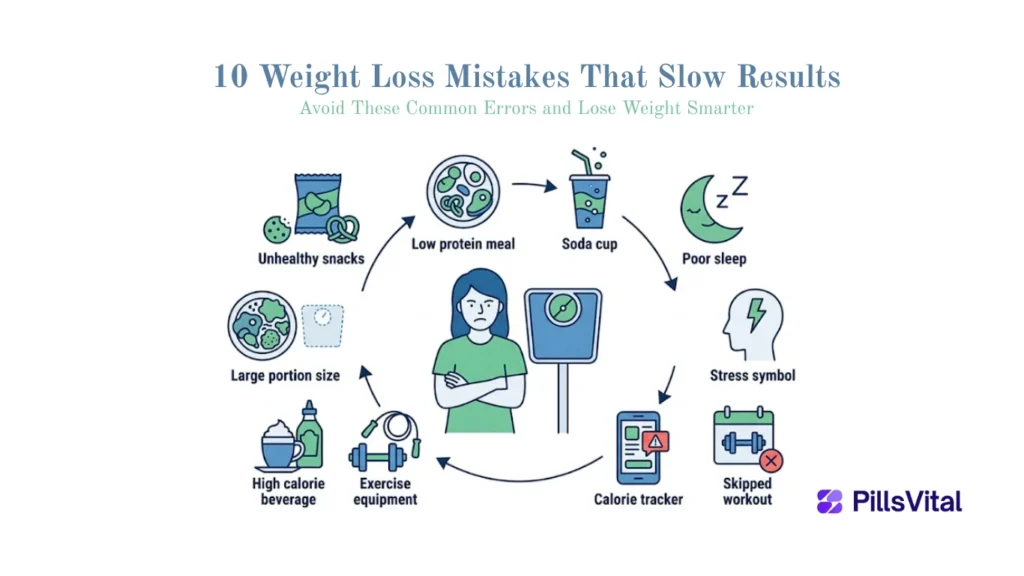
Successful weight loss is not just about eating less—it’s about avoiding habits that can slow your progress and make results harder to maintain. By recognizing and correcting these common mistakes, you can build a more sustainable approach to reaching your goals. If you’re struggling to see results, reviewing these common weight loss mistakes may help you identify hidden obstacles and stay on track for long-term success.
Related Products
-

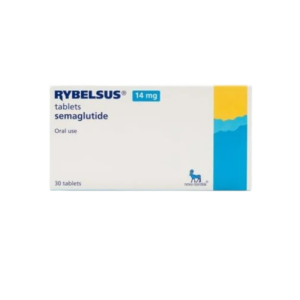
Semaglutide 14mg (Rybelsus) Tablets
$285.00 – $810.00Price range: $285.00 through $810.00 Select options This product has multiple variants. The options may be chosen on the product page -
Semaglutide 7mg (Rybelsus) Tablets
$280.00 – $805.00Price range: $280.00 through $805.00 Select options This product has multiple variants. The options may be chosen on the product page -
Victoza Solution for Injection
$235.00 Select options This product has multiple variants. The options may be chosen on the product page -
Slim Trim Active 60mg Capsules
$32.00 – $90.00Price range: $32.00 through $90.00 Select options This product has multiple variants. The options may be chosen on the product page

Dr. Emily Carter specializes in evidence-based health education and wellness content. She focuses on simplifying complex medical topics related to cancer awareness, nutrition, preventive healthcare, skincare, and lifestyle wellness for readers worldwide.
This content is reviewed for medical accuracy, clarity, and alignment with current public health research. The article is intended for educational and informational purposes only and should not replace professional medical advice, diagnosis, or treatment.