Ivermectin is a medication that has been used for specific parasitic infections under the guidance of healthcare professionals. Like many medicines, ivermectin is intended to be used according to prescribed or recommended dosing instructions. Taking more than the recommended amount or using it more frequently than directed may increase the risk of unwanted side effects and other health concerns.
Many people assume that taking an extra dose will make a medication work faster or better. However, medication safety experts generally advise against exceeding recommended doses without professional guidance. Understanding the warning signs of ivermectin overuse can help individuals recognize potential problems early and seek appropriate medical advice.
If you’re interested in understanding how ivermectin dosages are determined, see our Ivermectin Dosage Guide.
What Is Ivermectin Overuse?
Ivermectin overuse occurs when a person:
- Takes more ivermectin than recommended
- Uses ivermectin more frequently than directed
- Continues taking ivermectin longer than advised
- Uses ivermectin without appropriate medical guidance
Overuse may occur intentionally or accidentally. Some individuals may misunderstand instructions, forget previous doses, or incorrectly assume that higher amounts will improve results.
Why Taking Too Much Ivermectin Can Be Risky
Every medication has a dosage range designed to balance effectiveness and safety.
Using more ivermectin than recommended may increase the likelihood of:
- Side effects
- Medication-related complications
- Drug interactions
- Unnecessary health risks
The MedlinePlus Drug Information Resource recommends taking medications exactly as directed and discussing dosage concerns with a healthcare professional.
Common Reasons People Accidentally Overuse Ivermectin
Misunderstanding Dosage Instructions
One of the most common causes of medication overuse is misunderstanding dosage recommendations.
Examples include:
- Taking doses too close together
- Confusing tablet strengths
- Misreading instructions
Taking Additional Doses Too Soon
Some individuals may feel their symptoms are not improving quickly enough and decide to take another dose sooner than recommended.
This can increase the risk of unwanted side effects.
Using Multiple Products
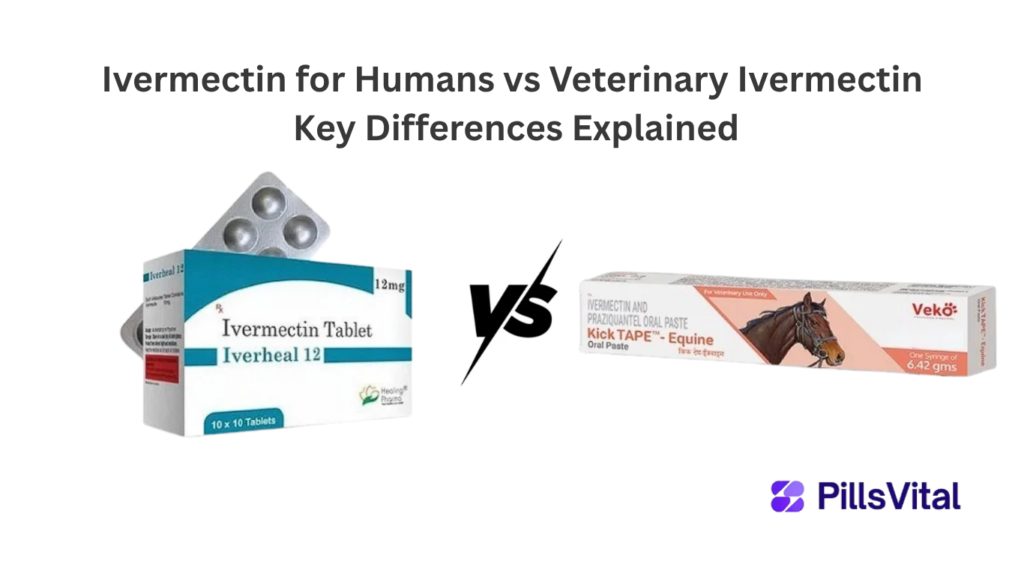
Veterinary formulations are not intended for human use and may contain different concentrations and inactive ingredients.
Learn more in our Human vs Veterinary Ivermectin Guide.
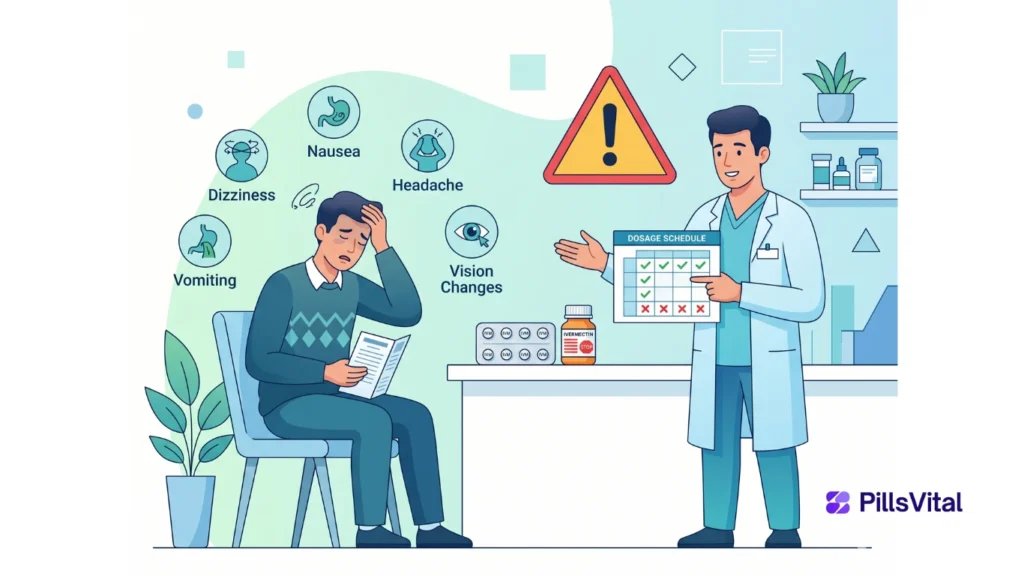
Early Warning Signs of Ivermectin Overuse
The symptoms associated with medication overuse can vary from person to person.
Dizziness
Dizziness is one of the more commonly reported symptoms associated with medication-related issues.
Possible signs include:
- Feeling lightheaded
- Difficulty maintaining balance
- Sensation of spinning
- Increased risk of falls
Older adults may be particularly vulnerable to dizziness-related injuries.
Nausea
Nausea can occur when the digestive system reacts to medication use.
Symptoms may include:
- Upset stomach
- Loss of appetite
- Feeling sick after taking medication
Fatigue
Some individuals may notice unusual tiredness or weakness.
Possible symptoms include:
- Low energy
- Difficulty concentrating
- Increased sleepiness
- Reduced motivation
Stomach Discomfort
Digestive symptoms can sometimes occur when medications are not tolerated well.
Examples include:
- Mild abdominal pain
- Stomach cramps
- Indigestion
- Bloating
Moderate Symptoms That Should Not Be Ignored
Vomiting
Repeated vomiting may indicate that the body is reacting poorly to a medication.
Signs include:
- Inability to keep food down
- Dehydration
- Persistent nausea
Diarrhea
Some individuals may experience:
- Frequent loose stools
- Abdominal cramping
- Fluid loss
Blurred Vision
Changes in vision should always be taken seriously.
Symptoms may include:
- Difficulty focusing
- Blurry images
- Visual disturbances
Confusion
Mental changes may indicate that the body is struggling to process a medication properly.
Warning signs include:
- Difficulty concentrating
- Memory problems
- Disorientation
- Mental fog
For more information about medication-related symptoms, see our Ivermectin Side Effects Guide.
Serious Symptoms Requiring Immediate Medical Attention
Seek emergency medical care immediately if symptoms include:
Difficulty Breathing
Warning signs may include:
- Shortness of breath
- Wheezing
- Chest tightness
Seizures
Seizures may involve:
- Uncontrolled shaking
- Loss of awareness
- Sudden collapse
Severe Allergic Reactions
Symptoms may include:
- Swelling of the lips
- Swelling of the tongue
- Throat swelling
- Difficulty breathing
The U.S. Food and Drug Administration (FDA) advises seeking immediate medical attention if serious adverse reactions occur.
Loss of Consciousness
Fainting or becoming unresponsive should always be treated as a medical emergency.
Who May Be at Higher Risk?
Certain groups may face a greater risk of medication-related complications.
Older Adults
Older adults may process medications differently and often take multiple medications.
Individuals Taking Multiple Medications
Drug interactions may increase the risk of adverse effects.
People With Liver or Kidney Conditions
These organs play an important role in processing and eliminating medications.
The National Institute of Diabetes and Digestive and Kidney Diseases (NIDDK) explains that reduced kidney function can affect how medicines are cleared from the body.
How to Help Prevent Ivermectin Overuse
Follow Instructions Carefully
Take ivermectin exactly as directed.
Keep Track of Doses
Use:
- Medication reminders
- Pill organizers
- Written schedules
Avoid Self-Medicating
Taking medications without appropriate guidance may increase the risk of misuse.
You may also find our Ivermectin Safety Guide useful.
Never Use Veterinary Products
Animal medications should never be substituted for human medications.
Key Takeaways
Ivermectin is intended to be used according to recommended dosing instructions. Taking more than the recommended amount may increase the risk of side effects and medication-related complications.
Understanding the warning signs of ivermectin overuse, following dosage instructions carefully, and consulting qualified healthcare professionals when questions arise can help support safer medication use.
Related Health Resources
-

Albendazole & Ivermectin (AlbaThrow Plus-12) Tablet
$130.00 – $355.00Price range: $130.00 through $355.00 This product has multiple variants. The options may be chosen on the product page -

Covilife MBD 275 (Ivermectin & Mebendazole) Tablets
$92.00 – $260.00Price range: $92.00 through $260.00 This product has multiple variants. The options may be chosen on the product page -
Doxycycline 100mg (Dexenorm-LBX) Tablets
$50.00 – $150.00Price range: $50.00 through $150.00 This product has multiple variants. The options may be chosen on the product page -
Fenbendazole 444mg (Wormentel) Tablets
$76.00 – $302.00Price range: $76.00 through $302.00 This product has multiple variants. The options may be chosen on the product page
β FAQs
What is ivermectin overuse?
Ivermectin overuse occurs when the medication is taken in higher amounts, more frequently, or for longer than recommended.
What are the early signs of ivermectin overuse?
Common early symptoms may include dizziness, nausea, fatigue, and stomach discomfort.
Can taking too much ivermectin be dangerous?
Excessive use may increase the risk of side effects and other medication-related complications.
Should I take an extra dose if symptoms do not improve?
Do not increase your dose without consulting a healthcare professional.
Can veterinary ivermectin be used by humans?
Veterinary products are not intended for human use and may contain different concentrations and ingredients.
π Related Medication Safety Guides
Dr. Emily Carter specializes in evidence-based health education and wellness content. She focuses on simplifying complex medical topics related to cancer awareness, nutrition, preventive healthcare, skincare, and lifestyle wellness for readers worldwide.
This content is reviewed for medical accuracy, clarity, and alignment with current public health research. The article is intended for educational and informational purposes only and should not replace professional medical advice, diagnosis, or treatment.