
Can You Use Victoza for Weight Loss Without Diabetes?
Written By: PillsVital Health Editorial Team
Last Updated: August 2026
Medical Review: August 2026
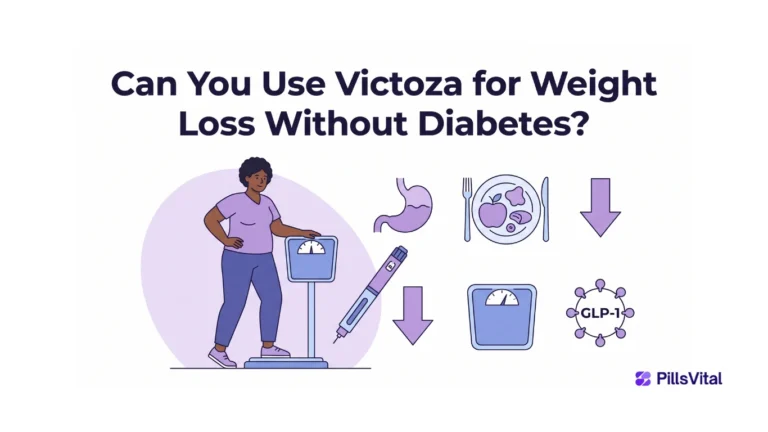
Yes, liraglutide can be used for weight management in some adults who do not have diabetes, but there is an important distinction between Victoza and the weight-management formulation of liraglutide. Victoza is primarily indicated for managing type 2 diabetes, while liraglutide is also marketed as Saxenda for chronic weight management in eligible people with overweight or obesity. Victoza contains liraglutide, which is also used for weight management in eligible adults, and works partly by influencing appetite and food intake.
This distinction matters if you are considering Victoza specifically because you want to lose weight but do not have diabetes.
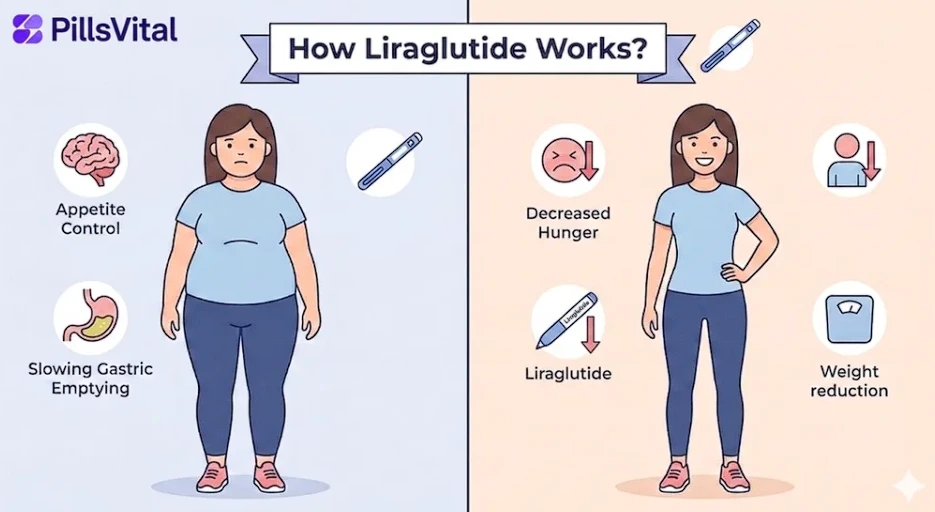
Liraglutide belongs to a group of medicines called GLP-1 receptor agonists. It can reduce appetite, slow stomach emptying and help people consume fewer calories. Clinical research has shown that liraglutide can produce meaningful weight loss in adults with obesity or overweight even when they do not have type 2 diabetes.
However, using a prescription medicine for weight loss should be based on your health profile, BMI, medical history, other medicines and a clinician’s assessment—not simply on whether you have diabetes.
Quick Answer: Can Someone Without Diabetes Take Victoza for Weight Loss?
A person does not necessarily need to have diabetes to receive liraglutide for weight management, because liraglutide has been studied in adults without diabetes.
However, Victoza itself is labeled for type 2 diabetes, not as the primary U.S. brand for chronic weight management. The FDA-approved Victoza labeling describes its use for improving glycemic control in people with type 2 diabetes and reducing certain cardiovascular risks in adults with type 2 diabetes and established cardiovascular disease.
A separate liraglutide product, Saxenda, is indicated for chronic weight management in eligible adults with overweight or obesity as an addition to reduced-calorie eating and increased physical activity.
So the more accurate question is: Can liraglutide help someone lose weight if they don’t have diabetes?
The answer is yes, for appropriately selected patients.
Victoza vs. Saxenda: Why the Difference Matters
Victoza and Saxenda contain the same active ingredient: liraglutide. The FDA prescribing information for Victoza describes its approved use for improving glycemic control in people with type 2 diabetes.
The major difference is their approved indication and dosing.
| Feature | Victoza | Saxenda |
|---|---|---|
| Active ingredient | Liraglutide | Liraglutide |
| Drug class | GLP-1 receptor agonist | GLP-1 receptor agonist |
| Primary U.S. indication | Type 2 diabetes | Chronic weight management |
| Typical maximum labeled dose | 1.8 mg daily | 3 mg daily |
| Designed specifically for weight management? | No | Yes |
| Can be relevant to people without diabetes? | Weight loss may occur, but diabetes is the labeled indication | Yes, in eligible people |
The FDA labeling for Victoza describes adult dosing that starts at 0.6 mg daily, increases to 1.2 mg, and can increase to 1.8 mg when additional glycemic control is needed.
The weight-management formulation of liraglutide is titrated to a maximum of 3 mg daily. Clinical trials evaluating this dose specifically included adults without type 2 diabetes.
This is why people searching for “Victoza for weight loss without diabetes” should understand that the same active ingredient can have different branded products and approved uses.
How Does Liraglutide Help With Weight Loss?
Liraglutide mimics the action of a naturally occurring hormone called GLP-1 (glucagon-like peptide-1).
GLP-1 plays several roles in appetite and glucose regulation.
Liraglutide can:
- Reduce appetite
- Increase feelings of fullness
- Slow gastric emptying
- Reduce food intake
- Help regulate blood glucose
- Support a calorie deficit when combined with lifestyle changes
The weight-loss effect is not simply because the medicine “burns fat.” Instead, reduced appetite and lower energy intake are important mechanisms behind the reduction in body weight. The SCALE trial reported that weight loss with liraglutide was mediated largely through reduced appetite and energy intake.
This makes liraglutide different from products marketed as simple “fat burners.”
Does Liraglutide Work for Weight Loss in People Without Diabetes?
Yes.
Evidence from the SCALE Obesity and Prediabetes clinical trial found that adults without type 2 diabetes receiving liraglutide 3 mg achieved greater weight loss than those receiving placebo.
Participants had either:
- A BMI of at least 30, or
- A BMI of at least 27 plus a weight-related condition such as hypertension or dyslipidemia.
Participants received liraglutide 3 mg or placebo alongside lifestyle counseling.
After 56 weeks:
- Average weight loss with liraglutide was about 8.4 kg
- Average weight loss with placebo was about 2.8 kg
- About 63.2% of people receiving liraglutide lost at least 5% of their starting weight
- About 33.1% lost more than 10%
The study therefore provides direct evidence that liraglutide can support weight loss in adults who do not have diabetes.
What does that mean in real life?
It does not mean that everyone without diabetes should take liraglutide.
Clinical trials use specific eligibility criteria, medical supervision and structured lifestyle interventions. Individual results can vary considerably.
Who Might Be Considered for Liraglutide Weight Management?
Prescription weight-management medicines are generally considered when excess weight is creating health risks and lifestyle changes alone have not produced sufficient results. Prescription medication may be considered as part of a broader medical weight loss approach when lifestyle changes alone have not produced sufficient results.
Depending on the country and applicable prescribing guidance, eligibility may involve:
- BMI
- Weight-related health conditions
- Previous attempts at weight management
- Cardiovascular risk
- Blood glucose status
- Other medicines
- Personal and family medical history
For example, NICE recommends liraglutide for specific adults with overweight or obesity under defined circumstances and as part of a broader weight-management approach. Its recommendations include BMI and metabolic/cardiovascular risk criteria and specialist weight-management services.
Eligibility therefore varies between countries.
Someone who qualifies for a weight-management medicine in one country may not meet the prescribing criteria in another.
Can You Take Liraglutide If Your Blood Sugar Is Normal?
Having normal blood sugar does not automatically mean liraglutide cannot be used for weight management.
The major issue is why the medicine is being prescribed.
Liraglutide has been studied in people without diabetes, including people with normal glucose levels and people with prediabetes. In the SCALE trial, the weight-loss effect was observed regardless of whether participants had prediabetes at baseline.
Therefore:
No diabetes ≠ no possible benefit from liraglutide for weight management.
But:
No diabetes also does not mean liraglutide is automatically appropriate for weight loss.
A clinician should determine whether prescription treatment is appropriate.
Can Victoza Cause Weight Loss in Non-Diabetic People?
Liraglutide can cause weight loss, including in people without diabetes.
However, it is important not to confuse weight loss observed with Victoza with the approved use of the product.
Victoza contains liraglutide and is primarily indicated for type 2 diabetes. Weight reduction can occur during treatment, but that does not change Victoza’s labeled indication.
For people specifically seeking pharmacological treatment for obesity or overweight, healthcare professionals may consider a formulation of liraglutide indicated for weight management where it is approved and available.
How Much Weight Can You Lose With Liraglutide Without Diabetes?
There is no guaranteed amount of weight loss.
In the 56-week SCALE trial, participants receiving 3 mg liraglutide lost an average of approximately 8% of their starting body weight, compared with approximately 2.6% with placebo.
For example, an individual weighing 100 kg would theoretically lose around 8 kg if they experienced the trial’s average percentage reduction.
But this is only an illustration.
Actual weight loss depends on:
- Starting weight
- Diet
- Physical activity
- Dose tolerated
- Treatment duration
- Appetite response
- Other medications
- Medical conditions
- Adherence to treatment
Some people lose substantially more, while others lose less.
How Quickly Does Liraglutide Start Working for Weight Loss?
Liraglutide is generally introduced gradually rather than immediately starting at the maximum dose.
This gradual approach allows the body to adjust and may improve tolerability.
People may notice changes in:
- Appetite
- Portion size
- Hunger between meals
- Food cravings
- Feeling full after eating
during the early stages of treatment.
However, early appetite suppression does not necessarily equal large immediate weight loss.
Weight management should be evaluated over time rather than by looking at changes after only a few days.
Why Is Liraglutide Increased Gradually?
One reason for gradual dose escalation is tolerability.
Gastrointestinal effects are among the most common adverse effects associated with liraglutide. In the large weight-management trial, nausea and diarrhea were among the most frequently reported adverse events.
The weight-management formulation is titrated over several weeks toward the target dose rather than starting immediately at 3 mg.
Do not change the dose yourself. Your prescriber should determine how quickly the dose should be increased and whether treatment should continue.
Common Liraglutide Side Effects
The most commonly reported side effects can involve the digestive system.
They may include:
- Nausea
- Diarrhea
- Vomiting
- Constipation
- Abdominal discomfort
- Indigestion
- Reduced appetite
Victoza’s FDA labeling also lists nausea, diarrhea, vomiting, decreased appetite, dyspepsia and constipation among common adverse reactions. Because liraglutide belongs to the GLP-1 class, understanding common GLP-1 side effects can help you recognize what to discuss with your healthcare professional.
For many people, gastrointestinal symptoms are more noticeable when treatment begins or when the dose increases.
However, severe or persistent symptoms should not simply be ignored.
Is Liraglutide Safe if You Don't Have Diabetes?
Whether liraglutide is appropriate depends on your individual health situation.
Not having diabetes does not eliminate the potential risks associated with the medicine.
Important safety considerations include the product’s contraindications and warnings.
For example, FDA labeling warns against use in people with a personal or family history of medullary thyroid carcinoma (MTC) or multiple endocrine neoplasia syndrome type 2 (MEN 2).
Liraglutide labeling also contains warnings and precautions concerning issues such as:
- Pancreatitis
- Gallbladder disease
- Severe gastrointestinal reactions
- Dehydration and kidney problems
- Hypoglycemia when combined with certain diabetes medicines
- Serious allergic reactions
This is why buying or using a GLP-1 medicine without appropriate medical evaluation is not a good approach.
Can Liraglutide Make Your Blood Sugar Too Low If You Don't Have Diabetes?
People often worry about hypoglycemia when they hear that liraglutide affects blood glucose.
Liraglutide can influence glucose regulation, but the risk of clinically significant hypoglycemia is particularly relevant when it is used together with insulin or insulin-releasing medicines.
Someone without diabetes should still discuss their medical history and other medicines with their healthcare professional before treatment.
Symptoms that can be associated with low blood sugar may include:
- Shakiness
- Sweating
- Hunger
- Dizziness
- Weakness
- Confusion
- Fast heartbeat
Unusual or severe symptoms require medical attention.
Can You Take Liraglutide for Weight Loss If You Have Prediabetes?
This is an especially relevant question because liraglutide has been studied extensively in people with obesity and prediabetes.
The SCALE trial included a large proportion of participants with prediabetes. Liraglutide was associated with greater weight loss and improvements in measures of glycemic control compared with placebo.
However, prediabetes should not be treated as simply “almost diabetes.”
A healthcare professional should evaluate:
- HbA1c
- Fasting glucose
- BMI
- Blood pressure
- Cholesterol
- Family history
- Other cardiovascular risk factors
Treatment should address the individual’s overall metabolic health rather than focusing only on the number on the scale.
What Happens When You Stop Liraglutide?
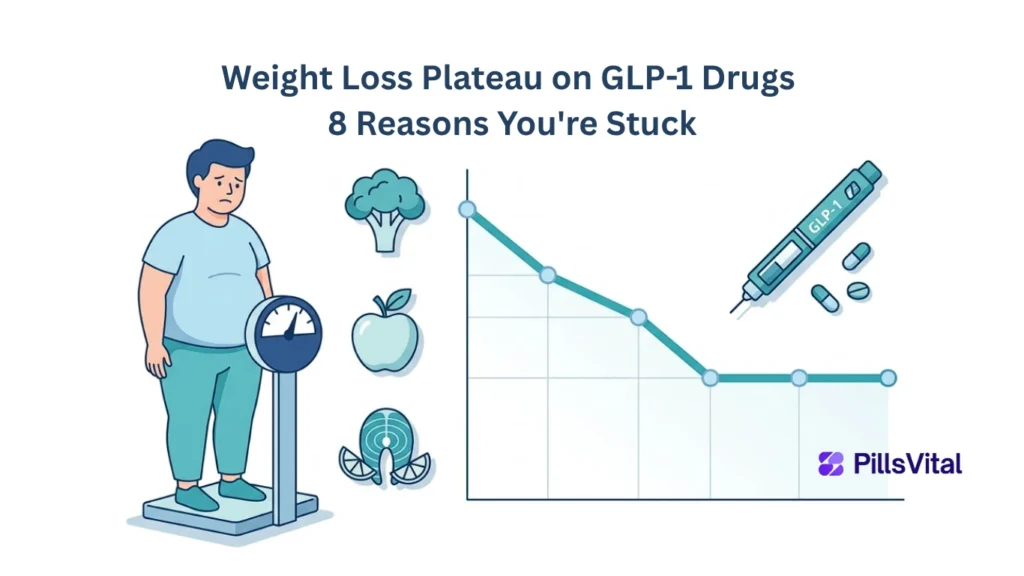
One of the biggest questions people have about GLP-1 weight-loss medicines is whether the weight stays off after treatment ends. If weight loss slows during treatment, understanding why people experience a weight loss plateau on GLP-1 drugs may help explain why progress can change over time.
Weight maintenance can be challenging after stopping a weight-management medicine because appetite regulation and energy intake may change again.
In the SCALE research, weight-loss benefits were associated with continued treatment, emphasizing that obesity is a chronic condition requiring an ongoing management strategy rather than a short-term “quick fix.”
If you are considering stopping liraglutide, discuss a long-term weight-management plan with your healthcare professional.
That plan may include:
- Nutrition
- Physical activity
- Sleep
- Behavioral strategies
- Weight monitoring
- Alternative treatment options
Victoza Without Diabetes: 7 Questions to Ask Your Doctor
If you are considering liraglutide for weight management without diabetes, ask:
1. Is my BMI within the range where medication may be appropriate?
2. Do I have any weight-related health conditions?
3. Is liraglutide appropriate for my medical history?
4. Should I use a weight-management formulation rather than Victoza?
5. Which dose and titration schedule are appropriate for me?
6. What side effects should make me stop treatment or seek medical care?
7. What is my long-term plan if I stop the medicine?
These questions can make a consultation more productive and help you understand whether medication is actually appropriate.
Victoza vs. Other GLP-1 Weight-Loss Medicines
Liraglutide is not the only GLP-1-based option available for weight management; semaglutide is another commonly discussed option for weight loss.
Depending on the country and individual eligibility, clinicians may consider different medicines, including:
- Liraglutide
- Semaglutide
- Tirzepatide
These medicines are not interchangeable.
They differ in:
- Active ingredients
- Dosing schedules
- Approved indications
- Expected weight-loss effects
- Side-effect profiles
- Contraindications
- Availability
- Cost
- Insurance coverage
Therefore, choosing a weight-loss medicine should not be based solely on which drug is trending online.
Can You Use Victoza for Weight Loss Without Diabetes? The Bottom Line
Yes, liraglutide can help with weight management in people who do not have diabetes. Clinical evidence supports its effectiveness in appropriately selected adults with overweight or obesity.
But there is an important distinction:
Victoza is a liraglutide product primarily indicated for type 2 diabetes, while Saxenda is the liraglutide product specifically indicated for chronic weight management in eligible patients in the United States.
The fact that someone does not have diabetes does not automatically prevent them from using a weight-management medicine containing liraglutide. At the same time, being interested in weight loss does not automatically make liraglutide appropriate.
A qualified healthcare professional should evaluate your BMI, medical history, current medications, risk factors and weight-management goals before treatment.
Frequently Asked Questions
Can I take Victoza if I don't have diabetes?
Liraglutide has been studied for weight management in adults without diabetes. However, Victoza’s labeled indication is type 2 diabetes, while liraglutide is also available as a product specifically indicated for chronic weight management.
Does Victoza burn fat?
Victoza does not directly “burn fat.” Liraglutide can reduce appetite and food intake, which can help create the calorie deficit needed for weight loss.
Is Victoza the same as Saxenda?
Both contain liraglutide, but they are marketed for different indications and have different labeled dosing. Saxenda is specifically indicated for chronic weight management.
Can non-diabetics use liraglutide for weight loss?
Yes, liraglutide has been studied in adults without type 2 diabetes and demonstrated weight-loss benefits when combined with lifestyle intervention.
How much weight can you lose with liraglutide if you don't have diabetes?
Results vary. In a 56-week clinical trial, adults without diabetes taking liraglutide 3 mg lost an average of approximately 8% of their initial body weight.
Can I take liraglutide if my blood sugar is normal?
Normal blood glucose does not automatically rule out weight-management treatment with liraglutide. Eligibility depends on the individual’s overall health and the applicable prescribing criteria.
Does liraglutide reduce appetite?
Yes. Appetite reduction and lower energy intake are important mechanisms contributing to weight loss with liraglutide.
Can I use liraglutide without changing my diet?
Liraglutide for weight management is intended to be used alongside reduced-calorie eating and increased physical activity rather than as a replacement for lifestyle changes.
Is liraglutide suitable for everyone who wants to lose weight?
No. A prescription weight-management medicine may not be appropriate for everyone. Contraindications, medical conditions, medications, pregnancy status and other factors need to be considered.
What should I do before starting liraglutide?
Discuss your weight, BMI, medical history, medications, allergies and treatment goals with a qualified healthcare professional. Do not start, stop or change the dose of prescription liraglutide without medical guidance.
Conclusion
Victoza for weight loss without diabetes is a topic that often causes confusion because Victoza and Saxenda both contain the active ingredient liraglutide but have different approved uses. Research shows that liraglutide can support meaningful weight loss in eligible adults who do not have diabetes by reducing appetite and food intake.
However, not having diabetes does not automatically mean Victoza or another liraglutide product is right for you. Your BMI, medical history, current medications, health conditions, and weight-management goals should be considered before treatment. In particular, Victoza is primarily indicated for type 2 diabetes, while liraglutide is also available in a formulation specifically indicated for chronic weight management in eligible patients.
If you are considering Victoza for weight loss without diabetes, speak with a qualified healthcare professional about whether liraglutide is appropriate for you and which treatment option is suitable. Prescription weight-loss medication works best as part of a comprehensive approach that includes appropriate nutrition, physical activity, and long-term weight-management support.
Related Health Resources
-
Semaglutide 14mg (Rybelsus) Tablets
$285.00 – $810.00Price range: $285.00 through $810.00 This product has multiple variants. The options may be chosen on the product page -
Semaglutide 7mg (Rybelsus) Tablets
$280.00 – $805.00Price range: $280.00 through $805.00 This product has multiple variants. The options may be chosen on the product page -
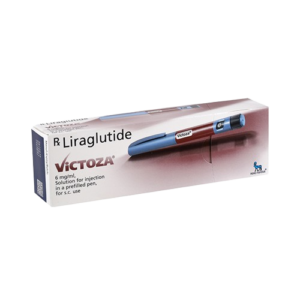
Victoza Solution for Injection
$235.00 This product has multiple variants. The options may be chosen on the product page -
Slim Trim Active 60mg Capsules
$32.00 – $90.00Price range: $32.00 through $90.00 This product has multiple variants. The options may be chosen on the product page
🩺 Related Weight Loss Guides

Dr. Emily Carter specializes in evidence-based health education and wellness content. She focuses on simplifying complex medical topics related to cancer awareness, nutrition, preventive healthcare, skincare, and lifestyle wellness for readers worldwide.
This content is reviewed for medical accuracy, clarity, and alignment with current public health research. The article is intended for educational and informational purposes only and should not replace professional medical advice, diagnosis, or treatment.