Introduction
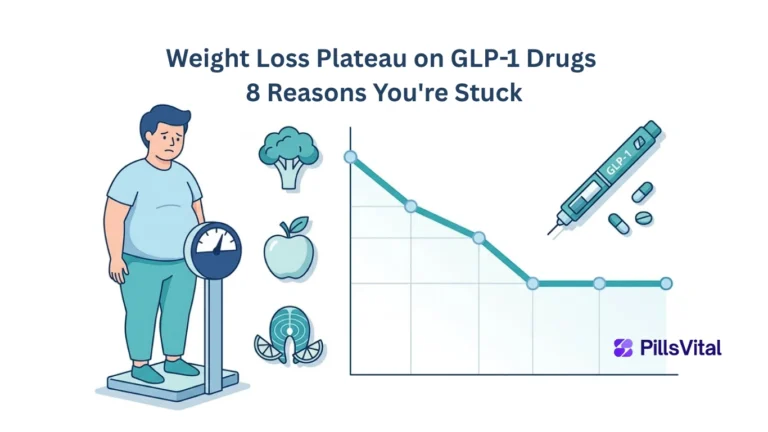
Many people start GLP-1 medications and see impressive results during the first few months. The numbers on the scale drop steadily, clothes fit better, and motivation remains high. Then something unexpected happens. Weight loss slows down or stops completely, even though the medication is still working.
This experience is known as a weight loss plateau. It is one of the most common concerns among people taking GLP-1 medications such as semaglutide and liraglutide.
The good news is that a plateau does not necessarily mean your medication has stopped working. In many cases, it is a normal part of the weight loss journey. Understanding why plateaus happen can help you make informed decisions and continue progressing toward your goals.
If you’re new to prescription weight management treatments, learn more about medical weight loss programs.
What Is a Weight Loss Plateau?
A weight loss plateau occurs when body weight remains relatively unchanged for several weeks despite continuing the same diet, exercise, and medication routine.
Most healthcare providers consider a plateau to be a period of at least 4–8 weeks with little or no change in weight.
Plateaus are common with:
- Semaglutide
- Liraglutide
- Other GLP-1 receptor agonists
- Traditional calorie-restricted diets
- Lifestyle-based weight loss programs
Even individuals who eventually achieve significant weight loss often experience one or more plateaus along the way.
How GLP-1 Medications Help You Lose Weight
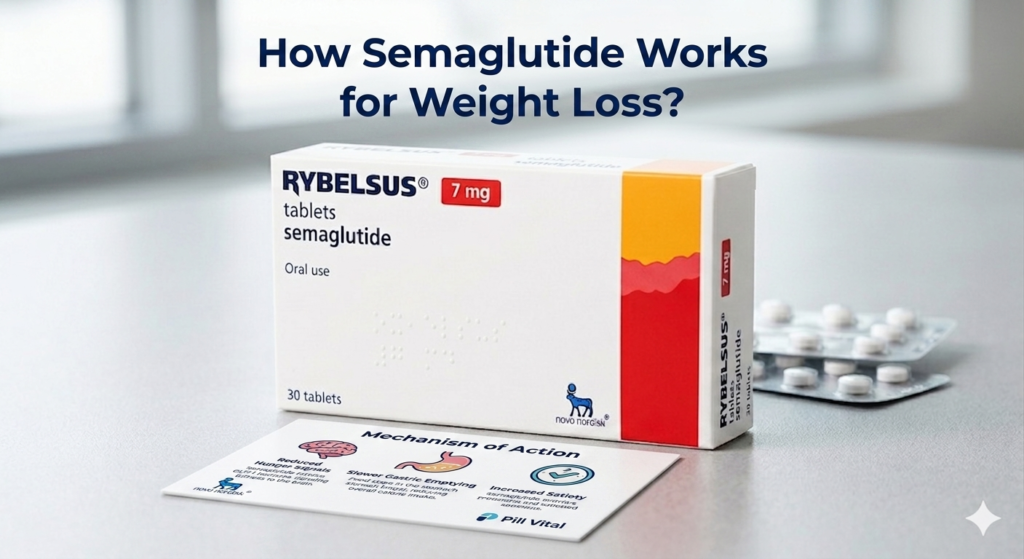
To understand plateaus, it helps to understand how GLP-1 medications work. Semaglutide belongs to a class of medications known as Glucagon Like peptide-1(GLP-1) Receptor agoinsts.
Drugs such as semaglutide mimic a naturally occurring hormone called glucagon-like peptide-1 (GLP-1). These medications help by:
- Reducing appetite
- Increasing feelings of fullness
- Slowing stomach emptying
- Reducing food cravings
- Helping regulate blood sugar levels
Together, these effects make it easier to consume fewer calories.
For a deeper explanation, read our guide on how semaglutide works for weight loss.
Why Weight Loss Slows Down Over Time
One of the biggest misconceptions about weight loss medications is that results should continue at the same rate indefinitely.
In reality, the body adapts to weight loss.
During the first months of treatment, larger individuals often lose weight more quickly because their bodies require more calories to maintain their current weight.
As weight decreases:
- Daily calorie needs decrease
- Metabolism becomes more efficient Researchers have extensively studied weight loss adaptation and metabolic changes that occur after significant weight reduction.
- The calorie deficit becomes smaller
- Weight loss naturally slows
This adaptation is a normal biological response.
1. Your Body Requires Fewer Calories
A person weighing 250 pounds burns more calories at rest than someone weighing 200 pounds.
After significant weight loss, your body simply needs less energy.
For example:
| Weight | Estimated Daily Calories Needed |
|---|---|
| 250 lbs | 2,600–3,000 |
| 220 lbs | 2,300–2,700 |
| 190 lbs | 2,000–2,400 |
As calorie requirements decrease, the same eating habits that initially produced weight loss may eventually become maintenance calories.
2. Appetite May Gradually Return
Many patients notice powerful appetite suppression when starting GLP-1 therapy.
Over time, however, some people become accustomed to the medication’s effects.
This doesn’t mean the drug has stopped working.
Instead:
- Hunger signals may become more noticeable
- Food cravings may return occasionally
- Portion sizes may slowly increase
Small increases in calorie intake can reduce the calorie deficit needed for continued weight loss.
3. Hidden Calories Add Up
One common reason for plateaus is calorie creep.
Examples include:
- Larger portion sizes
- Frequent snacking
- Sugary coffee drinks
- Restaurant meals
- Liquid calories
- Weekend overeating
Because GLP-1 medications reduce hunger, many people stop actively tracking food intake. Over time, hidden calories can slow progress significantly.
4. Loss of Muscle Mass Can Affect Metabolism
Weight loss often includes a combination of:
- Fat loss
- Water loss
- Muscle loss
Muscle tissue burns more calories than fat tissue.
If a person loses muscle mass while dieting, metabolic rate may decline further.
To help preserve muscle:
- Eat adequate protein
- Perform resistance training
- Stay physically active
These strategies can improve body composition and support long-term results. Multiple studies support the benefits of resistance training for weight management during long-term weight loss.
5. Physical Activity Levels May Decrease
Many people unknowingly move less as they lose weight.
This reduction in daily movement is called adaptive thermogenesis.
Examples include:
- Taking fewer steps
- Sitting more often
- Reduced spontaneous movement
- Lower exercise intensity
Even a small reduction in daily activity can impact overall calorie expenditure.
6. Stress and Poor Sleep Can Interfere
Lifestyle factors play a major role in weight management.
Chronic stress may increase:
- Emotional eating
- Cravings
- Cortisol levels
Poor sleep can affect hormones that regulate hunger and fullness. Understanding how sleep affects appetite hormones may help explain why poor sleep can contribute to a plateau.
People sleeping fewer than 6 hours per night often struggle more with weight management compared with those getting adequate rest.
7. Medication Dose May Need Adjustment
GLP-1 medications are typically increased gradually over time.
Some individuals experience slower progress because they have not yet reached their optimal maintenance dose.
Never adjust medication dosage without medical supervision.
If weight loss has stalled for several weeks, speak with your healthcare provider about whether your treatment plan needs modification.
You can compare treatment options in our guide to semaglutide vs liraglutide.
8. Side Effects Can Affect Eating Patterns
Some patients experience side effects such as:
- Nausea
- Constipation
- Stomach discomfort
- Fatigue
Ironically, these symptoms may sometimes contribute to poor food choices.
For example:
- Skipping meals
- Overeating later
- Choosing highly processed foods
Learn more about GLP-1 side effects and how to manage them.
When Is a Plateau Normal?
A plateau is usually considered normal when:
- You have already lost significant weight
- Weight remains stable for several weeks
- Healthy habits are still being followed
- Medication adherence remains consistent
Many patients experience periods where weight remains unchanged before losing additional weight later.
Progress is not always linear.
Lorem ipsum dolor sit amet, consectetur adipiscing elit. Ut elit tellus, luctus nec ullamcorper mattis, pulvinar dapibus leo.
How Long Do Weight Loss Plateaus Last?
Plateaus vary from person to person.
Some last:
- 2–4 weeks
- 1–2 months
- Several months
The duration depends on factors such as:
- Starting weight
- Activity level
- Calorie intake
- Medication dose
- Sleep quality
- Stress levels
To better understand expected progress, see our semaglutide and liraglutide weight loss timeline guide.
How to Break Through a Weight Loss Plateau
Reaching a weight loss plateau can be frustrating, especially when you have been following your treatment plan consistently. Many people taking GLP-1 medications such as semaglutide or liraglutide experience periods where the scale stops moving despite continued efforts. Fortunately, a plateau does not necessarily mean your medication has stopped working. In many cases, small adjustments to your lifestyle and treatment approach can help restart progress.
Reevaluate Your Calorie Intake
As you lose weight, your body requires fewer calories to maintain itself. This means that the calorie deficit that once produced steady weight loss may gradually become smaller over time.
Many people underestimate how much they are eating, especially after months of successful weight loss. Portion sizes may slowly increase, snacks may become more frequent, or liquid calories from coffee drinks and beverages may add up unnoticed.
Consider tracking everything you eat and drink for one to two weeks using a food journal or nutrition-tracking app. Pay close attention to:
- Portion sizes
- Cooking oils and condiments
- Sugary beverages
- Restaurant meals
- Late-night snacks
- Weekend eating habits
Even small reductions in daily calorie intake can make a meaningful difference over time. The goal is not extreme restriction but rather identifying areas where calories may have gradually increased.
Increase Protein Intake
Protein plays a critical role during weight loss. When calorie intake is reduced, the body may break down both fat and muscle tissue. Preserving muscle mass is important because muscle helps support a healthy metabolism.
A higher-protein diet can provide several benefits:
Preserves Lean Muscle Mass
Adequate protein helps protect muscle tissue while your body burns fat for energy. Maintaining muscle mass supports long-term weight management and physical strength.
Improves Satiety
Protein-rich foods tend to keep you feeling full longer than highly processed carbohydrates. This can help reduce hunger and prevent unnecessary snacking.
Supports Metabolic Health
Digesting protein requires more energy than digesting fats or carbohydrates, slightly increasing calorie expenditure throughout the day.
Good protein sources include:
- Chicken breast
- Turkey
- Fish
- Eggs
- Greek yogurt
- Cottage cheese
- Tofu
- Lentils
- Beans
- Protein shakes
Many experts recommend including a protein source at every meal to support continued fat loss.
Add Resistance Training
While walking and cardio are excellent for overall health, resistance training is particularly valuable when trying to overcome a weight loss plateau.
Strength training helps preserve and build muscle tissue, which can improve body composition even when the scale changes slowly.
Benefits of resistance training include:
- Increased muscle mass
- Improved metabolism
- Greater strength and mobility
- Better insulin sensitivity
- Enhanced fat-burning potential
Examples of resistance exercises include:
- Weight lifting
- Resistance bands
- Bodyweight squats
- Push-ups
- Lunges
- Deadlifts
- Machine-based gym workouts
Aim for at least two to three strength-training sessions per week. Even beginners can benefit from simple bodyweight exercises performed consistently.
Improve Sleep Quality
Sleep is often overlooked in weight management, but poor sleep can significantly affect hunger hormones and overall metabolism.
Research has shown that inadequate sleep may increase levels of ghrelin, the hormone responsible for hunger, while decreasing leptin, the hormone that signals fullness.
Poor sleep can also lead to:
- Increased cravings for high-calorie foods
- Reduced energy for exercise
- Higher stress levels
- Greater likelihood of emotional eating
To improve sleep quality:
Aim for 7–9 Hours of Sleep
Most adults require at least seven hours of quality sleep each night for optimal metabolic health.
Maintain a Consistent Schedule
Going to bed and waking up at the same time each day helps regulate your body’s internal clock.
Reduce Screen Time Before Bed
The blue light emitted by phones, tablets, and computers can interfere with melatonin production and make it harder to fall asleep.
Additional strategies include:
- Keeping the bedroom cool and dark
- Avoiding caffeine late in the day
- Limiting alcohol consumption before bedtime
- Practicing relaxation techniques
Increase Daily Movement
Many people focus only on formal exercise while overlooking daily activity levels.
As weight decreases, the body naturally becomes more energy-efficient, and some people unknowingly move less throughout the day. This reduction in non-exercise activity can contribute to a plateau.
Simple ways to increase movement include:
Walk After Meals
A 10–15 minute walk after eating can support blood sugar control and increase daily calorie expenditure.
Increase Daily Step Count
Setting a daily step goal can help maintain consistent activity levels. Many people aim for 8,000–10,000 steps per day.
Take the Stairs
Choosing stairs instead of elevators provides small but meaningful increases in daily energy expenditure.
Stand More Often
Standing while working, taking phone calls while walking, or using a standing desk can help reduce sedentary time.
Small activity increases performed consistently can add hundreds of calories to weekly energy expenditure.
Review Your Medication Plan
If your weight has remained unchanged for several weeks despite maintaining healthy habits, it may be worth discussing your treatment plan with your healthcare provider.
Several factors may influence medication effectiveness, including:
- Current dosage
- Treatment duration
- Adherence to the prescribed schedule
- Individual response to therapy
- Underlying medical conditions
Your healthcare provider may determine whether:
- A dosage adjustment is appropriate
- Additional lifestyle modifications are needed
- Another medication option should be considered
- Further evaluation is necessary
Never increase your medication dose without professional guidance.
If you are unsure whether your current treatment remains the best option, reviewing different medication choices with your healthcare provider can help identify the most effective long-term strategy.
Be Patient and Focus on More Than the Scale
A plateau does not always mean progress has stopped. Many positive changes may still be occurring, including:
- Reduced body fat percentage
- Improved blood sugar control
- Better cardiovascular health
- Increased muscle mass
- Improved energy levels
- Healthier eating habits
Track additional indicators such as waist circumference, clothing fit, strength improvements, and overall well-being.
Weight loss is rarely linear. Temporary plateaus are a normal part of the process, and consistent healthy habits often lead to continued progress over time.
Does a Plateau Mean Semaglutide Has Stopped Working?
Not necessarily.
Many people mistakenly assume the medication has failed when weight loss slows.
In reality, semaglutide may still be:
- Controlling appetite
- Reducing cravings
- Supporting healthy eating habits
- Helping maintain previous weight loss
A plateau often reflects the body’s adaptation to a lower weight rather than medication failure.
The Importance of Nutrition During a Plateau
Food quality remains important even when appetite is reduced.
Focus on:
- Lean proteins
- Vegetables
- Fruits
- Whole grains
- Healthy fats
Limiting highly processed foods may help support continued progress.
For meal planning ideas, read our guide on the best diet while taking semaglutide for weight loss.
❓ FAQs
Is it normal to stop losing weight on semaglutide?
Yes. Most people eventually experience a plateau as their body adapts to weight loss.
How long should I wait before worrying about a plateau?
Many healthcare providers consider 4–8 weeks without weight loss to be a true plateau.
Should I increase my dose if weight loss slows?
Only under medical supervision. Never change your medication dose on your own.
Can exercise help break a plateau?
Yes. Increased activity and resistance training may support continued progress.
Final Thoughts
Weight loss plateaus are a common and expected part of treatment with GLP-1 medications. They do not necessarily mean that semaglutide or liraglutide has stopped working. As your body becomes smaller and more efficient, weight loss naturally slows.
The key is to view a plateau as an opportunity to reassess nutrition, activity levels, sleep habits, and overall treatment strategy rather than as a sign of failure. if you have quries like what happen after stopping semaglutide then ready our guide on can you regain weight after stopping semaglutide? also ready our guide on common weight loss mistakes
With patience, consistency, and the right adjustments, many people continue making progress after a plateau and achieve long-term weight management success. Always consult a qualified healthcare provider before making changes to your medication or treatment plan.
Related Products
-

Semaglutide 14mg (Rybelsus) Tablets
$285.00 – $810.00Price range: $285.00 through $810.00 Select options This product has multiple variants. The options may be chosen on the product page -
Semaglutide 7mg (Rybelsus) Tablets
$280.00 – $805.00Price range: $280.00 through $805.00 Select options This product has multiple variants. The options may be chosen on the product page -
Victoza Solution for Injection
$235.00 Select options This product has multiple variants. The options may be chosen on the product page -

Slim Trim Active 60mg Capsules
$32.00 – $90.00Price range: $32.00 through $90.00 Select options This product has multiple variants. The options may be chosen on the product page
💊 Related Weight Loss Guides


Dr. Emily Carter specializes in evidence-based health education and wellness content. She focuses on simplifying complex medical topics related to cancer awareness, nutrition, preventive healthcare, skincare, and lifestyle wellness for readers worldwide.
This content is reviewed for medical accuracy, clarity, and alignment with current public health research. The article is intended for educational and informational purposes only and should not replace professional medical advice, diagnosis, or treatment.