
What Is Asthma? Symptoms, Causes & Treatment (2026 Complete Guide)
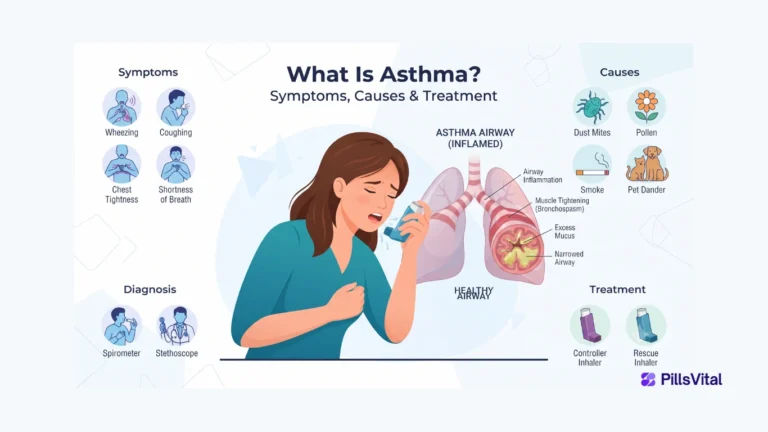
Asthma is a chronic inflammatory disease of the airways that makes breathing difficult. In people with asthma, the airways become swollen, narrow, and produce extra mucus. These changes reduce airflow and can lead to recurring episodes of wheezing, coughing, chest tightness, and shortness of breath.
Although asthma cannot currently be cured, it can be effectively managed with the right medications, lifestyle adjustments, and avoidance of triggers. Millions of children and adults worldwide live healthy, active lives with well-controlled asthma.
Unlike temporary respiratory infections, asthma is a long-term (chronic) condition that often requires ongoing monitoring and treatment.
For an evidence-based overview of asthma, including symptoms, diagnosis, and treatment recommendations, visit the Centers for Disease Control and Prevention (CDC) Asthma page.
Understanding How Healthy Lungs Work
Normally, air enters through the nose or mouth and travels into the lungs through tubes called bronchi.
Healthy airways are:
- Wide open
- Flexible
- Free from inflammation
- Able to move air easily
When someone has asthma, these airways become overly sensitive to certain triggers.
What Happens During Asthma Attack?
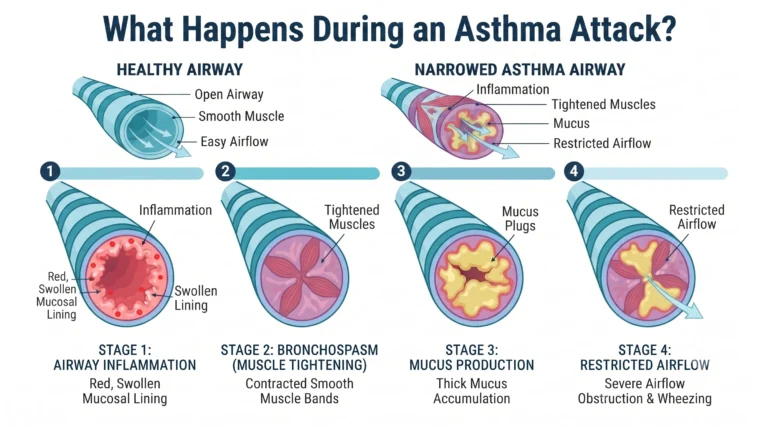
An asthma attack, also known as an asthma flare-up or asthma exacerbation, occurs when the airways in the lungs become inflamed and narrowed, making it difficult for air to move in and out. During an attack, the body’s immune system overreacts to a trigger such as pollen, dust mites, cold air, exercise, smoke, or a respiratory infection. This reaction causes several changes in the airways that interfere with normal breathing. Asthma is one of many lifelong health conditions that require ongoing management. Learn more in our guide, “What Are Chronic Diseases? Types, Causes, Symptoms & Prevention,” to understand how chronic illnesses affect long-term health.
The severity of an asthma attack can range from mild discomfort to a life-threatening emergency. Understanding what happens inside the lungs can help patients recognize symptoms early and seek appropriate treatment.
1. Airways Become Inflamed
The first change during an asthma attack is inflammation of the airways. The inner lining of the bronchial tubes (the passages that carry air to and from the lungs) becomes swollen, red, and irritated. This inflammation makes the airways more sensitive than usual, meaning even small amounts of allergens or irritants can trigger symptoms.
Inflammation is a long-term feature of asthma, even when a person feels well. During an attack, this inflammation worsens, causing the airway walls to thicken and reducing the amount of space available for air to pass through.
As the swelling increases, patients may begin to notice early symptoms such as:
- Mild coughing
- Chest tightness
- Shortness of breath
- A slight wheezing sound when breathing
Without treatment, the inflammation can continue to worsen, making breathing increasingly difficult.
2. Muscles Around the Airways Tighten (Bronchospasm)
At the same time, the muscles that surround the airways suddenly tighten in response to the trigger. This process is called bronchospasm.
Normally, these muscles remain relaxed to allow air to flow freely. During an asthma attack, they contract and squeeze the already inflamed airways, making them much narrower. This narrowing significantly reduces the amount of air that can reach the lungs.
Bronchospasm often causes:
- Wheezing (a high-pitched whistling sound during breathing)
- Difficulty taking deep breaths
- A feeling of chest pressure or tightness
- Rapid, shallow breathing
This tightening can happen within minutes of exposure to an asthma trigger and is one of the main reasons rescue inhalers, such as short-acting bronchodilators, are effective—they help relax these muscles and reopen the airways.
3. Excess Mucus Is Produced
As inflammation and muscle tightening continue, the airways begin producing extra mucus. Normally, mucus helps trap dust, bacteria, and other particles before they reach the lungs. However, during an asthma attack, the body produces far more mucus than necessary.
This thick, sticky mucus accumulates inside the narrowed airways, creating an additional blockage. The combination of swollen airway walls, tightened muscles, and excess mucus makes it much harder for air to move through the lungs.
Excess mucus may cause:
- Persistent coughing
- A sensation of congestion in the chest
- Difficulty clearing the throat
- Increased wheezing
- Shortness of breath that worsens over time
In some cases, coughing is the body’s attempt to remove this mucus and clear the airways.
4. Airflow Becomes Restricted
The combined effects of airway inflammation, bronchospasm, and excess mucus significantly reduce the amount of air that can move through the lungs. This is known as airflow obstruction, and it is the hallmark of an asthma attack.
People with asthma often have greater difficulty breathing out (exhaling) than breathing in because the narrowed airways make it harder to push air out of the lungs. As trapped air builds up, breathing becomes increasingly labored.
Common symptoms of restricted airflow include:
- Severe shortness of breath
- Rapid breathing
- Difficulty speaking in full sentences
- Chest tightness
- Wheezing
- Fatigue due to the increased effort required to breathe
In more severe cases, oxygen levels in the blood may begin to drop, leading to bluish lips or fingertips, confusion, or extreme exhaustion. These are warning signs that immediate medical attention is needed.
Why Asthma Attacks Can Become Dangerous
Most mild asthma attacks improve with the prompt use of a prescribed rescue inhaler and by avoiding the trigger. However, if the attack continues to worsen despite treatment, the airways may become so narrow that very little oxygen reaches the lungs and the rest of the body.
A severe asthma attack is a medical emergency and can lead to respiratory failure if not treated quickly. Warning signs include:
- Severe difficulty breathing
- No improvement after using a rescue inhaler
- Inability to speak more than a few words at a time
- Rapid worsening of wheezing or coughing
- Blue lips, face, or fingernails
- Extreme drowsiness or confusion
If any of these symptoms occur, seek emergency medical care immediately. Early recognition and timely treatment can prevent serious complications and may save a person’s life.
Types of Asthma
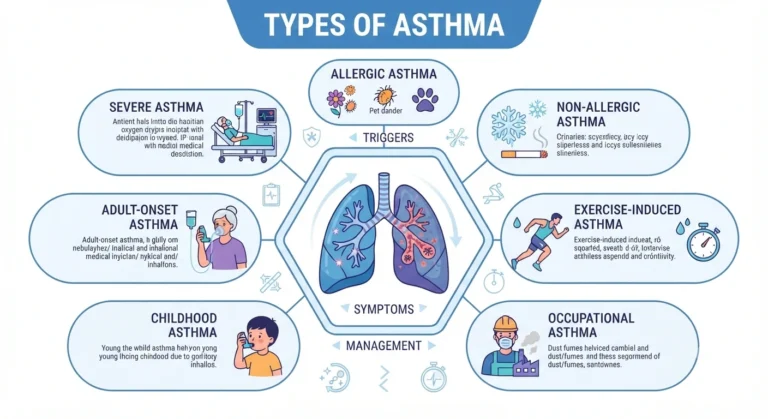
Asthma is not a one-size-fits-all condition. Healthcare providers classify asthma into different types based on its triggers, the age at which it develops, symptom patterns, and severity. Identifying the specific type of asthma a person has is essential because it helps guide treatment decisions and improve long-term symptom control.
Below are the most common types of asthma and their characteristics.
1. Allergic Asthma
Allergic asthma is the most common type of asthma and affects millions of people worldwide. It occurs when the immune system overreacts to harmless substances known as allergens. When these allergens are inhaled, the airways become inflamed, narrow, and produce excess mucus, leading to asthma symptoms.
People with allergic asthma often have a personal or family history of allergies, eczema, or hay fever.
Common Triggers
- Dust mites
- Pollen from trees, grasses, and weeds
- Mold spores
- Pet dander (skin flakes from cats and dogs)
- Cockroach droppings
- Feather pillows or bedding
Symptoms
- Wheezing
- Persistent coughing
- Chest tightness
- Shortness of breath
- Itchy eyes or nose
- Sneezing and nasal congestion
Diagnosis
Doctors may recommend:
- Allergy skin prick testing
- Blood tests for allergies
- Spirometry
- Lung function tests
Treatment
Treatment typically includes:
- Inhaled corticosteroids
- Rescue inhalers
- Allergy medications
- Avoiding known allergens
- Allergy immunotherapy (allergy shots) in selected cases
2. Non-Allergic Asthma
Unlike allergic asthma, non-allergic asthma is not triggered by allergens. Instead, symptoms develop after exposure to environmental irritants or physical conditions that cause inflammation of the airways.
This type is more common in adults and may be harder to control because triggers can vary widely.
Common Triggers
- Cold or dry air
- Respiratory infections (cold, flu, COVID-19)
- Cigarette smoke
- Air pollution
- Strong perfumes
- Cleaning products
- Stress and anxiety
- Weather changes
Symptoms
Symptoms are similar to allergic asthma and include:
- Wheezing
- Chest tightness
- Persistent cough
- Shortness of breath
- Difficulty exercising
Treatment
Management focuses on:
- Daily controller medications
- Avoiding environmental irritants
- Treating respiratory infections promptly
- Using rescue inhalers during flare-ups
3. Exercise-Induced Bronchoconstriction (Exercise-Induced Asthma)
Exercise-induced bronchoconstriction (EIB) occurs when physical activity causes the airways to temporarily narrow. Although often referred to as exercise-induced asthma, not everyone with EIB has chronic asthma.
Symptoms usually begin during exercise or within 5–15 minutes after stopping and often improve within 30–60 minutes.
Common Triggers
- Running
- Cycling
- Soccer
- Basketball
- Cold-weather sports
- High-intensity workouts
Cold, dry air increases the likelihood of symptoms.
Symptoms
- Wheezing during exercise
- Persistent coughing after activity
- Chest tightness
- Shortness of breath
- Reduced athletic performance
- Fatigue during exercise
Prevention
Many people can continue exercising safely by:
- Warming up before activity
- Using a prescribed rescue inhaler before exercise
- Exercising in warmer, humid environments when possible
- Wearing a scarf or mask in cold weather
- Following their asthma treatment plan
Regular physical activity remains beneficial for overall health when asthma is well controlled.
4. Occupational Asthma
Occupational asthma develops when repeated exposure to substances in the workplace irritates or sensitizes the airways. Symptoms often improve when the person is away from work, such as on weekends or vacations, and return after workplace exposure.
Occupational asthma can occur even in people with no previous history of asthma.
Common Workplace Triggers
- Chemical fumes
- Wood dust
- Flour dust
- Paint vapors
- Cleaning chemicals
- Welding fumes
- Latex
- Animal proteins
- Industrial gases
High-Risk Occupations
- Bakers
- Healthcare workers
- Farmers
- Hairdressers
- Painters
- Factory workers
- Laboratory technicians
- Construction workers
Symptoms
- Wheezing
- Persistent cough
- Chest tightness
- Shortness of breath
- Symptoms that worsen during work hours
Treatment
Management may include:
- Identifying workplace triggers
- Improving workplace ventilation
- Using protective equipment
- Adjusting work duties when possible
- Standard asthma medications
Early diagnosis is important because continued exposure may lead to permanent airway damage.
5. Childhood Asthma
Childhood asthma is one of the most common chronic diseases in children. It often develops before the age of 5 years, although symptoms can begin during infancy.
Children have smaller airways than adults, so even mild inflammation can cause noticeable breathing problems.
Risk Factors
- Family history of asthma
- Allergies or eczema
- Exposure to tobacco smoke
- Premature birth
- Air pollution
- Frequent viral infections
Symptoms
- Frequent coughing, especially at night
- Wheezing
- Shortness of breath
- Difficulty keeping up during play
- Chest tightness
- Recurrent chest infections
Treatment
Treatment depends on the child’s age and symptom severity and may include:
- Rescue inhalers
- Inhaled corticosteroids
- Spacer devices with inhalers
- Regular monitoring
- Avoiding asthma triggers
Many children achieve good symptom control with proper treatment, although some continue to have asthma into adulthood.
6. Adult-Onset Asthma
Adult-onset asthma develops after the age of 20 years and may occur even in people who have never had breathing problems before.
Compared with childhood asthma, adult-onset asthma is often more persistent and may require long-term treatment.
Possible Causes
- Respiratory infections
- Workplace exposures
- Hormonal changes
- Obesity
- Smoking
- Environmental pollution
- Chronic sinus disease
Symptoms
- Persistent cough
- Wheezing
- Shortness of breath
- Chest tightness
- Symptoms that gradually worsen over time
Treatment
Management usually includes:
- Daily controller inhalers
- Rescue inhalers
- Regular lung function testing
- Identifying and avoiding triggers
- Treating associated medical conditions
Adults should not ignore new breathing difficulties, as early diagnosis improves long-term outcomes.
7. Severe Asthma
Severe asthma is the most serious form of the condition. Symptoms remain poorly controlled despite using high-dose inhaled medications correctly and consistently. Although it affects a relatively small percentage of people with asthma, it accounts for a significant number of asthma-related hospitalizations.
Symptoms
- Frequent asthma attacks
- Daily wheezing
- Severe shortness of breath
- Persistent coughing
- Nighttime symptoms that disrupt sleep
- Frequent need for rescue inhalers
- Repeated emergency room visits
Risk Factors
- Long-standing uncontrolled asthma
- Smoking
- Allergies
- Chronic sinus disease
- Obesity
- Poor medication adherence
- Ongoing exposure to triggers
Treatment
People with severe asthma often require specialized care, which may include:
- High-dose inhaled corticosteroids
- Long-acting bronchodilators
- Biologic therapies
- Oral corticosteroids (when necessary)
- Personalized asthma action plans
- Regular follow-up with a respiratory specialist
With appropriate treatment and close monitoring, many people with severe asthma can reduce flare-ups, improve lung function, and maintain a better quality of life.
Symptoms of Asthma
Symptoms vary from mild to severe.
Common symptoms include:
- Wheezing
- Shortness of breath
- Chest tightness
- Persistent coughing
- Nighttime coughing
- Difficulty exercising
- Rapid breathing
- Fatigue
- Trouble sleeping
- Frequent respiratory infections
Some people experience symptoms only during exercise, while others have daily symptoms.
Early Warning Signs of an Asthma Attack
Early symptoms include:
- Increased coughing
- Mild wheezing
- Shortness of breath
- Feeling unusually tired
- Chest pressure
- Peak flow readings below normal
- Trouble sleeping
Recognizing these signs early allows treatment before symptoms become severe.
Causes of Asthma
Researchers believe asthma develops due to a combination of genetic and environmental factors.
Possible causes include:
- Family history
- Allergies
- Air pollution
- Viral infections during childhood
- Tobacco smoke exposure
- Occupational chemicals
- Obesity
- Environmental irritants
No single cause explains every case.
Risk Factors
Your risk increases if you have:
- Family history of asthma
- Allergies
- Eczema
- Hay fever
- Smoking history
- Obesity
- Exposure to secondhand smoke
- Frequent respiratory infections
- Air pollution exposure
Common Asthma Triggers
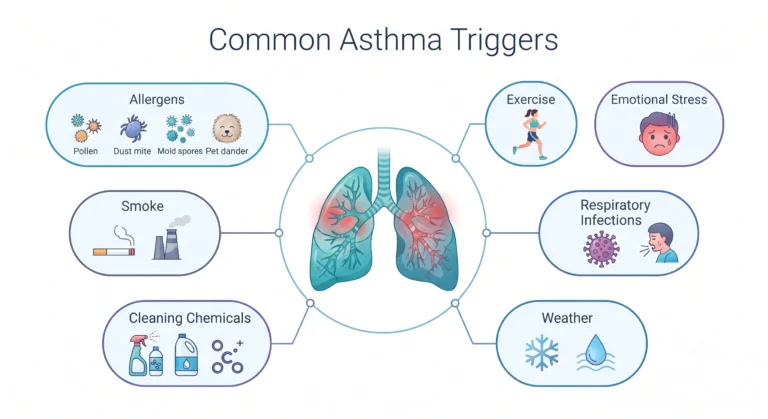
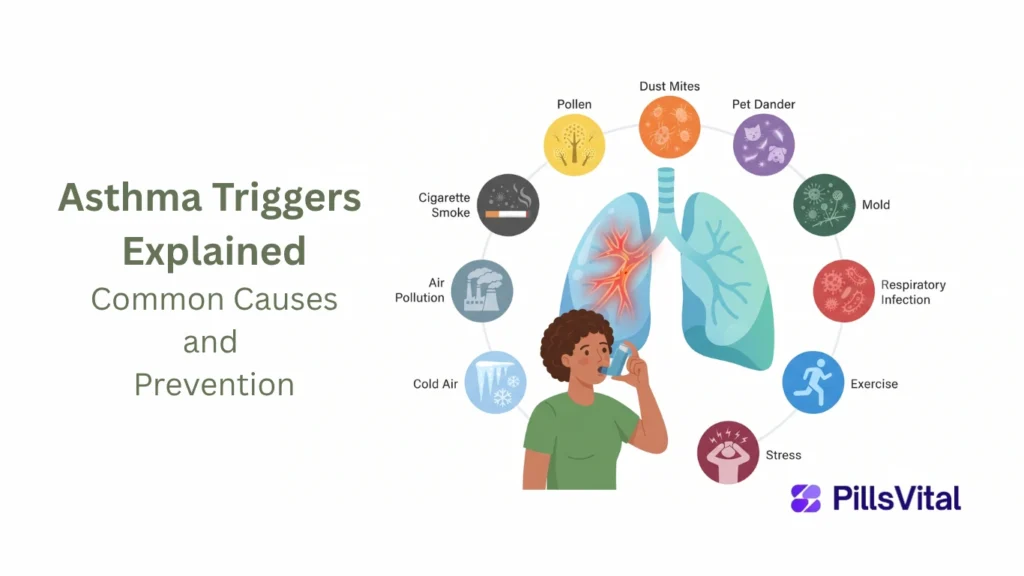
Asthma symptoms often worsen when a person is exposed to specific triggers. A trigger is anything that irritates the airways and causes them to become inflamed, tighten, or produce excess mucus, leading to an asthma flare-up or attack.
Not everyone with asthma reacts to the same triggers. Some people may experience symptoms only during allergy season, while others may have attacks after exercising, catching a cold, or breathing in smoke. Identifying your personal triggers is one of the most effective ways to prevent asthma attacks and keep symptoms under control.
Below are the most common asthma triggers and how they affect the lungs.
1. Allergens
Allergens are among the most common triggers of asthma, especially for people with allergic asthma. These are substances that are generally harmless to most people but cause an exaggerated immune response in sensitive individuals. When inhaled, allergens can inflame the airways and trigger asthma symptoms.
Common Allergens
Pollen
Pollen is a fine powder released by trees, grasses, and weeds during certain seasons. High pollen counts, especially in spring and fall, can trigger asthma attacks in people with pollen allergies.
Tips to reduce exposure:
- Keep windows closed during high pollen seasons.
- Shower and change clothes after spending time outdoors.
- Check local pollen forecasts before outdoor activities.
Dust Mites
Dust mites are tiny microscopic organisms that live in mattresses, pillows, carpets, upholstered furniture, and bedding. Their waste products are a common indoor allergen that can worsen asthma throughout the year.
Ways to reduce dust mites:
- Wash bedding weekly in hot water.
- Use dust mite-proof mattress and pillow covers.
- Vacuum regularly using a HEPA-filter vacuum cleaner.
- Reduce indoor humidity below 50%
Pet Dander
Pet dander consists of tiny flakes of skin shed by cats, dogs, birds, and other furry animals. Saliva and urine proteins can also trigger allergic reactions in some people.
Prevention tips:
- Keep pets out of the bedroom.
- Bathe pets regularly if appropriate.
- Clean carpets and furniture frequently.
- Consider using HEPA air purifiers.
Mold
Mold grows in damp, humid environments such as bathrooms, kitchens, basements, and around water leaks. Mold releases spores into the air, which can trigger asthma symptoms when inhaled.
Ways to prevent mold exposure:
- Repair water leaks promptly.
- Improve ventilation in bathrooms and kitchens.
- Use dehumidifiers in damp areas.
- Clean visible mold safely using appropriate cleaning products.
2. Environmental Irritants
Unlike allergens, irritants do not cause an allergic reaction but can directly inflame and narrow the airways.
Cigarette Smoke
Cigarette smoke is one of the strongest asthma triggers. Both active smoking and secondhand smoke can worsen inflammation, increase asthma attacks, and reduce the effectiveness of asthma medications.
Even exposure to smoke on clothing or furniture (known as thirdhand smoke) may irritate sensitive airways.
Strong Perfumes and Fragrances
Perfumes, scented candles, air fresheners, deodorants, and cosmetics release airborne chemicals that may irritate the lungs.
People with asthma should consider:
- Choosing fragrance-free personal care products.
- Avoiding heavily scented environments.
- Informing family members or coworkers about fragrance sensitivity if necessary.
Cleaning Chemicals
Household cleaning products often contain chemicals that release fumes capable of irritating the airways.
Common examples include:
- Bleach
- Ammonia
- Disinfectant sprays
- Oven cleaners
- Glass cleaners
To reduce exposure:
- Use fragrance-free or asthma-friendly cleaning products.
- Wear gloves and ensure good ventilation while cleaning.
- Avoid mixing cleaning chemicals.
Air Pollution
Outdoor air pollution from vehicle emissions, industrial smoke, wildfire smoke, and smog can significantly worsen asthma symptoms, especially in urban areas.
During days with poor air quality:
- Limit outdoor exercise.
- Stay indoors when possible.
- Use air purifiers if recommended.
3. Weather Conditions
Changes in weather can affect breathing and trigger asthma symptoms in many people.
Cold Air
Cold, dry air can cause the muscles surrounding the airways to tighten rapidly, making breathing more difficult. This is a common trigger during winter months or when exercising outdoors in cold weather.
Helpful tips:
- Cover your nose and mouth with a scarf in cold weather.
- Warm up before outdoor exercise.
- Breathe through your nose whenever possible.
High Humidity
Very humid air may make breathing feel more difficult and encourage the growth of mold and dust mites, which can further trigger asthma symptoms.
Using air conditioning or a dehumidifier may help improve indoor air quality.
Sudden Temperature Changes
Rapid shifts from warm to cold temperatures or vice versa may irritate sensitive airways and increase the likelihood of asthma symptoms.
For example:
- Walking from an air-conditioned building into hot weather.
- Moving from a warm home into freezing outdoor temperatures.
4. Respiratory Illnesses
Viral infections are among the most common causes of asthma flare-ups, particularly in children.
Influenza (Flu)
The flu causes inflammation throughout the respiratory system, which can significantly worsen asthma symptoms and increase the risk of complications.
Annual influenza vaccination is generally recommended for most people with asthma after discussing it with their healthcare provider.
Common Cold
Even a mild cold can increase mucus production and airway inflammation, making breathing more difficult for people with asthma.
Early treatment and following an asthma action plan can help reduce the severity of symptoms.
COVID-19
COVID-19 primarily affects the respiratory system and may worsen asthma symptoms in some individuals. Maintaining good asthma control and following medical advice can help reduce the risk of severe flare-ups during respiratory infections.
5. Physical Activity
Exercise is beneficial for overall health and should not be avoided simply because of asthma. However, some individuals experience exercise-induced bronchoconstriction, where the airways temporarily narrow during or shortly after physical activity.
Activities commonly associated with symptoms include:
- Running
- Cycling
- Soccer
- Basketball
- Swimming in heavily chlorinated pools
- Cold-weather sports
Symptoms During Exercise
- Wheezing
- Coughing
- Chest tightness
- Shortness of breath
- Reduced exercise tolerance
How to Reduce Exercise-Related Symptoms
- Warm up for 10–15 minutes before exercising.
- Use a prescribed rescue inhaler before activity if recommended.
- Exercise in warm, humid environments when possible.
- Stay hydrated.
- Avoid exercising during respiratory infections or periods of poor air quality.
With proper treatment, most people with asthma can safely participate in regular physical activity and competitive sports.
6. Emotional Stress and Strong Emotions
Strong emotions can also trigger asthma symptoms in some people. Stress, anxiety, excitement, crying, or laughing heavily may change breathing patterns, leading to airway tightening in susceptible individuals.
Although stress does not directly cause asthma, it can worsen existing airway inflammation and make symptoms more difficult to control.
Emotional Triggers May Include
- Anxiety
- Panic attacks
- Chronic stress
- Intense laughter
- Crying
- Emotional excitement
Stress Management Strategies
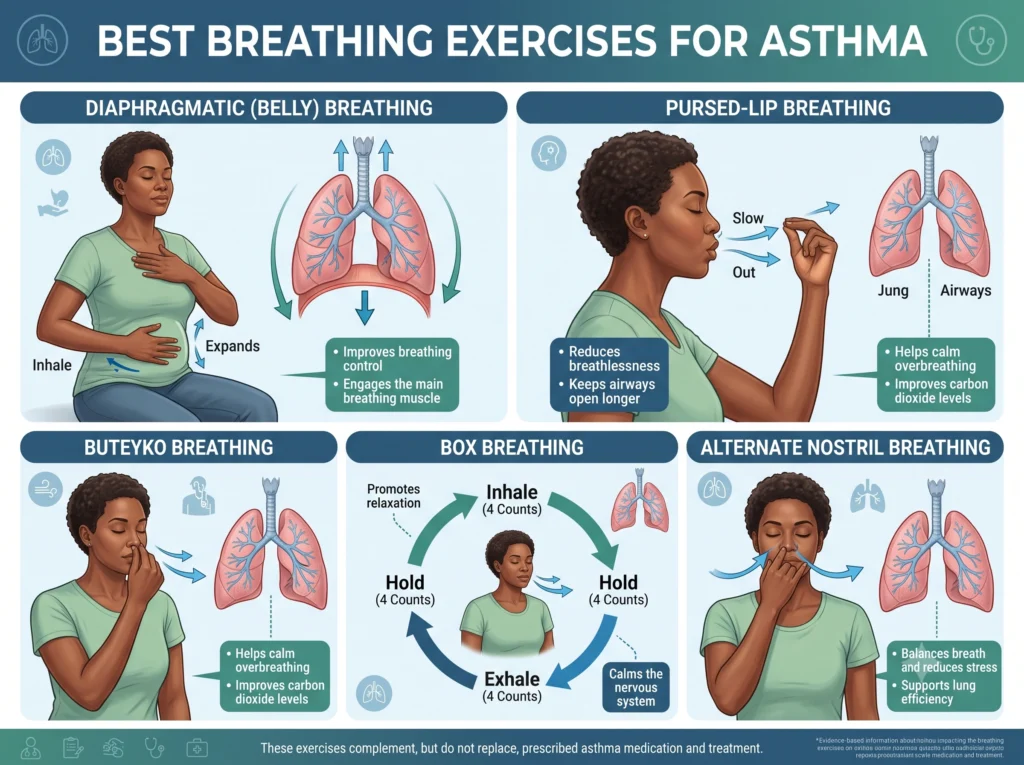
- Practice deep breathing exercises.
- Get adequate sleep each night.
- Exercise regularly as tolerated.
- Practice relaxation techniques such as meditation or yoga.
- Seek professional support if stress becomes overwhelming.
Managing emotional well-being is an important part of overall asthma care.
7. Other Possible Asthma Triggers
Some people may also experience asthma symptoms due to:
- Strong odors or fumes
- Wood smoke or wildfire smoke
- Airborne dust from construction sites
- Cockroach allergens
- Certain medications (such as aspirin or nonsteroidal anti-inflammatory drugs in sensitive individuals)
- Sulfites found in some processed foods and beverages
- Gastroesophageal reflux disease (GERD), which can irritate the airways
- Hormonal changes, particularly in some women
Recognizing these less common triggers can help individuals and healthcare providers create a personalized asthma management plan.
How to Identify Your Personal Asthma Triggers
Since asthma triggers vary from person to person, keeping track of symptoms can help identify patterns. Consider:
- Maintaining an asthma symptom diary.
- Recording where and when symptoms occur.
- Noting exposure to allergens, smoke, exercise, or weather changes.
- Monitoring peak flow readings if recommended by your healthcare provider.
- Following a written asthma action plan.
Once triggers are identified, avoiding or reducing exposure can significantly lower the frequency and severity of asthma attacks.
How Is Asthma Diagnosed?
Diagnosing asthma involves more than simply identifying symptoms such as coughing or wheezing. Because asthma symptoms can resemble those of other respiratory conditions—including chronic obstructive pulmonary disease (COPD), bronchitis, pneumonia, allergies, or heart disease—healthcare providers use a combination of medical history, physical examination, lung function tests, and sometimes additional diagnostic tests to confirm the diagnosis.
Clinical recommendations for asthma diagnosis and management are available from the Global Initiative for Asthma (GINA), an internationally recognized source for asthma care.
There is no single test that can diagnose asthma in every person. Instead, doctors evaluate how well your lungs are functioning, determine whether airflow obstruction is reversible with medication, and rule out other possible causes of your symptoms.
Early diagnosis is important because prompt treatment can help control symptoms, reduce asthma attacks, and prevent long-term damage to the airways.
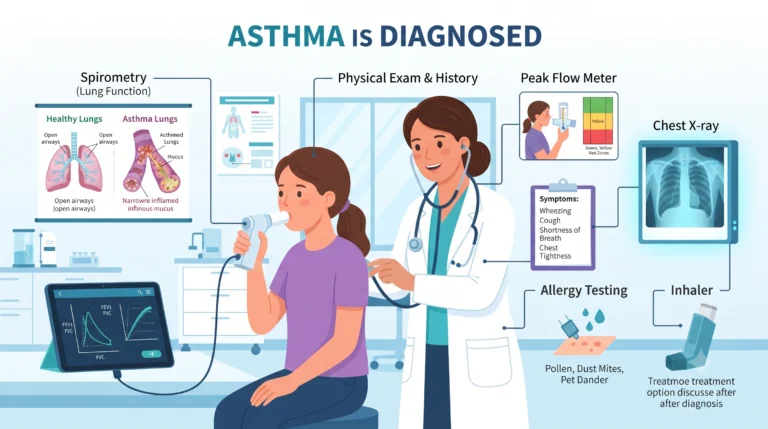
1. Medical History
The first step in diagnosing asthma is taking a detailed medical history. Your healthcare provider will ask questions about your symptoms, their frequency, and any possible triggers. This information helps determine whether your symptoms follow the typical pattern of asthma.
Your doctor may ask:
- When did your symptoms first begin?
- How often do you experience coughing or wheezing?
- Do symptoms occur more often at night or early in the morning?
- Do your symptoms worsen during exercise?
- Are they triggered by pollen, dust, pets, smoke, or cold air?
- Have you had frequent chest infections?
- Does anyone in your family have asthma, eczema, or allergies?
- Have you ever smoked or been exposed to secondhand smoke?
- What medications are you currently taking?
Your healthcare provider will also review your past medical history, including any allergies, eczema, sinus problems, or previous lung diseases, as these conditions often occur alongside asthma.
2. Physical Examination
After discussing your symptoms, your doctor will perform a physical examination to look for signs of asthma and other possible health conditions.
During the examination, the doctor may:
- Listen to your lungs using a stethoscope.
- Check for wheezing, which is a high-pitched whistling sound during breathing.
- Observe your breathing pattern and rate.
- Look for signs of respiratory distress, such as rapid breathing or the use of neck and chest muscles to breathe.
- Examine your nose and throat for allergies or sinus inflammation.
- Check your skin for eczema, which is commonly associated with allergic asthma.
It is important to note that some people with asthma have normal lung sounds between asthma attacks, so a normal physical examination does not completely rule out asthma.
3. Spirometry (Lung Function Test)
Spirometry is the most commonly used test to diagnose asthma in adults and children aged five years and older. It measures how much air you can breathe in and out, as well as how quickly you can exhale.
During the test:
- You take a deep breath.
- Place your mouth around a mouthpiece connected to the spirometer.
- Blow out as hard and as fast as possible until your lungs are empty.
The spirometer records important measurements, including:
- Forced Vital Capacity (FVC): The total amount of air you can exhale after taking a deep breath.
- Forced Expiratory Volume in One Second (FEV₁): The amount of air you can forcefully exhale during the first second of the test.
- FEV₁/FVC Ratio: Helps determine whether airflow is obstructed.
People with asthma often have lower airflow measurements because narrowed airways make it difficult to exhale quickly.
Spirometry is also useful for:
- Confirming the diagnosis.
- Assessing the severity of asthma.
- Monitoring response to treatment over time.
4. Peak Flow Meter
A peak flow meter is a small, handheld device that measures how quickly you can blow air out of your lungs. Although it is not usually used as the only diagnostic test, it is an important tool for monitoring asthma at home.
How It Works
You take a deep breath and blow into the device as forcefully as possible. The meter displays your peak expiratory flow (PEF), which reflects how well air is moving through your airways.
Why It Is Helpful
A peak flow meter can help:
- Detect early signs of worsening asthma.
- Monitor daily lung function.
- Identify exposure to asthma triggers.
- Evaluate whether asthma medications are working.
- Guide treatment according to an asthma action plan.
Many healthcare providers recommend recording peak flow readings each day to identify changes before symptoms become severe.
5. Bronchodilator Response Test
A bronchodilator response test, also called a reversibility test, is often performed immediately after spirometry.
During this test:
- Spirometry is performed to measure baseline lung function.
- You inhale a fast-acting bronchodilator (rescue medication), such as albuterol.
- After waiting approximately 10–15 minutes, spirometry is repeated.
What Doctors Look For
If lung function improves significantly after using the bronchodilator, it suggests that the airway narrowing is reversible, which is a characteristic feature of asthma.
A positive response supports the diagnosis and helps distinguish asthma from other lung conditions where airflow obstruction may be less reversible.
6. Allergy Testing
Because allergies are a common trigger for asthma, your healthcare provider may recommend allergy testing, especially if symptoms appear to be linked to environmental allergens.
Types of Allergy Tests
Skin Prick Test
A small amount of common allergens is placed on the skin, usually on the forearm or back. The skin is gently pricked, and the area is observed for a reaction.
A raised, itchy bump may indicate an allergy.
Blood Test
If skin testing is not appropriate, a blood test can measure allergy-related antibodies (IgE) to identify potential allergens.
Common Allergens Tested
- Pollen
- Dust mites
- Mold
- Pet dander
- Cockroaches
- Certain foods (when clinically indicated)
Identifying allergic triggers allows patients to reduce exposure and improve asthma control.
7. Chest X-ray
A chest X-ray is not used to diagnose asthma directly, but it can help rule out other conditions that may cause symptoms similar to asthma.
Doctors may recommend a chest X-ray if:
- Symptoms are severe or unusual.
- Treatment is not improving symptoms.
- Pneumonia is suspected.
- There is concern about another lung or heart condition.
A chest X-ray can help identify:
- Pneumonia
- Collapsed lung (pneumothorax)
- Lung tumors
- Heart enlargement
- Chronic lung diseases
- Rib injuries or structural abnormalities
In many people with asthma, the chest X-ray appears normal, especially between asthma attacks.
Additional Tests That May Be Recommended
In some cases, healthcare providers may order additional tests to better understand your condition or rule out other diseases.
Fractional Exhaled Nitric Oxide (FeNO) Test
This test measures the amount of nitric oxide in your breath, which can indicate inflammation in the airways. Elevated levels may support the diagnosis of certain types of asthma and help monitor response to anti-inflammatory treatment.
Methacholine Challenge Test
If spirometry results are normal but asthma is still suspected, a methacholine challenge test may be performed. During this test, you inhale increasing doses of methacholine, a substance that can temporarily narrow the airways in sensitive individuals. A significant decrease in lung function after inhalation suggests asthma.
Exercise Challenge Test
If symptoms occur mainly during physical activity, an exercise challenge test may be recommended. Lung function is measured before and after exercise to determine whether exercise-induced bronchoconstriction is present.
Pulse Oximetry
A pulse oximeter is placed on your fingertip to measure the oxygen level in your blood. Although it does not diagnose asthma, it helps assess the severity of an asthma attack and determine whether additional treatment or emergency care is needed.
How Doctors Confirm an Asthma Diagnosis
A diagnosis of asthma is usually based on a combination of findings, including:
- A history of recurring symptoms such as wheezing, coughing, chest tightness, or shortness of breath.
- Symptoms that vary over time or occur after exposure to specific triggers.
- Evidence of reversible airflow obstruction on lung function testing.
- Improvement in breathing after using asthma medication.
- Exclusion of other conditions that could explain the symptoms.
Because asthma symptoms can change over time, your healthcare provider may repeat lung function tests or adjust your treatment plan during follow-up visits.
Asthma Treatment
Treatment aims to:
- Reduce inflammation
- Prevent attacks
- Improve breathing
- Maintain normal daily activities
Asthma Medications
Quick-Relief Medicines
Often called rescue inhalers.
Examples include:
- Albuterol
- Levalbuterol
These rapidly relax airway muscles during an asthma attack.
Long-Term Controller Medicines
Used daily.
Examples include:
- Inhaled corticosteroids
- Long-acting bronchodilators (combined with inhaled steroids)
- Leukotriene modifiers
- Biologic therapies for severe asthma
These medicines reduce inflammation and help prevent symptoms.
Lifestyle Changes That Help Manage Asthma
Healthy habits can improve asthma control.
Additional patient education and practical asthma management resources can be found through the American Lung Association.
Recommended steps:
- Take medications exactly as prescribed.
- Avoid smoking and secondhand smoke.
- Maintain a healthy weight.
- Exercise regularly with medical guidance.
- Stay up to date on recommended vaccinations.
- Keep your home free of dust and mold.
- Wash bedding regularly in hot water.
- Monitor symptoms with a peak flow meter.
- Follow a written asthma action plan.
Maintaining a healthy weight may improve asthma control. Read our guide on “How Obesity Increases the Risk of Chronic Diseases” to learn how excess body weight affects lung health and overall wellness.
Asthma in Children
Children may experience:
- Frequent coughing
- Wheezing during play
- Difficulty sleeping
- Reduced physical activity
- Recurrent chest infections
Parents should seek medical evaluation if symptoms persist.
Asthma in Adults
Adult asthma may:
- Develop later in life
- Be triggered by work exposures
- Occur alongside allergies
- Require long-term medications
Adults often mistake symptoms for aging or poor fitness.
Can Asthma Be Prevented?
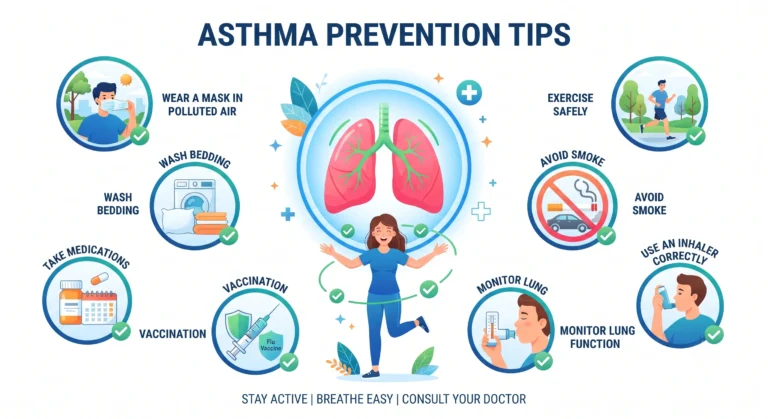
Asthma cannot always be prevented, but attacks can often be reduced by:
- Avoiding smoking
- Managing allergies
- Using prescribed medications
- Avoiding triggers
- Receiving recommended vaccinations
- Reducing indoor air pollution
- Exercising safely
- Regular medical checkups
When Should You Seek Emergency Medical Care?
Call emergency services immediately if you experience:
- Severe shortness of breath
- Lips or face turning blue
- Difficulty speaking
- Confusion
- No improvement after using a rescue inhaler
- Rapid worsening of symptoms
These may indicate a severe asthma attack requiring urgent treatment.
❓ FAQs
Is asthma curable?
No. Asthma is a chronic disease, but it can usually be controlled effectively with proper treatment.
Can asthma disappear?
Some children experience fewer symptoms as they grow older, but asthma may return later in life.
What is the main symptom of asthma?
Wheezing, coughing, chest tightness, and shortness of breath are the most common symptoms.
Can exercise help asthma?
Yes. With proper management, regular physical activity is encouraged and can improve overall lung health.
Is asthma hereditary?
Yes. Having a family history of asthma increases your risk.
Can stress trigger asthma?
Yes. Emotional stress can worsen symptoms in some individuals.
Final Thoughts
Asthma is a chronic respiratory disease that affects people of all ages, but with early diagnosis, appropriate medication, and consistent self-management, most individuals can lead active and fulfilling lives. Understanding your triggers, following an asthma action plan, and attending regular medical checkups are essential steps toward reducing flare-ups and protecting long-term lung health.
Related Health Resources
-
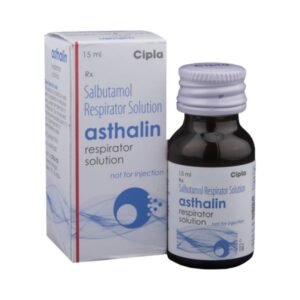
Asthalin Respirator Solution 15ml (Salbutamol)
$15.00 – $41.00Price range: $15.00 through $41.00 This product has multiple variants. The options may be chosen on the product page -
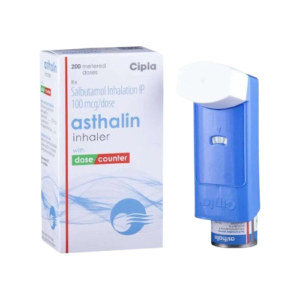
Asthalin (Salbutamol) Inhaler
$65.00 – $183.00Price range: $65.00 through $183.00 This product has multiple variants. The options may be chosen on the product page -
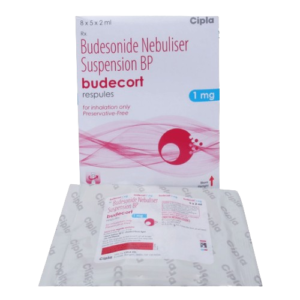
Budecort 1mg Respules 2ml
$52.00 – $150.00Price range: $52.00 through $150.00 This product has multiple variants. The options may be chosen on the product page -
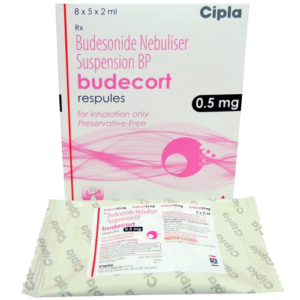
Budecort 0.5mg Respules 2ml
$48.00 – $140.00Price range: $48.00 through $140.00 This product has multiple variants. The options may be chosen on the product page
❤️ Related Guides

Dr. Emily Carter specializes in evidence-based health education and wellness content. She focuses on simplifying complex medical topics related to cancer awareness, nutrition, preventive healthcare, skincare, and lifestyle wellness for readers worldwide.
This content is reviewed for medical accuracy, clarity, and alignment with current public health research. The article is intended for educational and informational purposes only and should not replace professional medical advice, diagnosis, or treatment.