
Asthma Triggers Explained: Common Causes, Warning Signs, and How to Avoid Flare-Ups Naturally
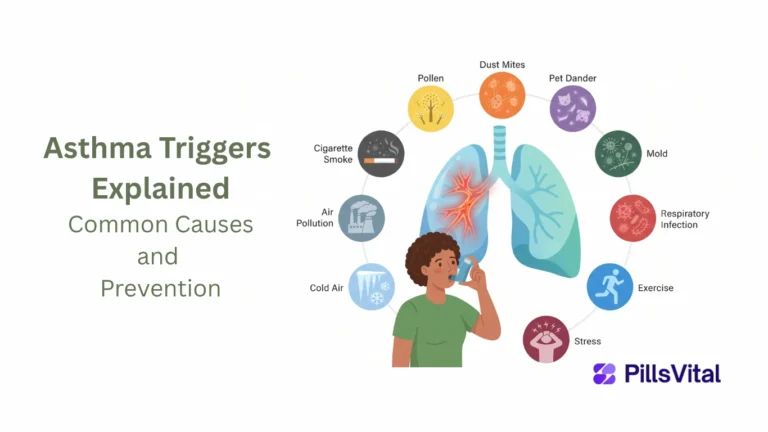
Asthma is a chronic inflammatory disease that affects the airways, making breathing difficult when symptoms flare up. While medications help control inflammation, avoiding asthma triggers is equally important for reducing symptoms and preventing asthma attacks.
Every person with asthma has unique triggers. Some react to pollen or pet dander, while others experience symptoms due to exercise, cold air, infections, or stress. Learning to identify and manage your personal triggers can significantly improve your quality of life.
In this guide, you’ll learn about the most common asthma triggers, why they cause symptoms, and practical strategies to reduce your risk of asthma flare-ups. Asthma is one of several long-term health conditions that require ongoing management. Learn more in our What Are Chronic Diseases? Types, Causes, Symptoms & Prevention guide.
If you’re new to this condition, first read our What Is Asthma? Causes, Symptoms & Treatment guide to understand how asthma develops and why trigger management is essential.
What Are Asthma Triggers?
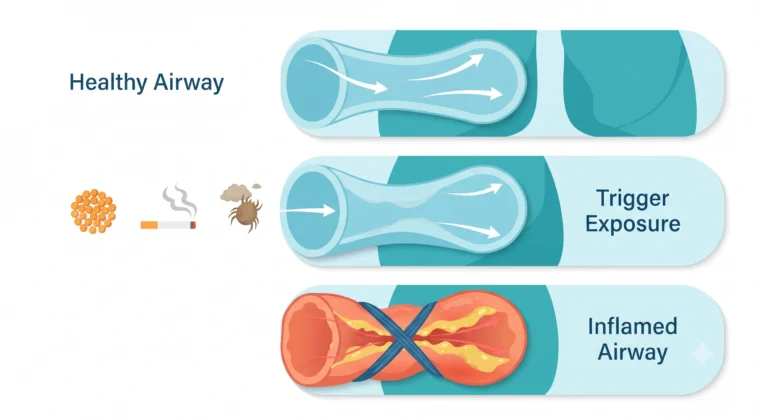
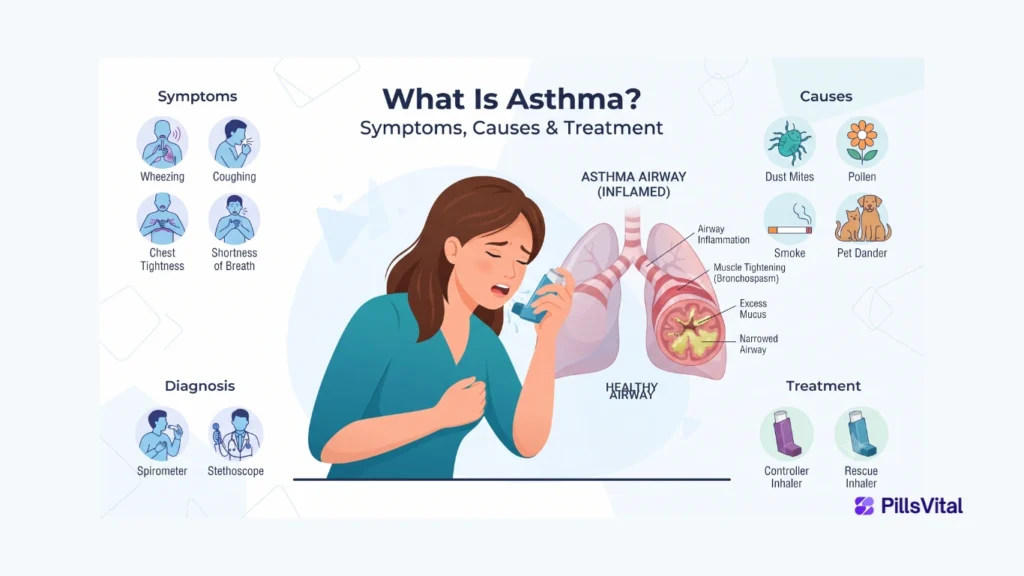
Asthma triggers are substances, environmental conditions, or activities that irritate inflamed airways. Exposure causes the muscles surrounding the airways to tighten, mucus production to increase, and the airway lining to swell, making breathing more difficult.
Triggers do not cause asthma itself, but they can provoke symptoms in people who already have the condition.
Symptoms may include:
- Wheezing
- Persistent coughing
- Chest tightness
- Shortness of breath
- Difficulty exercising
- Nighttime coughing
How Asthma Triggers Affect Your Airways
Understanding what happens inside your lungs can help explain why avoiding triggers is so important.
When someone with asthma is exposed to a trigger, the immune system reacts by releasing inflammatory chemicals that cause the airways to become irritated. This leads to three main changes:
- The muscles surrounding the airways tighten (bronchospasm).
- The lining of the airways becomes swollen due to inflammation.
- Thick mucus is produced, narrowing the airway even further.
These changes make it difficult for air to move freely in and out of the lungs, resulting in symptoms such as wheezing, coughing, chest tightness, and shortness of breath. Depending on the severity of the reaction, symptoms can appear within minutes or gradually over several hours.
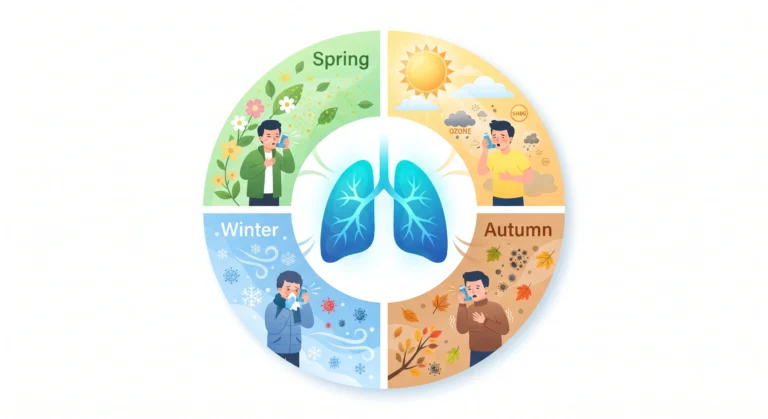
Seasonal Asthma Triggers Throughout the Year
Many asthma triggers vary with the seasons. Recognizing these patterns can help you prepare and reduce the risk of flare-ups.
| Season | Common Triggers | Prevention Tips |
|---|---|---|
| Spring | Tree pollen, grass pollen | Keep windows closed and shower after spending time outdoors. |
| Summer | High ozone levels, air pollution, humidity | Check daily air quality reports before outdoor activities. |
| Autumn | Ragweed pollen, mold spores, falling leaves | Wear a mask while gardening or raking leaves. |
| Winter | Cold air, respiratory infections, indoor heating | Cover your nose and mouth outdoors and maintain indoor humidity. |
Indoor vs. Outdoor Asthma Triggers
Knowing where your triggers are most likely to occur can help you take preventive measures.
Indoor Triggers
- Dust mites
- Mold
- Pet dander
- Cockroach allergens
- Tobacco smoke
- Cleaning chemicals
- Strong fragrances
- Indoor fireplaces
Prevention
- Vacuum with a HEPA filter.
- Wash bedding weekly.
- Improve ventilation.
- Keep humidity below 50%.
- Avoid scented household products.
Outdoor Triggers
- Pollen
- Air pollution
- Wildfire smoke
- Cold air
- High humidity
- Thunderstorms
- Vehicle emissions
Prevention
- Monitor pollen forecasts.
- Limit outdoor activities during poor air quality.
- Wear sunglasses and a hat during high pollen seasons.
- Shower and change clothes after spending time outdoors.
Signs That a Trigger Is About to Cause an Asthma Attack
Recognizing early warning signs can help you take action before symptoms become severe.
Watch for:
- Frequent coughing, especially at night
- Mild wheezing
- Shortness of breath during normal activities
- Chest tightness
- Needing your rescue inhaler more often
- Decreasing peak flow readings
- Feeling unusually tired
- Difficulty speaking in full sentences
If these symptoms continue to worsen despite using your prescribed medication, seek medical attention promptly. Seek immediate medical attention if your symptoms rapidly worsen or do not improve with your rescue inhaler. Learn more about asthma emergencies from the American Lung Association.
Why Identifying Triggers Is Important
Knowing what causes your asthma symptoms allows you to:
- Reduce asthma attacks
- Improve lung function
- Decrease emergency visits
- Sleep better
- Exercise safely
- Reduce dependence on rescue inhalers
Keeping an asthma diary can help identify patterns between symptoms and trigger exposure. Like many chronic illnesses, early symptom management can reduce complications. Read Early Warning Signs of Chronic Diseases You Should Never Ignore to learn why recognizing symptoms early matters.
1. Allergens
Allergens are among the leading asthma triggers.
Common allergens include:
- Tree pollen
- Grass pollen
- Weed pollen
- Dust mites
- Mold spores
- Cockroach particles
- Pet dander
These tiny particles enter the lungs and trigger an immune response that causes airway inflammation.
How to Reduce Exposure
- Wash bedding weekly in hot water.
- Use dust mite-proof mattress covers.
- Vacuum using a HEPA filter.
- Keep indoor humidity below 50%.
- Replace air filters regularly.
- Limit exposure to pets if allergic.
If you suspect allergies are triggering your asthma, consult evidence-based information provided by the American Academy of Allergy, Asthma & Immunology (AAAAI).
2. Air Pollution
Outdoor pollution irritates sensitive airways. Check the Air Quality Index (AQI) before outdoor activities to reduce exposure during periods of poor air quality.
Common pollutants include:
- Vehicle exhaust
- Industrial emissions
- Wildfire smoke
- Ozone
- Fine particulate matter (PM2.5)
Pollution levels are often higher during hot summer afternoons.
Prevention Tips
- Check local air quality reports.
- Stay indoors when pollution is high.
- Wear a well-fitted mask during wildfire smoke events if advised.
- Keep windows closed on poor air-quality days.
3. Respiratory Infections
Common viral infections frequently trigger asthma flare-ups.
Examples include:
- Common cold
- Influenza
- COVID-19
- RSV
Even mild infections can significantly worsen asthma symptoms.
Prevention
- Wash hands frequently.
- Stay home when sick.
- Receive recommended vaccinations.
- Get adequate sleep.
- Eat a balanced diet.
4. Exercise
Exercise-induced bronchoconstriction occurs when airways narrow during or after physical activity.
Symptoms include:
- Wheezing
- Coughing
- Chest tightness
- Shortness of breath
Activities most likely to trigger symptoms:
- Running
- Soccer
- Basketball
- Cold-weather sports
Prevention
- Warm up before exercise.
- Use prescribed inhalers if recommended.
- Choose swimming or indoor activities during cold weather.
- Avoid exercising during high pollen days.
Regular physical activity benefits not only asthma control but also helps lower the risk of many long-term illnesses. Read How Regular Exercise Helps Prevent Chronic Diseases.
5. Cold Air
Cold, dry air can irritate sensitive airways.
Symptoms are often worse during:
- Winter mornings
- Snowy weather
- Windy conditions
Prevention
- Cover your mouth and nose with a scarf.
- Breathe through your nose.
- Exercise indoors during extremely cold weather.
6. Tobacco Smoke
Smoking is one of the most harmful asthma triggers.
Exposure includes:
- Cigarette smoke
- Cigar smoke
- Secondhand smoke
- Third-hand smoke residue
Smoking damages the lungs and reduces the effectiveness of asthma medications.
Prevention
- Never smoke.
- Avoid smoky environments.
- Encourage household members to quit smoking.
7. Strong Odors and Chemicals
Many household products contain chemicals that irritate the lungs.
Examples include:
- Perfumes
- Air fresheners
- Cleaning products
- Paint fumes
- Aerosol sprays
- Bleach
Prevention
- Choose fragrance-free products.
- Ensure proper ventilation.
- Wear a mask when cleaning if sensitive.
8. Weather Changes
Sudden weather changes can trigger asthma.
Examples include:
- High humidity
- Thunderstorms
- Cold fronts
- Heat waves
Weather affects pollen, mold, and pollution levels.
Prevention
- Monitor weather forecasts.
- Keep rescue medication available.
- Avoid outdoor activities during severe weather.
9. Emotional Stress
Strong emotions affect breathing patterns.
Common emotional triggers:
- Anxiety
- Panic
- Fear
- Crying
- Intense laughter
Stress doesn’t cause asthma but may worsen symptoms.
Prevention
- Practice breathing exercises.
- Exercise regularly.
- Get enough sleep.
- Seek support for ongoing stress.
Chronic stress can affect multiple body systems, increasing the risk of long-term health conditions. Learn more in The Link Between Stress and Chronic Diseases.
10. Certain Medications
Some medications may worsen asthma symptoms.
These include:
- Aspirin
- NSAIDs
- Certain beta-blockers
Never stop medications without consulting your healthcare provider.
11. Occupational Triggers
Some workplaces expose employees to asthma-causing irritants.
Examples include:
- Flour dust
- Wood dust
- Paint chemicals
- Latex
- Animal proteins
- Industrial fumes
Jobs at higher risk include:
- Bakers
- Farmers
- Hairdressers
- Healthcare workers
- Laboratory staff
- Construction workers
12. Mold
Mold thrives in damp environments.
Common locations:
- Bathrooms
- Basements
- Kitchens
- Water-damaged buildings
Prevention
- Repair leaks immediately.
- Improve ventilation.
- Use dehumidifiers.
- Clean visible mold safely.
13. Pet Dander
Proteins found in pet skin flakes, saliva, and urine can trigger asthma.
Animals include:
- Cats
- Dogs
- Rabbits
- Birds
- Rodents
Prevention
- Keep pets out of bedrooms.
- Bathe pets regularly.
- Vacuum frequently.
- Use HEPA air purifiers.
Asthma Trigger Checklist
Use this checklist to identify possible triggers in your daily environment.
☐ Dust mites
☐ Pollen
☐ Pet dander
☐ Mold
☐ Cigarette smoke
☐ Air pollution
☐ Strong perfumes
☐ Cleaning products
☐ Cold weather
☐ Exercise
☐ Viral infections
☐ Stress
☐ Workplace chemicals
☐ Food allergies
☐ Humidity
☐ Thunderstorms
Keeping a checklist can help you identify patterns and discuss them with your healthcare provider.
Healthcare professionals around the world rely on the Global Initiative for Asthma (GINA) for evidence-based recommendations on asthma diagnosis, treatment, and long-term management.
Myths and Facts About Asthma Triggers
Myth: Asthma triggers are the same for everyone.
Fact: Every person with asthma has a unique combination of triggers.
Myth: Exercise should always be avoided.
Fact: With proper asthma control, regular physical activity is recommended and can improve overall lung health.
Myth: Moving to a different climate will cure asthma.
Fact: Changing environments may reduce exposure to certain triggers, but asthma is a chronic condition that requires ongoing management.
Myth: Only allergies trigger asthma.
Fact: Viral infections, weather changes, stress, exercise, smoke, and air pollution can also trigger symptom
How to Create an Asthma-Friendly Home
Making small changes at home can significantly reduce trigger exposure.
Bedroom
- Wash sheets weekly in hot water.
- Use allergen-proof pillow and mattress covers.
- Remove unnecessary fabric items that collect dust.
Living Room
- Vacuum carpets regularly.
- Replace heavy curtains with washable blinds.
- Avoid smoking indoors.
Kitchen
- Fix water leaks promptly.
- Use exhaust fans while cooking.
- Store food in sealed containers to discourage pests.
Bathroom
- Clean mold regularly.
- Improve ventilation after showers.
- Repair plumbing leaks immediately.
Travel Tips for People with Asthma
Traveling with asthma requires some preparation to reduce exposure to unfamiliar triggers.
Before your trip:
- Pack enough controller and rescue medications.
- Carry your inhaler in your hand luggage.
- Bring a copy of your asthma action plan.
- Check the air quality and pollen forecast for your destination.
- Inform travel companions about your asthma.
- Avoid smoking areas and poorly ventilated spaces.
When to Seek Emergency Medical Care
Call emergency services or seek immediate medical attention if you experience:
- Severe shortness of breath
- Difficulty speaking due to breathlessness
- Blue lips or fingernails
- Chest tightness that does not improve after using a rescue inhaler
- Rapid worsening of symptoms
- Peak flow reading below your healthcare provider’s danger zone
These symptoms may indicate a severe asthma attack that requires urgent treatment.
Foods That May Trigger Asthma
Although uncommon, some people experience asthma symptoms after eating certain foods.
Possible triggers:
- Sulfites
- Shellfish
- Peanuts
- Tree nuts
- Milk (rare)
- Food allergies
Food-triggered asthma requires medical evaluation. Eating a balanced diet supports overall health and may help reduce inflammation. Discover the Best Foods That Help Prevent Chronic Diseases.
Can Multiple Triggers Occur Together?
Yes.
For example:
Someone may experience:
- High pollen
- Cold weather
- Viral infection
- Exercise
all on the same day, greatly increasing the risk of an asthma attack.
Recognizing combinations of triggers is important for effective asthma management.
Staying up to date with recommended vaccinations can reduce the risk of respiratory infections that commonly trigger asthma flare-ups. Review the latest guidance from the Centers for Disease Control and Prevention (CDC).
How to Identify Your Personal Triggers
Your doctor may recommend:
- Allergy testing
- Lung function testing
- Peak flow monitoring
- Symptom diary
- Environmental assessment
Tracking symptoms for several weeks often reveals patterns.
Creating an Asthma Action Plan
A written asthma action plan helps manage symptoms before they become severe.
Include:
- Daily medications
- Rescue inhaler instructions
- Peak flow readings
- Emergency contacts
- When to seek medical care
Key Takeaways
- Asthma triggers vary from person to person and can change over time.
- Common triggers include allergens, respiratory infections, smoke, air pollution, exercise, cold air, and stress.
- Avoiding triggers is an important part of asthma management alongside prescribed medication.
- Monitoring symptoms, tracking peak flow readings, and following an asthma action plan can help prevent severe flare-ups.
- Regular check-ups with your healthcare provider ensure your treatment plan remains effective.
❓ FAQs
What is the most common asthma trigger?
Dust mites, pollen, respiratory infections, pet dander, and tobacco smoke are among the most common asthma triggers.
Can stress trigger asthma attacks?
Stress does not directly cause asthma, but it can worsen airway inflammation and increase the likelihood of symptoms.
Is exercise safe for people with asthma?
Yes. With proper medication and warm-up routines, most people with asthma can safely participate in regular physical activity.
Does weather affect asthma?
Yes. Cold air, humidity, thunderstorms, and sudden weather changes can all trigger asthma symptoms.
Can asthma triggers change over time?
Yes. Children and adults may develop new sensitivities or outgrow previous triggers, so regular medical follow-up is important.
Conclusion
Asthma triggers vary from person to person, but understanding and avoiding your specific triggers is one of the most effective ways to keep symptoms under control. By reducing exposure to allergens, pollutants, respiratory infections, smoke, and other irritants, you can lower the risk of asthma attacks and improve your overall quality of life. Work with your healthcare provider to develop a personalized asthma action plan, monitor your symptoms, and stay consistent with your prescribed treatment. Combining trigger avoidance with appropriate medication and regular check-ups offers the best long-term strategy for living well with asthma.
Related Health Resources
-
Symbicort 160mcg/4.5mcg Turbuhaler
$60.00 – $160.00Price range: $60.00 through $160.00 This product has multiple variants. The options may be chosen on the product page -
Budesonide 400mcg (Foracort) Inhaler
$62.00 – $180.00Price range: $62.00 through $180.00 This product has multiple variants. The options may be chosen on the product page -
Symbicort 320mcg/9mcg Turbuhaler
$70.00 – $170.00Price range: $70.00 through $170.00 This product has multiple variants. The options may be chosen on the product page -

Symbicort 80mcg/4.5mcg Turbuhaler
$50.00 – $150.00Price range: $50.00 through $150.00 This product has multiple variants. The options may be chosen on the product page


Dr. Emily Carter specializes in evidence-based health education and wellness content. She focuses on simplifying complex medical topics related to cancer awareness, nutrition, preventive healthcare, skincare, and lifestyle wellness for readers worldwide.
This content is reviewed for medical accuracy, clarity, and alignment with current public health research. The article is intended for educational and informational purposes only and should not replace professional medical advice, diagnosis, or treatment.